




Nov . 01, 2024 19:07 Back to list
Understanding the Operation of a Hot Water Boiler System in Simple Terms
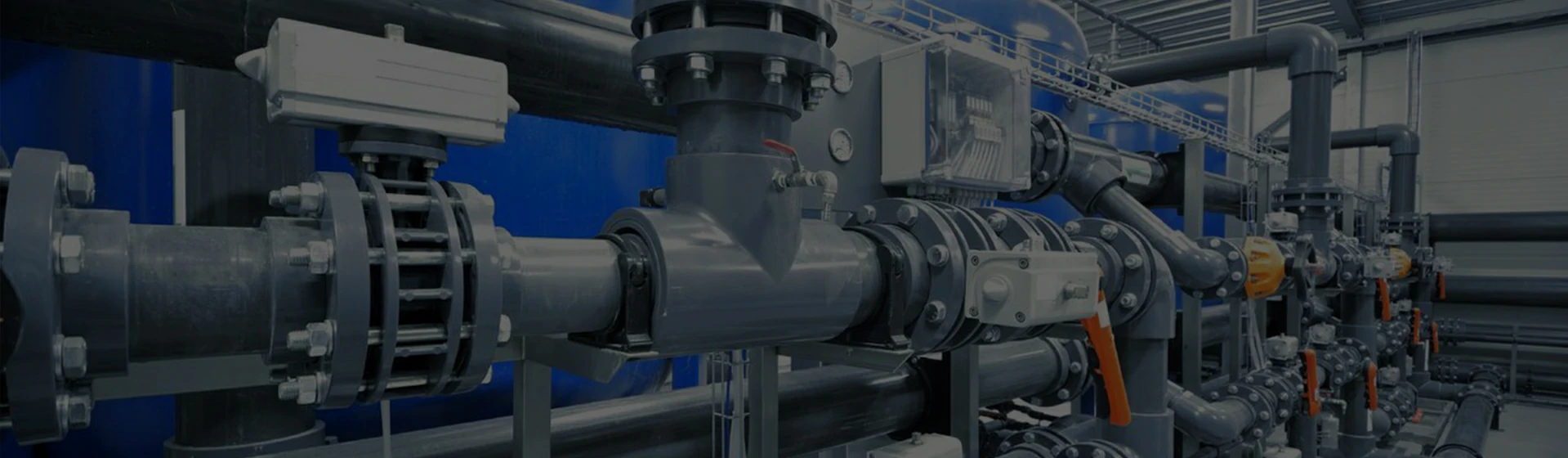
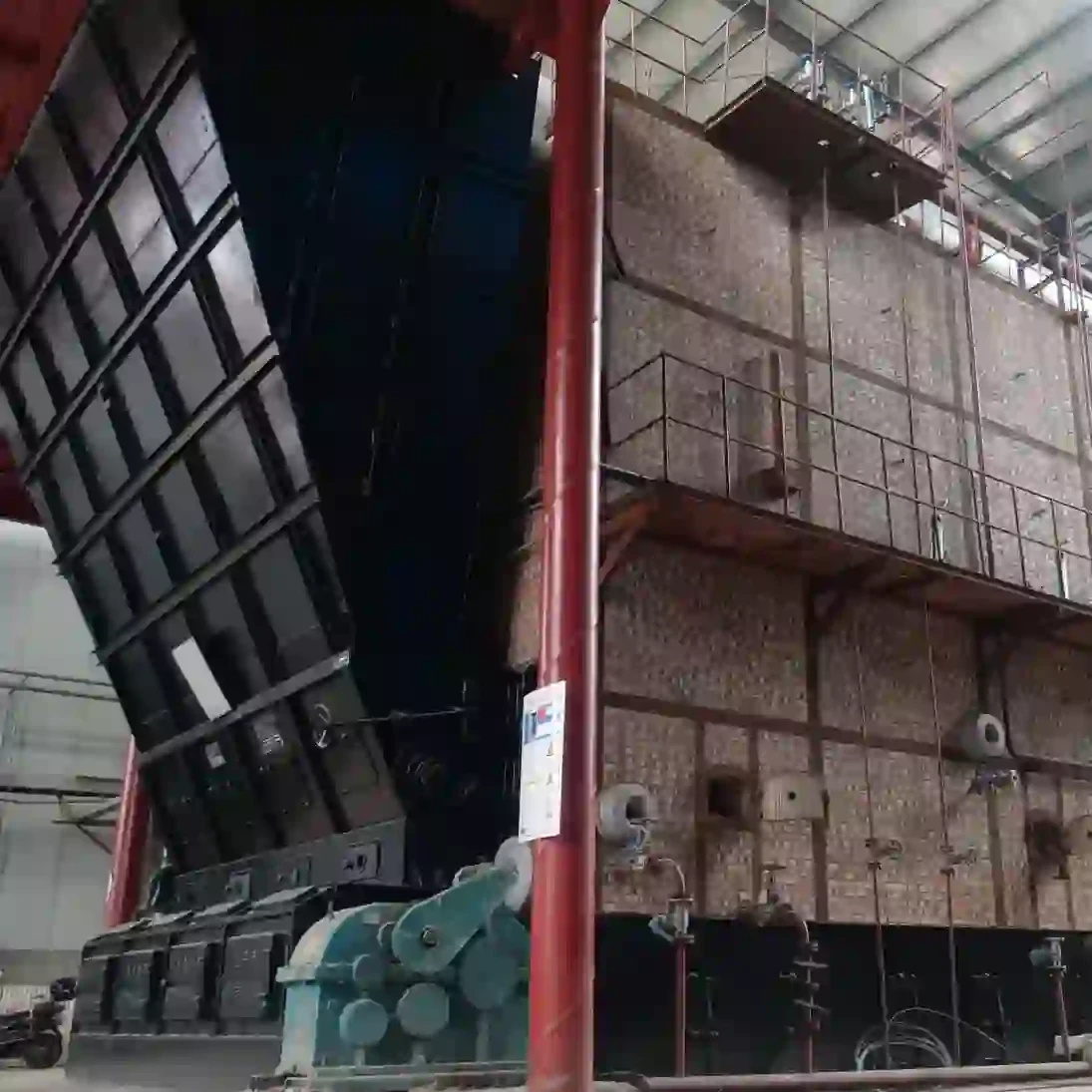
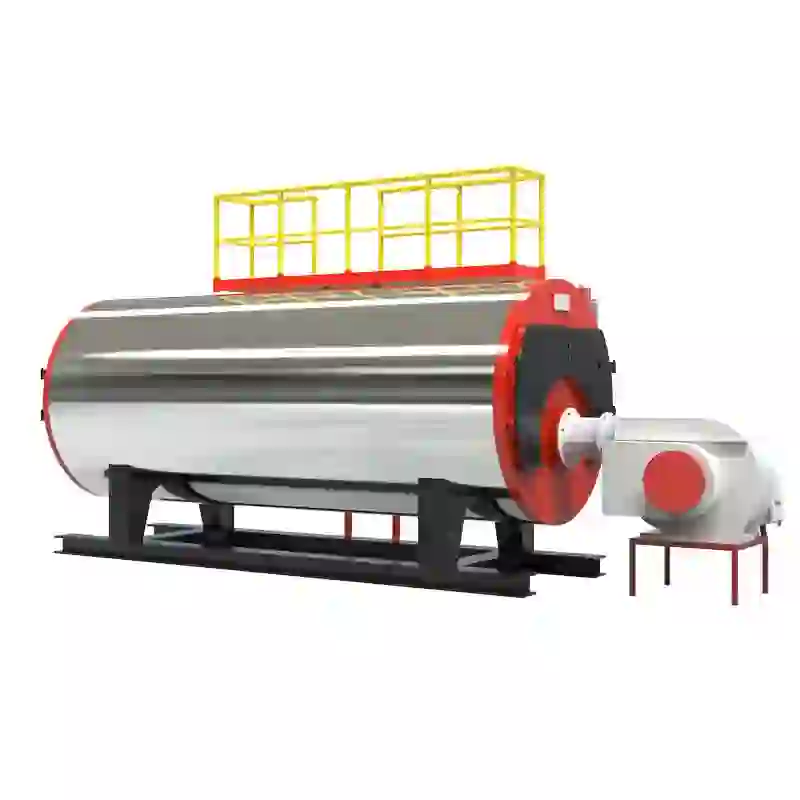
A hot water boiler system is a popular method for heating residential and commercial spaces. Understanding how it works can help you appreciate its efficiency and design. At its core, a hot water boiler operates on the principles of thermodynamics, utilizing water as a heat transfer medium.
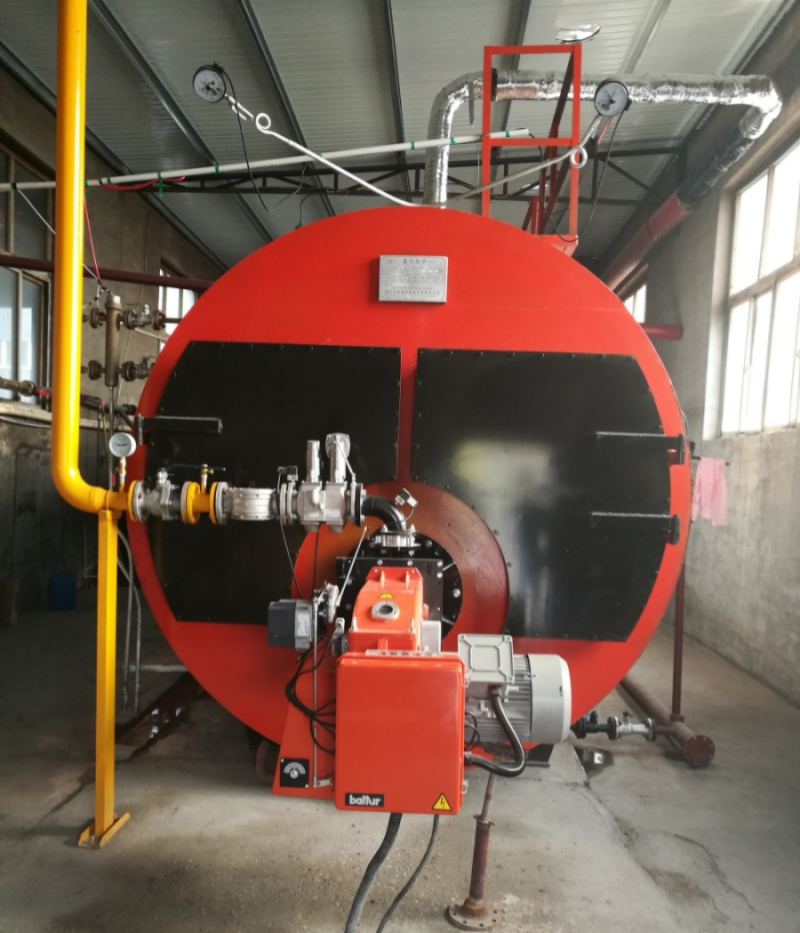
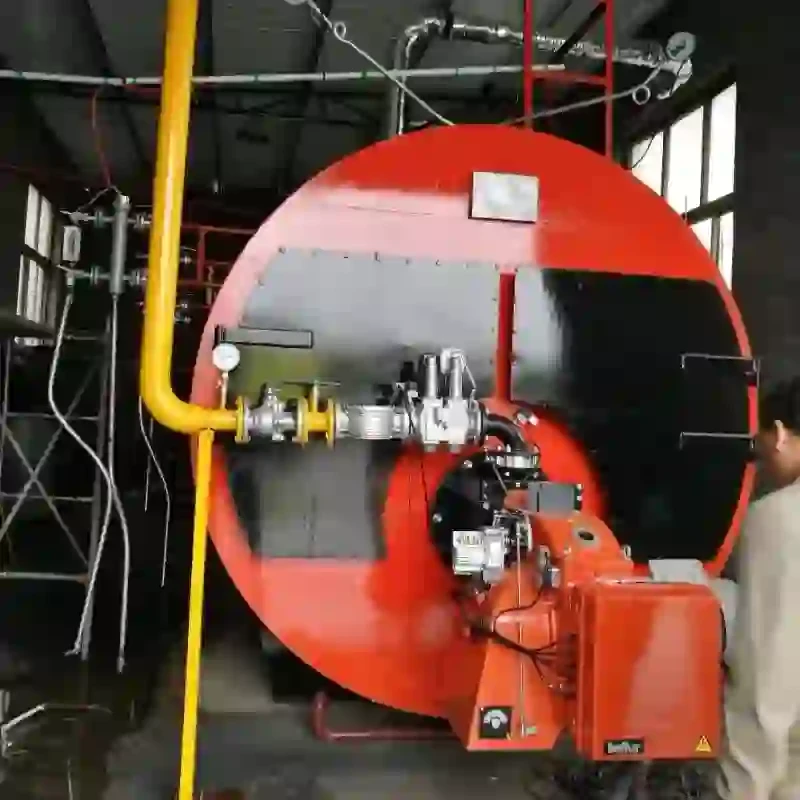
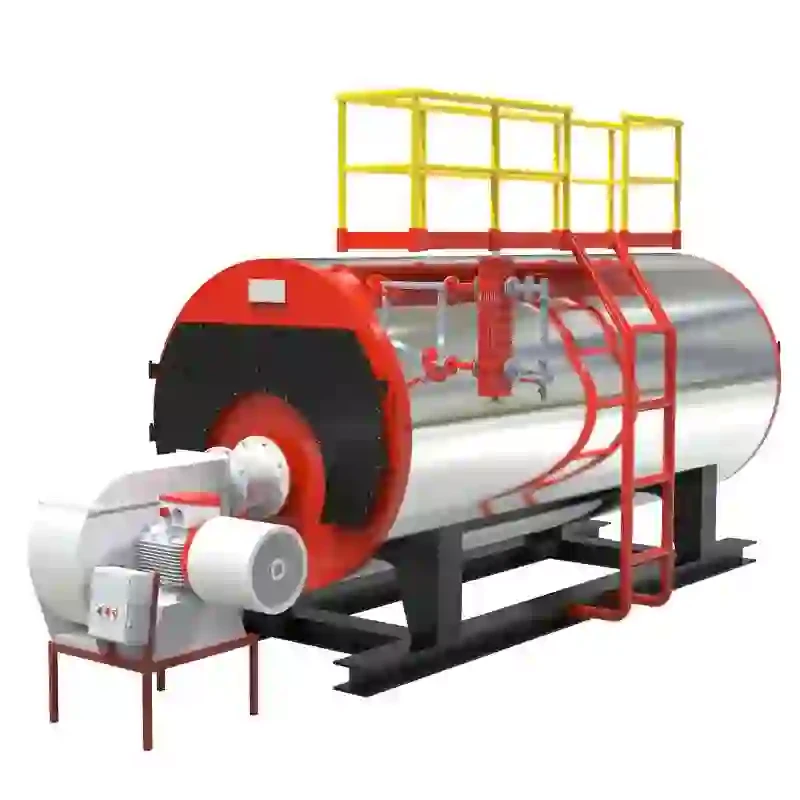
The process begins with the boiler unit itself, which serves as the heart of the system. The boiler is filled with water, which is heated by a variety of energy sources, including natural gas, propane, oil, or electricity. Once the water reaches the desired temperature, it is circulated throughout the building via a system of pipes.
The heating process in a boiler starts when the thermostat, which is a temperature-sensing device, calls for heat. This signal triggers the boiler to ignite the fuel source, heating the water inside the tank. The combustion process generates hot gases that heat the water either directly or through metal heat exchangers. As the water temperature rises, it becomes lighter and less dense, allowing it to rise through the system.
Once the water heats up, it is pumped out of the boiler and travels through a network of pipes to various heating units—typically radiators, baseboards, or underfloor heating systems. These units are designed to radiate heat into the rooms of the building. As the hot water flows into the radiators, it releases heat into the air, warming the surrounding space.
how does a hot water boiler system work
After releasing its heat, the water cools down and is returned to the boiler through a return pipe. This cycle of heating and circulating the water continues as long as there is a demand for heat. The efficiency of a hot water boiler system is quite high compared to other heating methods, as it effectively uses the energy generated from burning fuel to heat water, which is then used to warm the living space.
One of the key advantages of a hot water boiler is its ability to maintain a consistent temperature in a home or business. Unlike forced air systems that can create drafts and uneven temperatures, hot water systems distribute heat evenly and quietly. Moreover, many modern boilers are equipped with advanced controls and features, allowing for automated operation and improved energy efficiency.
Routine maintenance is essential to keep a hot water boiler system running smoothly. This includes checking for leaks, ensuring proper water levels, and inspecting the fuel source. Regular servicing can help to extend the life of the system and ensure optimal performance.
In conclusion, a hot water boiler system is an efficient and effective means of providing consistent heating to a space. By harnessing the power of heated water circulating through pipes and radiators, these systems offer reliable comfort, making them a popular choice for many heating applications. Understanding its operation can also empower users to maintain their system properly, maximizing both efficiency and longevity.
-
Hot Water Boiler Working Principle Explained: Efficiency, Applications, and Innovations
NewsDec.03,2025
-
Hot Water Boiler Design: Global Insights, Innovations, and Applications
NewsDec.03,2025
-
Understanding Hot Water Heat Boiler Replacement Cost: Factors, Benefits & Trends
NewsDec.03,2025
-
1 Million BTU Steam Boiler - Efficient Steam Solutions for Industry
NewsDec.02,2025
-
250 000 BTU Steam Boiler: Comprehensive Guide to Industrial Steam Power
NewsDec.02,2025
-
What You Need to Know About the 300 000 BTU Steam Boiler: Efficiency & Applications
NewsDec.02,2025


 English
  Arabic
  Bengali
  French
  German
  Hindi
Hindi  Indonesian
  Kazakh
  Khmer
Khmer  Korean
  Kyrgyz
  Lao
Lao  Latin
Latin  Mongolian
  Nepali
  Russian
  Turkish
  Turkmen
  Uzbek
Uzbek 


