




Dec . 05, 2024 14:20 Back to list
how does an oil fired boiler work
How Does an Oil Fired Boiler Work?
Oil fired boilers have been a popular choice for heating residential and commercial spaces for many years. They operate on a simple principle burning oil to produce heat, which is then distributed throughout the building. Understanding how these boilers work can help homeowners and businesses make informed decisions about their heating needs.
Basic Components
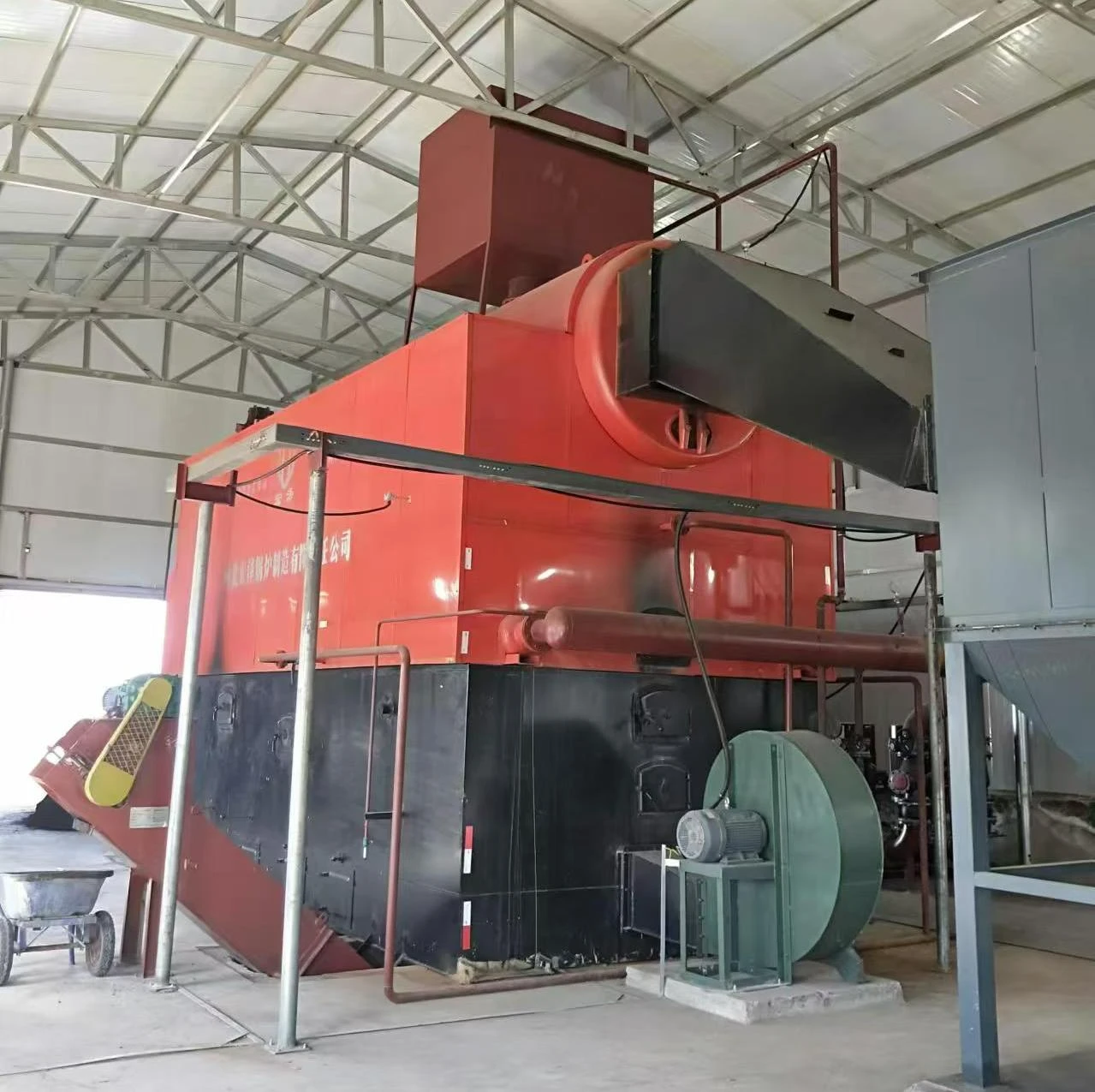
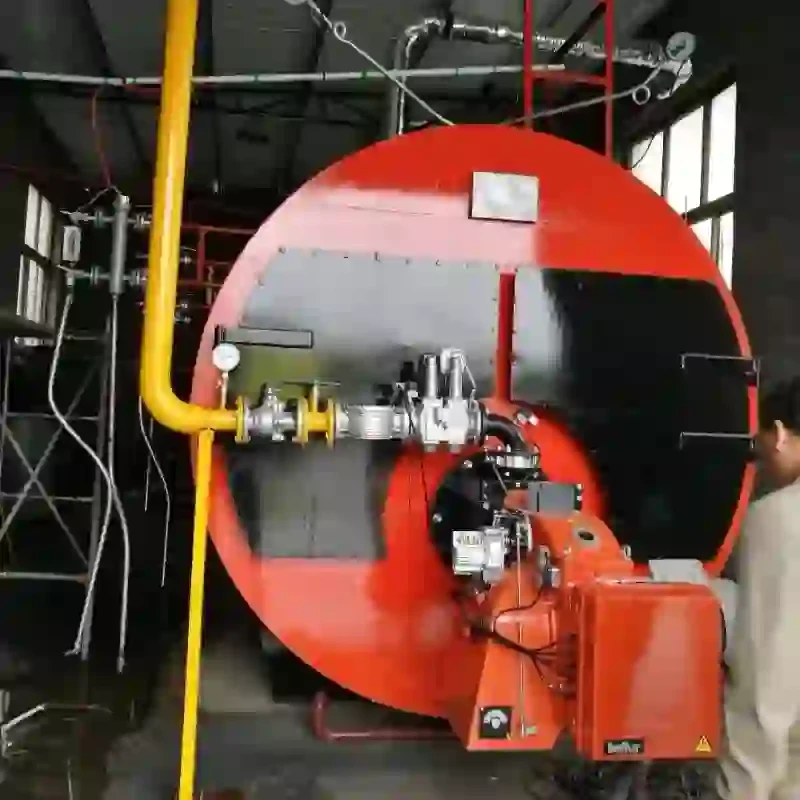
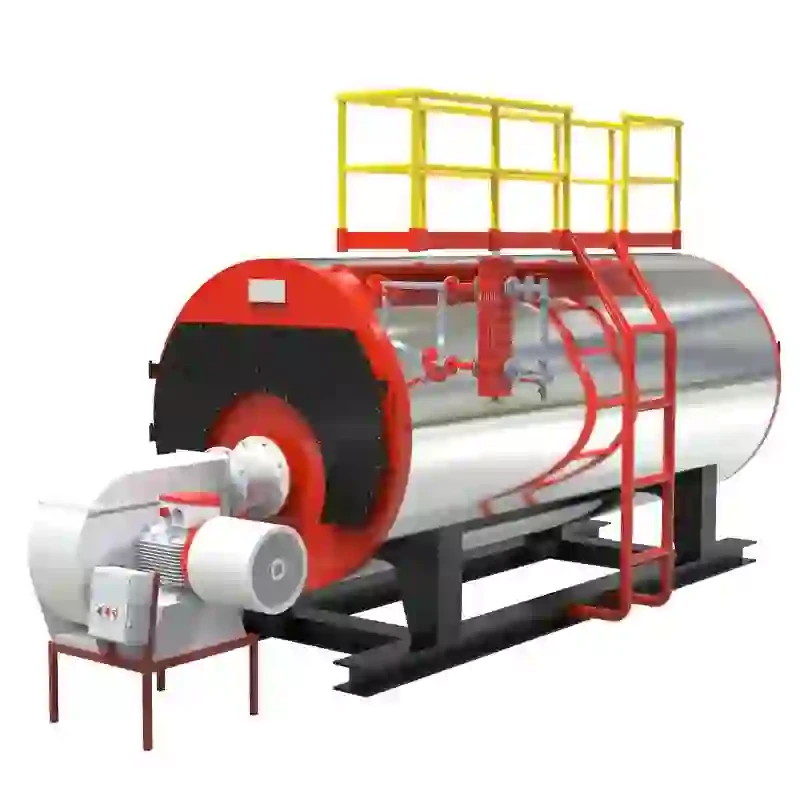
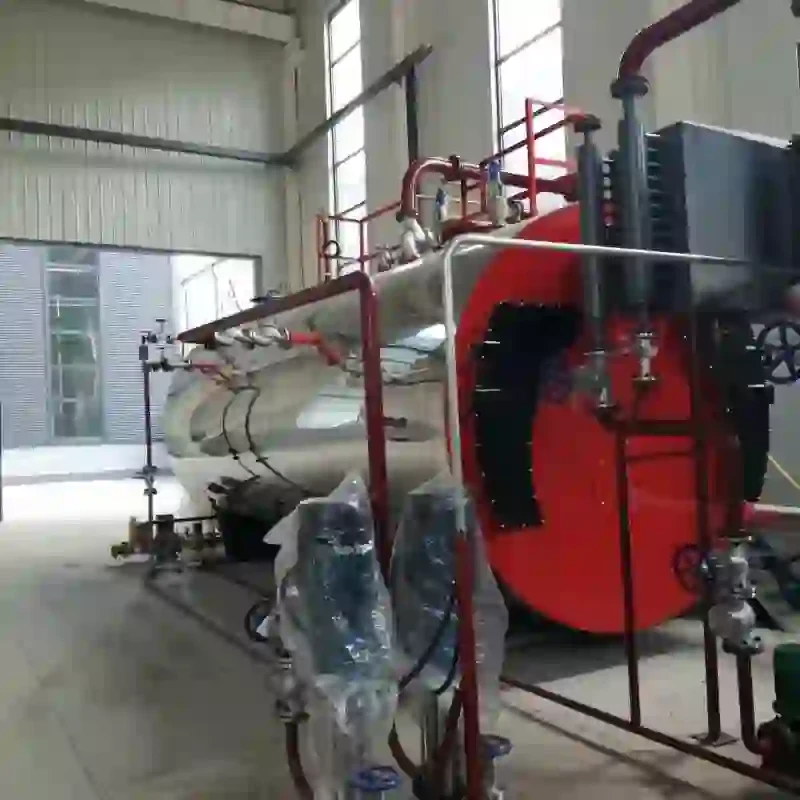
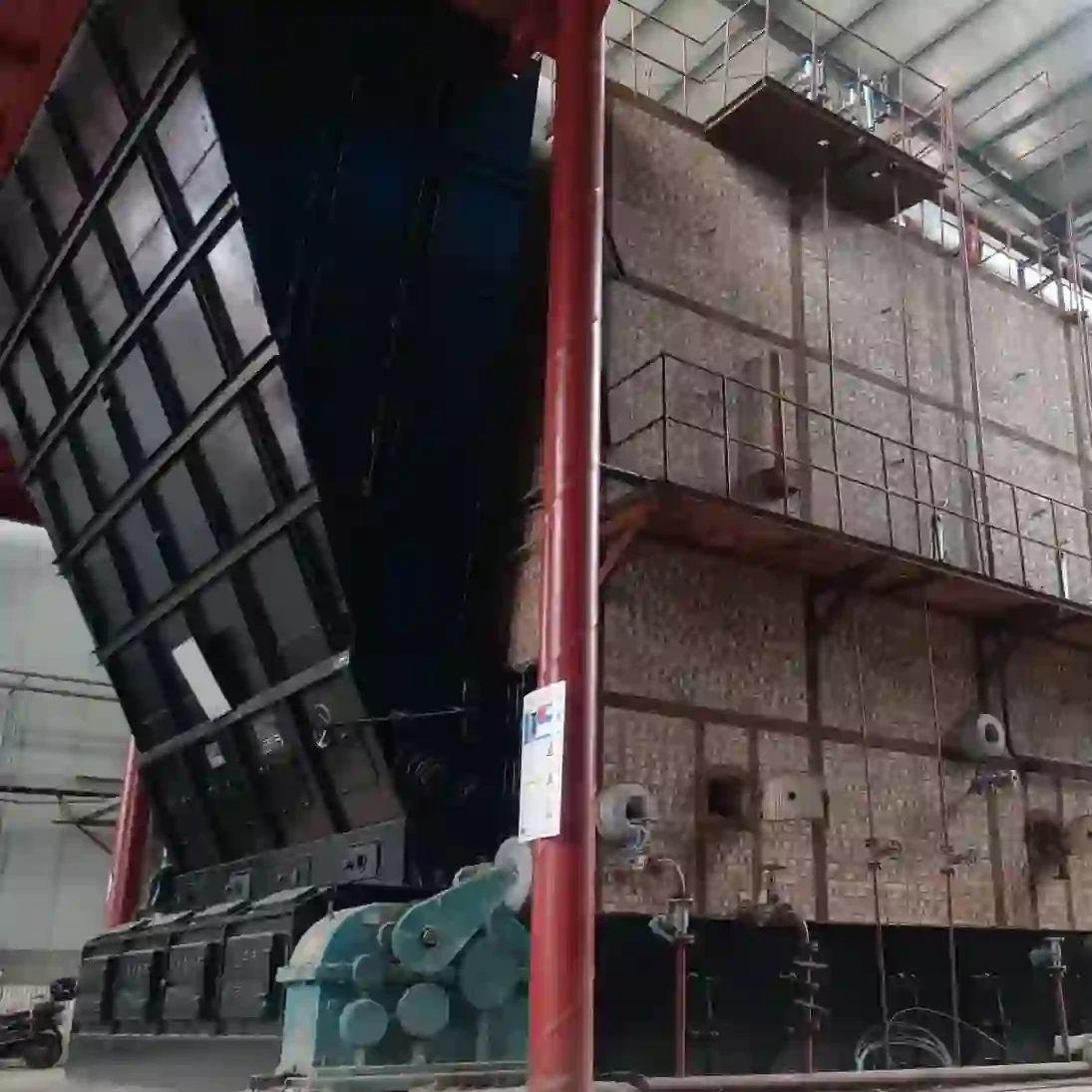
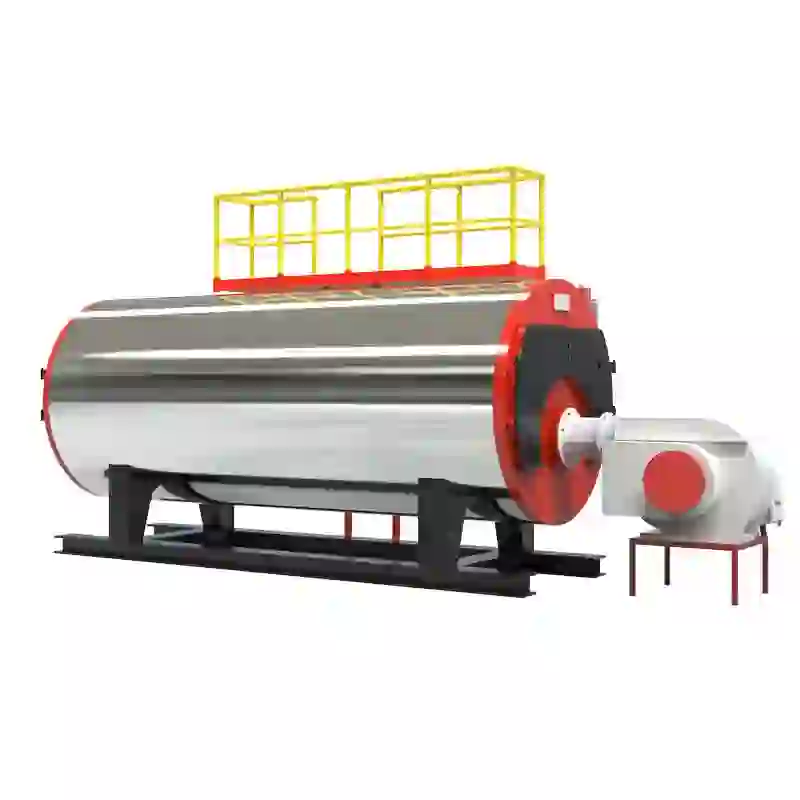
An oil fired boiler consists of several key components. The main parts include the burner, combustion chamber, heat exchanger, oil tank, and the flue system. The burner is responsible for mixing the oil with air and igniting it, while the combustion chamber is where the burning takes place. The heat exchanger then transfers the heat generated from the combustion to the water, which is circulated through the heating system.
The Fuel Supply
The process begins with the fuel supply. Oil is stored in a tank, which can be located above or below ground. When the thermostat in the building calls for heat, the boiler's fuel pump draws oil from the tank and delivers it to the burner. The oil is then atomized into fine droplets by a nozzle, allowing for efficient combustion.
Combustion Process
Once the atomized oil reaches the burner, it is mixed with air and ignited by an electric spark or a flame. This combustion process generates hot gases that rise into the combustion chamber. The high temperatures produced by the burning oil heat the walls of the chamber, which, in turn, heats the water in the heat exchanger.
Heat Exchange
how does an oil fired boiler work
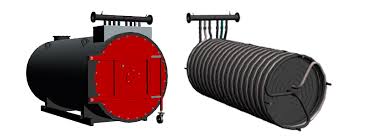
The heat exchanger is a crucial component of the system. It allows heat transfer from the combustion gases to the water without mixing the two. As the hot gases pass over the heat exchanger's surfaces, the water within the system absorbs the heat, raising its temperature. The now-heated water is then circulated through pipes to radiators or underfloor heating systems throughout the building, providing warmth.
Exhaust and Venting
After the combustion process, the spent gases must be safely vented outside. The flue system, consisting of pipes and a chimney, carries the exhaust gases out of the building. Proper venting is essential to ensure safety and efficiency. A high-efficiency oil fired boiler may also have a secondary heat exchanger to recover additional heat from the exhaust before it exits the flue.
Control Systems
Modern oil fired boilers are equipped with advanced control systems that enhance their efficiency and safety. These controls monitor the temperature and pressure within the system, adjusting the burner operation accordingly. Some systems include programmable thermostats or smart home integration, allowing users to manage their heating remotely or set schedules for when the heat is needed.
Maintenance Considerations
To ensure optimal performance, regular maintenance of an oil fired boiler is essential. This includes checking the oil supply, cleaning the burner and heat exchanger, and inspecting the flue system for blockages or leaks. Routine service can prevent breakdowns and improve efficiency, ultimately leading to cost savings on heating bills.
Conclusion
In summary, oil fired boilers are effective heating systems that work by burning oil to generate heat, which is then transferred to water in a heat exchanger. Understanding the various components and processes involved can help users ensure their systems function efficiently and reliably. By keeping up with regular maintenance, homeowners and businesses can enjoy the benefits of a warm, comfortable environment even during the coldest months.
-
Hot Water Boiler Working Principle Explained: Efficiency, Applications, and Innovations
NewsDec.03,2025
-
Hot Water Boiler Design: Global Insights, Innovations, and Applications
NewsDec.03,2025
-
Understanding Hot Water Heat Boiler Replacement Cost: Factors, Benefits & Trends
NewsDec.03,2025
-
1 Million BTU Steam Boiler - Efficient Steam Solutions for Industry
NewsDec.02,2025
-
250 000 BTU Steam Boiler: Comprehensive Guide to Industrial Steam Power
NewsDec.02,2025
-
What You Need to Know About the 300 000 BTU Steam Boiler: Efficiency & Applications
NewsDec.02,2025


 English
 Arabic
 Bengali
 French
 German
 Hindi
 Indonesian
 Kazakh
 Khmer
 Korean
 Kyrgyz
 Lao
 Latin
 Mongolian
 Nepali
 Russian
 Turkish
 Turkmen
 Uzbek


