




Sep . 22, 2024 14:36 Back to list
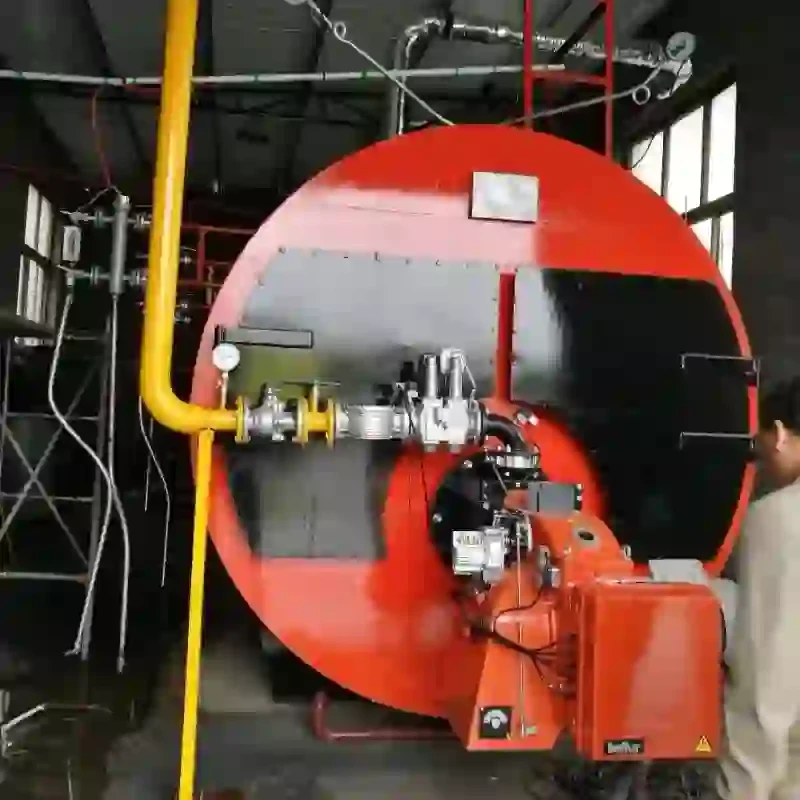
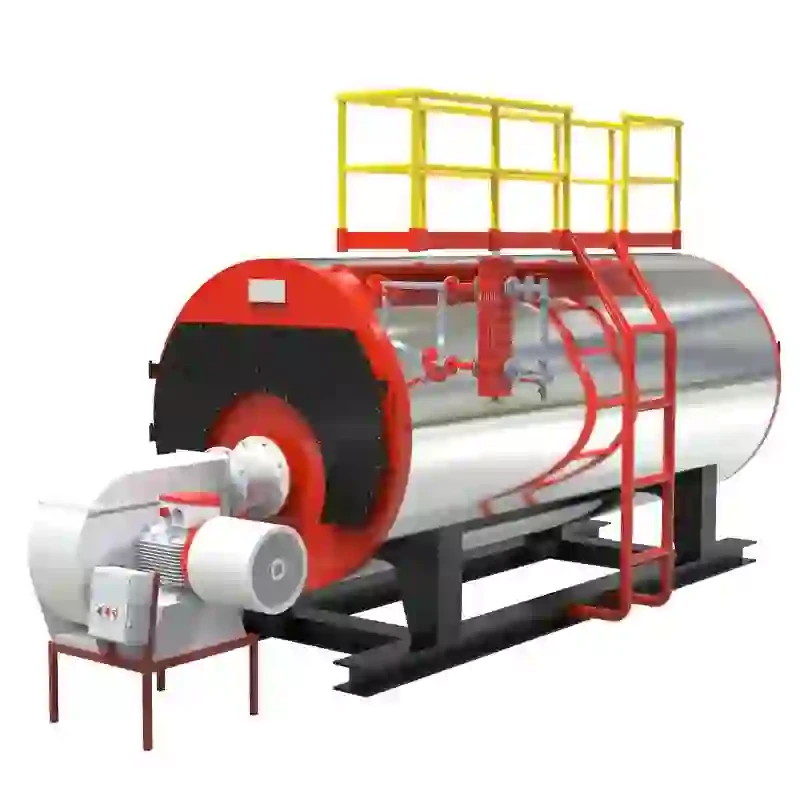
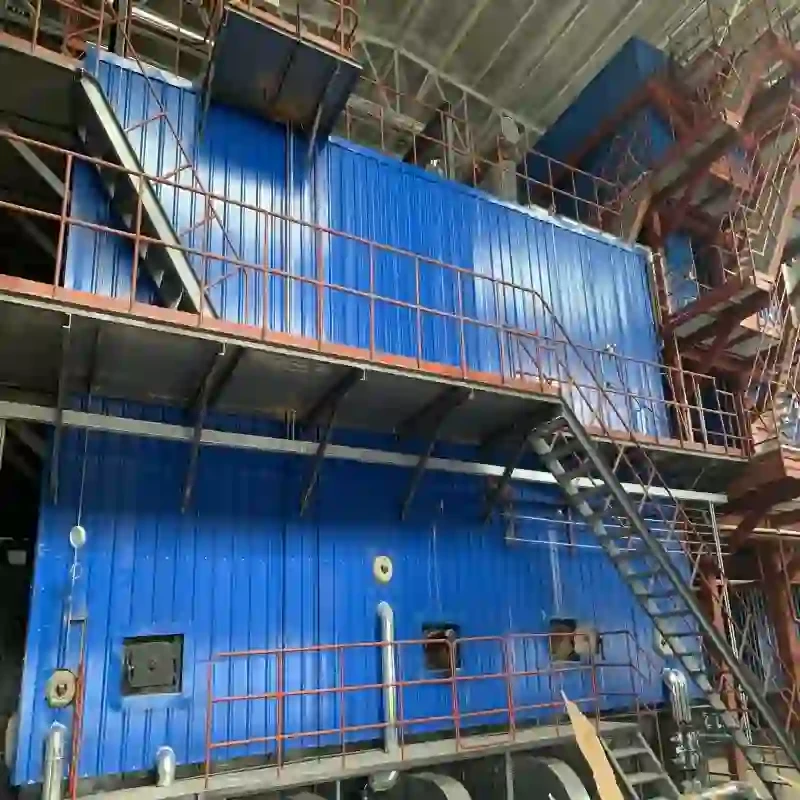
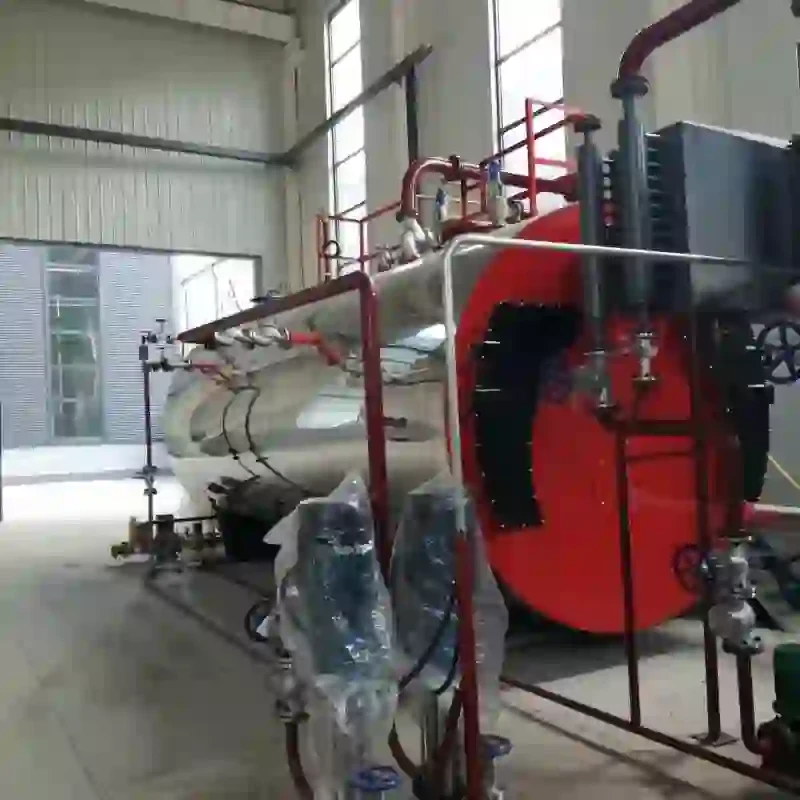
hydrogen steam boiler
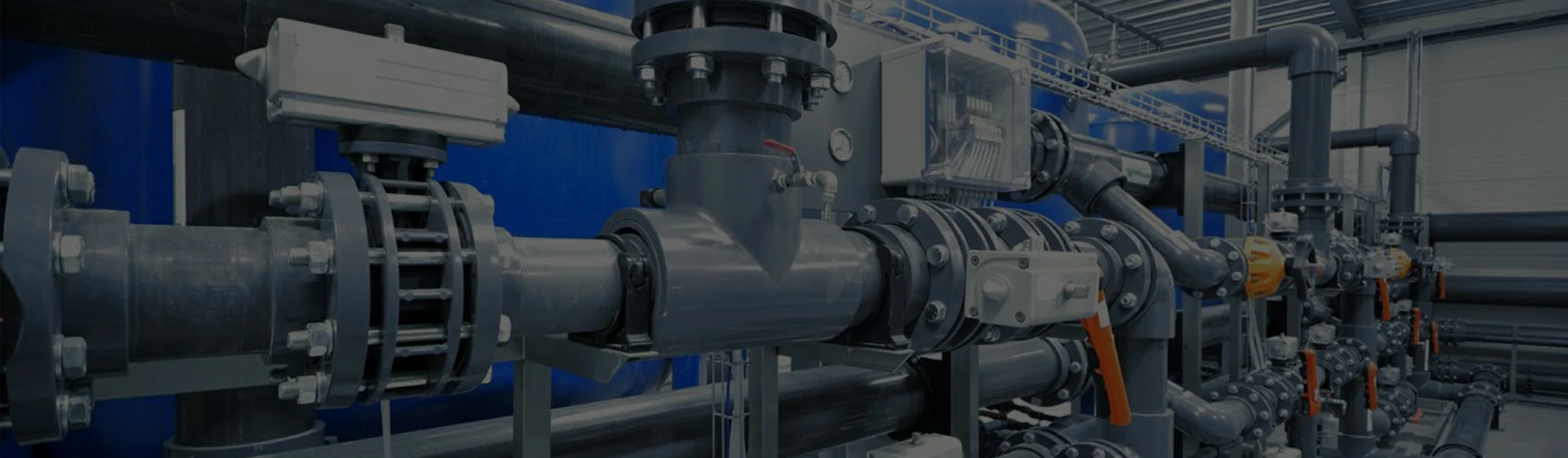
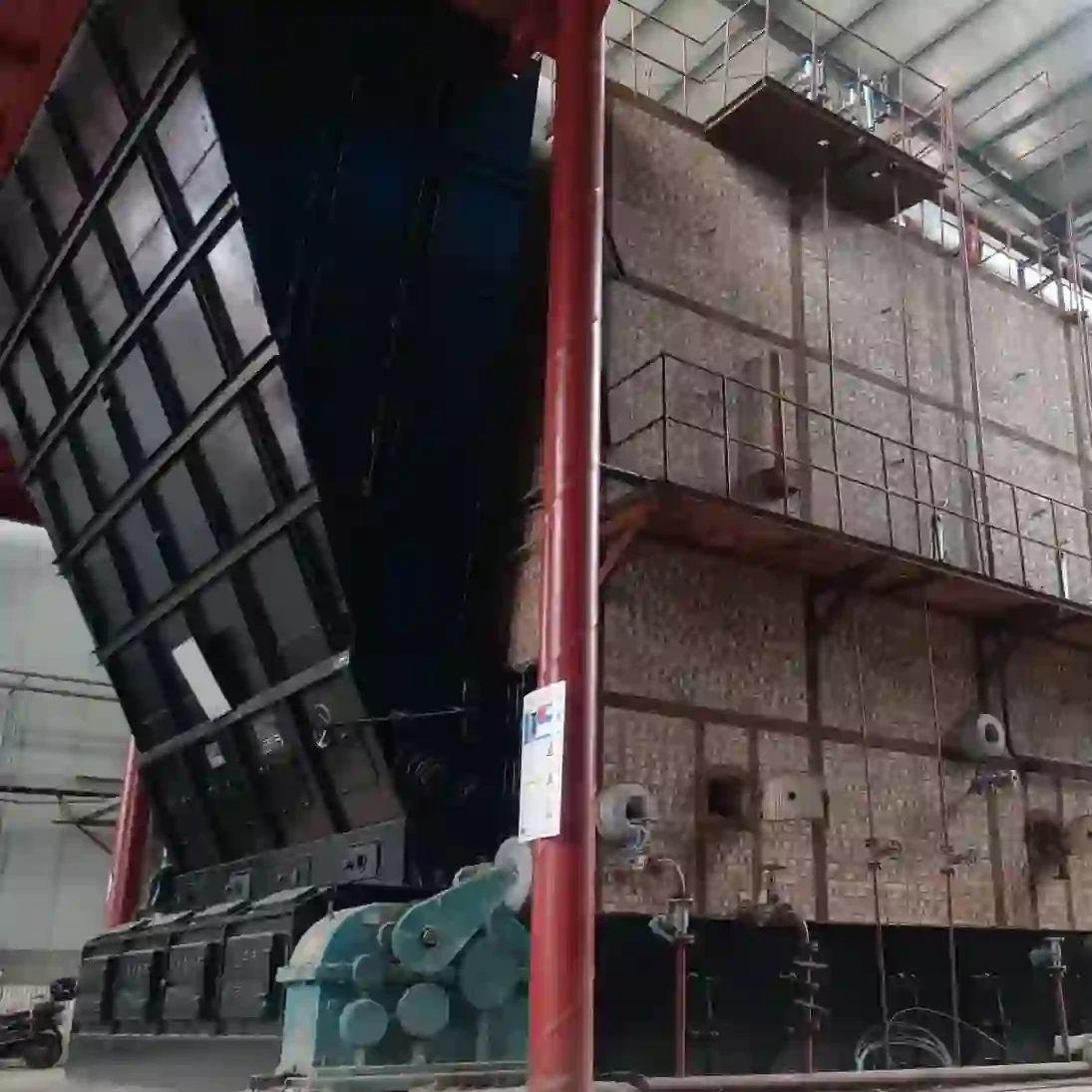
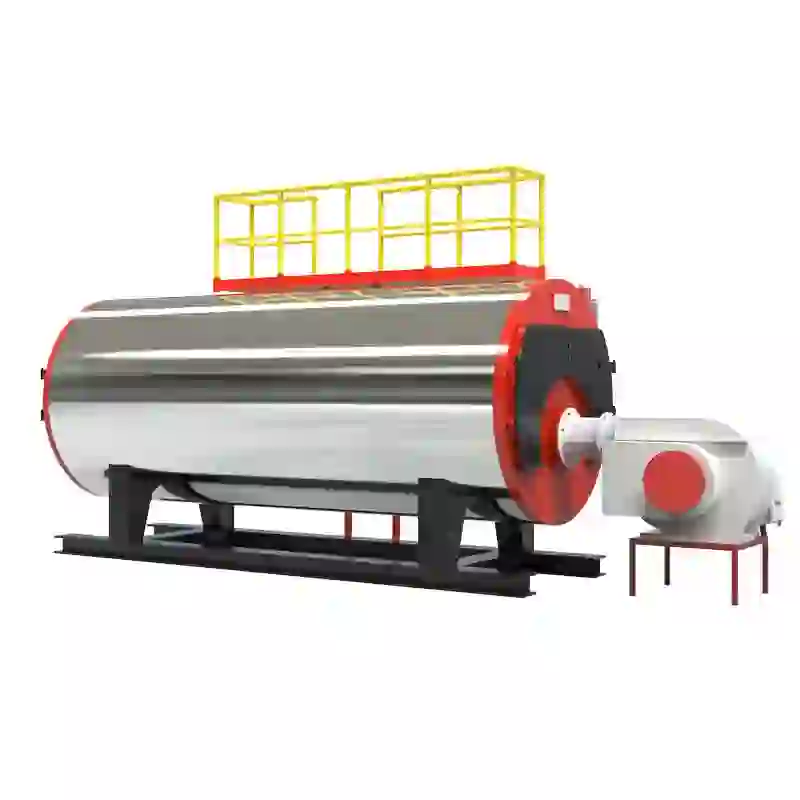
Hydrogen Steam Boilers A Sustainable Future for Energy Generation
In the quest for sustainable energy solutions, hydrogen steam boilers have emerged as a promising technology that could revolutionize the way we generate heat and power. As the world grapples with climate change and the urgent need to reduce carbon emissions, hydrogen offers an attractive alternative to fossil fuels in various industrial applications.
Hydrogen steam boilers operate by using hydrogen as the primary fuel for generating steam. The process involves burning hydrogen in a combustion chamber, where it reacts with oxygen, producing steam and water as byproducts. Unlike the combustion of traditional fossil fuels, this process emits no carbon dioxide, making hydrogen steam boilers an environmentally friendly option for industries looking to reduce their carbon footprint.
One of the most significant advantages of hydrogen as a fuel source is its abundance. As the most plentiful element in the universe, hydrogen can be produced from a variety of sources, including water through electrolysis (when powered by renewable energy) and natural gas reforming. The versatility of hydrogen production allows industries to choose the most sustainable and cost-effective method, thus promoting energy security and independence.
hydrogen steam boiler
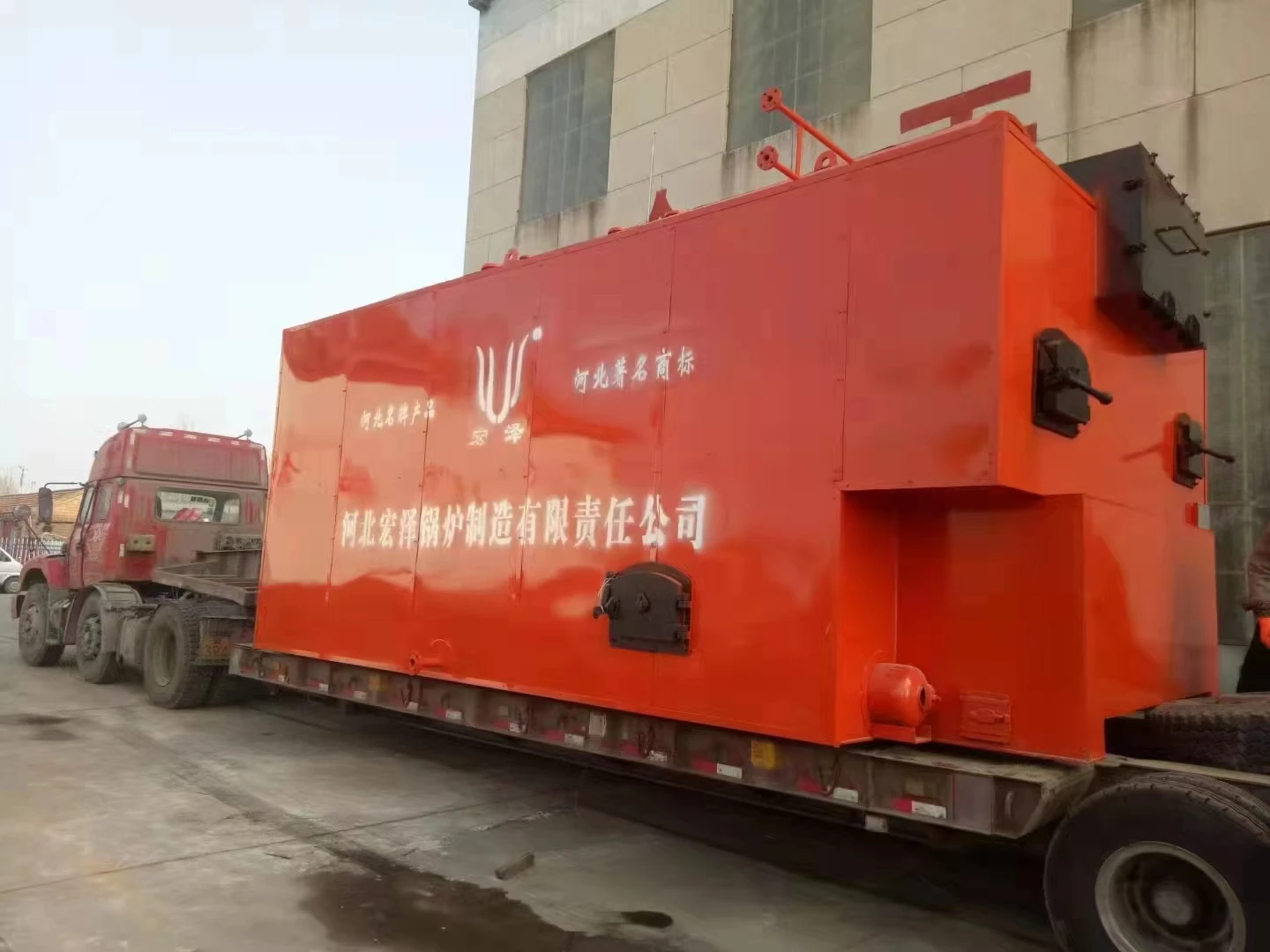
Moreover, hydrogen steam boilers can be integrated into existing industrial infrastructure, allowing for a smooth transition from conventional boilers to hydrogen-based systems. This adaptability is crucial as many industries are under pressure to decarbonize while maximizing operational efficiency. By retrofitting existing boiler systems to run on hydrogen, companies can maintain productivity while making significant strides towards sustainability.
However, the implementation of hydrogen steam boilers is not without challenges. The production, storage, and transportation of hydrogen involve technical complexities and significant investment. Additionally, the current infrastructure for hydrogen distribution is still in its nascent stages. To effectively harness the potential of hydrogen steam boilers, there is a pressing need for investments in technology development and infrastructure expansion.
Governments and industry leaders are beginning to recognize the importance of hydrogen in the energy transition. Numerous initiatives and innovations are emerging, signaling a growing commitment to hydrogen technology. As research progresses and economies of scale are achieved, we can expect the costs associated with hydrogen production and utilization to decrease, making it a more accessible option for industries worldwide.
In conclusion, hydrogen steam boilers represent a vital component of a sustainable energy future. By leveraging this clean energy source, industries can significantly reduce carbon emissions, enhance energy security, and contribute to a greener planet. As technology and infrastructure develop, hydrogen steam boilers could become a cornerstone of industrial energy solutions, paving the way for a low-carbon economy. The transition may be challenging, but the potential benefits far outweigh the hurdles, making hydrogen an indispensable ally in our fight against climate change.
-
Hot Water Boiler Working Principle Explained: Efficiency, Applications, and Innovations
NewsDec.03,2025
-
Hot Water Boiler Design: Global Insights, Innovations, and Applications
NewsDec.03,2025
-
Understanding Hot Water Heat Boiler Replacement Cost: Factors, Benefits & Trends
NewsDec.03,2025
-
1 Million BTU Steam Boiler - Efficient Steam Solutions for Industry
NewsDec.02,2025
-
250 000 BTU Steam Boiler: Comprehensive Guide to Industrial Steam Power
NewsDec.02,2025
-
What You Need to Know About the 300 000 BTU Steam Boiler: Efficiency & Applications
NewsDec.02,2025
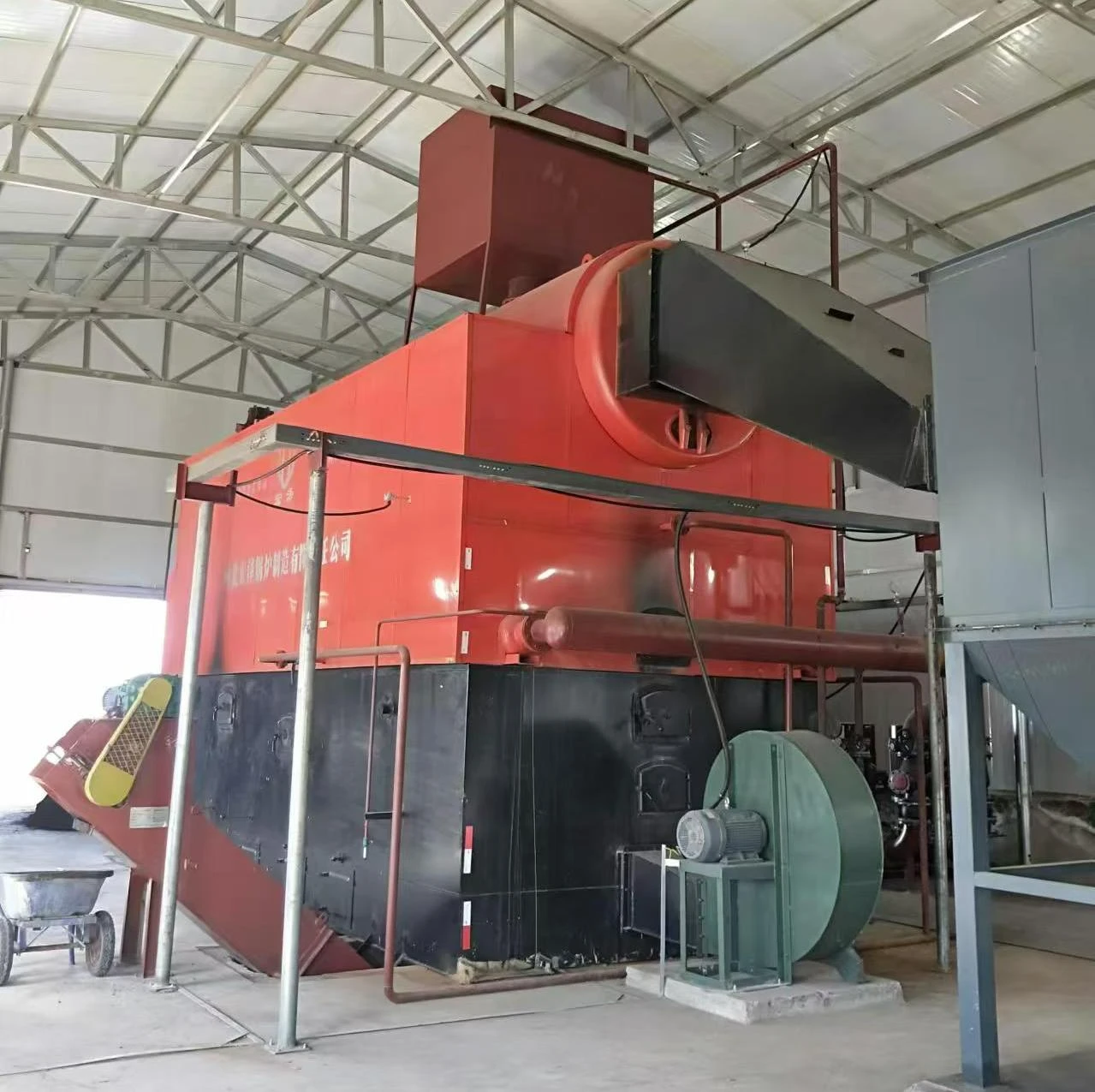
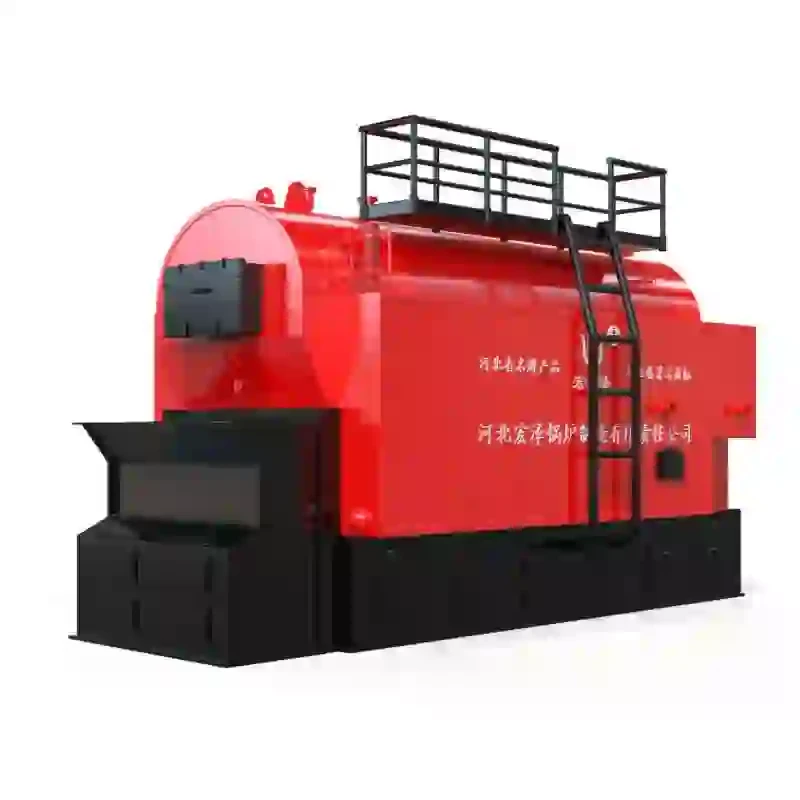


 English
 Arabic
 Bengali
 French
 German
 Hindi
 Indonesian
 Kazakh
 Khmer
 Korean
 Kyrgyz
 Lao
 Latin
 Mongolian
 Nepali
 Russian
 Turkish
 Turkmen
 Uzbek


