




Dec . 18, 2024 05:54 Back to list
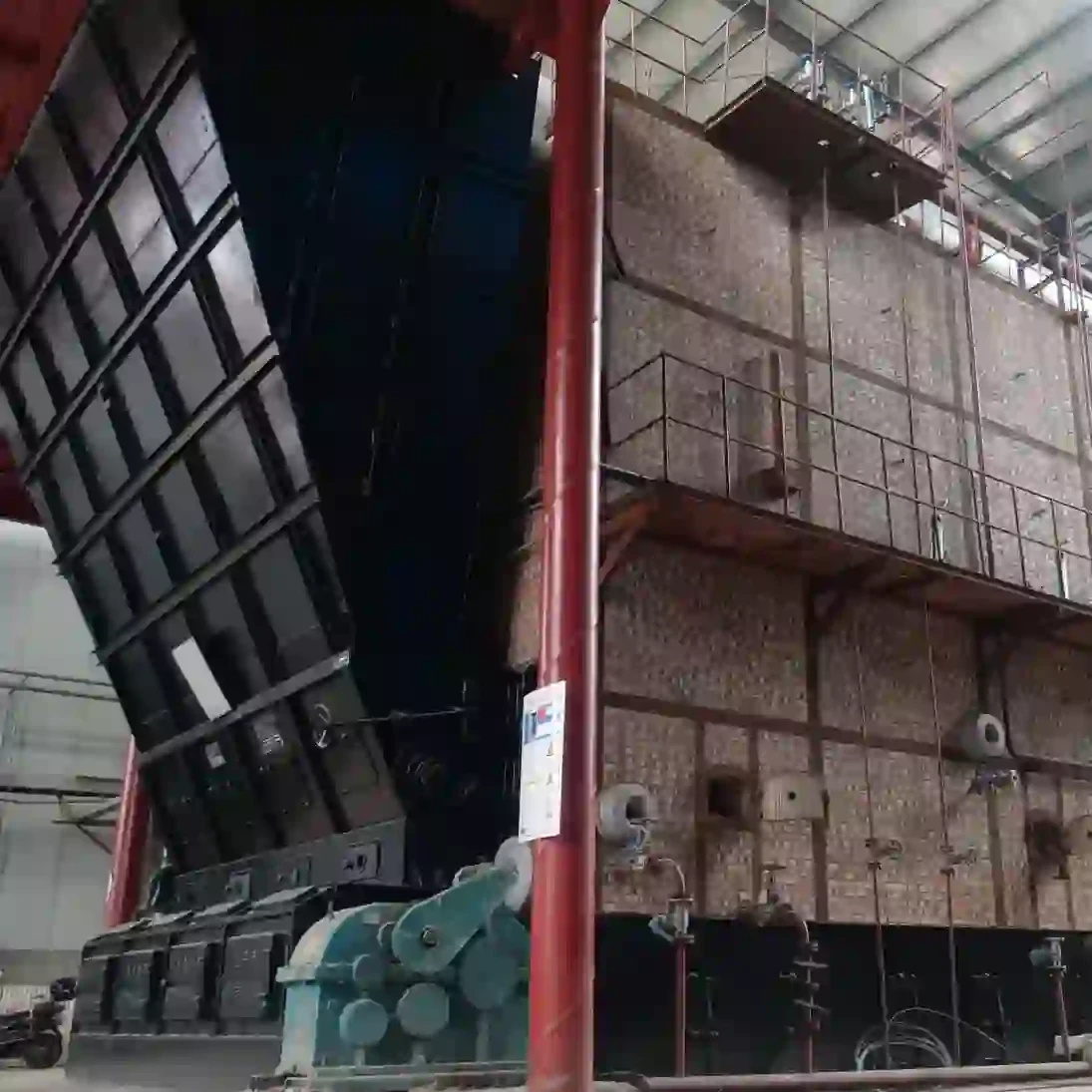
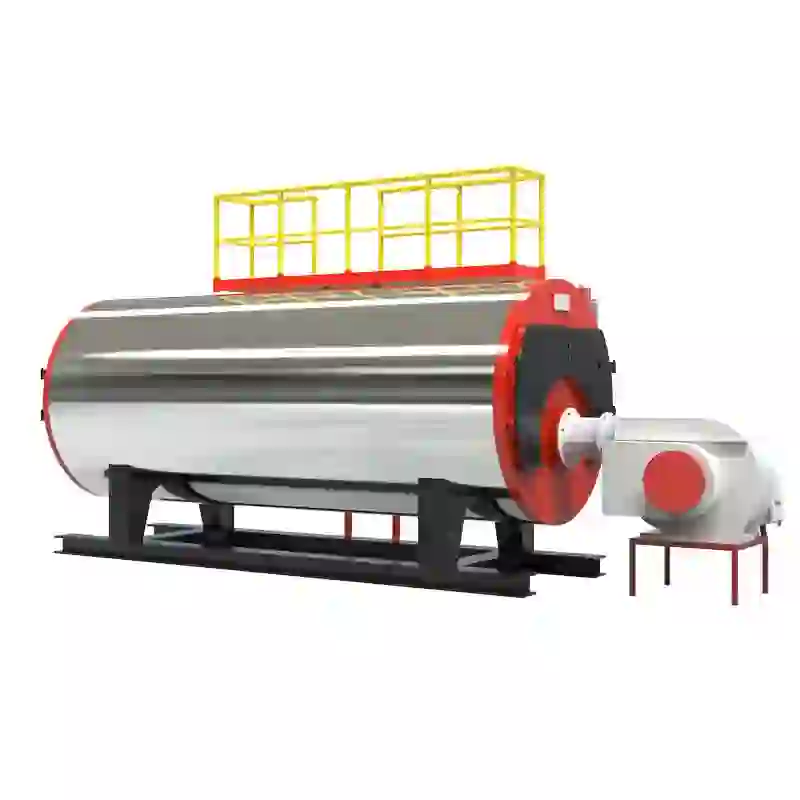
industrial gas steam boiler
Industrial Gas Steam Boiler An Overview
Industrial gas steam boilers are critical components in various manufacturing and processing industries. These boilers convert natural gas or other gaseous fuels into steam, which is then used for heating, power generation, and various industrial processes. Understanding their operation, advantages, and applications can help businesses make informed decisions about their energy systems.
Operation of Industrial Gas Steam Boilers
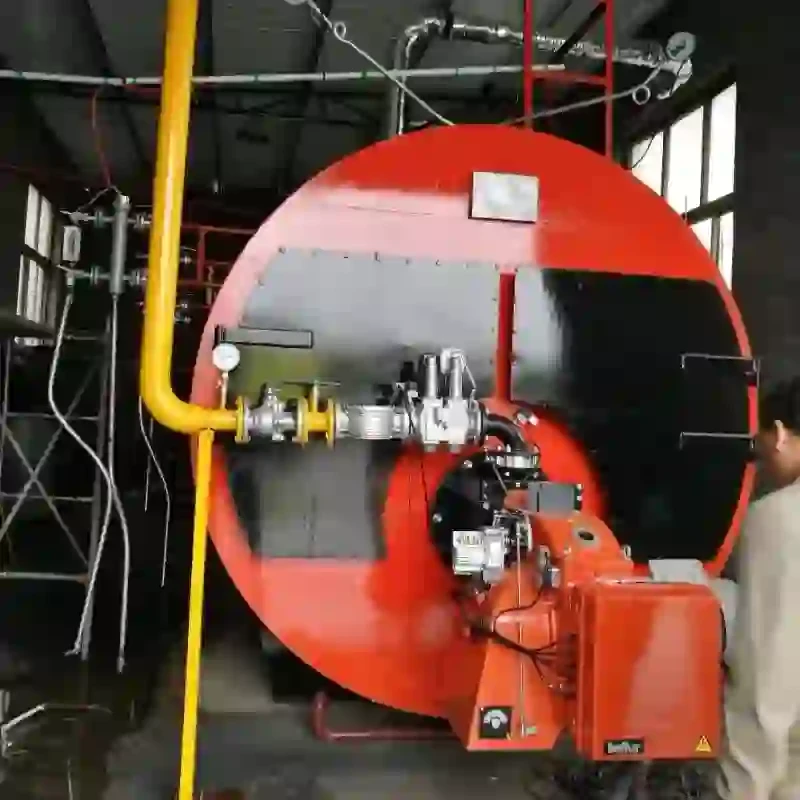
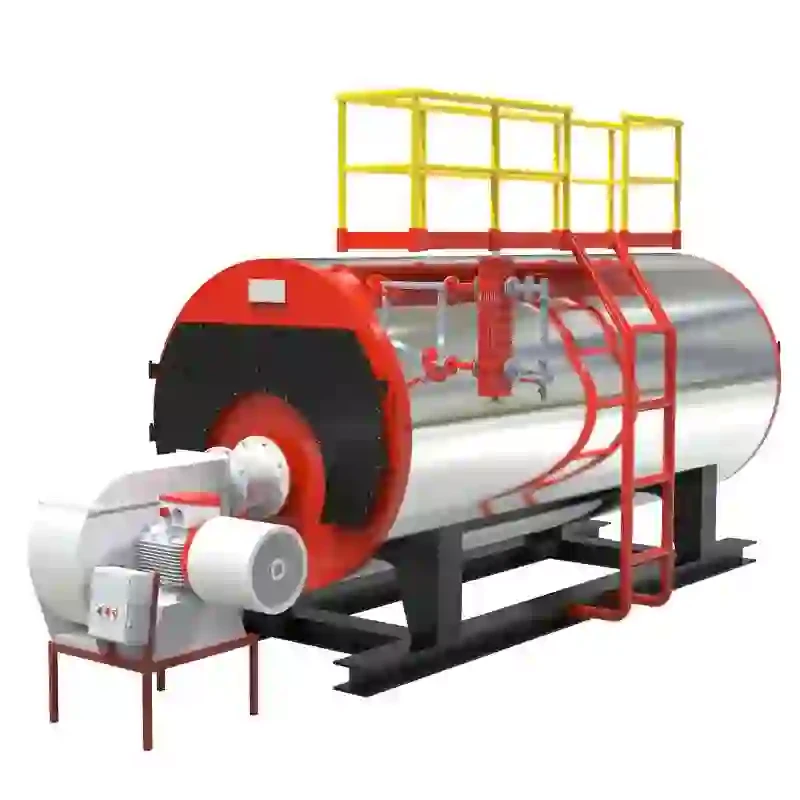
The primary function of an industrial gas steam boiler is to generate steam by heating water through combustion. The process begins with the introduction of gas fuel into the combustion chamber. The gas is ignited, and the resulting high-temperature gases pass through a heat exchanger. Here, the heat from the gases transfers to the water, creating steam.
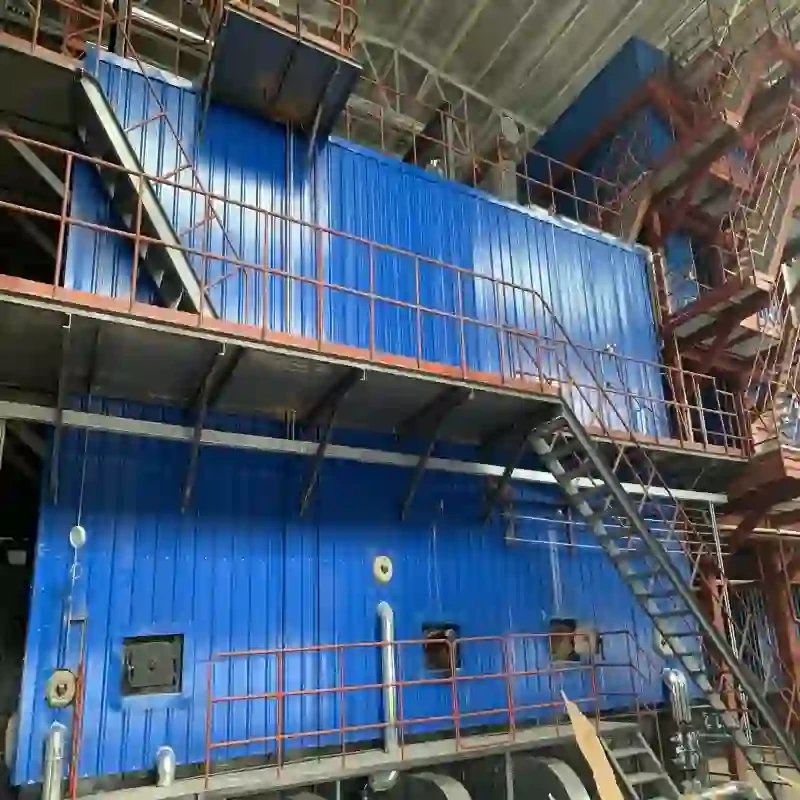
Boilers typically use a variety of designs, including fire-tube and water-tube configurations. In fire-tube boilers, hot gases flow through tubes surrounded by water, while in water-tube boilers, water flows through tubes heated by gases. Both designs have their advantages and are chosen based on specific operational requirements, such as pressure, capacity, and space constraints.
Types of Fuels
While natural gas is the most commonly used fuel for industrial gas steam boilers due to its affordability and lower emissions compared to other fossil fuels, these boilers can also be designed to use propane, biogas, and other gaseous fuels. The choice of fuel can significantly impact boiler efficiency, emissions, and operational costs.
Advantages of Industrial Gas Steam Boilers
1. Efficiency Industrial gas steam boilers are known for their high efficiency rates, often exceeding 90%. Their design allows for effective heat transfer, maximizing steam production while minimizing fuel consumption.
2. Environmental Impact By utilizing natural gas, which has a lower carbon footprint than coal or oil, these boilers contribute to reduced greenhouse gas emissions. Additionally, modern gas boilers are engineered to meet stringent environmental regulations, featuring advanced combustion systems that lower nitrogen oxide (NOx) emissions.
3. Operational Cost The cost of natural gas is typically lower than other fossil fuels, which translates to reduced operational expenses. Furthermore, their efficiency ensures that businesses can obtain more steam from less fuel, further optimizing operational costs.
industrial gas steam boiler
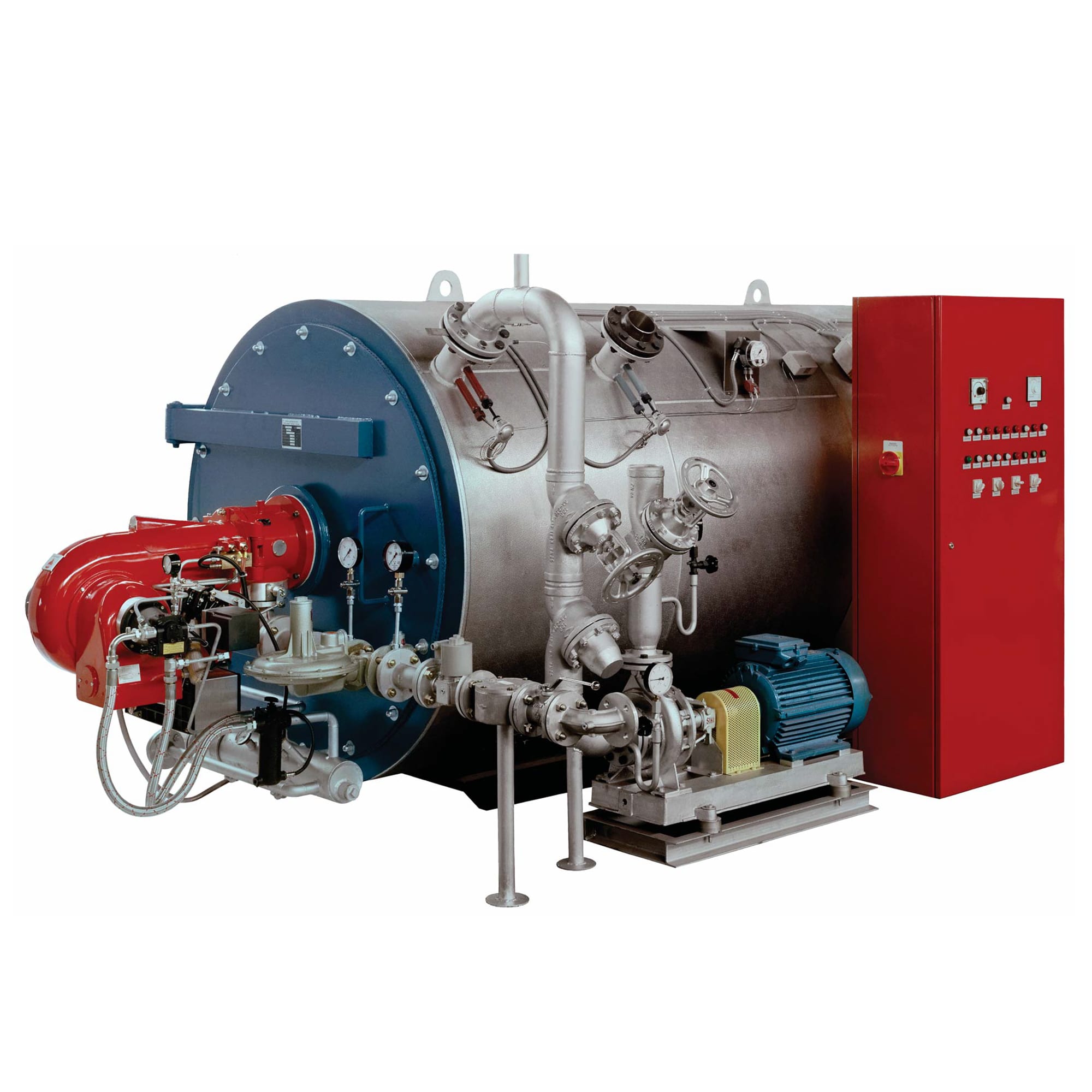
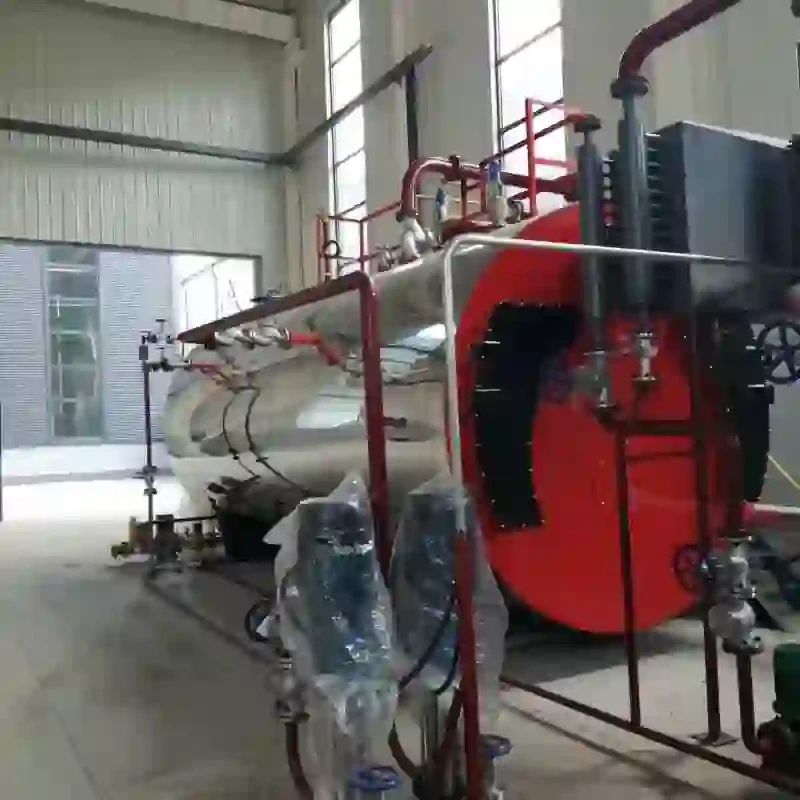
4. Space-saving Designs Many industrial gas steam boilers are designed to be compact, making them suitable for facilities with limited space. Advanced technology has allowed manufacturers to create boilers that deliver high outputs while occupying a smaller footprint.
5. Ease of Automation and Control Modern gas steam boilers come with sophisticated control systems that allow for precise monitoring and regulation of steam pressure and temperature. These automated systems improve safety, efficiency, and reliability, making it easier to integrate boilers into existing industrial processes.
Applications
Industrial gas steam boilers have a wide array of applications across different sectors
- Manufacturing Used for process heating, steam generation for machinery, and sterilization in the food and pharmaceutical industries.
- Power Generation Steam produced by gas boilers can drive turbines for electricity generation in cogeneration systems, enhancing overall energy efficiency.
- Heating Many industrial processes require consistent heating, which gas steam boilers can provide reliably.
- Flood Management and District Heating In some regions, surplus steam from gas boilers can be used for district heating systems, providing warmth to residential and commercial buildings.
Conclusion
In summary, industrial gas steam boilers play a vital role in energy generation and various industrial processes. Their high efficiency, low emissions, and adaptability to various fuel types make them a preferred choice for industries aiming to minimize their environmental impact while controlling operational costs. As technology continues to advance, these boilers are likely to become even more efficient and environmentally friendly, further solidifying their importance in the industrial landscape. Businesses considering upgrading their energy systems should explore the benefits and opportunities that industrial gas steam boilers can provide, ensuring they remain competitive and sustainable in today's market.
-
Hot Water Boiler Working Principle Explained: Efficiency, Applications, and Innovations
NewsDec.03,2025
-
Hot Water Boiler Design: Global Insights, Innovations, and Applications
NewsDec.03,2025
-
Understanding Hot Water Heat Boiler Replacement Cost: Factors, Benefits & Trends
NewsDec.03,2025
-
1 Million BTU Steam Boiler - Efficient Steam Solutions for Industry
NewsDec.02,2025
-
250 000 BTU Steam Boiler: Comprehensive Guide to Industrial Steam Power
NewsDec.02,2025
-
What You Need to Know About the 300 000 BTU Steam Boiler: Efficiency & Applications
NewsDec.02,2025


 English
  Arabic
  Bengali
  French
  German
  Hindi
Hindi  Indonesian
  Kazakh
  Khmer
Khmer  Korean
  Kyrgyz
  Lao
Lao  Latin
Latin  Mongolian
  Nepali
  Russian
  Turkish
  Turkmen
  Uzbek
Uzbek 


