




Dec . 20, 2024 16:12 Back to list
Guide to Installing a Steam Boiler for Efficient Heating Solutions
Installing a Steam Boiler A Comprehensive Guide
Installing a steam boiler can be a daunting task, but with the right approach and knowledge, it can be a rewarding experience. Steam boilers are crucial for numerous applications, including heating, power generation, and process steam in industrial settings. Here, we will walk you through the essential steps involved in the installation of a steam boiler.
Step 1 Understanding Your Boiler Type
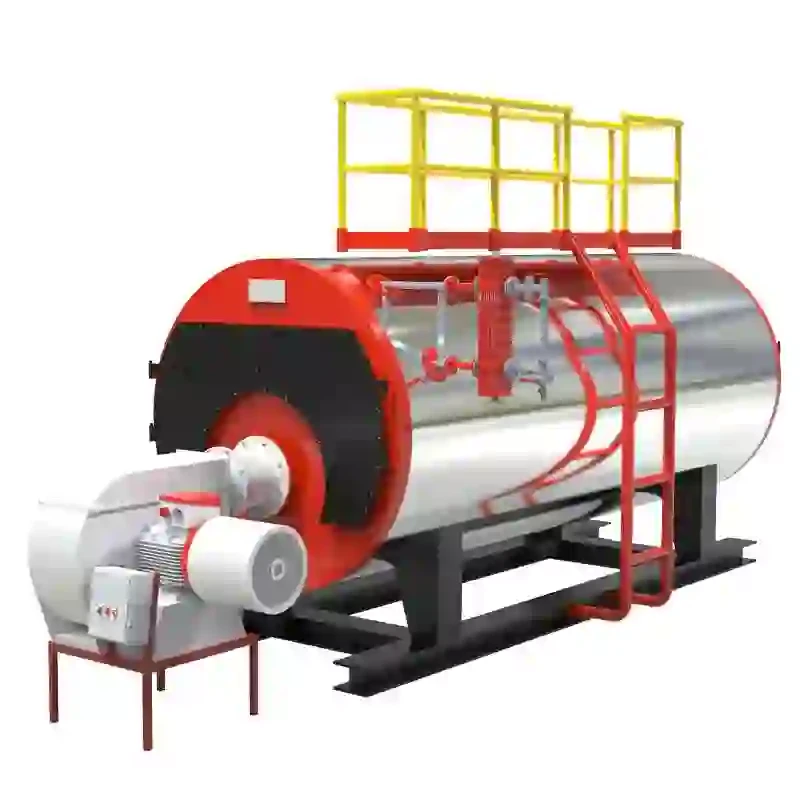
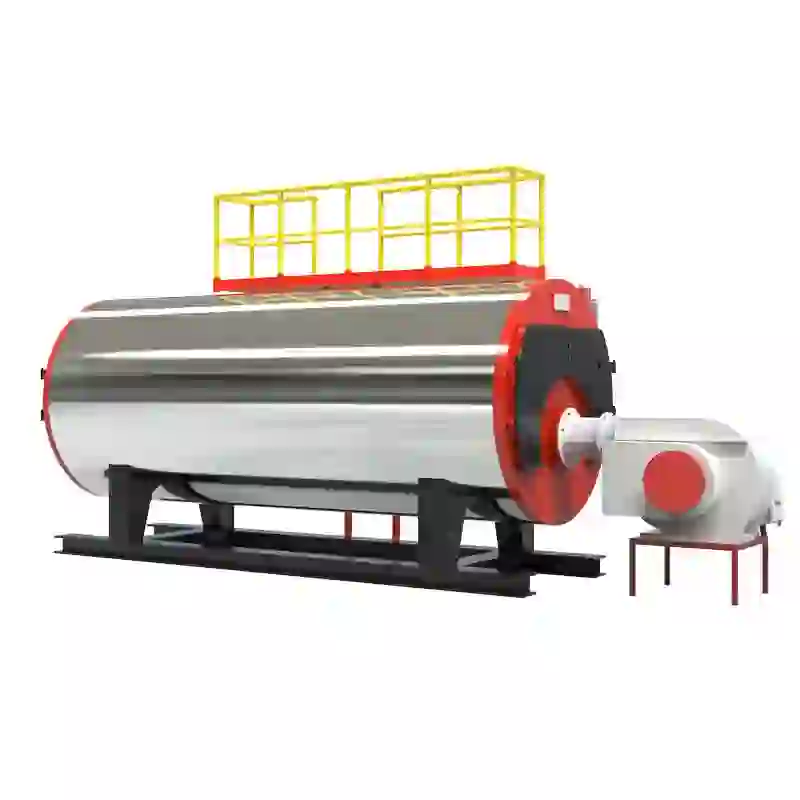
Before installation, it is vital to understand the different types of steam boilers available. The most common types are fire-tube and water-tube boilers. Fire-tube boilers contain tubes filled with hot gases from the combustion process, while water-tube boilers have water flowing through tubes heated by external gas. The choice depends on your specific application, budget, and space.
Step 2 Site Preparation
Selecting the right location for your steam boiler is crucial. Consider factors such as proximity to fuel supply, water source, and maintenance access. Ensure that the site complies with local building codes and regulations. Additionally, you need to prepare a robust foundation that can support the weight of the boiler and its auxiliary components.
Step 3 Ensuring Proper Ventilation
Proper ventilation is essential for any steam boiler installation. A well-ventilated area prevents the buildup of harmful gases and allows for efficient combustion. Make sure there is adequate airflow to the boiler room. You may need to install vents or exhaust fans to enhance ventilation.
Step 4 Installing the Boiler
Once the site is prepared, you can begin the installation process. Start by positioning the boiler on the foundation, ensuring it is level. Follow the manufacturer’s instructions and local codes for connecting water, steam, and fuel lines. Ensure that all piping is adequately insulated to minimize heat loss.
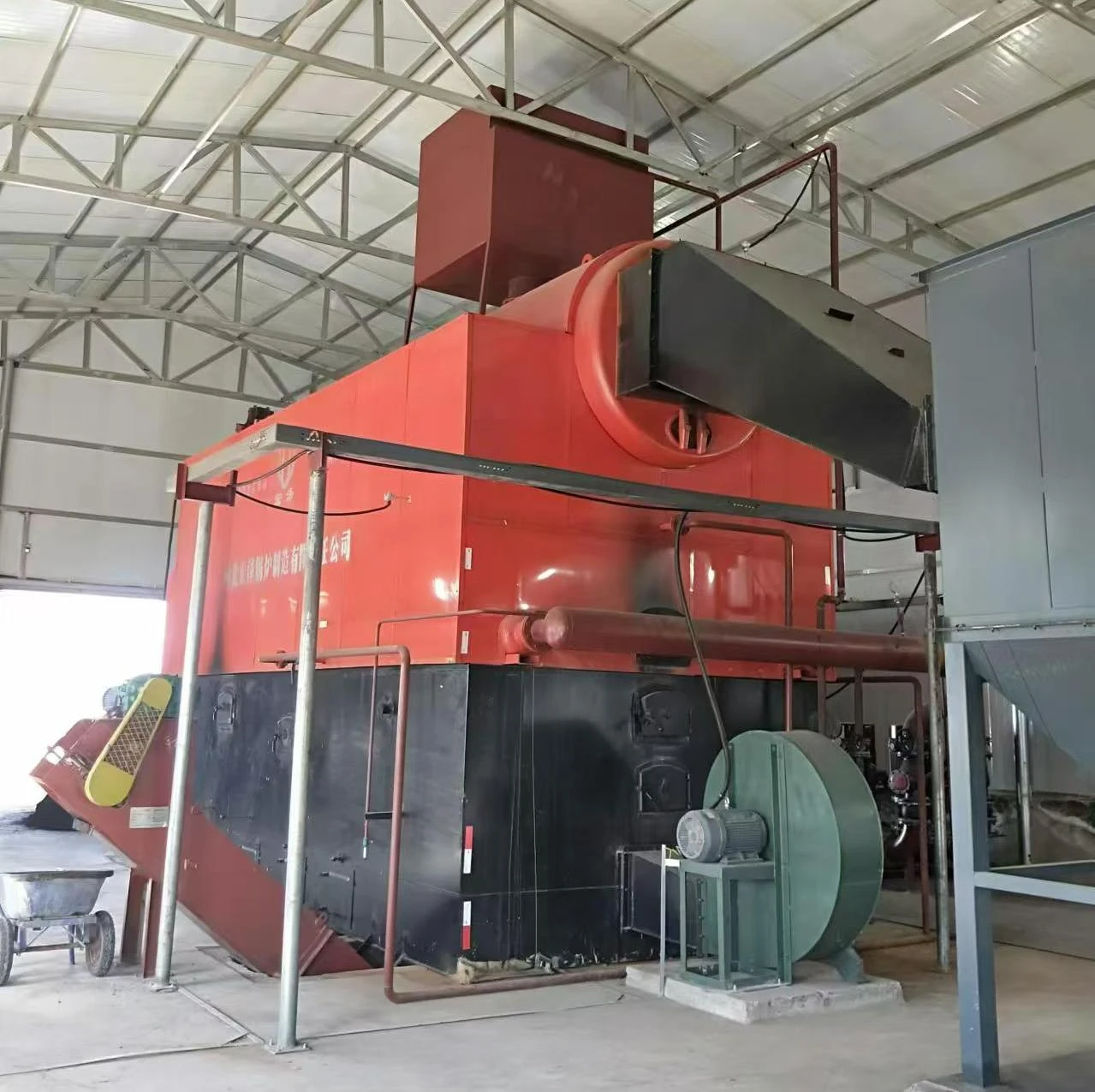
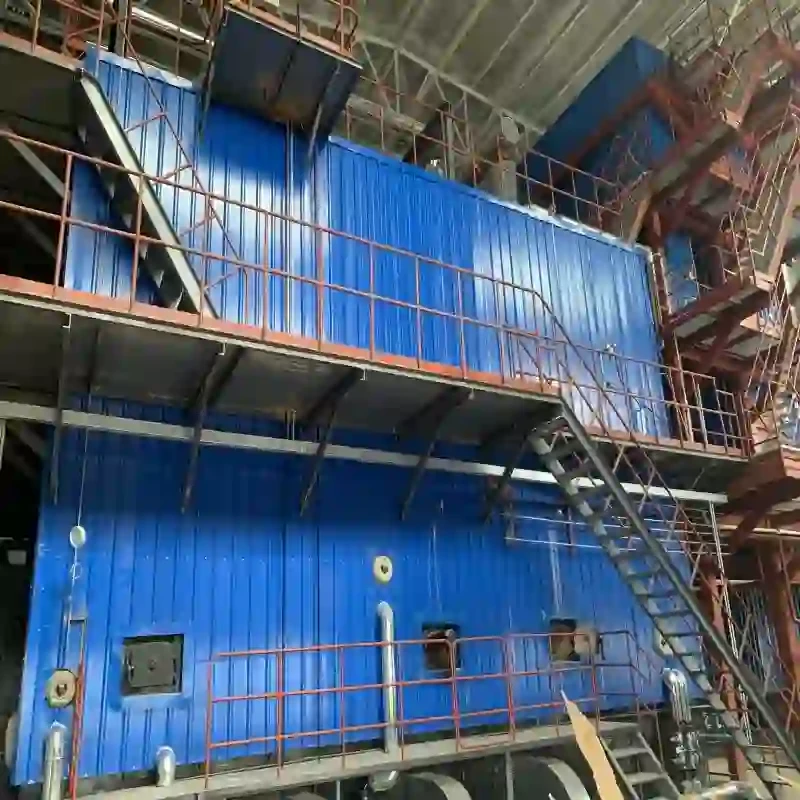
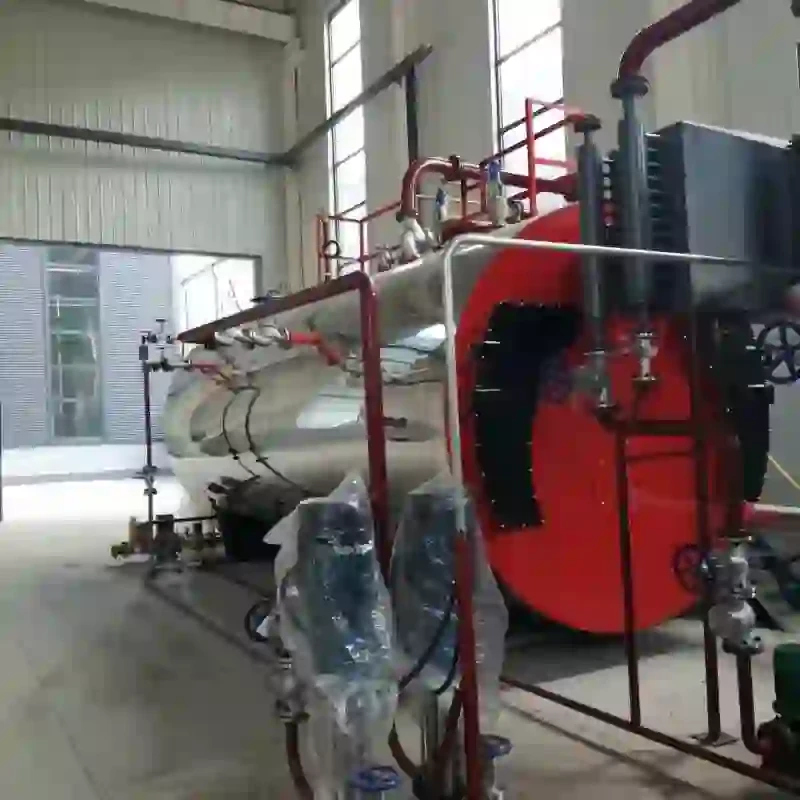
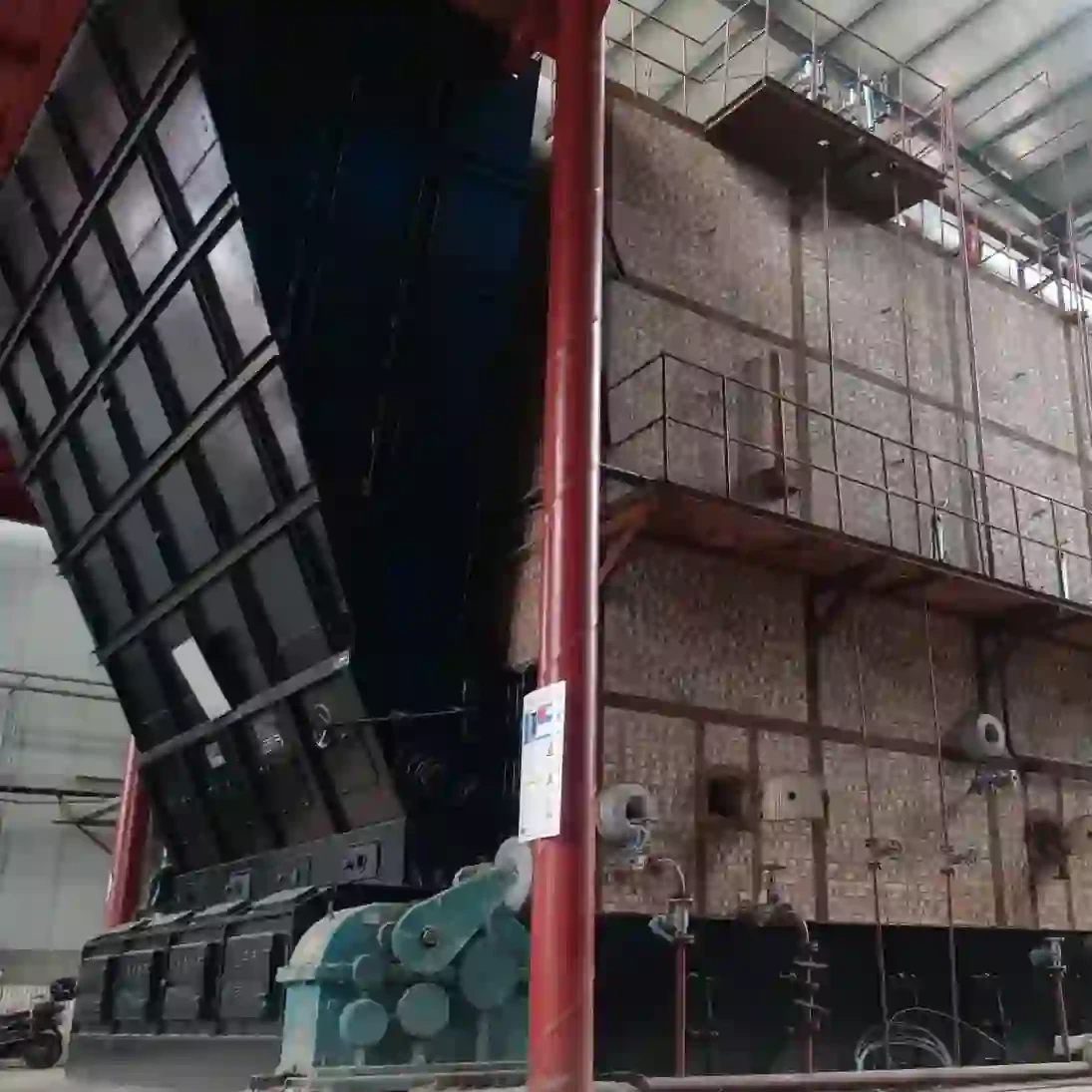
installing a steam boiler

Step 5 Electrical Connections
The next step involves making electrical connections. Consult a licensed electrician to handle this process, as safety is paramount. All electrical components must comply with local regulations to ensure safe operation. Once the connections are made, the boiler control system should be tested for proper functionality.
Step 6 Water Treatment
Water quality plays a pivotal role in the efficiency and longevity of steam boilers. Before adding water to the boiler, it is advisable to treat it to remove impurities that could lead to corrosion or scaling. Use a water treatment program consisting of softeners, chemicals, and conditioning agents.
Step 7 Testing and Commissioning
After installation, conduct a thorough inspection to ensure all connections are secure and that everything is in place. Perform a pressure test to check for leaks and ensure the system can handle the desired operational pressure. Finally, perform a startup procedure using a manufacturer’s checklist to ensure every component functions optimally.
Step 8 Regular Maintenance
Once the steam boiler is operational, establishing a maintenance schedule is crucial. Regular maintenance—such as checking water levels, cleaning burners, and testing safety valves—ensures efficient and safe operation. Always adhere to the manufacturer’s recommendations for maintenance intervals.
Conclusion
Installing a steam boiler is a complex process that requires careful planning, adherence to safety standards, and a solid understanding of boiler mechanics. By following these essential steps and prioritizing safety, you can ensure that your steam boiler operates effectively and efficiently for years to come. Remember, while some aspects of the installation may be manageable on your own, it’s advisable to consult with professionals for any electrical or plumbing work to guarantee compliance with safety regulations. With the right approach, your steam boiler installation can be the foundation for efficient heating and power generation in your facility.
-
High-Efficiency Commercial Oil Fired Steam Boiler for Industry
NewsJul.30,2025
-
High-Efficiency Biomass Fired Thermal Oil Boiler Solutions
NewsJul.30,2025
-
High Efficiency Gas Fired Thermal Oil Boiler for Industrial Heating
NewsJul.29,2025
-
High-Efficiency Gas Fired Hot Water Boiler for Sale – Reliable & Affordable
NewsJul.29,2025
-
High Efficiency Biomass Fired Hot Water Boiler for Industrial and Commercial Use
NewsJul.29,2025
-
High-Efficiency Biomass Fired Hot Water Boiler for Industrial Use
NewsJul.28,2025


 English
  Arabic
  Bengali
  French
  German
  Hindi
Hindi  Indonesian
  Kazakh
  Khmer
Khmer  Korean
  Kyrgyz
  Lao
Lao  Latin
Latin  Mongolian
  Nepali
  Russian
  Turkish
  Turkmen
  Uzbek
Uzbek