




Dec . 05, 2024 14:04 Back to list
Efficient Large Scale Hot Water Boiler Solutions for Industrial Applications
Large Hot Water Boilers A Comprehensive Overview
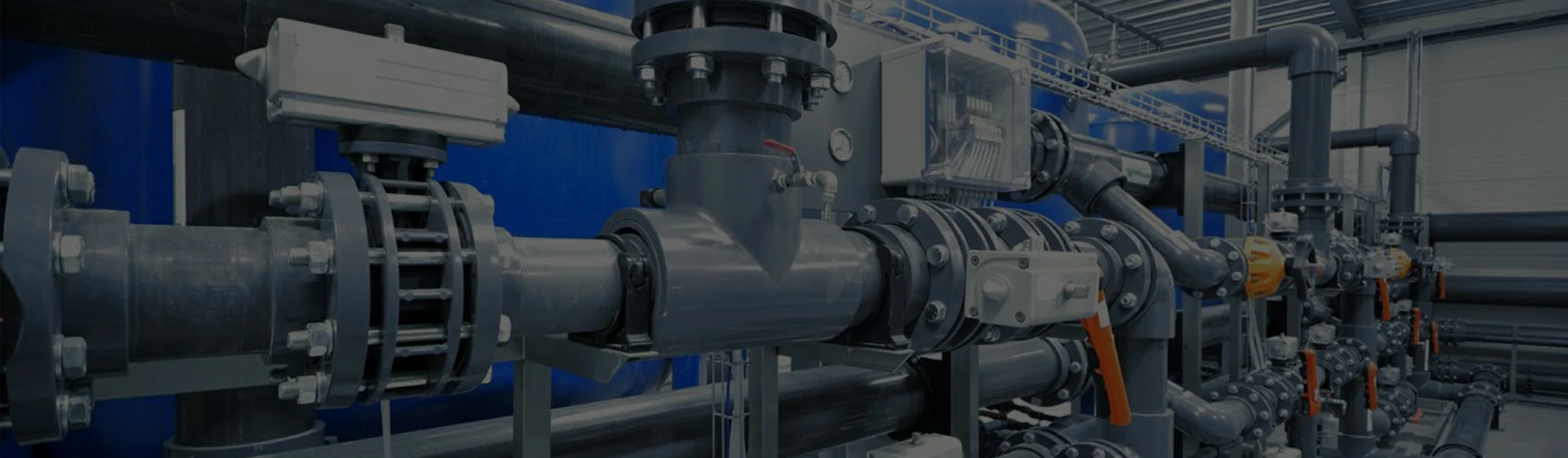
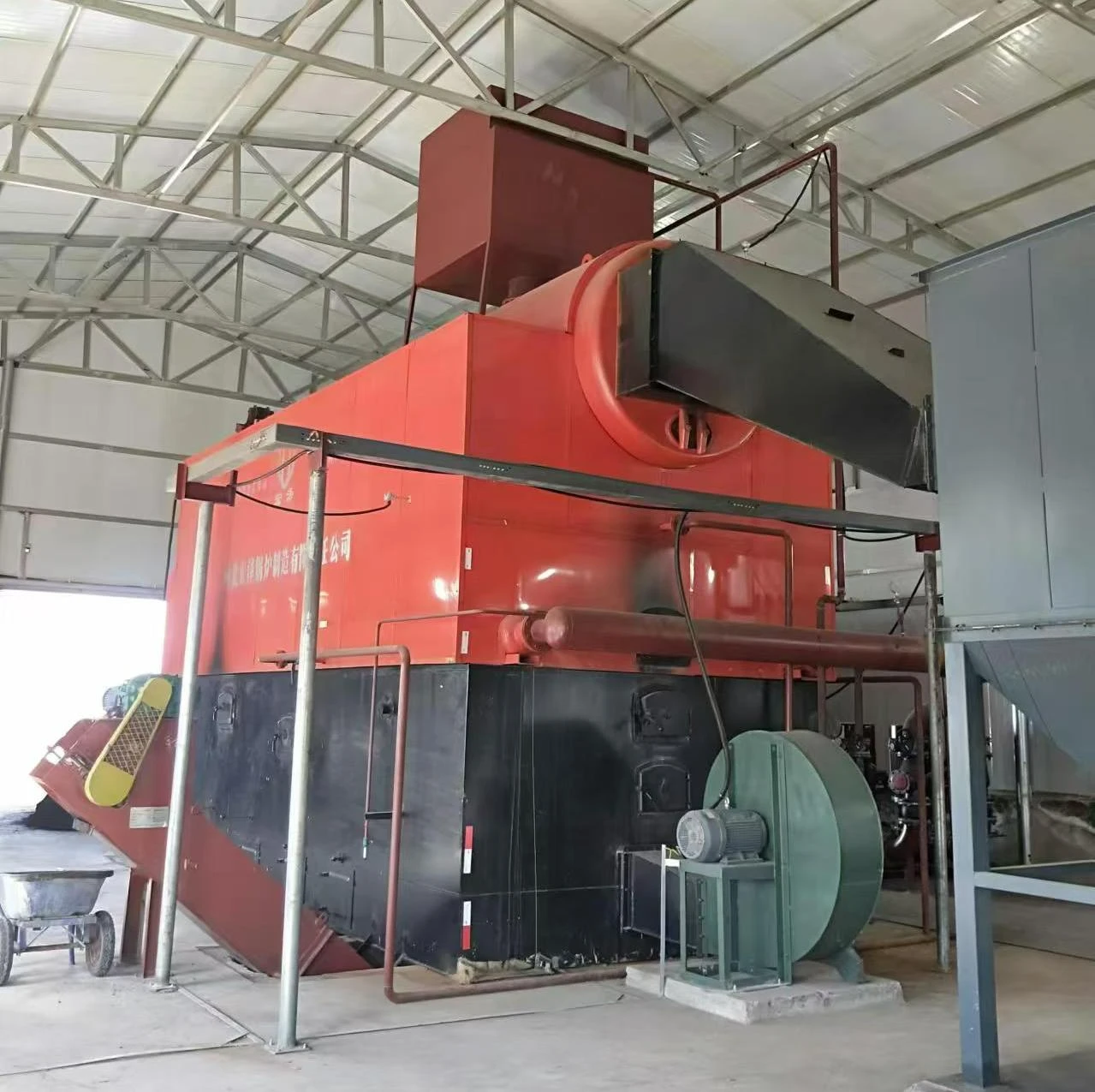
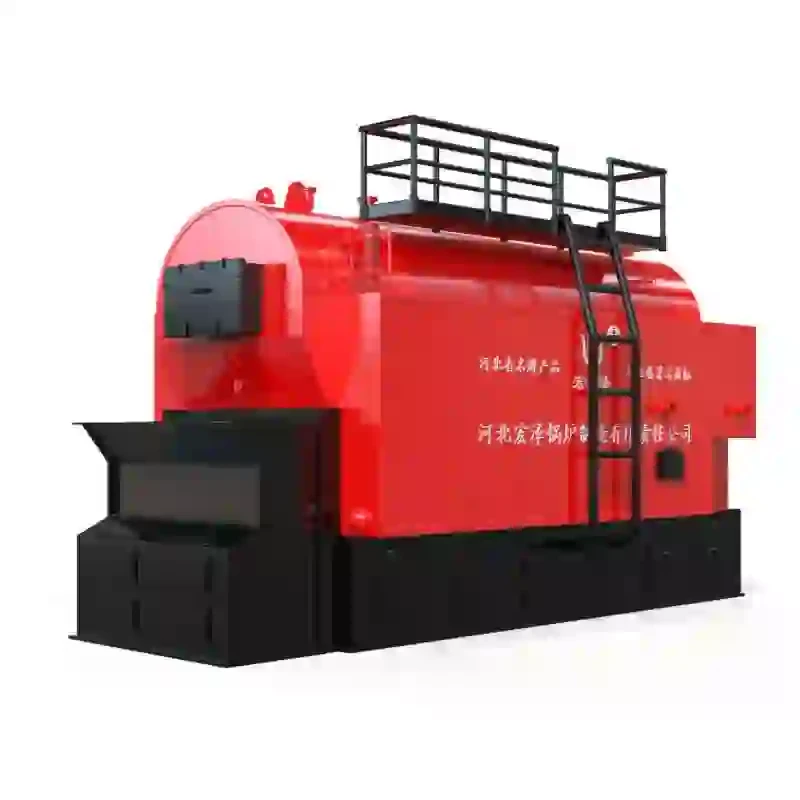
In various industrial applications, the efficiency and reliability of a hot water boiler are paramount. Large hot water boilers play a crucial role in providing heat and hot water, serving a wide range of sectors including manufacturing, hospitality, healthcare, and many more. Understanding their design, functionality, and maintenance requirements is essential for optimizing performance and ensuring longevity.
Understanding Large Hot Water Boilers
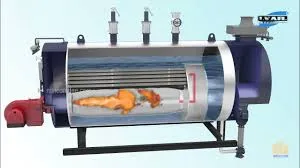
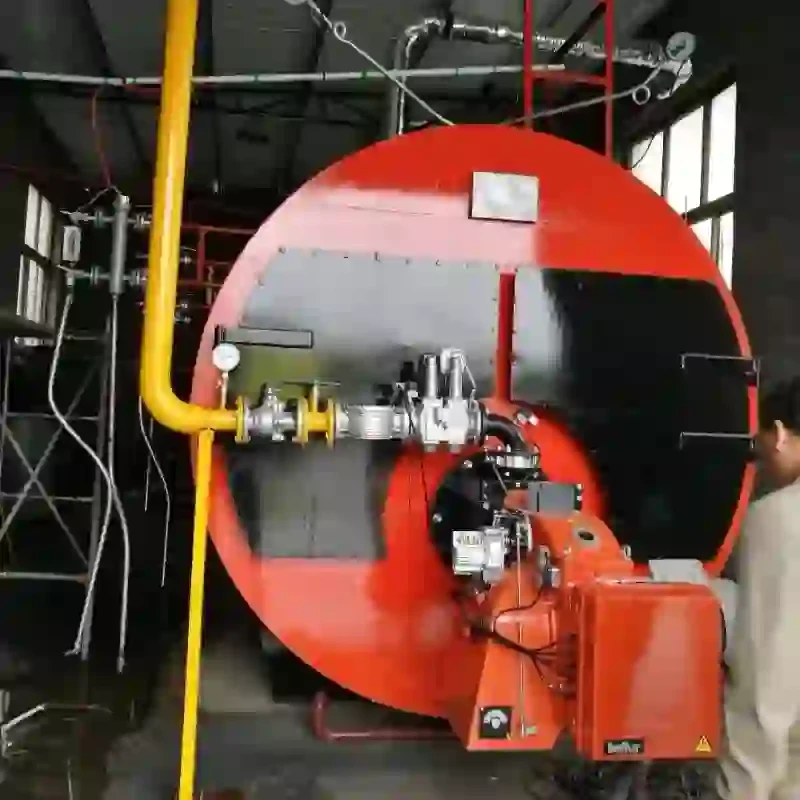
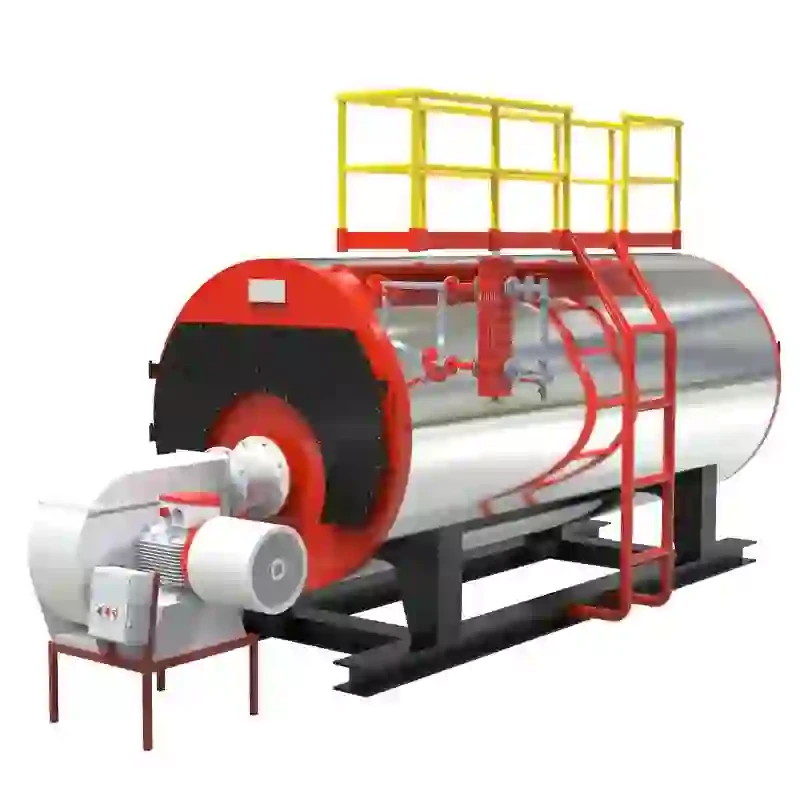
Large hot water boilers are designed to generate hot water for heating purposes and are capable of producing substantial amounts of hot water efficiently. These boilers come in various types, including fire-tube, water-tube, and electric boilers. Fire-tube boilers are characterized by their design in which hot gases pass through tubes surrounded by water. In contrast, water-tube boilers circulate water through tubes heated by flames. Electric boilers, meanwhile, use electric heating elements to warm water efficiently.
The size and capacity of these boilers can vary significantly, ranging from small units capable of producing a few thousand BTUs per hour to massive installations that can deliver millions of BTUs. The selection of a proper boiler size depends on the specific needs of the facility it serves, accounting for factors such as peak demand, load calculations, and system efficiency.
Efficiency and Performance
Efficiency is a critical factor in the performance of large hot water boilers. Modern boilers are engineered to maximize energy use while minimizing waste. They incorporate advanced technologies such as condensing heat exchangers and variable speed fans, which help to recapture and utilize waste heat. These features not only reduce fuel consumption but also lower greenhouse gas emissions, making them environmentally friendly options.
Moreover, the overall performance of a hot water boiler is influenced by the quality of its components and materials. High-grade stainless steel and carbon steel are commonly used to enhance durability and resistance to corrosion, which is vital for maintaining efficiency over time.
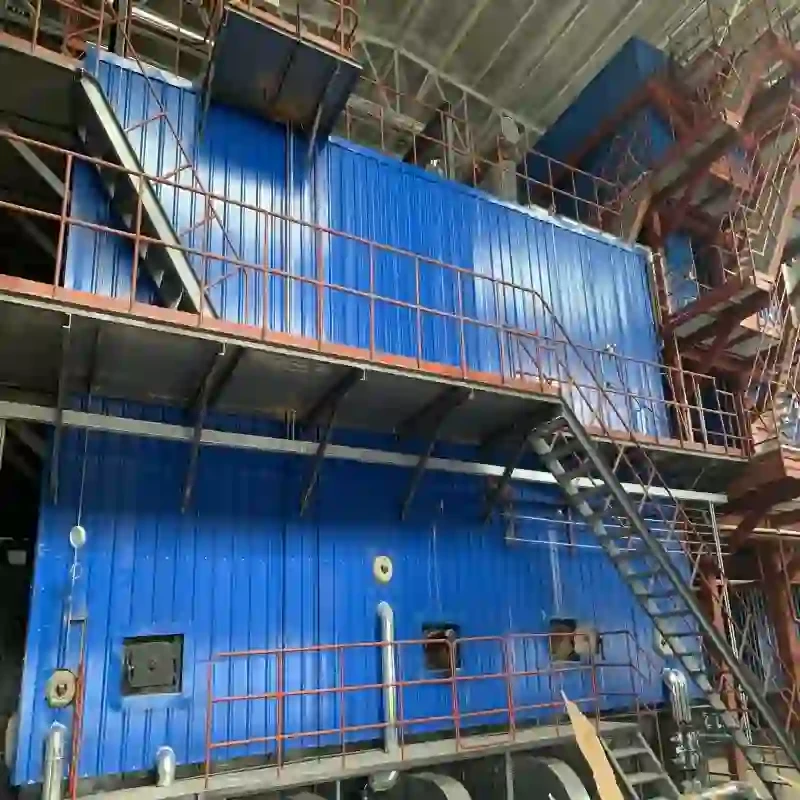
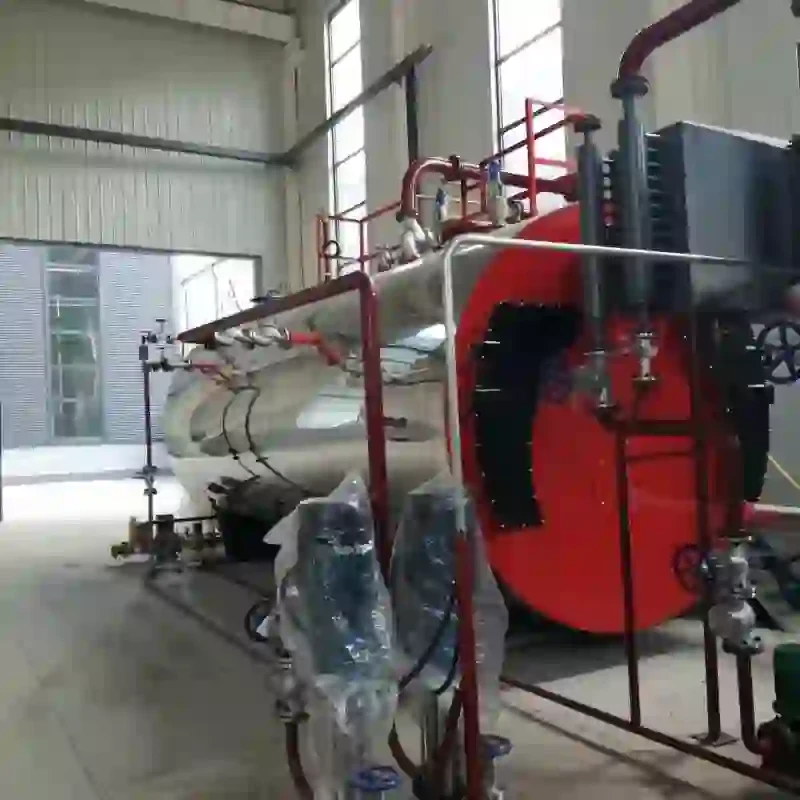
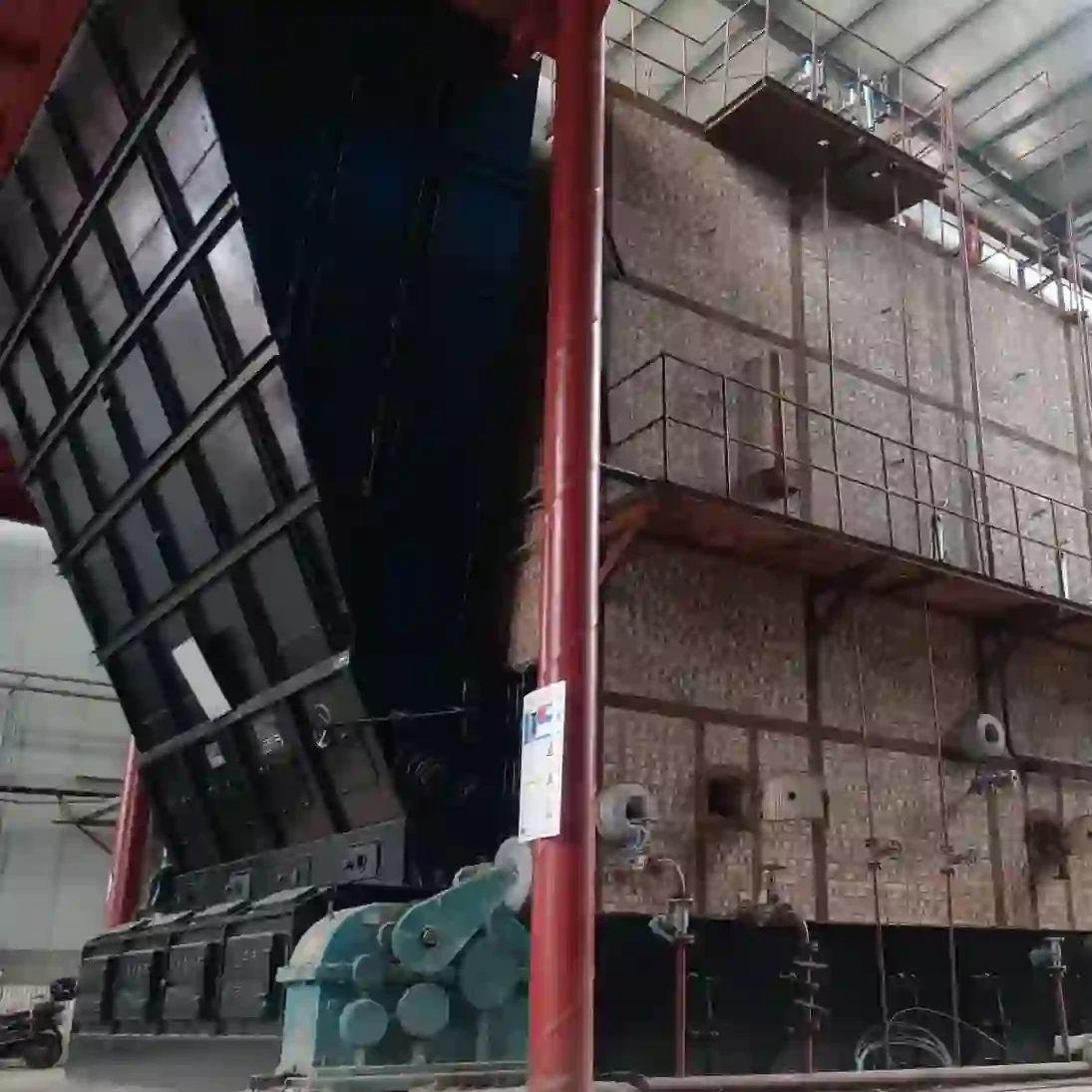
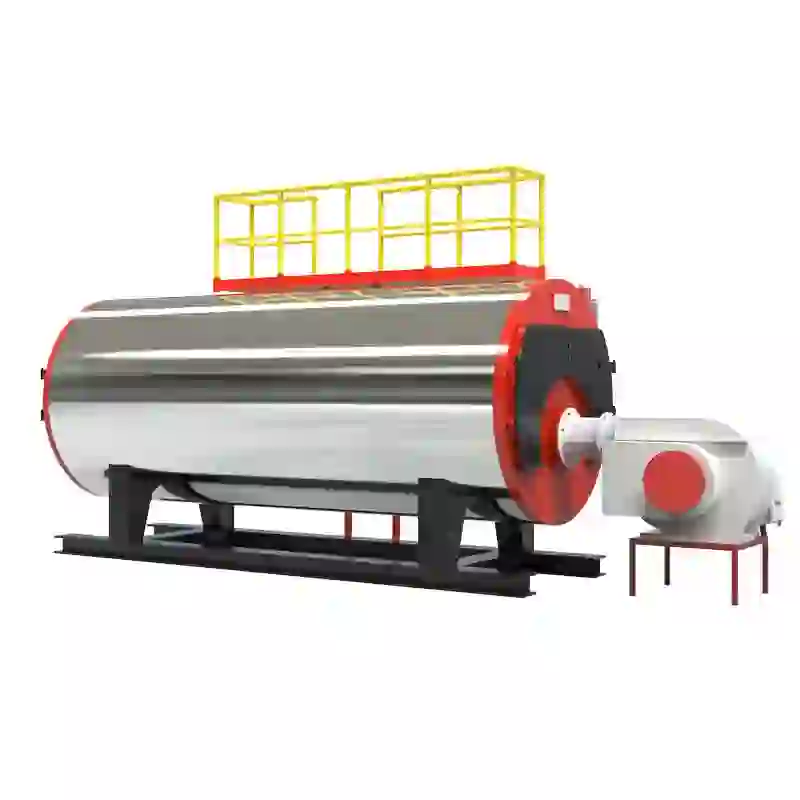
large hot water boiler
Installation and Maintenance
Installing a large hot water boiler requires careful planning and consideration of local codes and regulations. It's essential to work with qualified professionals who understand the complexities of boiler systems and can ensure a proper setup. The installation process involves several stages including site assessment, system design, and calibration to ensure optimal performance.
Maintenance is equally important to prolonging the life of a large hot water boiler. Regular inspections and servicing help to identify potential issues before they escalate. Tasks such as checking for leaks, inspecting the combustion process, cleaning heat exchangers, and monitoring water quality are crucial. It is recommended to establish a maintenance schedule, ideally working with certified technicians who can perform detailed assessments and necessary repairs.
Applications of Large Hot Water Boilers
The applications of large hot water boilers are vast. In the manufacturing sector, they provide steam and hot water for processes such as sterilization, heating materials, and cleaning. In the hospitality industry, they supply hot water for showers, kitchens, and laundry services. In healthcare, they are vital for sterilization processes and providing safe hot water for patient care.
As the demand for energy efficiency continues to rise, investments in advanced large hot water boilers are becoming more prevalent. Facilities are increasingly opting for systems that reduce operational costs while adhering to sustainability goals.
Conclusion
In summary, large hot water boilers are indispensable assets in numerous industries. Their ability to provide reliable hot water and heat efficiently influences operational effectiveness and overall productivity. Understanding their workings, maintenance needs, and applications can help organizations make informed decisions while maximizing the benefits of their boiler systems. As technology evolves, the future of large hot water boilers appears bright, promising even greater efficiency and sustainability.
-
Hot Water Boiler Working Principle Explained: Efficiency, Applications, and Innovations
NewsDec.03,2025
-
Hot Water Boiler Design: Global Insights, Innovations, and Applications
NewsDec.03,2025
-
Understanding Hot Water Heat Boiler Replacement Cost: Factors, Benefits & Trends
NewsDec.03,2025
-
1 Million BTU Steam Boiler - Efficient Steam Solutions for Industry
NewsDec.02,2025
-
250 000 BTU Steam Boiler: Comprehensive Guide to Industrial Steam Power
NewsDec.02,2025
-
What You Need to Know About the 300 000 BTU Steam Boiler: Efficiency & Applications
NewsDec.02,2025


 English
 Arabic
 Bengali
 French
 German
 Hindi
 Indonesian
 Kazakh
 Khmer
 Korean
 Kyrgyz
 Lao
 Latin
 Mongolian
 Nepali
 Russian
 Turkish
 Turkmen
 Uzbek


