





Sep . 23, 2024 00:12 Back to list
oil fired steam boiler supplier
The Advantages of Oil-Fired Steam Boilers in Industrial Applications
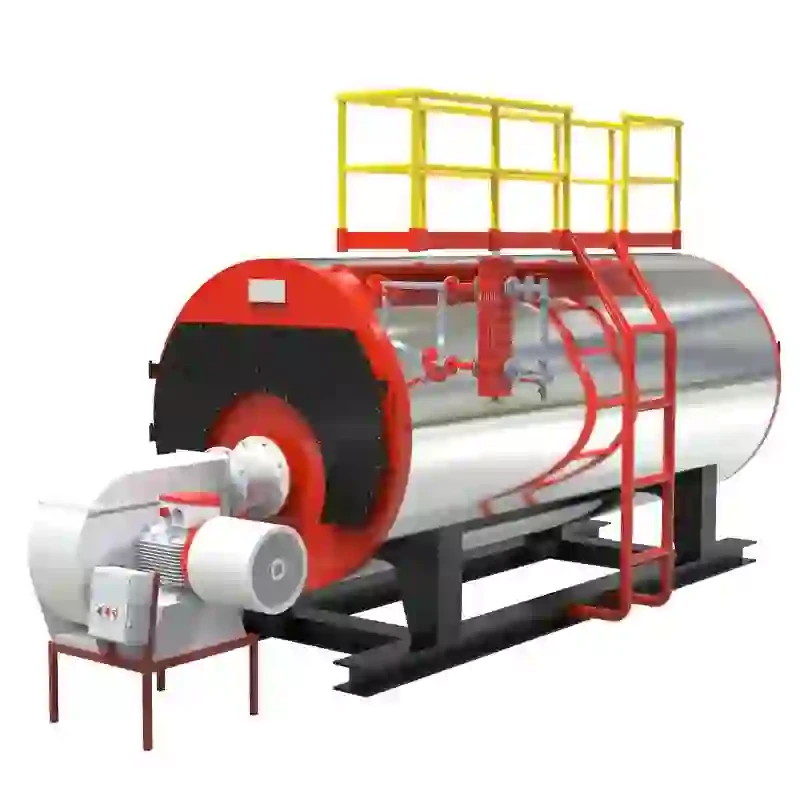
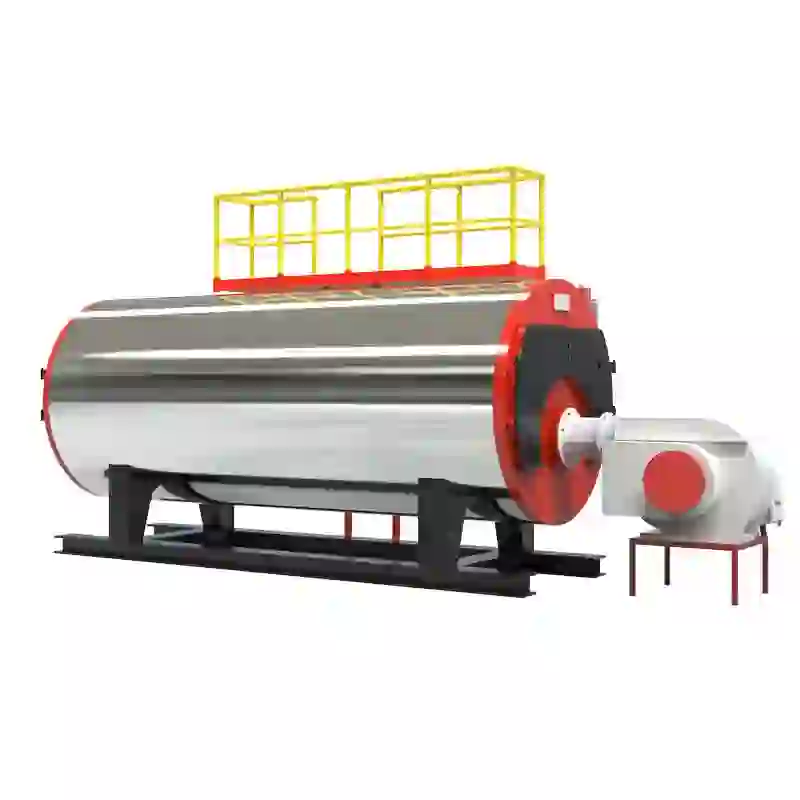
Oil-fired steam boilers play a critical role in various industrial applications, providing reliable and efficient steam generation for numerous processes. Unlike their natural gas counterparts, oil-fired boilers offer a number of advantages that can make them the preferred choice for specific industries and regions. This article explores the key benefits of oil-fired steam boilers and why companies might choose them over other fuel sources.
The Advantages of Oil-Fired Steam Boilers in Industrial Applications
Another significant benefit is fuel availability. In many regions, especially those where natural gas infrastructure is limited or where gas prices fluctuate dramatically, oil can be a more stable and readily available option. Oil is often stored on-site, allowing facilities to manage their fuel supply better and insulate themselves from market volatility. For businesses in remote areas, this can be indispensable, as reliance on external fuel supplies can lead to delays and increased costs.
oil fired steam boiler supplier
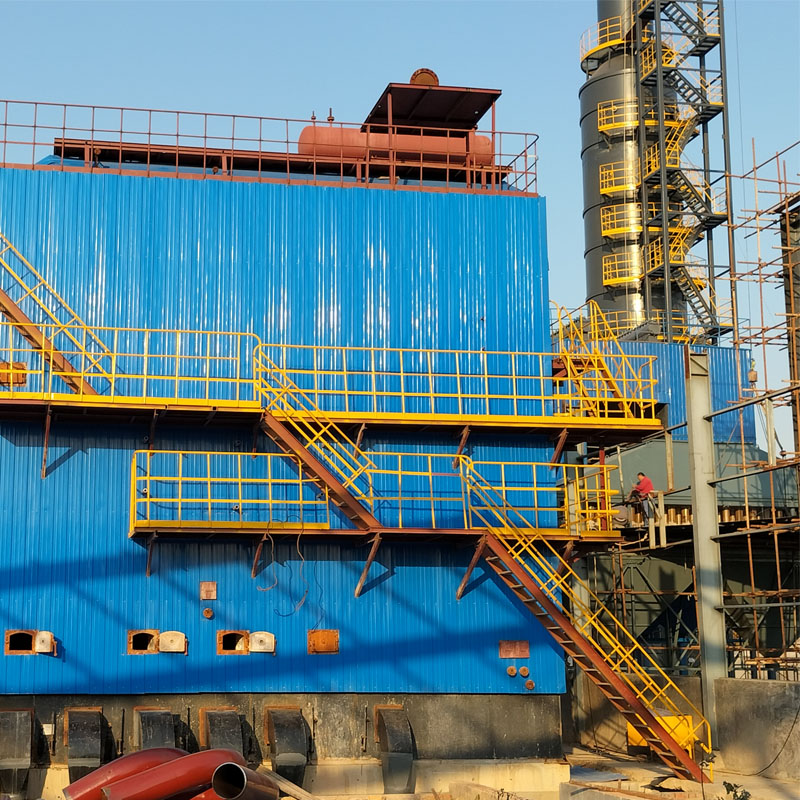
Additionally, oil-fired steam boilers are known for their flexibility and adaptability. They can handle various types of oils, including light and heavy fuel oil. This versatility allows businesses to choose the most cost-effective fuel option based on market conditions. Furthermore, advancements in technology mean that many oil-fired boilers can be retrofitted with newer systems to improve efficiency and compliance with environmental regulations, thus extending their operational lifespan.
From a maintenance perspective, oil-fired steam boilers require regular upkeep, but their design often allows for straightforward maintenance procedures. Many manufacturers provide robust support and spare parts availability, ensuring that any necessary repairs can be conducted quickly to minimize downtime. This reliability is very attractive for industries that cannot afford to halt operations.
Despite concerns over oil prices and environmental impact, advancements in boiler technology have introduced cleaner burning options and improved efficiency. Many modern oil-fired boilers come equipped with pollution control features that significantly reduce emissions of harmful pollutants, thus aligning with regulatory requirements.
In conclusion, oil-fired steam boilers represent a strong option for industries that require dependable steam generation. Their efficiency, availability of fuel, maintenance benefits, and adaptability to varying operational conditions make them a suitable choice for many applications. As industries continue to evolve and demand for sustainable practices increases, oil-fired steam boilers may still hold a pivotal position in the energy landscape, particularly in areas where natural gas is not a feasible solution. Businesses looking to optimize their operations should consider the advantages of incorporating oil-fired steam boilers into their systems.
-
Hot Water Boiler Working Principle Explained: Efficiency, Applications, and Innovations
NewsDec.03,2025
-
Hot Water Boiler Design: Global Insights, Innovations, and Applications
NewsDec.03,2025
-
Understanding Hot Water Heat Boiler Replacement Cost: Factors, Benefits & Trends
NewsDec.03,2025
-
1 Million BTU Steam Boiler - Efficient Steam Solutions for Industry
NewsDec.02,2025
-
250 000 BTU Steam Boiler: Comprehensive Guide to Industrial Steam Power
NewsDec.02,2025
-
What You Need to Know About the 300 000 BTU Steam Boiler: Efficiency & Applications
NewsDec.02,2025




 English
 Arabic
 Bengali
 French
 German
 Hindi
 Indonesian
 Kazakh
 Khmer
 Korean
 Kyrgyz
 Lao
 Latin
 Mongolian
 Nepali
 Russian
 Turkish
 Turkmen
 Uzbek


