




Aug . 29, 2024 22:11 Back to list
High-Efficiency Pressure Steam Boilers | Reliable Solutions for Energy Needs
Understanding Pressure in Steam Boilers
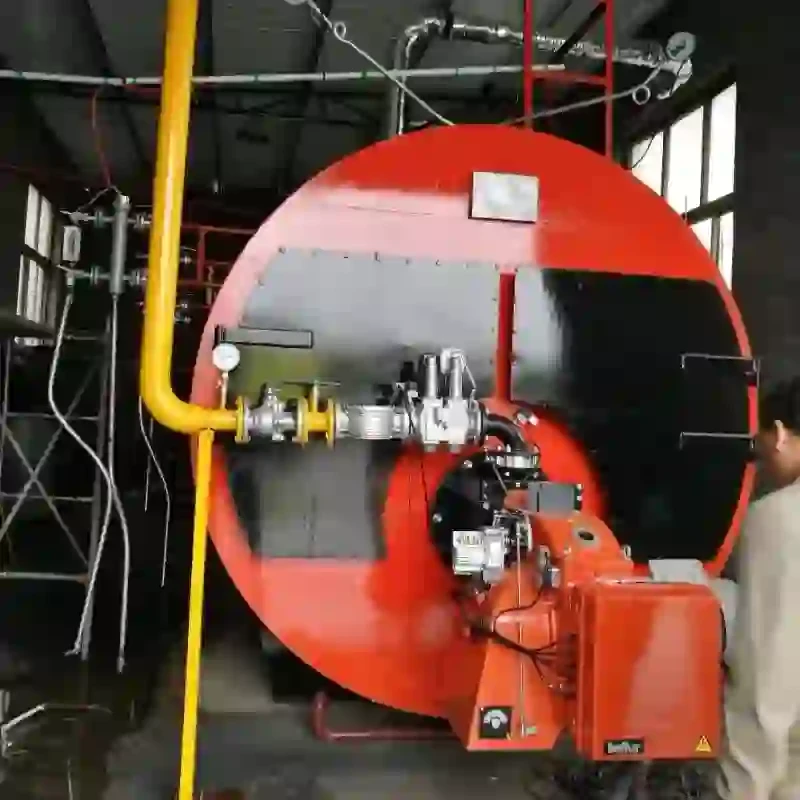
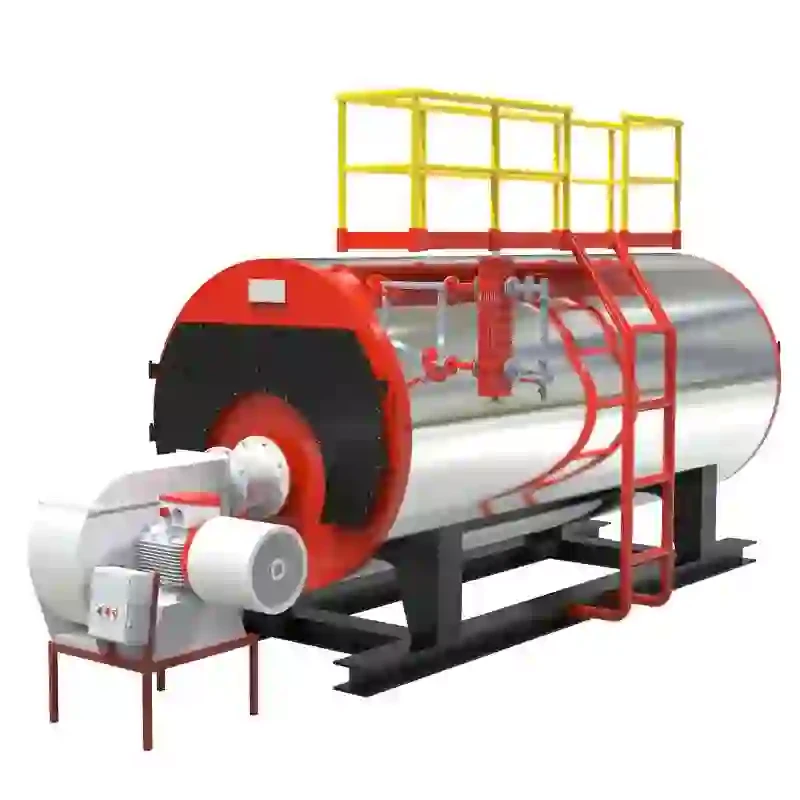
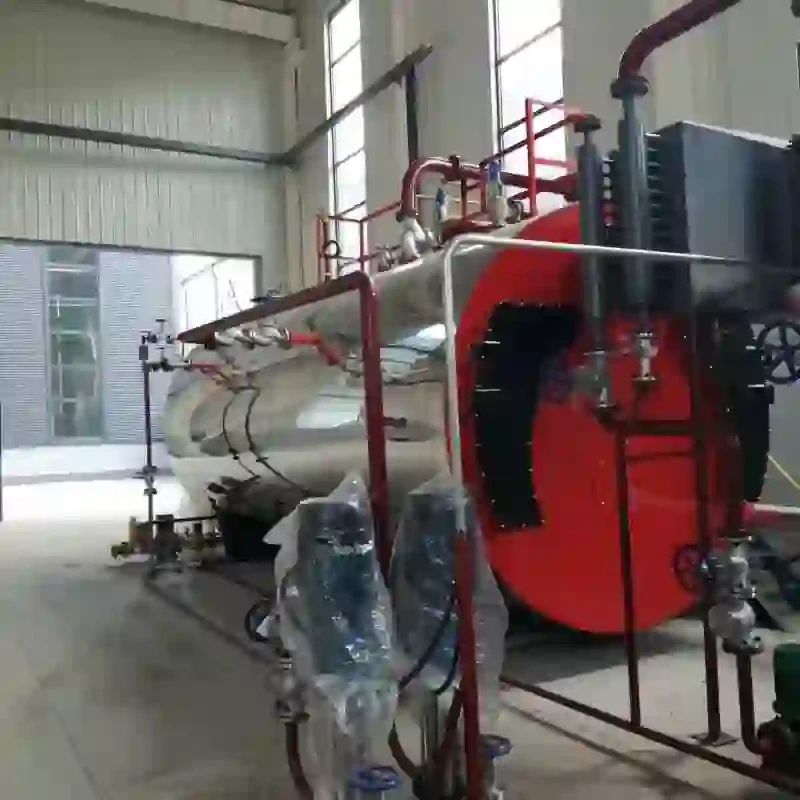
Steam boilers are critical components in many industrial processes, generating steam through the application of heat to water. The efficiency and safety of these systems are heavily influenced by pressure, making it an important factor in boiler operation.
Understanding Pressure in Steam Boilers
The primary purpose of maintaining optimal pressure levels in a steam boiler is to ensure efficient heat transfer and steam production. If the pressure is too low, the boiler may not produce enough steam to meet the demands of the process; conversely, if the pressure is too high, it can lead to safety hazards including explosions or equipment failure. Therefore, boiler operators must closely monitor pressure levels and implement safety mechanisms to manage them effectively.
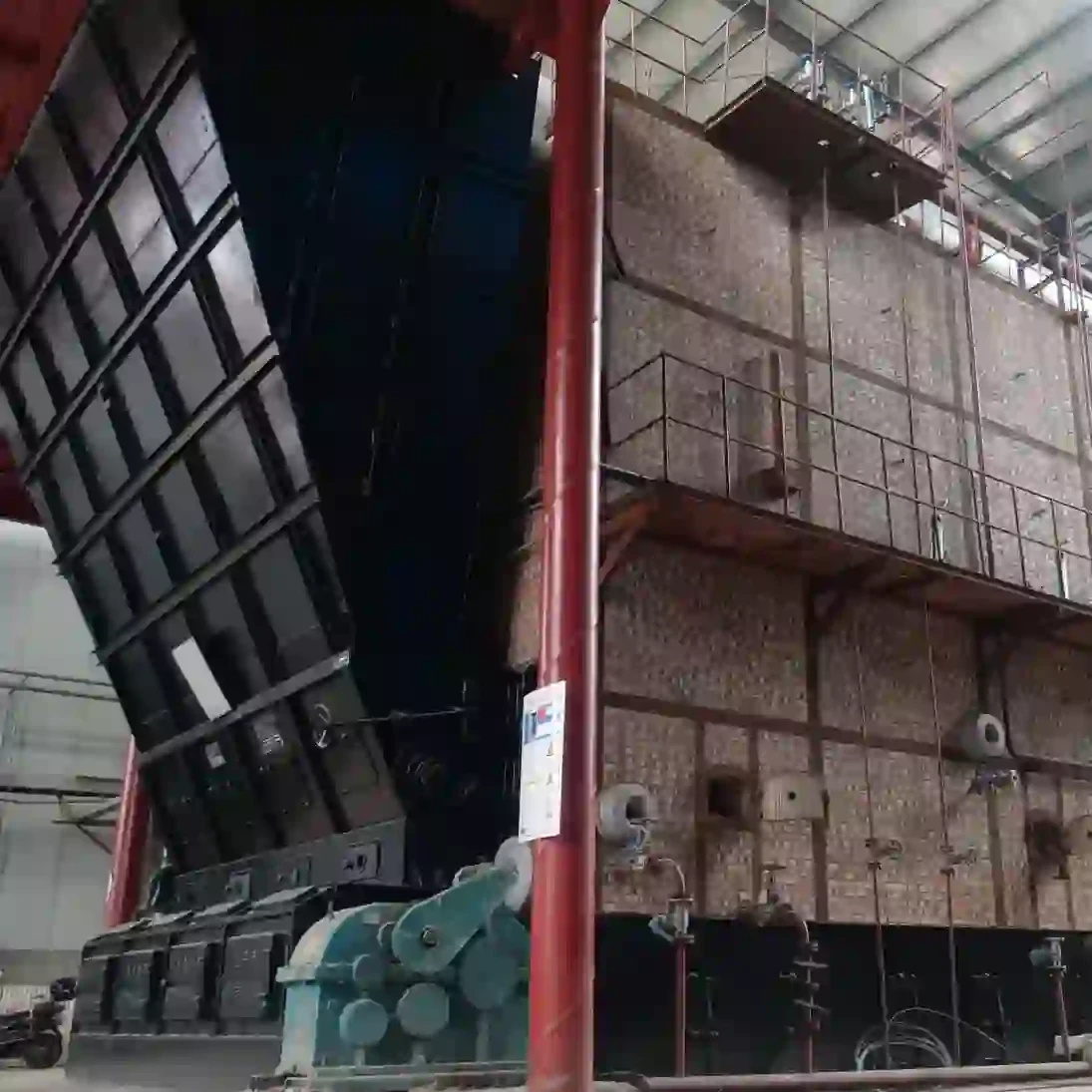
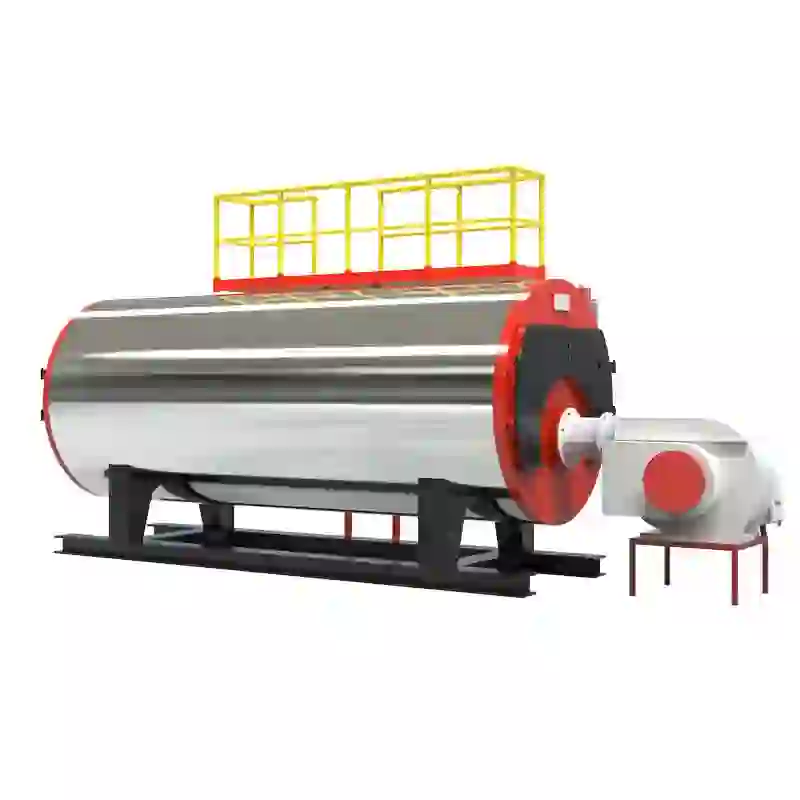
pressure steam boiler
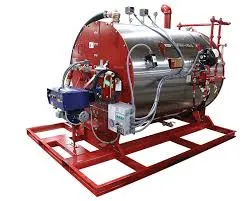
To maintain the desired pressure, steam boilers are equipped with various controls and safety devices. Pressure relief valves, for instance, are critical components designed to release excess steam when the pressure exceeds a certain threshold, preventing potential damage to the boiler and associated systems. Additionally, automatic controls are employed to adjust fuel input and water feed, helping to stabilize pressure within a safe and efficient range.
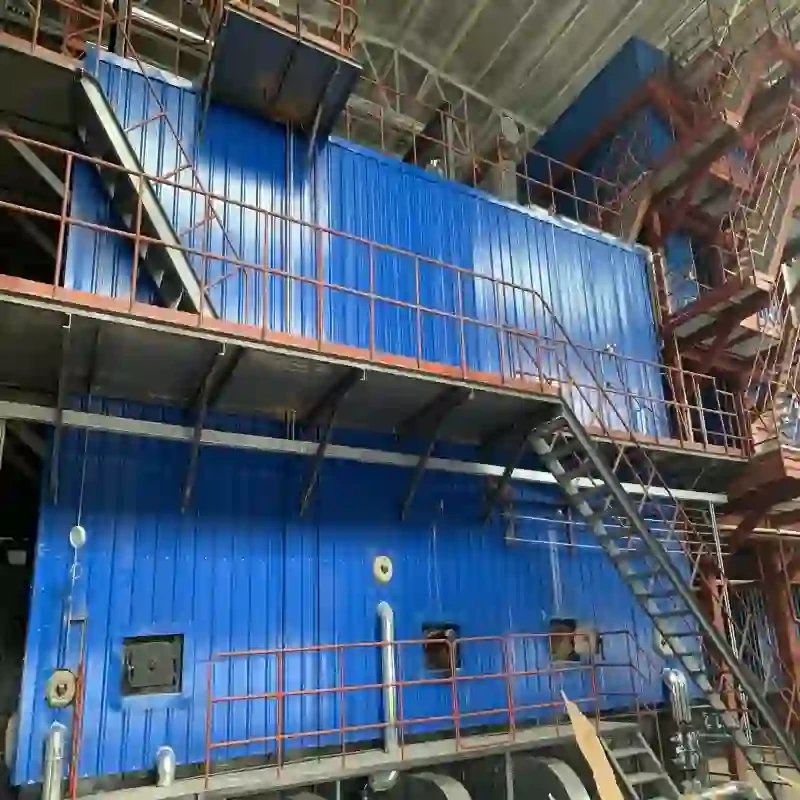
Another important consideration is the type of steam boiler in use. Different boilers, such as fire-tube and water-tube boilers, operate under distinct pressure ranges and have varying capabilities regarding pressure management. Fire-tube boilers typically have lower pressure limits, while water-tube boilers are designed for higher pressures and are suitable for large-scale industrial applications.
In summary, understanding the dynamics of pressure in steam boilers is crucial for their efficient and safe operation. By maintaining optimal pressure levels, operators can ensure effective steam generation while minimizing risks associated with excessive pressure. As industries continue to evolve, the technology surrounding steam boilers will likely advance, further enhancing their efficiency and safety through improved pressure management techniques. Proper training and adherence to safety standards are essential for anyone working with steam systems to ensure both operational success and safety in the workplace.
-
Hot Water Boiler Working Principle Explained: Efficiency, Applications, and Innovations
NewsDec.03,2025
-
Hot Water Boiler Design: Global Insights, Innovations, and Applications
NewsDec.03,2025
-
Understanding Hot Water Heat Boiler Replacement Cost: Factors, Benefits & Trends
NewsDec.03,2025
-
1 Million BTU Steam Boiler - Efficient Steam Solutions for Industry
NewsDec.02,2025
-
250 000 BTU Steam Boiler: Comprehensive Guide to Industrial Steam Power
NewsDec.02,2025
-
What You Need to Know About the 300 000 BTU Steam Boiler: Efficiency & Applications
NewsDec.02,2025


 English
  Arabic
  Bengali
  French
  German
  Hindi
Hindi  Indonesian
  Kazakh
  Khmer
Khmer  Korean
  Kyrgyz
  Lao
Lao  Latin
Latin  Mongolian
  Nepali
  Russian
  Turkish
  Turkmen
  Uzbek
Uzbek 


