




Sep . 22, 2024 23:36 Back to list
steam boiler heating system
Steam Boiler Heating System An Overview
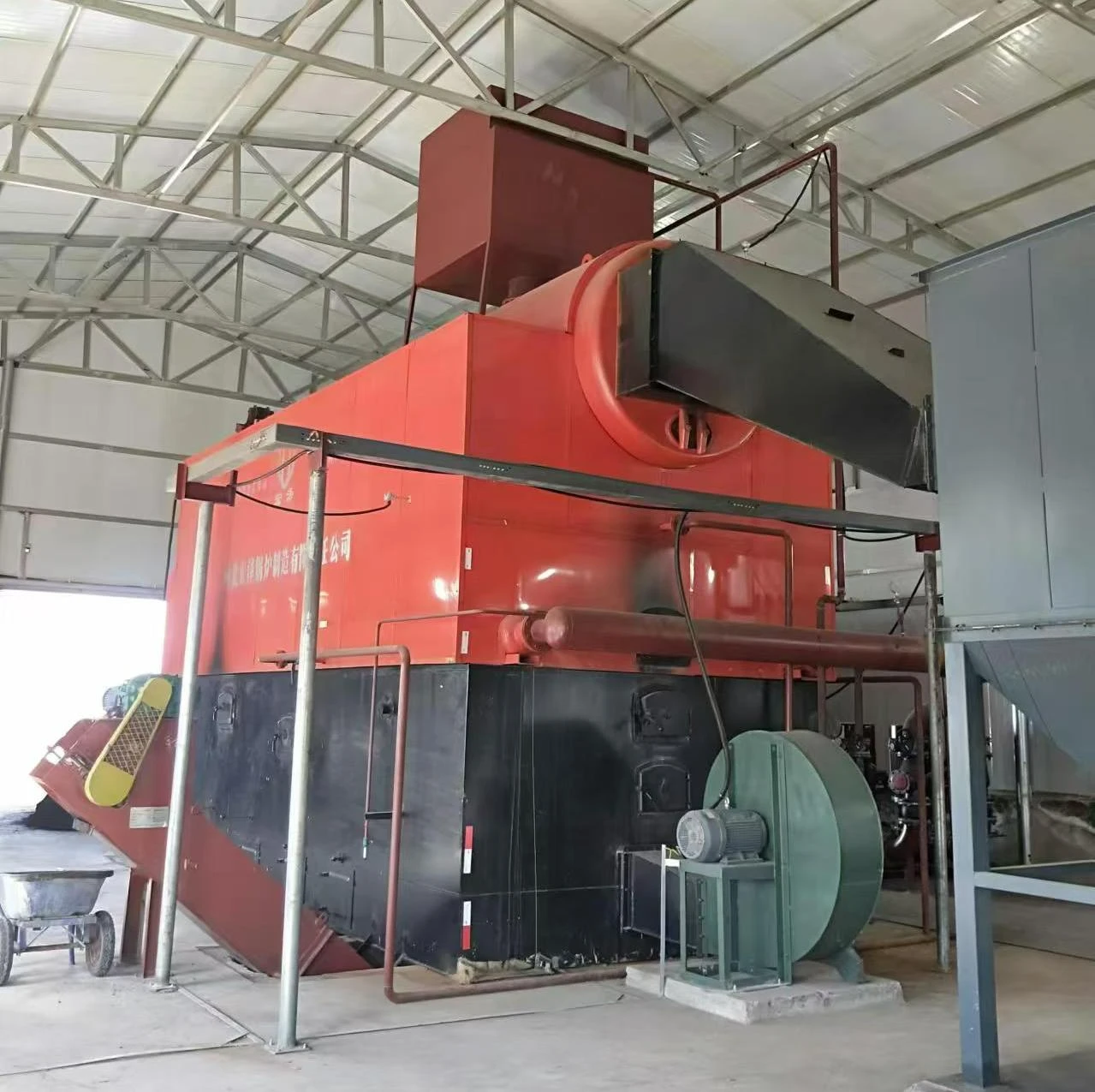
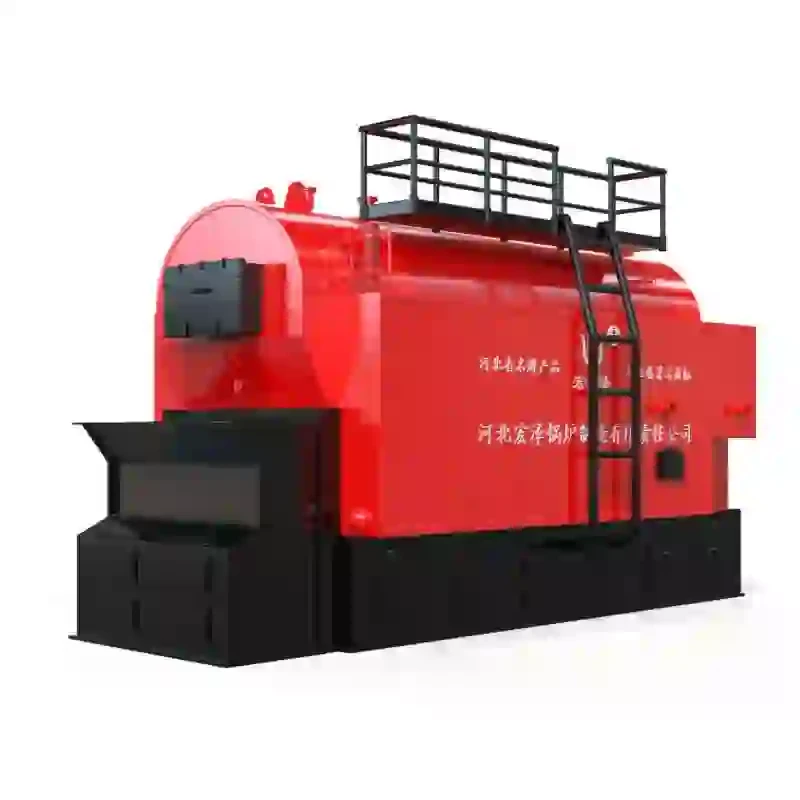
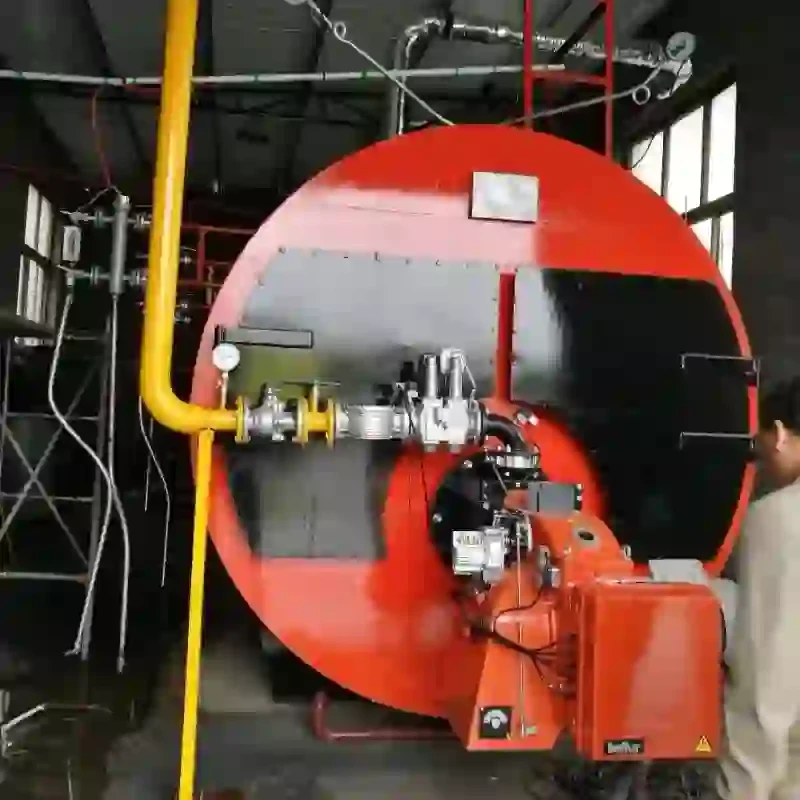
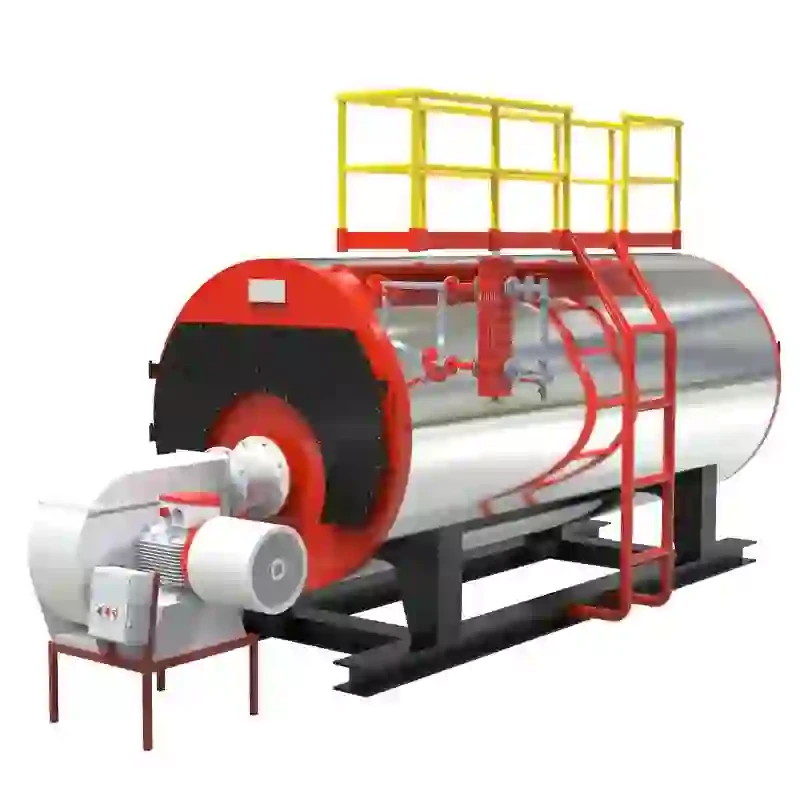
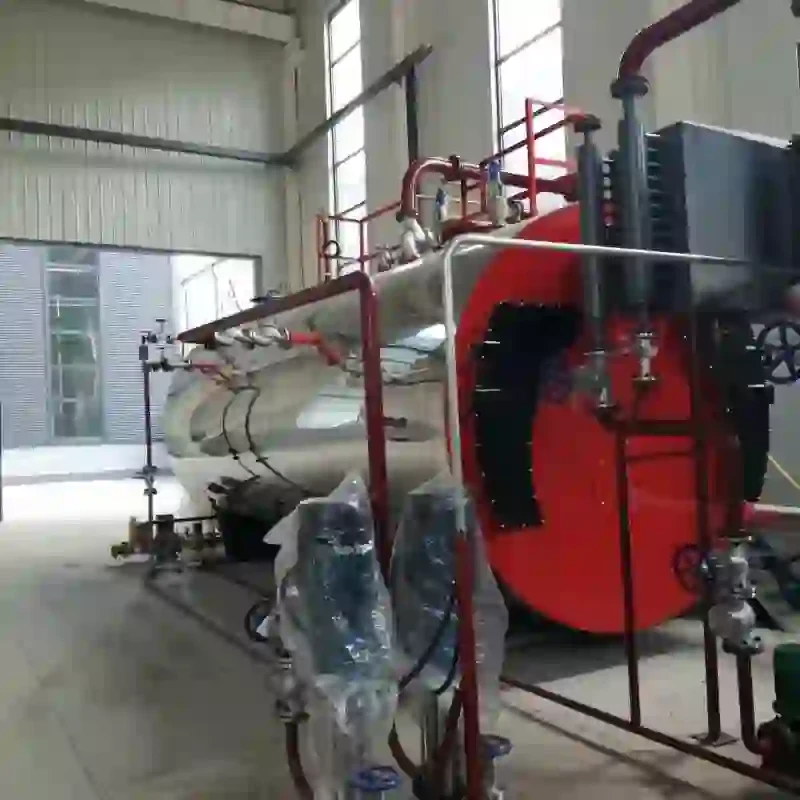
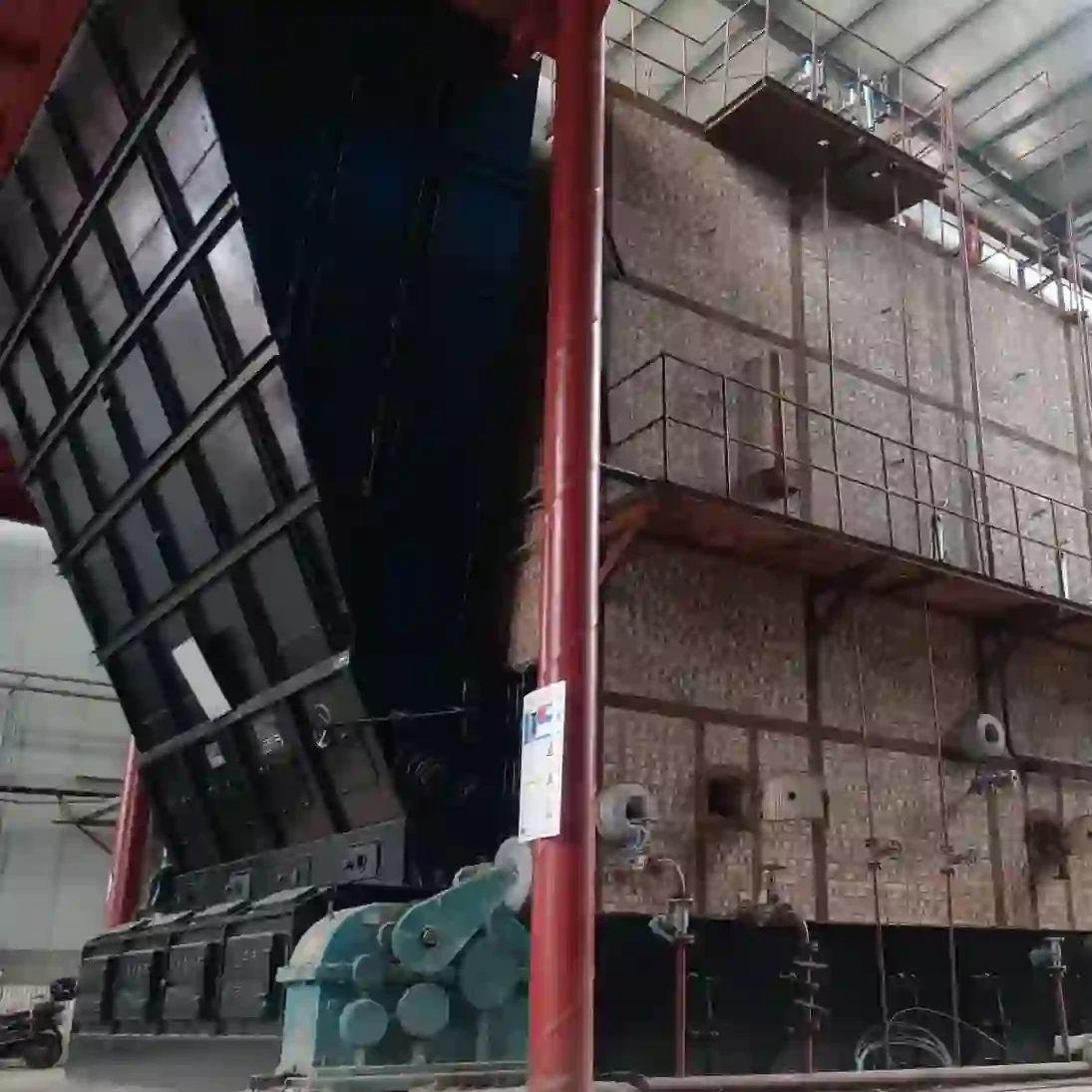
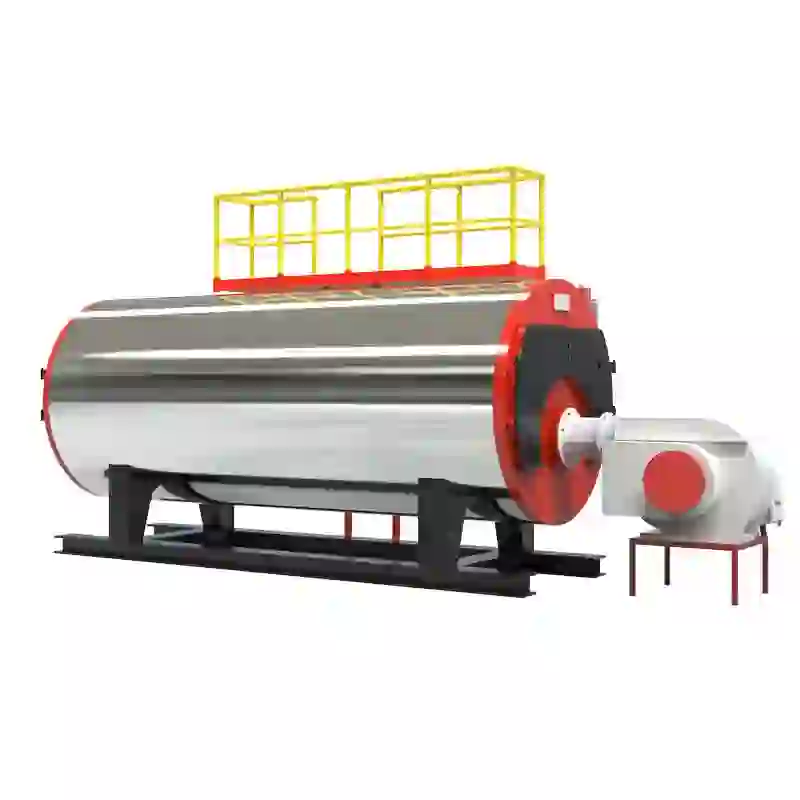
A steam boiler heating system is a critical component in various industrial and commercial settings, providing efficient and effective heating solutions. This system operates by converting water into steam, which is then used for heating purposes or as a power source. The versatility and efficiency of steam boilers make them an ideal choice for numerous applications, from heating buildings to powering engines in steam turbines.
The basic principle of a steam boiler is quite simple. Water is heated in a sealed vessel, where it transforms into steam as the temperature rises. Typically, natural gas, oil, or electricity serves as the fuel source to generate the necessary heat. Once the steam is produced, it travels through a network of pipes to radiators or heat exchangers, where it transfers its heat to the surrounding environment. After releasing its heat, the condensed steam returns to the boiler as water, completing the cycle.
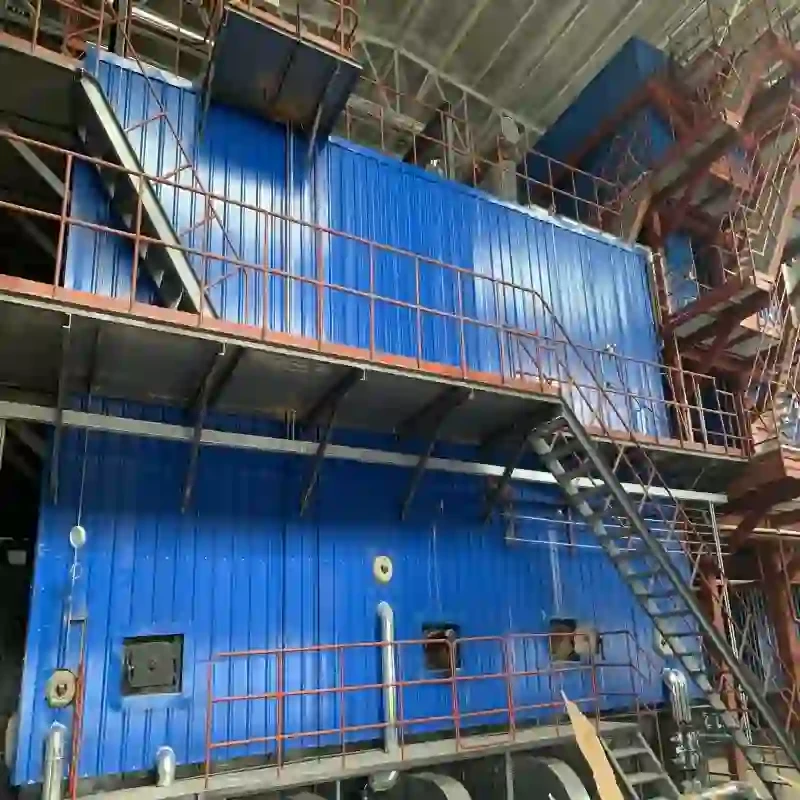
One of the notable advantages of steam heating systems is their ability to provide consistent and uniform heat distribution. Unlike other heating methods that rely on hot air, steam heating allows for a slower, more even heat release. This results in a comfortable atmosphere, free from drafts and cold spots. Additionally, steam heating systems can perform well in large buildings, making them suitable for warehouses, factories, and hospitals.
steam boiler heating system
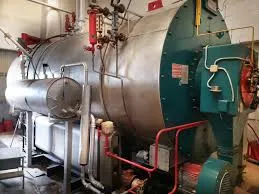
In terms of efficiency, steam boilers are highly effective, particularly in large-scale operations. The high capacity for heat generation allows for reduced fuel consumption, ultimately leading to lower operational costs. Furthermore, modern steam boilers come equipped with advanced controls and monitoring systems, which enhance energy efficiency and optimize performance. This shift towards more technology-driven boilers reflects the industry's commitment to reducing greenhouse gas emissions and promoting sustainability.
However, steam boiler systems also have their challenges. Regular maintenance is crucial to ensure safe and efficient operation. Potential issues, such as pressure build-up, water quality concerns, and corrosion, must be addressed to prevent costly failures. Moreover, operators need to be adequately trained to handle and maintain these systems properly.
In conclusion, steam boiler heating systems play a vital role in heating applications across various sectors. Their efficiency, effectiveness, and ability to maintain comfortable environments make them a preferred choice for many industries. As technology advances, the future of steam heating systems will likely focus on further improvements in efficiency and sustainability, solidifying their place in the modern energy landscape. Understanding the operation and maintenance of these systems is essential for maximizing their benefits and ensuring their longevity.
-
Hot Water Boiler Working Principle Explained: Efficiency, Applications, and Innovations
NewsDec.03,2025
-
Hot Water Boiler Design: Global Insights, Innovations, and Applications
NewsDec.03,2025
-
Understanding Hot Water Heat Boiler Replacement Cost: Factors, Benefits & Trends
NewsDec.03,2025
-
1 Million BTU Steam Boiler - Efficient Steam Solutions for Industry
NewsDec.02,2025
-
250 000 BTU Steam Boiler: Comprehensive Guide to Industrial Steam Power
NewsDec.02,2025
-
What You Need to Know About the 300 000 BTU Steam Boiler: Efficiency & Applications
NewsDec.02,2025


 English
 Arabic
 Bengali
 French
 German
 Hindi
 Indonesian
 Kazakh
 Khmer
 Korean
 Kyrgyz
 Lao
 Latin
 Mongolian
 Nepali
 Russian
 Turkish
 Turkmen
 Uzbek


