




Sep . 22, 2024 10:05 Back to list
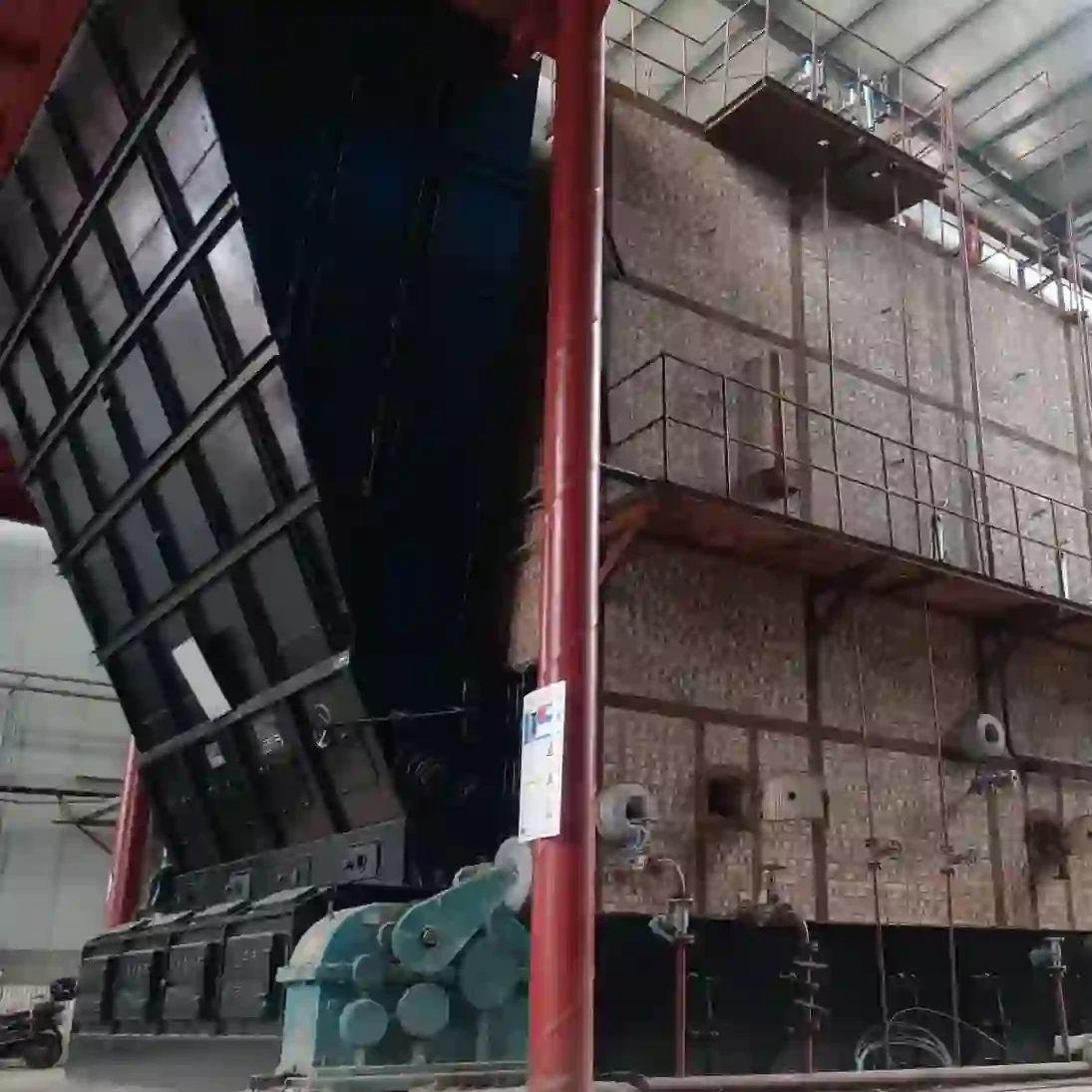
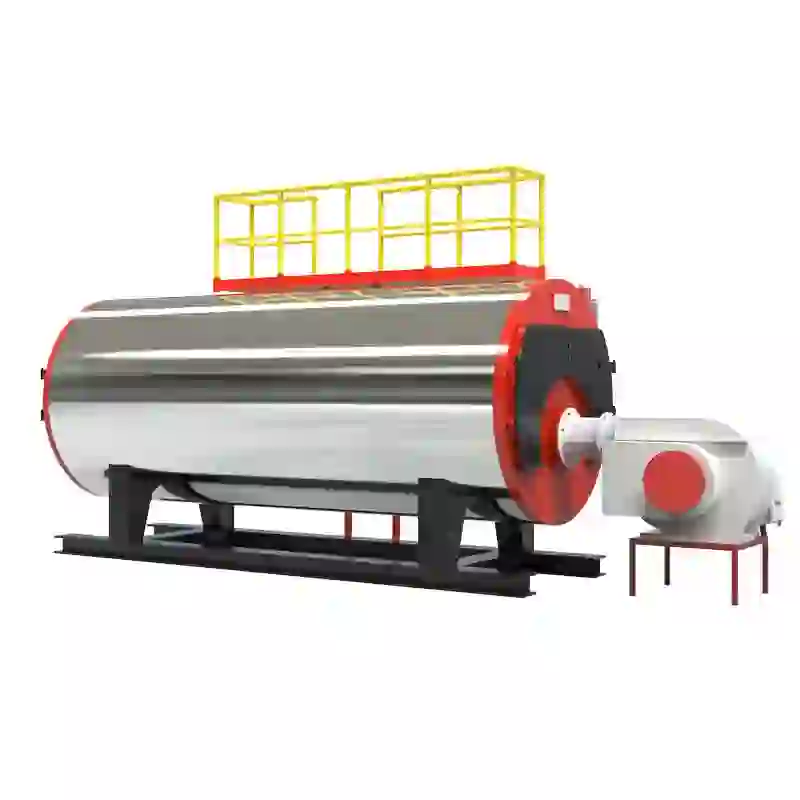
steam boiler maintenance
Steam Boiler Maintenance Essential Practices for Efficiency and Safety
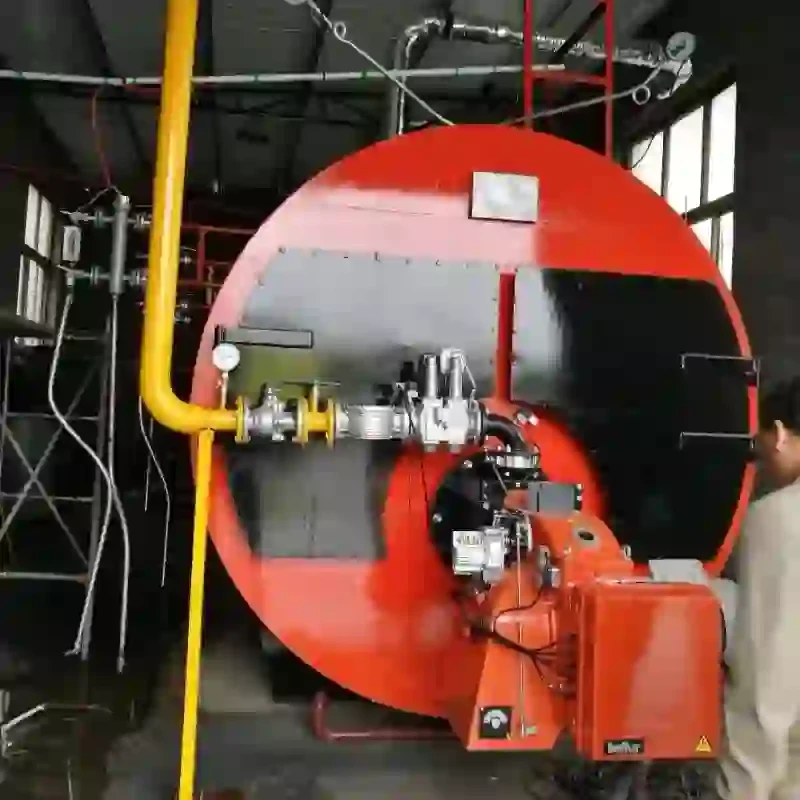
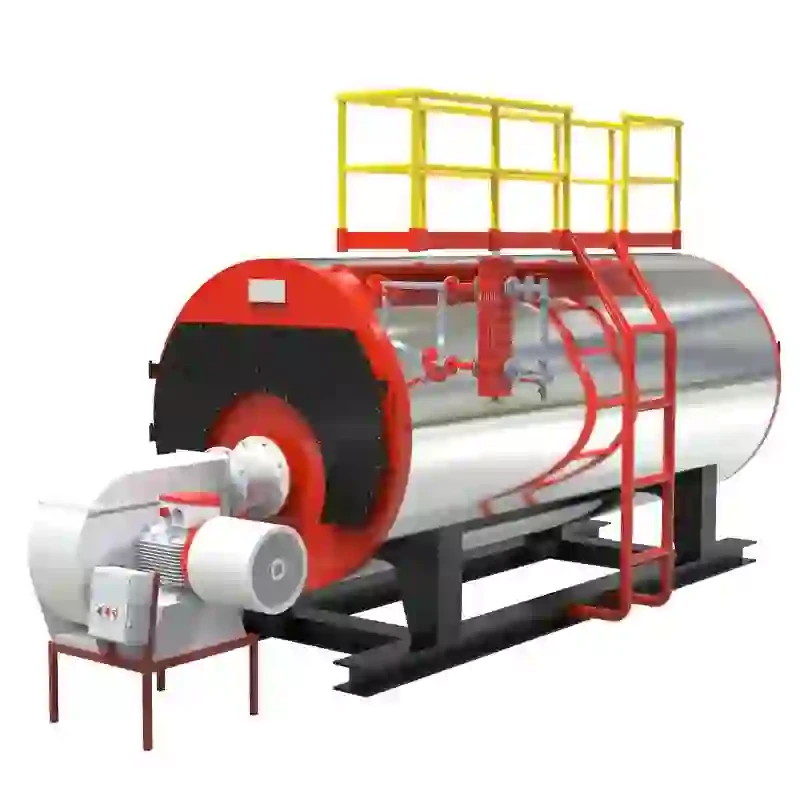
Steam boilers play a crucial role in various industrial processes, providing necessary heat and power. Proper maintenance of these systems is essential not only for optimal performance but also to ensure safety and longevity. Neglecting routine maintenance can lead to inefficiencies, increased energy costs, and even hazardous situations. Here are some essential practices to keep in mind.
Regular Inspections
One of the most important aspects of steam boiler maintenance is conducting regular inspections. A qualified technician should examine the boiler at least once a year, checking for signs of wear, corrosion, and other potential issues. During these inspections, components such as pressure gauges, safety valves, and blow-off valves should be assessed to ensure they function correctly. Keeping a detailed log of inspections can help track maintenance history and identify recurring problems.
Water Treatment
The quality of water used in a steam boiler is critical to its performance. Poor water quality can lead to scale buildup, corrosion, and ultimately, boiler failure. Implementing a water treatment program can help mitigate these issues. This typically involves the addition of chemicals to inhibit scale formation and corrosion, as well as regular testing of water quality. Maintaining proper alkalinity and controlling pH levels are vital to prolonging the life of the boiler.
Cleaning the Boiler
steam boiler maintenance
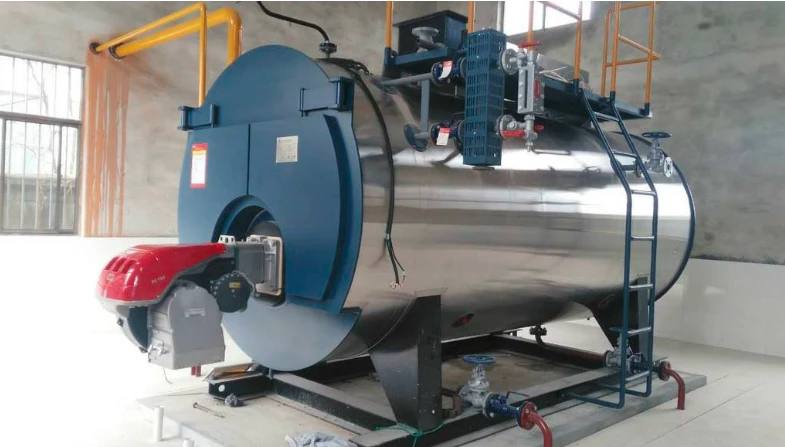
Regular cleaning of the steam boiler is essential to remove any deposits that might accumulate due to water impurities. This cleaning process can include both external and internal cleaning. External cleaning involves removing dust and debris from the boiler’s surface and components, whereas internal cleaning focuses on inspecting and cleaning the heat exchange surfaces. Neglecting these tasks can lead to reduced efficiency and increased fuel consumption.
Monitoring Performance
Utilizing technology to monitor the boiler's performance can provide invaluable insights into its efficiency. Instruments such as flow meters, temperature sensors, and pressure gauges can help in diagnosing issues before they escalate. Integrating a maintenance management system can facilitate regular monitoring, ensuring that any anomalies are quickly addressed.
Employee Training
Lastly, educating staff on the importance of steam boiler maintenance is crucial. Employees should be trained to recognize early signs of potential problems and understand maintenance schedules. This proactive approach can significantly enhance safety and efficiency in operations.
In conclusion, steam boiler maintenance is not just a regulatory requirement; it is a fundamental practice for ensuring safety, efficiency, and reliability. By adhering to regular inspections, quality water treatment, comprehensive cleaning, performance monitoring, and proper training, facilities can keep their steam boilers operating at peak performance while minimizing risks and costs.
-
Hot Water Boiler Working Principle Explained: Efficiency, Applications, and Innovations
NewsDec.03,2025
-
Hot Water Boiler Design: Global Insights, Innovations, and Applications
NewsDec.03,2025
-
Understanding Hot Water Heat Boiler Replacement Cost: Factors, Benefits & Trends
NewsDec.03,2025
-
1 Million BTU Steam Boiler - Efficient Steam Solutions for Industry
NewsDec.02,2025
-
250 000 BTU Steam Boiler: Comprehensive Guide to Industrial Steam Power
NewsDec.02,2025
-
What You Need to Know About the 300 000 BTU Steam Boiler: Efficiency & Applications
NewsDec.02,2025


 English
 Arabic
 Bengali
 French
 German
 Hindi
 Indonesian
 Kazakh
 Khmer
 Korean
 Kyrgyz
 Lao
 Latin
 Mongolian
 Nepali
 Russian
 Turkish
 Turkmen
 Uzbek


