




Sep . 22, 2024 06:31 Back to list
steam boiler replacement cost
Understanding Steam Boiler Replacement Costs
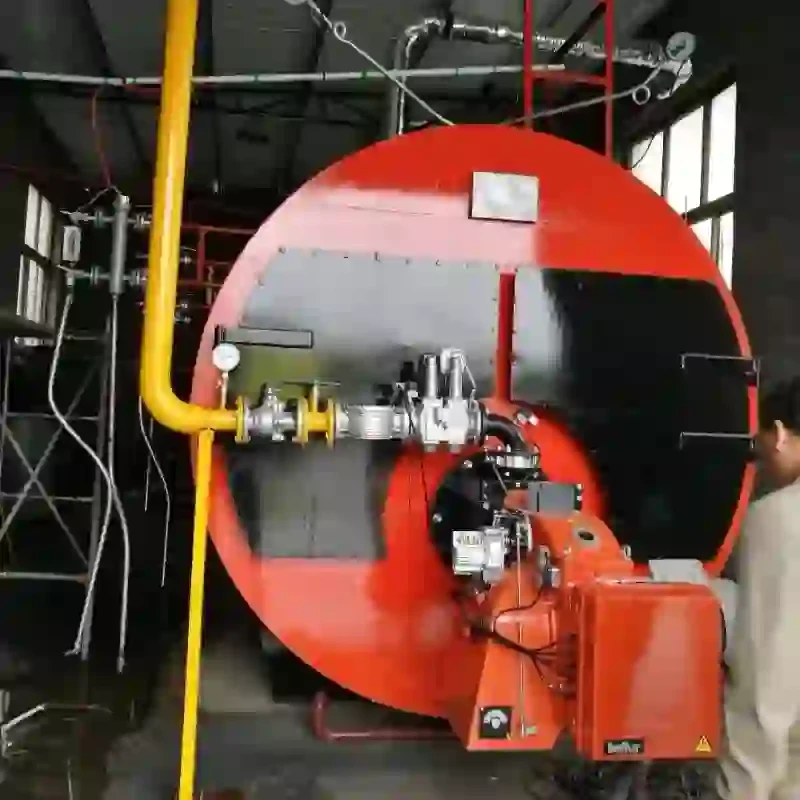
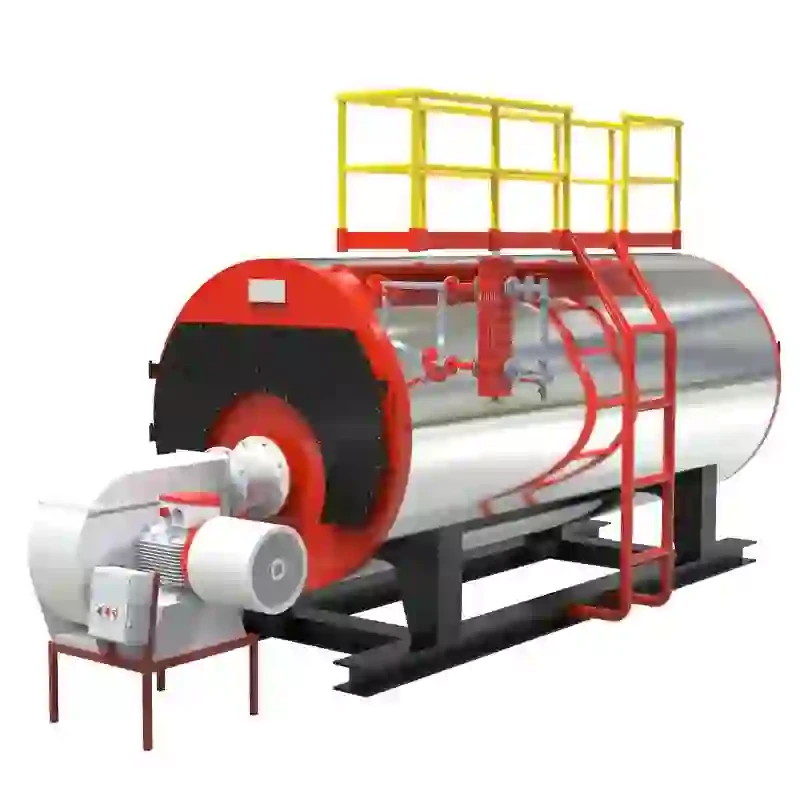
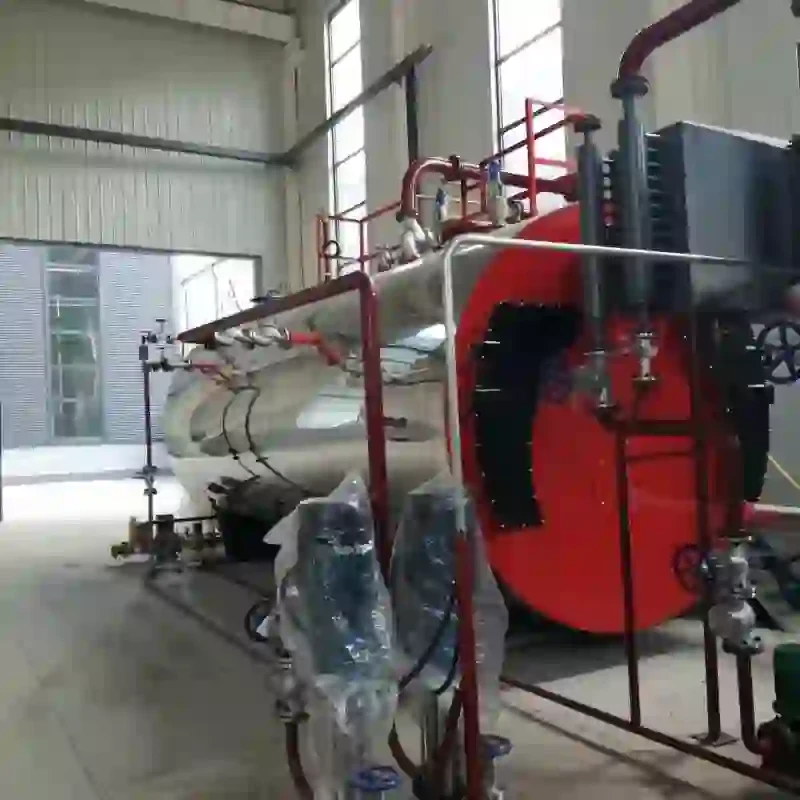
Replacing a steam boiler is a significant investment for any facility that relies on steam heating or industrial processes. Understanding the costs associated with this replacement is crucial for effective budgeting and planning. Several factors influence the total cost, and a clear comprehension of these elements can aid in making informed decisions.
Initial Investment
The first component to consider is the initial cost of the new boiler itself. Steam boiler prices can vary widely based on size, type, and efficiency. On average, the price for a new boiler can range from $5,000 to $30,000 or more. High-efficiency models, although more expensive upfront, can lead to substantial savings on energy bills in the long run.
Installation Costs
In addition to the boiler itself, installation costs must be taken into account. Hiring a professional contractor is essential to ensure the proper installation of the equipment, which can include modifying existing piping, updating controls, or even making structural changes to accommodate the new boiler. Installation costs typically range from $2,000 to $10,000, depending on the complexity of the project and local labor rates.
Operating Costs
steam boiler replacement cost
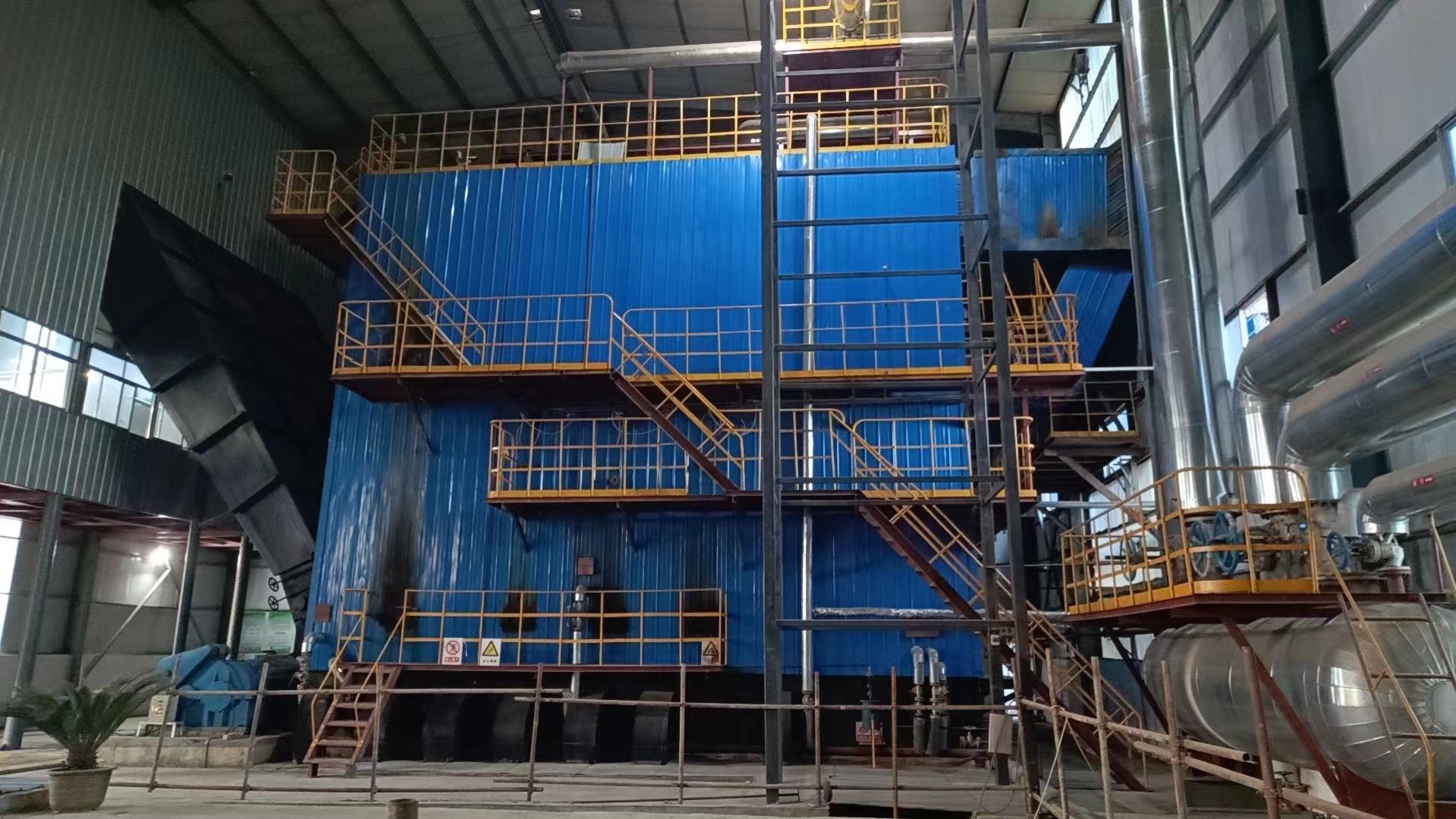
Beyond the initial purchase and installation, ongoing operating costs are a critical element of the total cost of ownership. Factors such as fuel type, boiler efficiency, maintenance schedules, and local energy prices can significantly impact these costs. For instance, a fuel-efficient boiler will lower monthly fuel expenses, making it a more cost-effective choice over time.
Maintenance and Repairs
Regular maintenance is vital to extend the life of a boiler and ensure its efficient operation. Budgeting for routine maintenance can prevent unexpected repairs and failures down the line. Ideally, facilities should allocate 1-3% of the boiler's initial cost for annual maintenance.
Financial Incentives and Rebates
It’s also worth investigating any financial incentives or rebates available for upgrading to a more efficient boiler. Many governments and utility companies offer programs that can help offset the initial costs through grants or tax incentives. These can significantly alter the overall financial landscape of a boiler replacement project.
Conclusion
In conclusion, understanding steam boiler replacement costs involves a multi-faceted analysis that includes initial purchase prices, installation fees, ongoing operating expenses, and maintenance requirements, along with potential incentives. A well-informed decision can result in a more efficient, reliable heating solution that meets the long-term needs of your facility, ultimately leading to both improved performance and cost savings.
-
Hot Water Boiler Working Principle Explained: Efficiency, Applications, and Innovations
NewsDec.03,2025
-
Hot Water Boiler Design: Global Insights, Innovations, and Applications
NewsDec.03,2025
-
Understanding Hot Water Heat Boiler Replacement Cost: Factors, Benefits & Trends
NewsDec.03,2025
-
1 Million BTU Steam Boiler - Efficient Steam Solutions for Industry
NewsDec.02,2025
-
250 000 BTU Steam Boiler: Comprehensive Guide to Industrial Steam Power
NewsDec.02,2025
-
What You Need to Know About the 300 000 BTU Steam Boiler: Efficiency & Applications
NewsDec.02,2025


 English
 Arabic
 Bengali
 French
 German
 Hindi
 Indonesian
 Kazakh
 Khmer
 Korean
 Kyrgyz
 Lao
 Latin
 Mongolian
 Nepali
 Russian
 Turkish
 Turkmen
 Uzbek


