




Sep . 16, 2024 01:41 Back to list
steam boiler troubleshooting guide
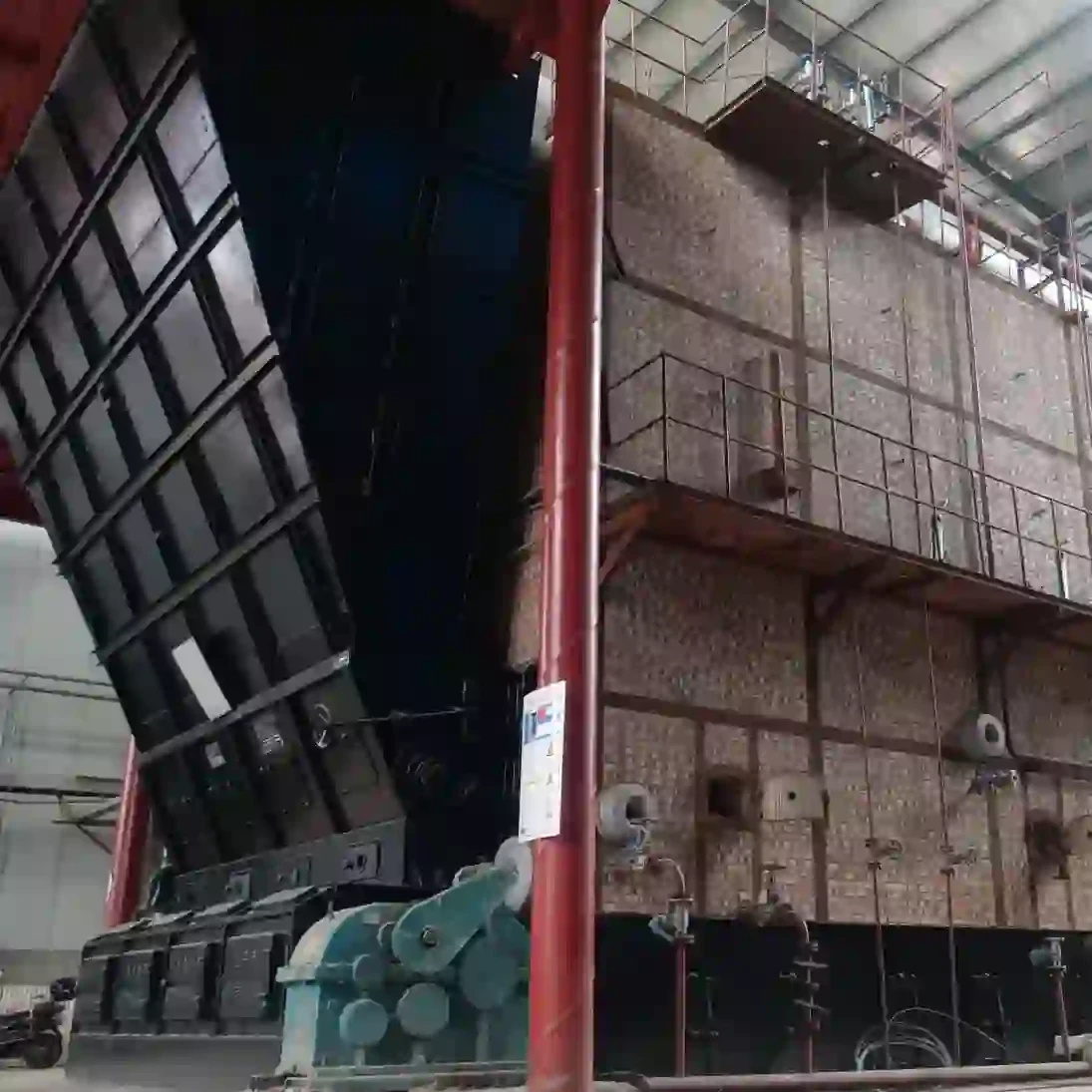
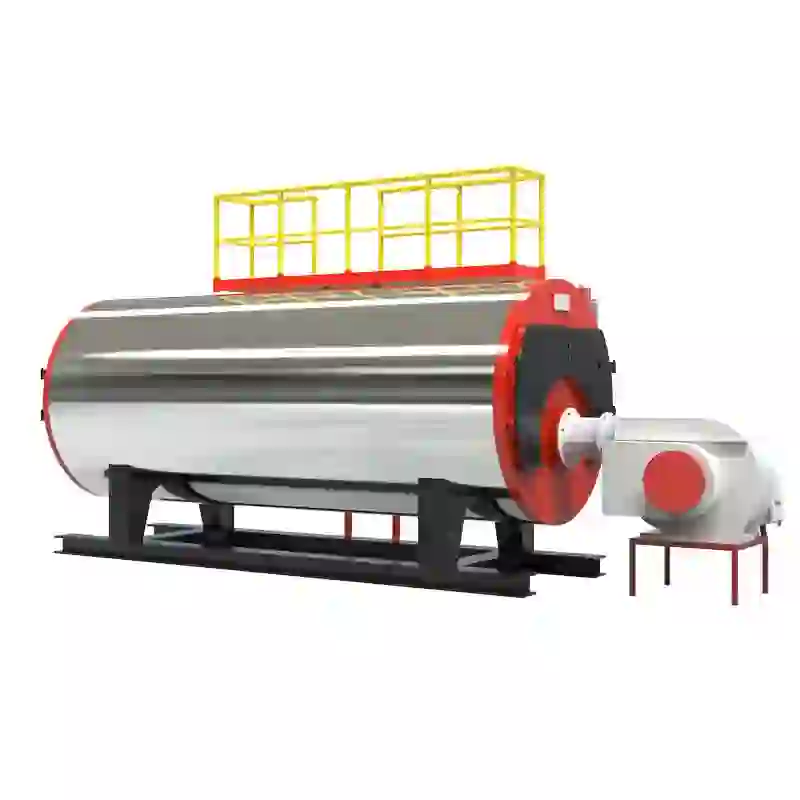
Steam Boiler Troubleshooting Guide
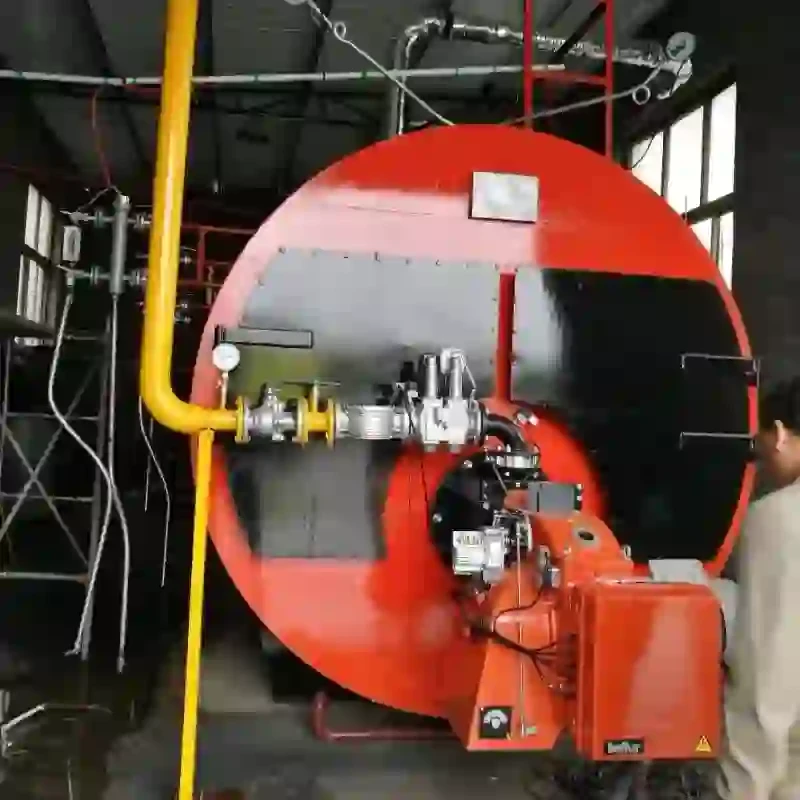
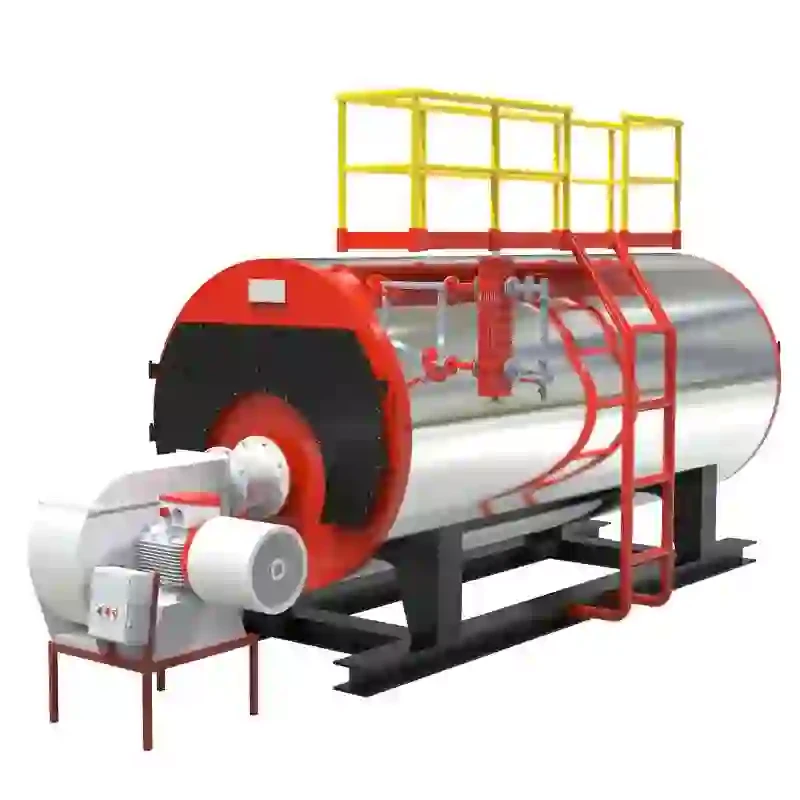
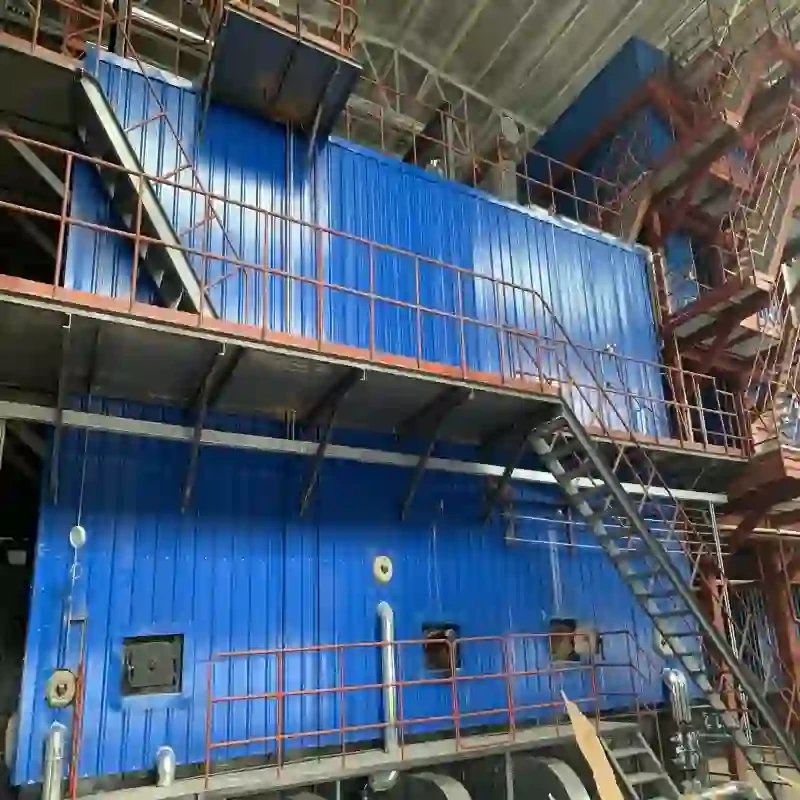
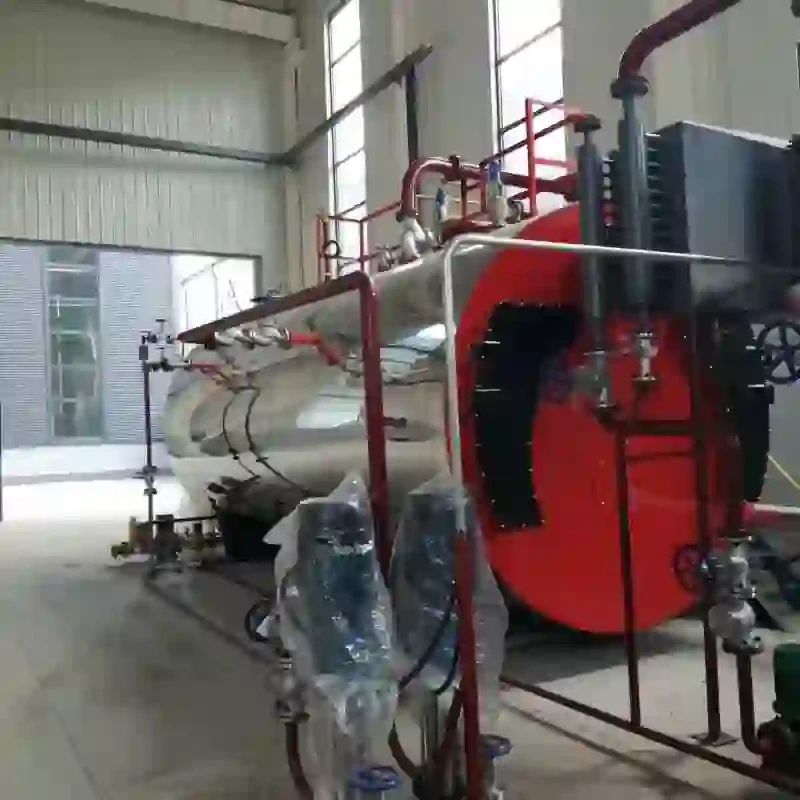
Steam boilers are critical components in many industrial and commercial operations, providing essential heat and energy. However, like any mechanical system, they can encounter issues that jeopardize their efficiency and function. To ensure optimal performance, it's important to understand common problems and their solutions. This troubleshooting guide will help you identify and resolve typical steam boiler issues effectively.
1. Low Pressure and Temperature One of the most frequent problems experienced in steam boilers is low pressure and temperature. This issue can result from several factors, including inadequate water levels, a malfunctioning pressure control switch, or an improperly set pressure relief valve. To troubleshoot, first check the water level in the boiler. If it's low, fill it to the recommended level. Next, examine the pressure control switch for faults and ensure the pressure relief valve is properly adjusted.
Steam Boiler Troubleshooting Guide
3. Water Leaks Leaks can occur in various parts of a steam boiler, such as the boiler shell, piping, or valves. These leaks can lead to significant water loss and damage to other components. To troubleshoot leaks, inspect all visible pipes and connections for signs of moisture. For more complex leaks, use a pressure test to identify the exact location of the leak, then proceed to repair or replace the affected parts.
steam boiler troubleshooting guide
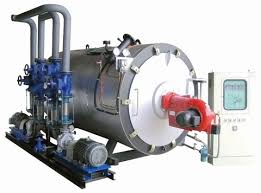
4. Unusual Noises Steam boilers may also produce unusual noises, such as banging or knocking sounds, indicating several underlying issues. Common causes include water hammer—caused by condensation in steam pipes—or improper sloping of the piping. To address water hammer, ensure that steam pipes are properly insulated and that there are no dips or low spots where condensate can collect.
5. Boiler Shutdown Unexpected boiler shutdowns can be alarming and may stem from a variety of causes, including thermostat problems, sensor failures, or safety valve issues. To troubleshoot, check the boiler’s error codes, if available, and inspect the sensors for cleanliness and functionality. Ensure that the thermostat is functioning properly and adjust its settings if necessary.
6. Regular Maintenance Preventative maintenance is key to avoiding many of these issues. Regular inspections, cleaning, and adjustments can extend the life of your steam boiler and enhance its efficiency. Create a maintenance schedule that includes regular testing of safety devices, checking water quality, and ensuring all mechanical components are in good working condition.
In conclusion, troubleshooting steam boiler issues requires a systematic approach. By identifying and addressing common problems, operators can maintain efficient and safe boiler operations. Always consult with professionals when complex issues arise, and never compromise on safety standards. Proper care and timely intervention will ensure that your steam boiler continues to operate effectively for years to come.
-
Hot Water Boiler Working Principle Explained: Efficiency, Applications, and Innovations
NewsDec.03,2025
-
Hot Water Boiler Design: Global Insights, Innovations, and Applications
NewsDec.03,2025
-
Understanding Hot Water Heat Boiler Replacement Cost: Factors, Benefits & Trends
NewsDec.03,2025
-
1 Million BTU Steam Boiler - Efficient Steam Solutions for Industry
NewsDec.02,2025
-
250 000 BTU Steam Boiler: Comprehensive Guide to Industrial Steam Power
NewsDec.02,2025
-
What You Need to Know About the 300 000 BTU Steam Boiler: Efficiency & Applications
NewsDec.02,2025


 English
  Arabic
  Bengali
  French
  German
  Hindi
Hindi  Indonesian
  Kazakh
  Khmer
Khmer  Korean
  Kyrgyz
  Lao
Lao  Latin
Latin  Mongolian
  Nepali
  Russian
  Turkish
  Turkmen
  Uzbek
Uzbek 


