




Sep . 22, 2024 02:54 Back to list
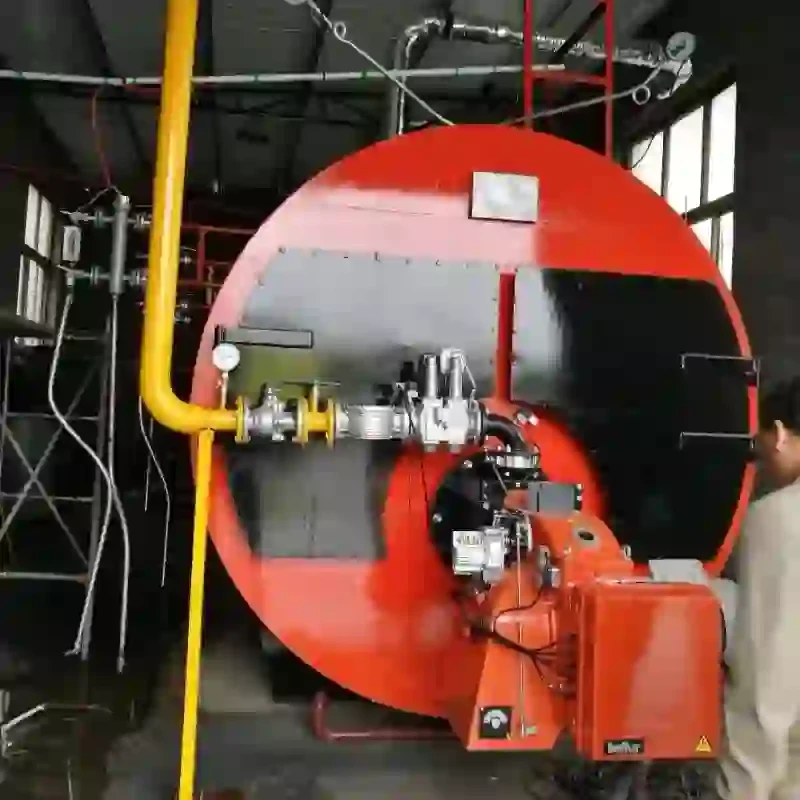
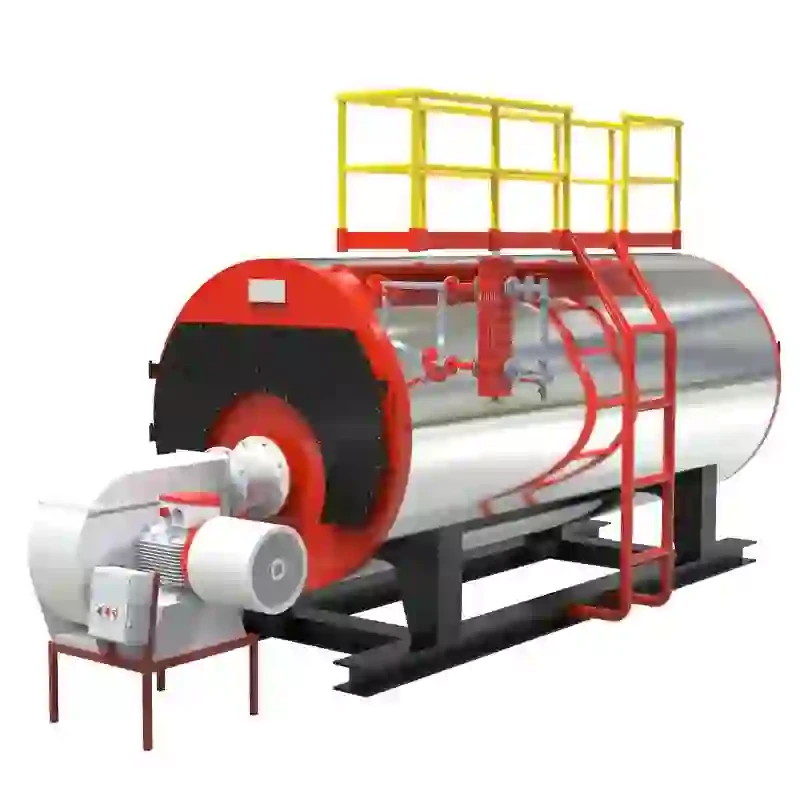
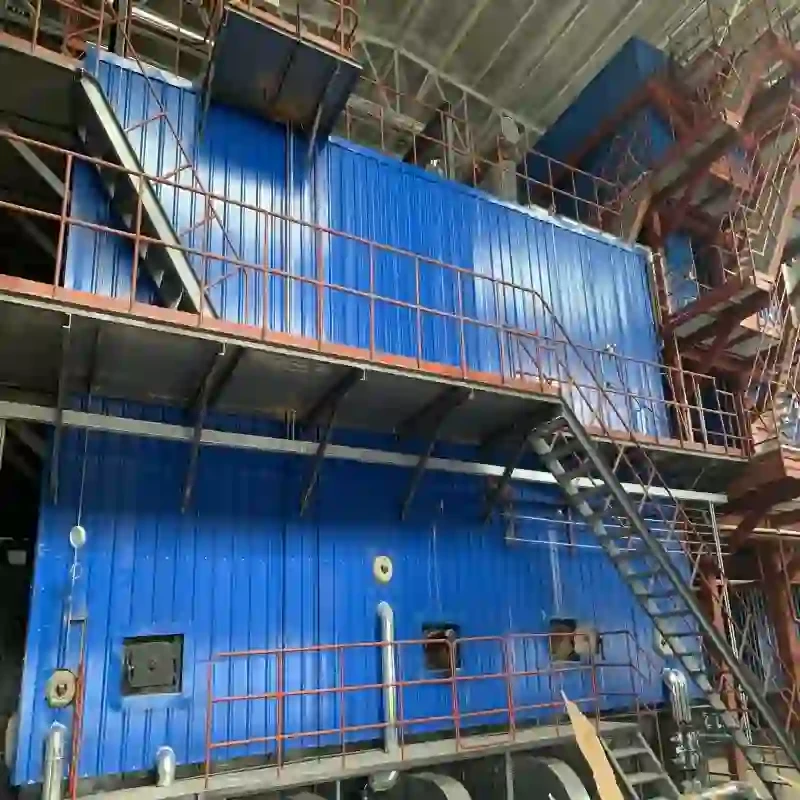
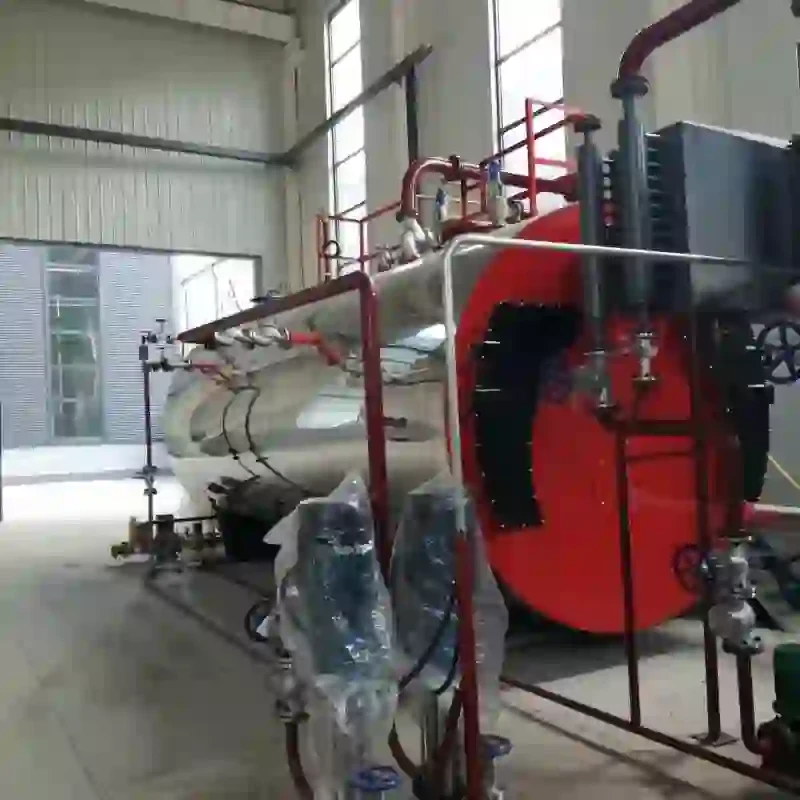
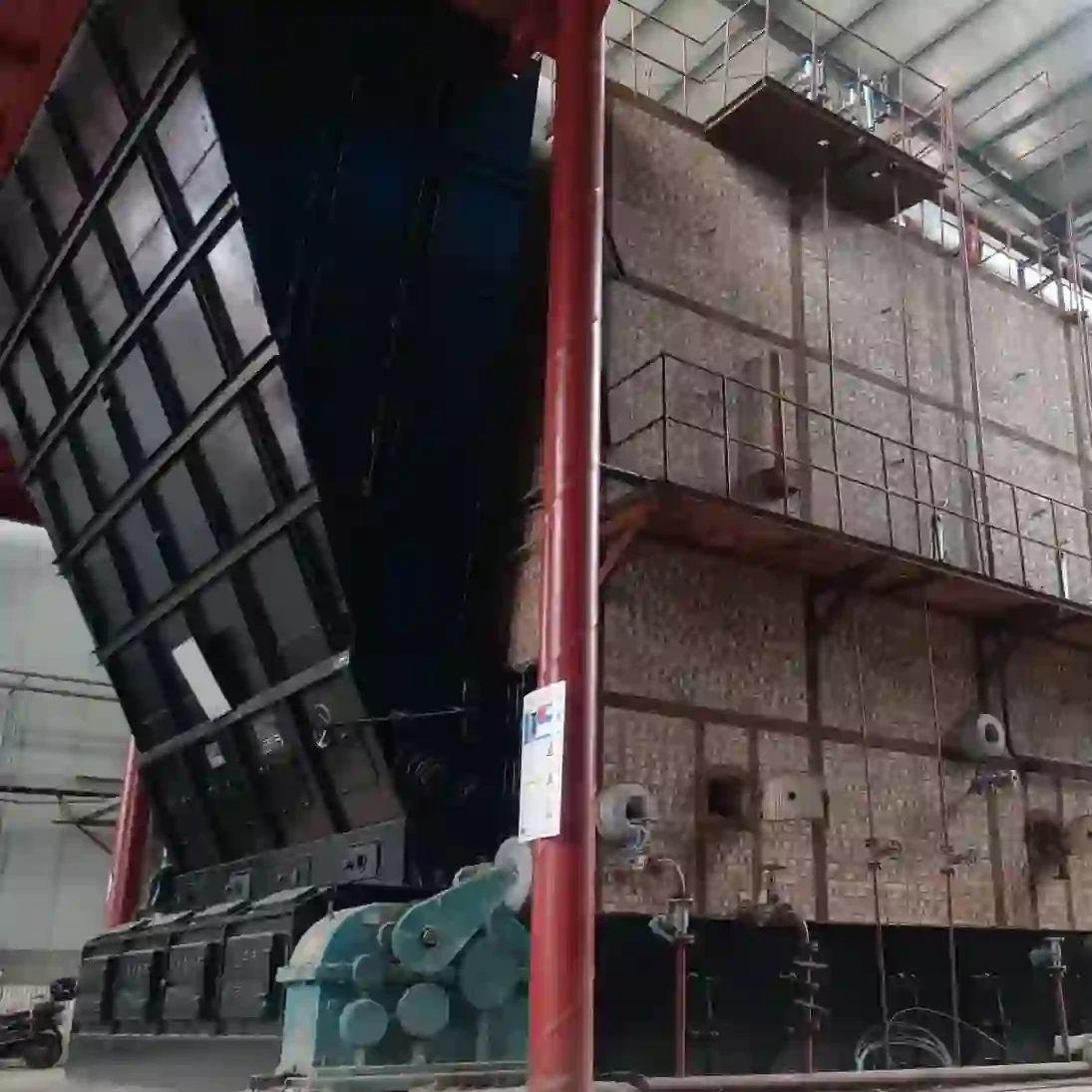
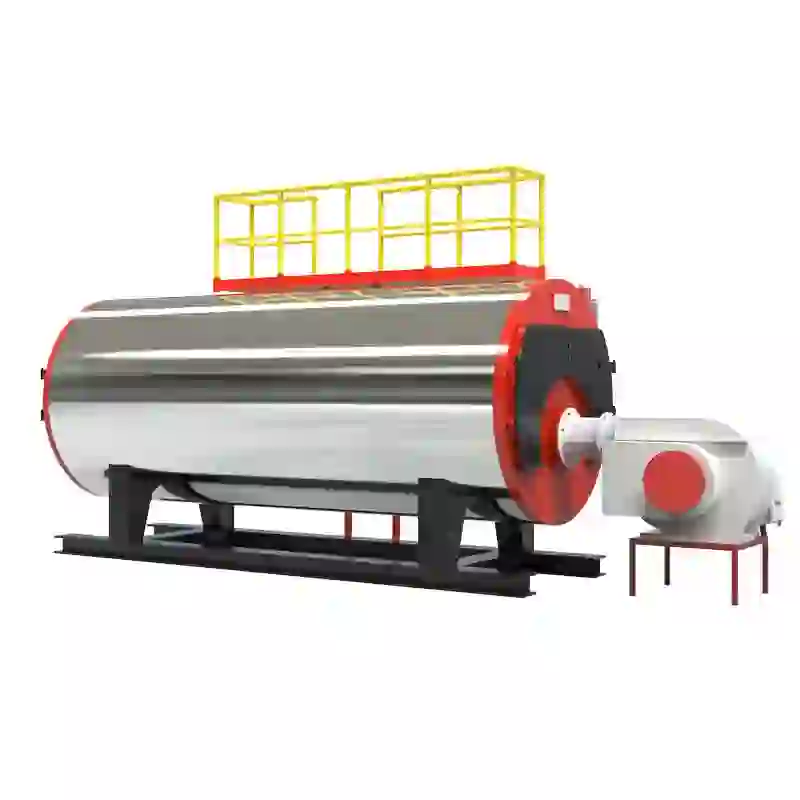
steam furnace
The Steam Furnace An Engine of Industrial Revolution
The steam furnace, an essential invention stemming from the Industrial Revolution, represented a significant leap in the way heat was generated and utilized in various industrial applications. This remarkable device not only revolutionized the manufacturing processes of the time but also laid the groundwork for the modern power generation systems we rely on today.
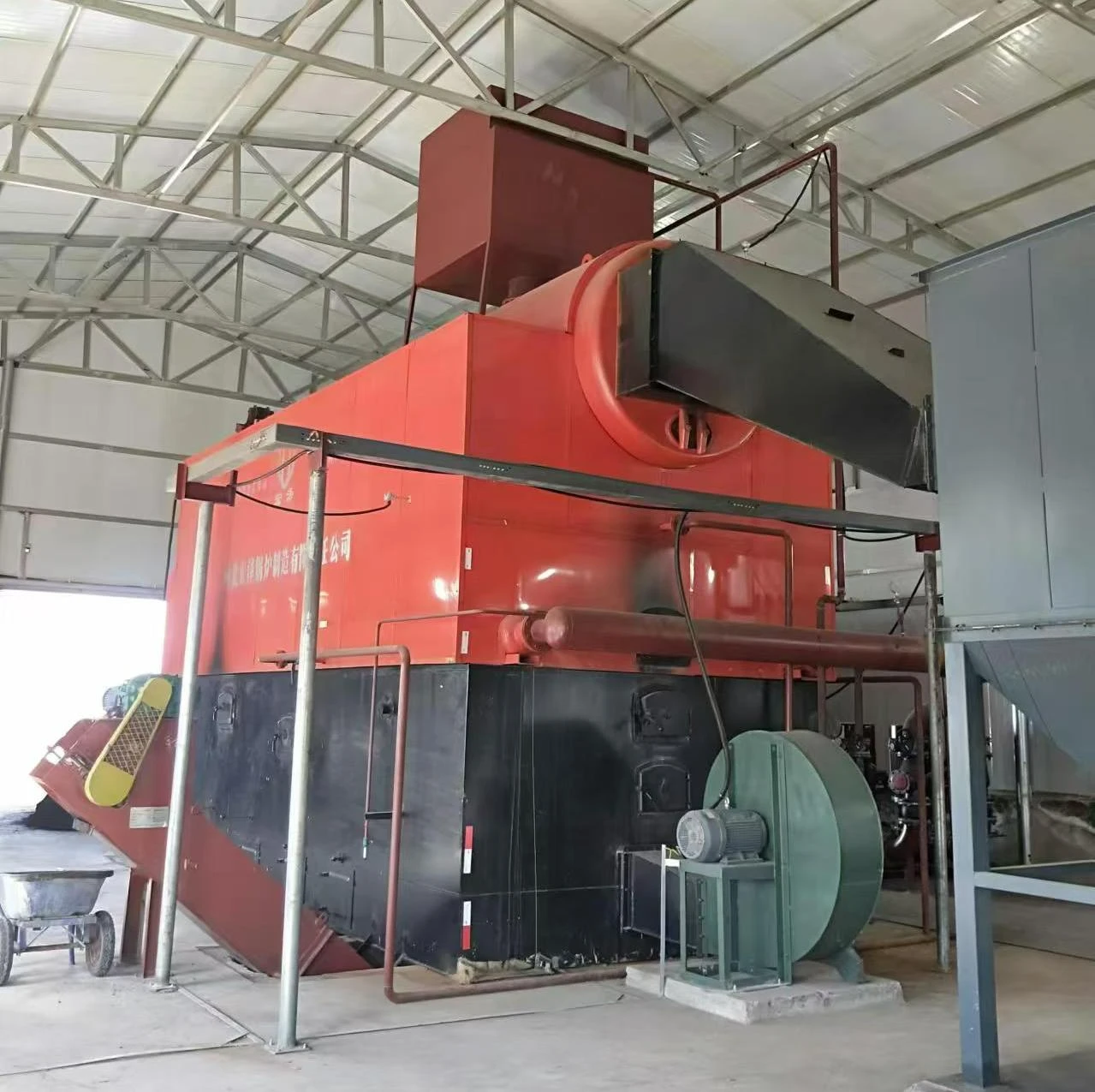
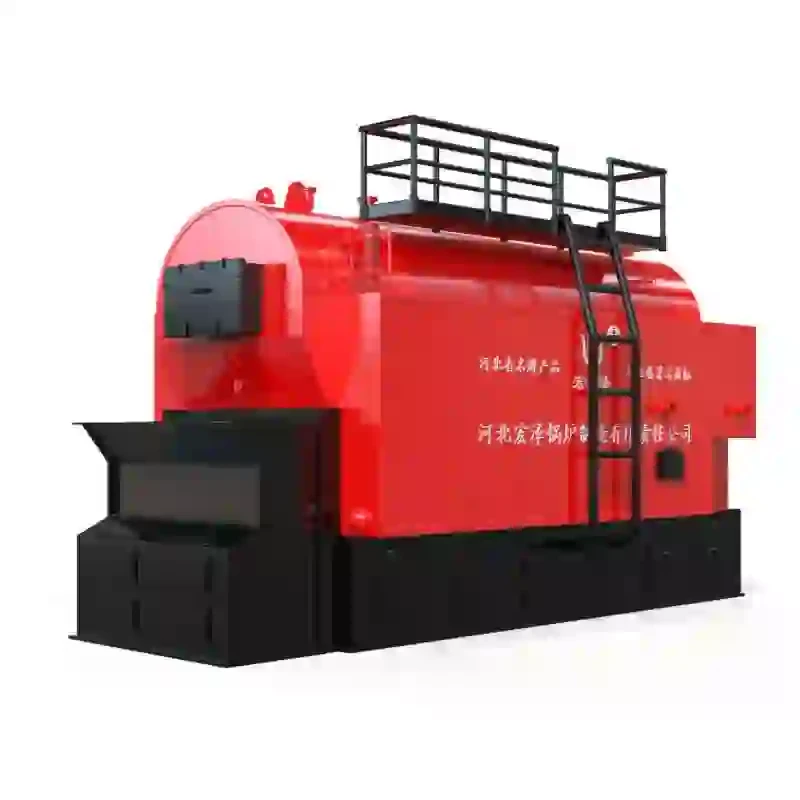
At its core, the steam furnace operates on a simple yet effective principle it burns fuel to generate heat, which in turn heats water, transforming it into steam. This steam, under pressure, is used to drive turbines and engines, producing mechanical work and eventually electricity. Early steam furnaces primarily relied on coal as a fuel source, which was abundant and highly effective in generating the high temperatures needed for steam production.
The emergence of the steam furnace coincided with the growing needs of industries
. Prior to its invention, many manufacturing processes were labor-intensive and inefficient. The introduction of steam power dramatically increased productivity, enabling factories to harness this energy for various applications—from driving machinery to powering locomotives. As a result, steam furnaces became pivotal in the expansion of industries such as textiles, mining, and transportation.steam furnace
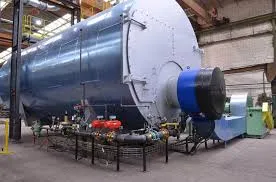
Moreover, the steam furnace paved the way for numerous advancements in engineering and technology. The design and efficiency of these furnaces improved over time as engineers learned to better control temperature and combustion processes. The evolution of the steam furnace also influenced the development of other crucial technologies, including the steam engine, which transformed transportation by powering trains and ships.
Despite the many benefits of steam furnaces, they were not without their challenges. Safety concerns related to high-pressure steam systems prompted the establishment of regulations and standards to protect workers. Furthermore, the reliance on coal raised environmental issues that are still relevant today, as the world continues to grapple with the effects of fossil fuel consumption.
In contemporary times, while steam furnaces have largely been replaced by more efficient technologies, their legacy persists. Modern power plants still utilize steam in various forms, particularly in combined cycle systems, where steam turbines are used alongside gas turbines to optimize energy generation.
In summary, the steam furnace was a groundbreaking innovation that significantly impacted industrial practices and energy production. Its principles continue to influence modern engineering, reminding us of the ingenuity and transformative power of steam technology. The steam furnace stands as a testament to human creativity and the relentless pursuit of efficiency in the ever-evolving landscape of industrial progress.
-
Hot Water Boiler Working Principle Explained: Efficiency, Applications, and Innovations
NewsDec.03,2025
-
Hot Water Boiler Design: Global Insights, Innovations, and Applications
NewsDec.03,2025
-
Understanding Hot Water Heat Boiler Replacement Cost: Factors, Benefits & Trends
NewsDec.03,2025
-
1 Million BTU Steam Boiler - Efficient Steam Solutions for Industry
NewsDec.02,2025
-
250 000 BTU Steam Boiler: Comprehensive Guide to Industrial Steam Power
NewsDec.02,2025
-
What You Need to Know About the 300 000 BTU Steam Boiler: Efficiency & Applications
NewsDec.02,2025


 English
 Arabic
 Bengali
 French
 German
 Hindi
 Indonesian
 Kazakh
 Khmer
 Korean
 Kyrgyz
 Lao
 Latin
 Mongolian
 Nepali
 Russian
 Turkish
 Turkmen
 Uzbek


