




Dec . 12, 2024 09:57 Back to list
steam boiler installation guide
Steam Boiler Installation Guide
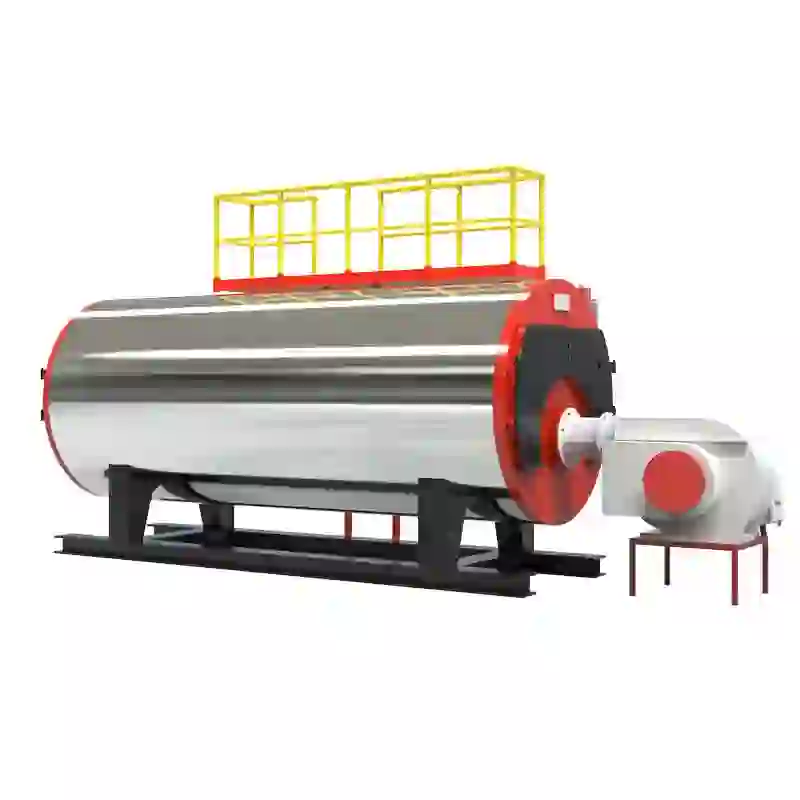
Steam boilers are crucial components in various industrial, commercial, and residential applications. Proper installation is essential to ensure safety, efficiency, and long-term performance. This guide covers the key steps involved in the installation of a steam boiler, along with best practices and safety considerations.
1. Planning and Preparation
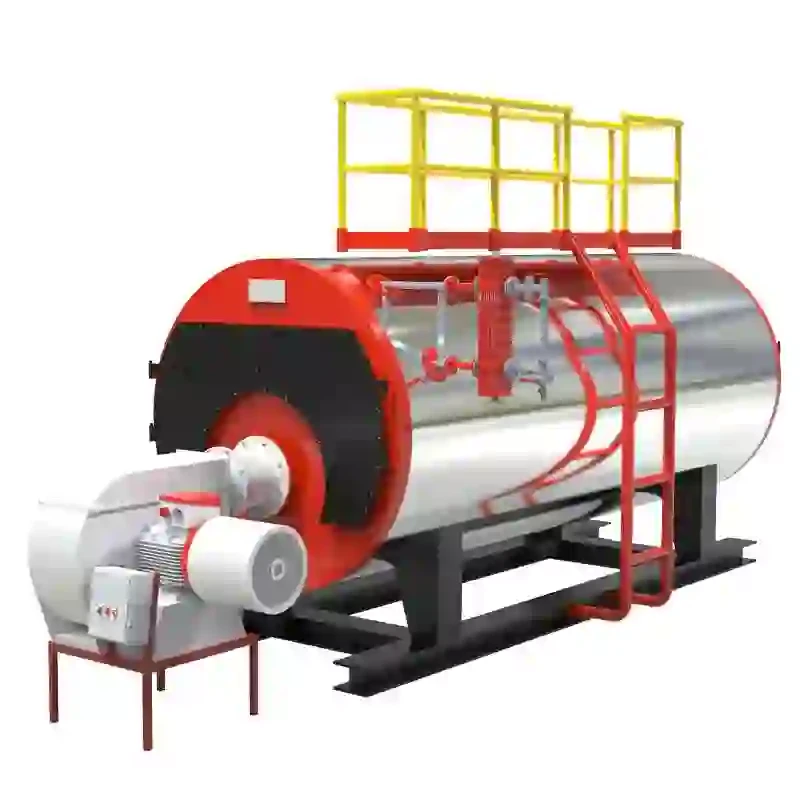
Before installation begins, thorough planning is necessary. Identify the type of steam boiler that best suits your needs—either fire-tube, water-tube, or electric boilers. Factors to consider include the intended application, required pressure levels, and available space. Consult local building codes and regulations to ensure compliance with safety standards.
2. Site Selection
Choosing the right location for your steam boiler is vital. The site should offer adequate space for installation, maintenance, and repair. Ensure that the area is well-ventilated to allow for proper combustion and to reduce the risk of overheating. Additionally, consider the proximity to water sources and fuel supply lines, as both are necessary for boiler operation.
3. Foundation and Support
A solid foundation is crucial to support the weight of the steam boiler. Construct a level foundation using concrete that can bear the load. It is advisable to install a suitable base that allows for drainage and prevents the collection of water around the boiler.
4. Piping and Connections
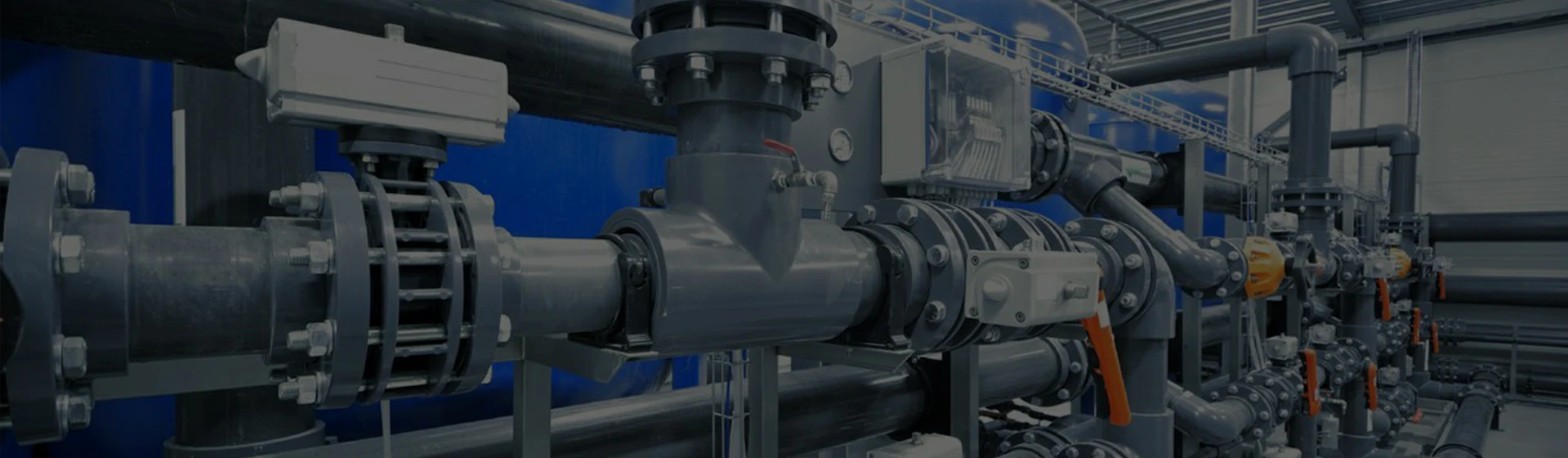
Install the necessary piping to connect the boiler to the steam distribution system, water supply, and fuel source. Use materials that are appropriate for high-pressure steam applications, such as carbon steel or stainless steel. Ensure all connections are tight and leak-free. Consider the use of insulation on pipes to minimize heat loss.
steam boiler installation guide

For electric boilers, ensure that electrical connections comply with all local codes and regulations. This includes appropriately rated circuit breakers and proper wiring methods. Verify that the power supply to the boiler is adequate to handle its operational requirements.
6. Safety Valves and Controls
The installation of safety valves is necessary to prevent excessive pressure buildup within the boiler. Position the valves according to manufacturer specifications and local regulations. Additionally, install control systems that monitor temperature and pressure levels, enabling automatic adjustments to maintain optimal operation conditions.
7. Filling the Boiler
Before starting the boiler, it is essential to fill it with water. Check the water quality to ensure it meets the required standards; impurities can cause scale buildup and system malfunctions. Fill the boiler slowly to avoid damaging components, and monitor the water level using built-in gauges.
8. Testing and Commissioning
Once the installation is complete, conduct a thorough inspection and testing of the boiler system. Check for leaks, ensure that all safety systems are functioning, and confirm that the boiler operates according to the manufacturer's specifications. It’s vital to run the boiler under supervision for an initial period to identify any potential issues.
9. Ongoing Maintenance
Implement a regular maintenance schedule to keep the steam boiler in optimal working condition. This includes checking safety valves, cleaning burners, and inspecting piping for wear and corrosion. Regular maintenance not only extends the life of the boiler but also enhances operational efficiency and safety.
Conclusion
Proper installation of a steam boiler is a complex task that requires careful planning, skilled labor, and adherence to safety regulations. By following this guide and consulting with professionals when necessary, you can ensure a successful installation that maximizes efficiency and safety. Regular maintenance will further enhance the life and performance of the boiler, supporting uninterrupted operations for your specific applications.
-
High-Efficiency Commercial Oil Fired Steam Boiler for Industry
NewsJul.30,2025
-
High-Efficiency Biomass Fired Thermal Oil Boiler Solutions
NewsJul.30,2025
-
High Efficiency Gas Fired Thermal Oil Boiler for Industrial Heating
NewsJul.29,2025
-
High-Efficiency Gas Fired Hot Water Boiler for Sale – Reliable & Affordable
NewsJul.29,2025
-
High Efficiency Biomass Fired Hot Water Boiler for Industrial and Commercial Use
NewsJul.29,2025
-
High-Efficiency Biomass Fired Hot Water Boiler for Industrial Use
NewsJul.28,2025


 English
  Arabic
  Bengali
  French
  German
  Hindi
Hindi  Indonesian
  Kazakh
  Khmer
Khmer  Korean
  Kyrgyz
  Lao
Lao  Latin
Latin  Mongolian
  Nepali
  Russian
  Turkish
  Turkmen
  Uzbek
Uzbek