




Dec . 14, 2024 10:56 Back to list
steam boiler operation
Understanding Steam Boiler Operation
Steam boilers are essential components in various industrial processes, providing a reliable source of steam for heating, powering machinery, and generating electricity. The operation of steam boilers is critical to the efficiency and safety of numerous applications, making it important for operators and engineers to understand their functionality and maintenance requirements.
Types of Steam Boilers
There are mainly two types of steam boilers fire-tube and water-tube boilers.
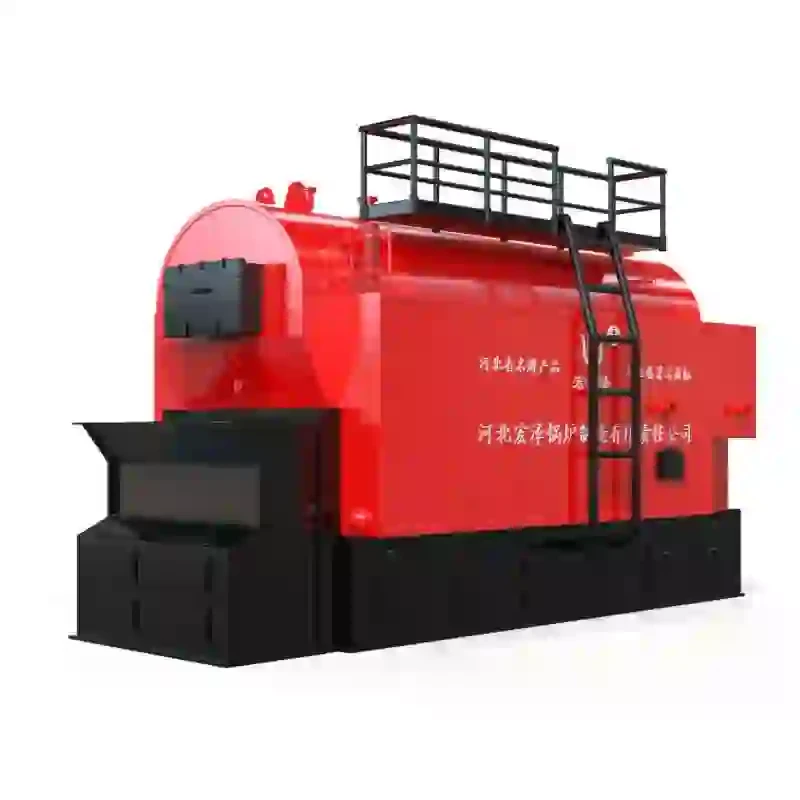
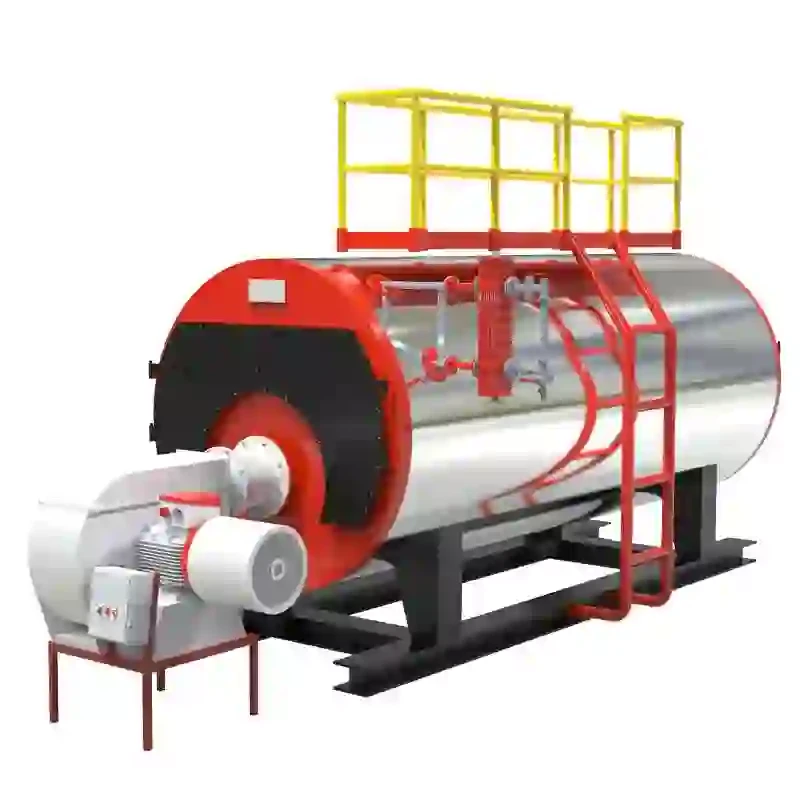
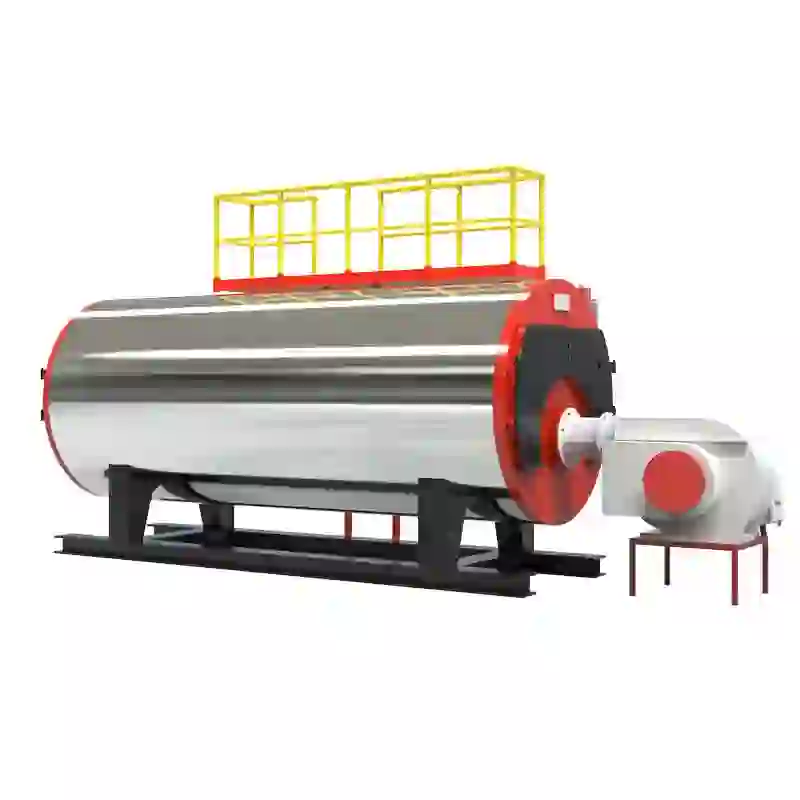
1. Fire-Tube Boilers In these boilers, hot gases from combustion pass through tubes surrounded by water. As the gases travel through the tubes, their heat is transferred to the water, converting it into steam. Fire-tube boilers are generally more compact and can be a cost-effective solution for smaller applications.
2. Water-Tube Boilers Unlike fire-tube units, water-tube boilers have water-filled tubes surrounded by hot gases. This design allows for higher pressures and greater efficiencies, making them suitable for large-scale industrial applications or power generation.
Both types of boilers rely on similar principles of thermodynamics and fluid dynamics, but they differ in design and operational characteristics.
Basic Operation Principles
The operation of a steam boiler can be summarized in several key steps
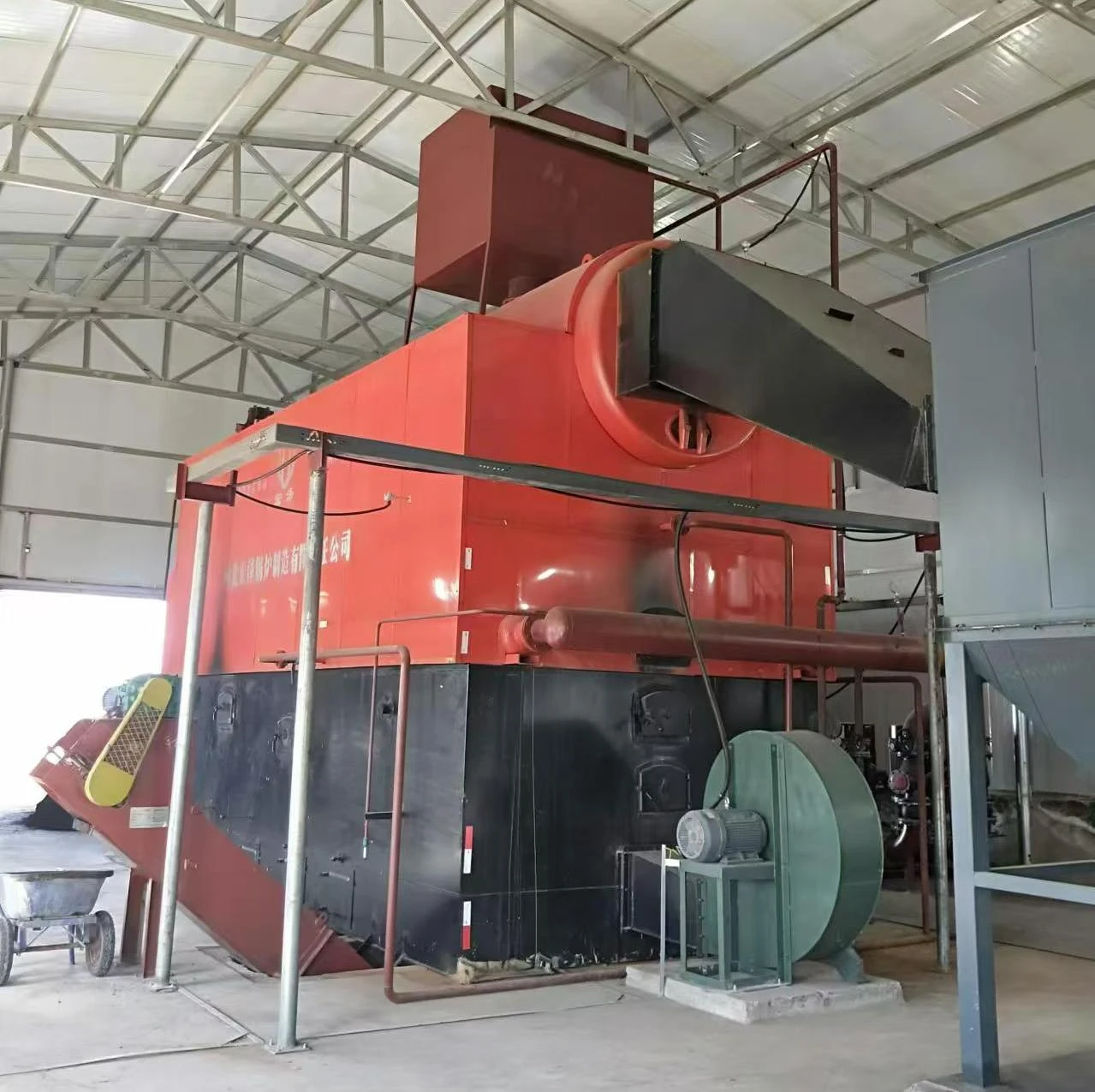
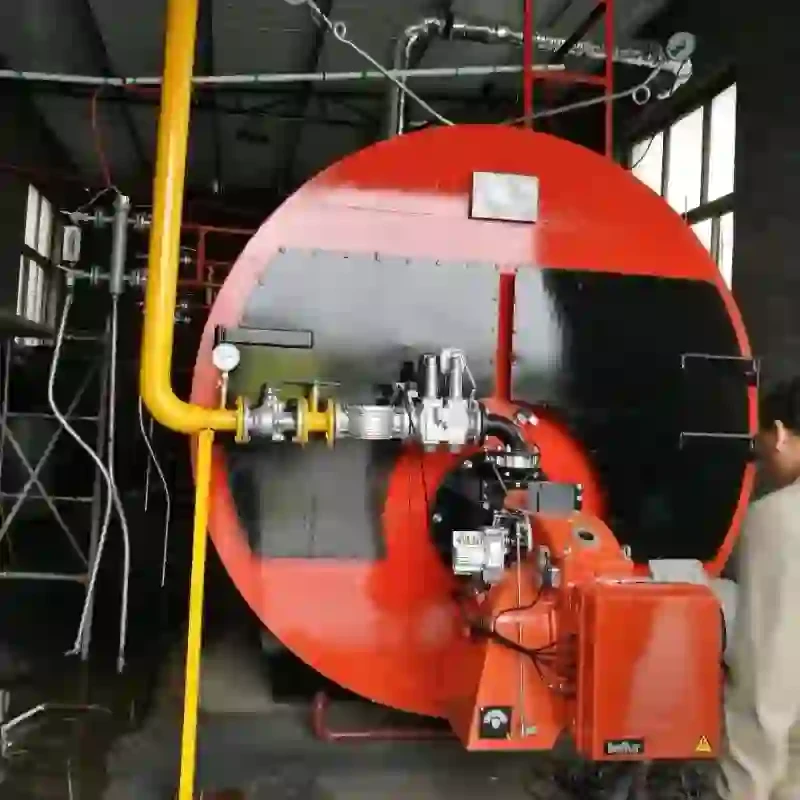
1. Fuel Supply The process begins with a fuel source, which may be natural gas, oil, coal, or biomass. The fuel is mixed with air and ignited in the burner to create combustion gases.
steam boiler operation

2. Heat Generation As the fuel burns, it produces hot gases. In a fire-tube boiler, these gases flow through the tubes, while in a water-tube boiler, they pass over the water-filled tubes, transferring heat to the water.
3. Steam Production The heat generated raises the temperature of the water, turning it into steam. The steam generated can then be used for various applications, such as driving turbines in power plants, providing heat in industrial processes, or heating buildings.
4. Pressure Management It is critical to maintain the correct pressure within the steam boiler. This is monitored by pressure gauges, and safety valves are in place to prevent excessive pressure build-up, which could lead to dangerous situations.
5. Condensate Return After the steam has been utilized, it often condenses back into water. Effective steam systems incorporate a condensate return mechanism, allowing the condensed water to be recycled back to the boiler. This not only saves water but also improves energy efficiency.
Maintenance and Safety
Routine maintenance of steam boilers is essential to ensure their reliability and safety. Operators should conduct regular inspections, checking for leaks, ensuring that safety valves are functioning correctly, and monitoring water levels and pressure. Proper water treatment is also crucial to prevent corrosion and scale build-up, which can severely affect performance.
Safety is of paramount importance in steam boiler operation. Operators should be trained to recognize potential hazards, including high pressure, temperature, and chemical handling. Complying with safety regulations and standards, such as those set by the American Society of Mechanical Engineers (ASME), helps mitigate risks and ensure a safe working environment.
Conclusion
Steam boiler operation is a complex yet critical process in many industrial applications. Understanding the types of boilers, their operational principles, and the importance of maintenance and safety is essential for anyone involved in their management. As industries continue to evolve, advancements in boiler technology and operational strategies will further enhance efficiency, safety, and environmental sustainability.
-
High Efficiency Gas Fired Thermal Oil Boiler for Industrial Heating
NewsJul.29,2025
-
High-Efficiency Gas Fired Hot Water Boiler for Sale – Reliable & Affordable
NewsJul.29,2025
-
High Efficiency Biomass Fired Hot Water Boiler for Industrial and Commercial Use
NewsJul.29,2025
-
High-Efficiency Biomass Fired Hot Water Boiler for Industrial Use
NewsJul.28,2025
-
High Efficiency Coal Fired Hot Water Boiler for Reliable Heating
NewsJul.28,2025
-
High Efficiency Coal Fired Thermal Oil Boiler for Industrial Heating
NewsJul.26,2025


 English
  Arabic
  Bengali
  French
  German
  Hindi
Hindi  Indonesian
  Kazakh
  Khmer
Khmer  Korean
  Kyrgyz
  Lao
Lao  Latin
Latin  Mongolian
  Nepali
  Russian
  Turkish
  Turkmen
  Uzbek
Uzbek