




Dec . 06, 2024 07:35 Back to list
Understanding Different Types of Steam Boilers and Their Applications in Industry
Understanding Steam Boiler Types
Steam boilers play a crucial role in various industries, providing steam for heating, power generation, and processing. The choice of a particular boiler type is essential, as it significantly influences operational efficiency, maintenance requirements, and overall performance. In this article, we will explore the primary types of steam boilers, their unique characteristics, and their applications.
1. Fire-Tube Boilers
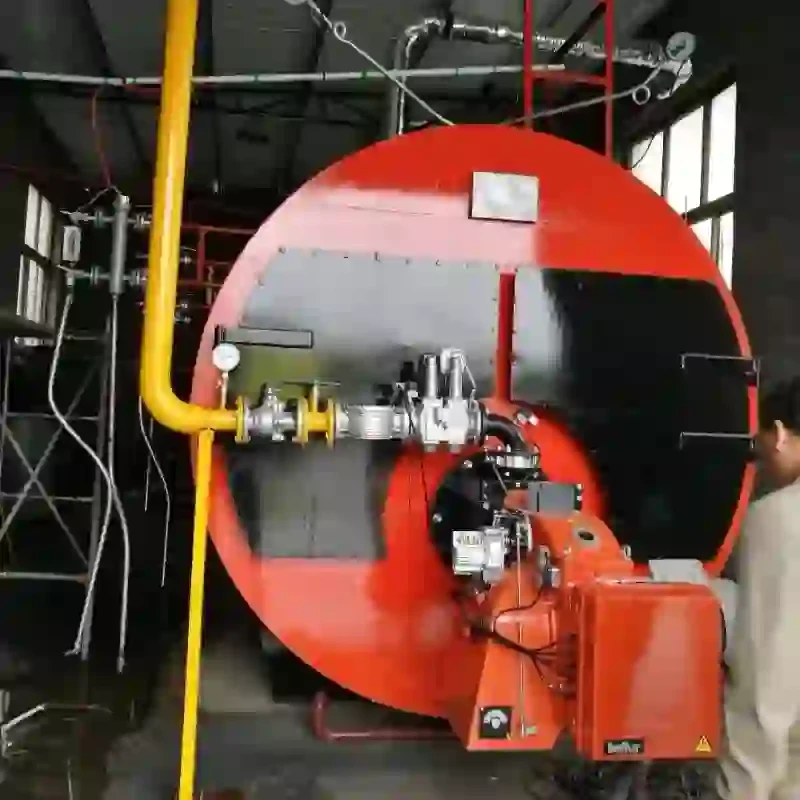
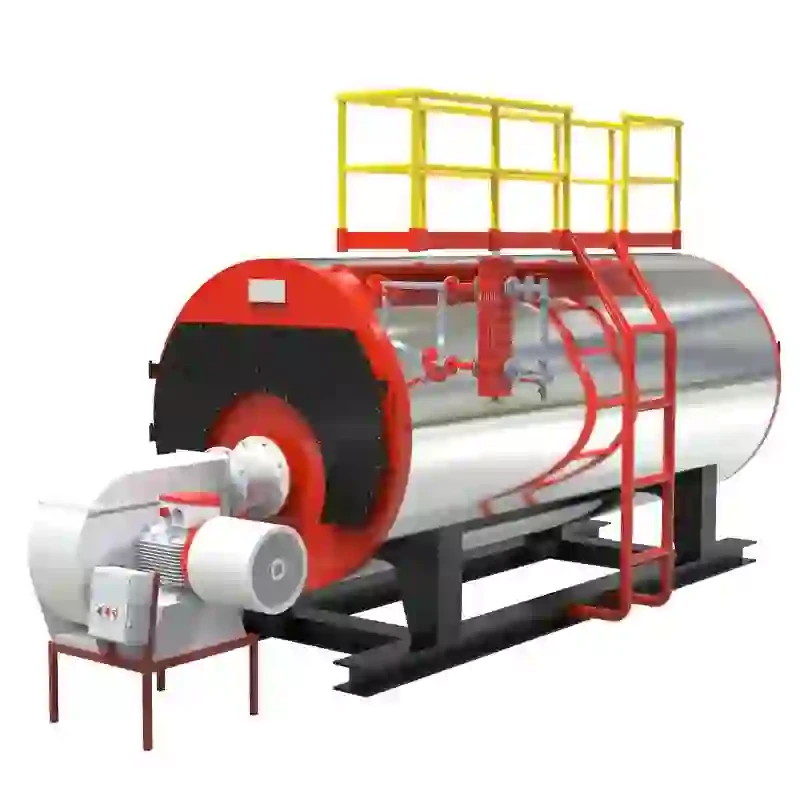
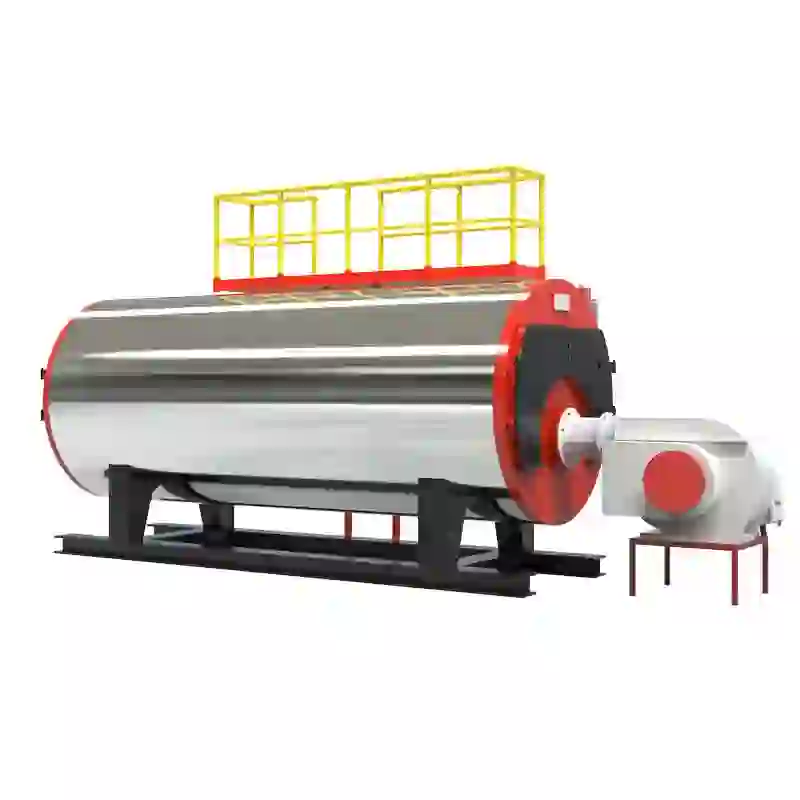
Fire-tube boilers are one of the most common types used in industry. In these boilers, hot gases from the combustion process pass through tubes that are surrounded by water. The heat from the gases warms the water, producing steam. Fire-tube boilers are known for their simplicity, ease of operation, and relatively low initial cost. They are typically used for smaller applications where high steam output is not necessary.
Advantages - Simple design and construction - Lower cost compared to water-tube boilers - Easy maintenance
Disadvantages - Limited steam generation capacity - Slower response to changes in demand - Risk of overheating and pressure issues due to the limited surface area
2. Water-Tube Boilers
In contrast to fire-tube boilers, water-tube boilers have water-filled tubes that are heated by surrounding hot gases. This design allows for a higher pressure and temperature capability, making them suitable for large-scale industrial applications. Water-tube boilers can generate steam quickly and efficiently, which is beneficial in processes requiring rapid changes in heat demand.
Advantages - High efficiency and output capacity - Ability to handle high pressure and temperature - Faster response to steam demand changes
Disadvantages - More complex design, leading to higher costs - Requires skilled personnel for operation and maintenance - Potential issues with tube failures if not properly maintained
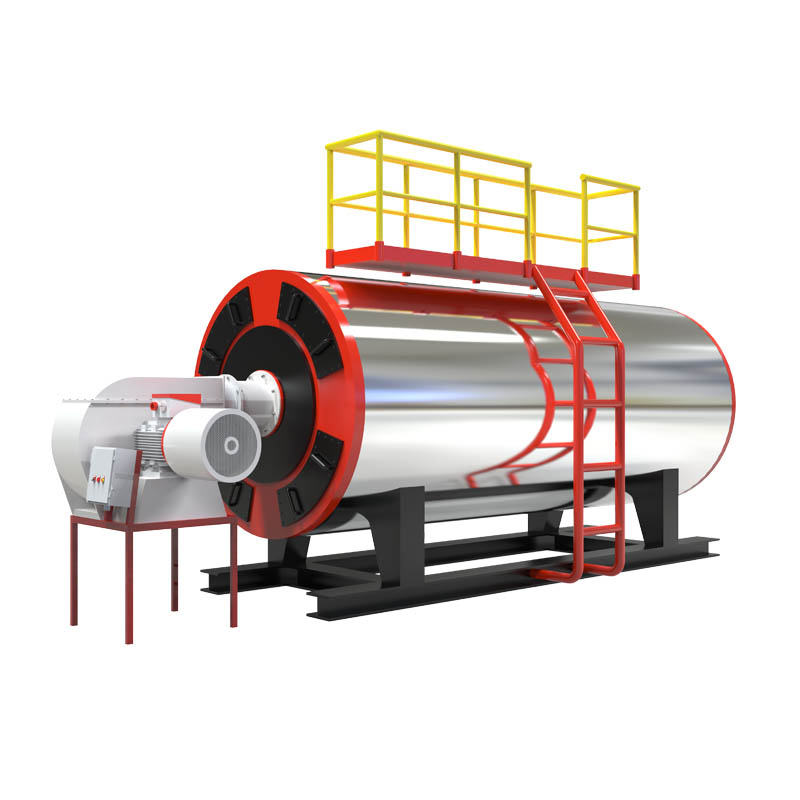
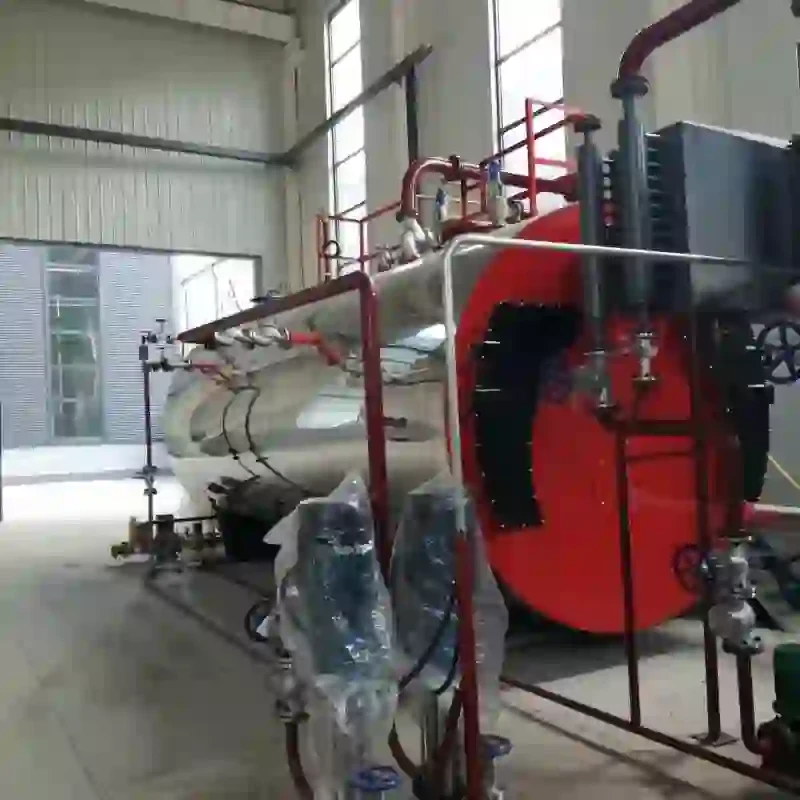
Electric boilers utilize electricity to heat water, producing steam without combustion. They offer a clean and efficient alternative to fossil-fuel-driven boilers, especially in settings where environmental considerations are paramount. Electric boilers can vary in size from small units for residential use to large industrial units.
steam boiler types
Advantages - Environmentally friendly with reduced emissions - High efficiency and low operating costs - Compact design and ease of installation
Disadvantages - Higher energy costs depending on electricity rates - Limited steam output compared to larger boilers - Dependency on electrical supply can pose operational risks
4. Biomass Boilers
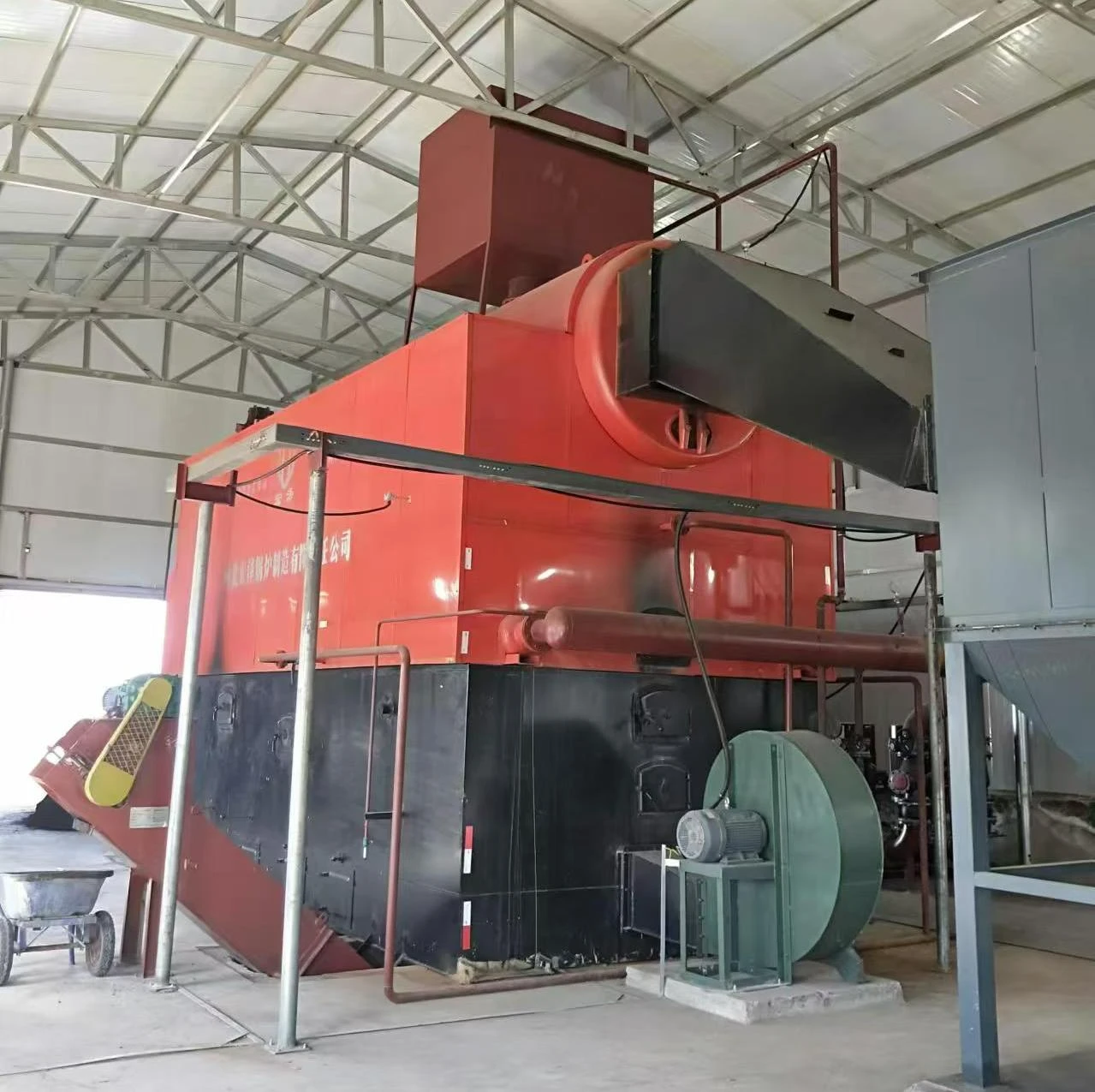
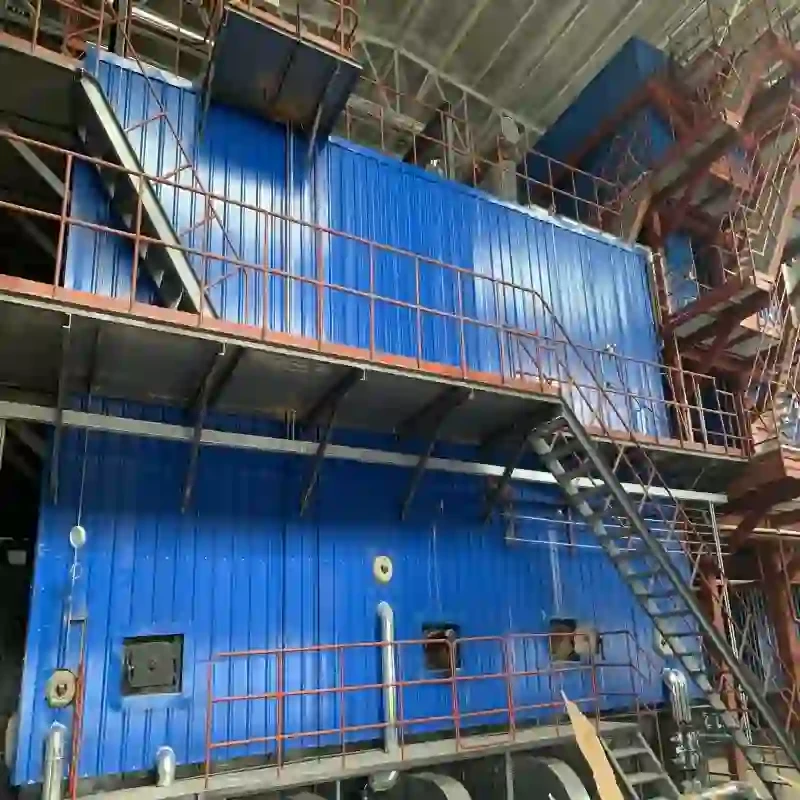
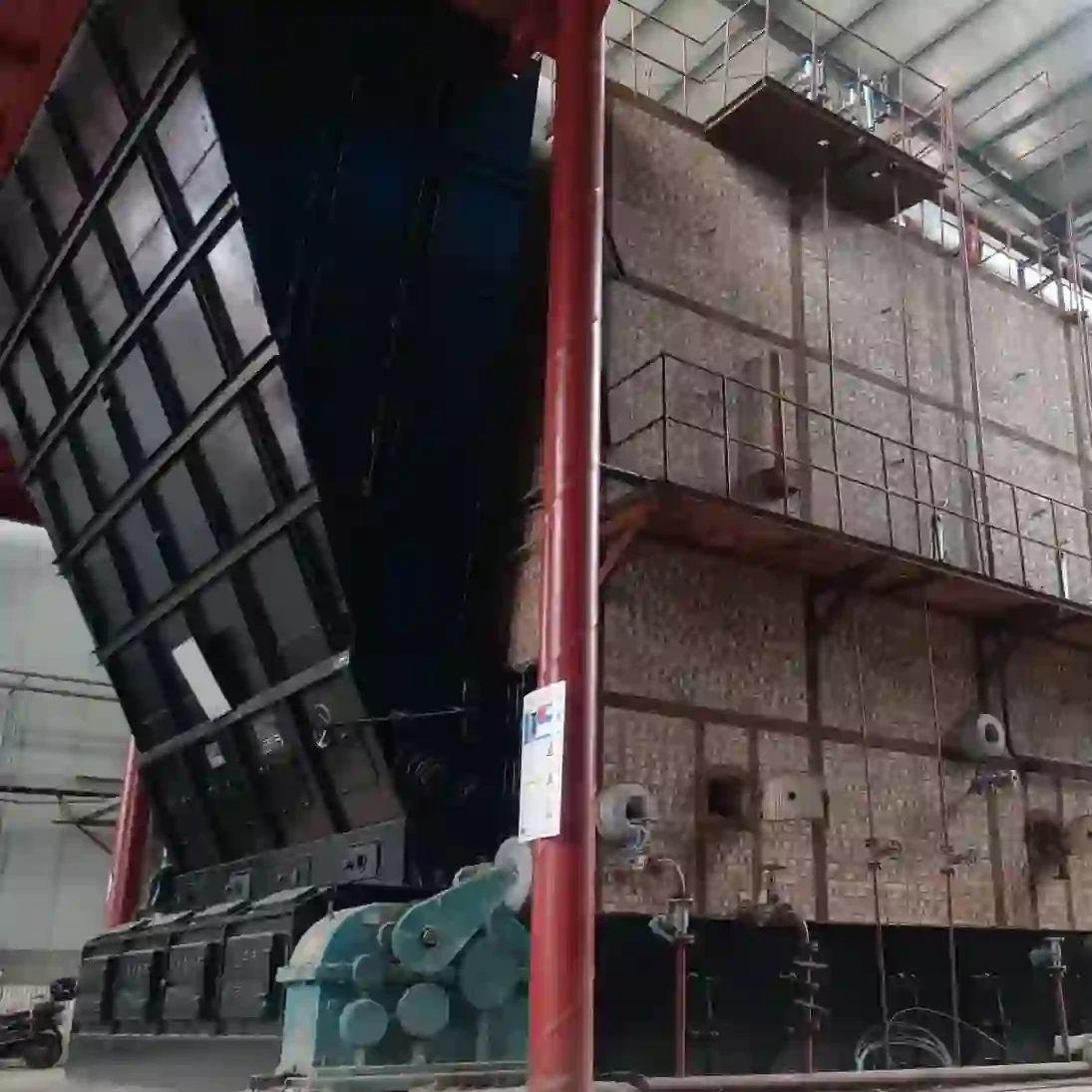
Biomass boilers utilize organic materials like wood, agricultural residues, or other renewable sources as fuel to produce steam. This type of boiler is gaining popularity due to its sustainability and reduced carbon footprint. Biomass boilers can be an effective solution for facilities seeking to lower their environmental impact while maintaining efficiency.
Advantages - Renewable energy source reduces reliance on fossil fuels - Carbon-neutral operations when sourced sustainably - Potential cost savings on fuel in the long run
Disadvantages - Requires more extensive maintenance - Variability in fuel quality can affect performance - Initial investment can be high
5. Combined Heat and Power (CHP) Boilers
Combined Heat and Power systems are designed to generate both electricity and useful heat simultaneously. CHP boilers are highly efficient, capturing and utilizing energy that would otherwise be wasted. These systems are particularly beneficial for industrial processes where both steam and electricity are needed.
Advantages - High overall efficiency leads to reduced operating costs - Dual output enhances energy security - Lowers greenhouse gas emissions
Disadvantages - High initial capital investment - Complexity in design and operation - Requires consistent demand for both heat and electricity
Conclusion
Choosing the right type of steam boiler is crucial for optimizing energy efficiency and meeting operational needs. Understanding the characteristics, advantages, and disadvantages of fire-tube, water-tube, electric, biomass, and CHP boilers will help industries make informed decisions aligned with their energy goals and environmental commitments. Each boiler type serves a specific purpose and application, ensuring that there is a solution available for virtually every steam generation need in the industrial sector.
-
Hot Water Boiler Working Principle Explained: Efficiency, Applications, and Innovations
NewsDec.03,2025
-
Hot Water Boiler Design: Global Insights, Innovations, and Applications
NewsDec.03,2025
-
Understanding Hot Water Heat Boiler Replacement Cost: Factors, Benefits & Trends
NewsDec.03,2025
-
1 Million BTU Steam Boiler - Efficient Steam Solutions for Industry
NewsDec.02,2025
-
250 000 BTU Steam Boiler: Comprehensive Guide to Industrial Steam Power
NewsDec.02,2025
-
What You Need to Know About the 300 000 BTU Steam Boiler: Efficiency & Applications
NewsDec.02,2025


 English
 Arabic
 Bengali
 French
 German
 Hindi
 Indonesian
 Kazakh
 Khmer
 Korean
 Kyrgyz
 Lao
 Latin
 Mongolian
 Nepali
 Russian
 Turkish
 Turkmen
 Uzbek


