




Dec . 10, 2024 06:49 Back to list
types of steam boilers used in industry
Types of Steam Boilers Used in Industry
Steam boilers are critical components in various industrial processes, providing the steam necessary for heating, powering machinery, and even driving turbines for electricity generation. The choice of a steam boiler can significantly impact the efficiency, cost-effectiveness, and environmental sustainability of industrial operations. Understanding the different types of steam boilers and their applications can help industries make informed decisions tailored to their specific needs.
Fire-Tube Boilers
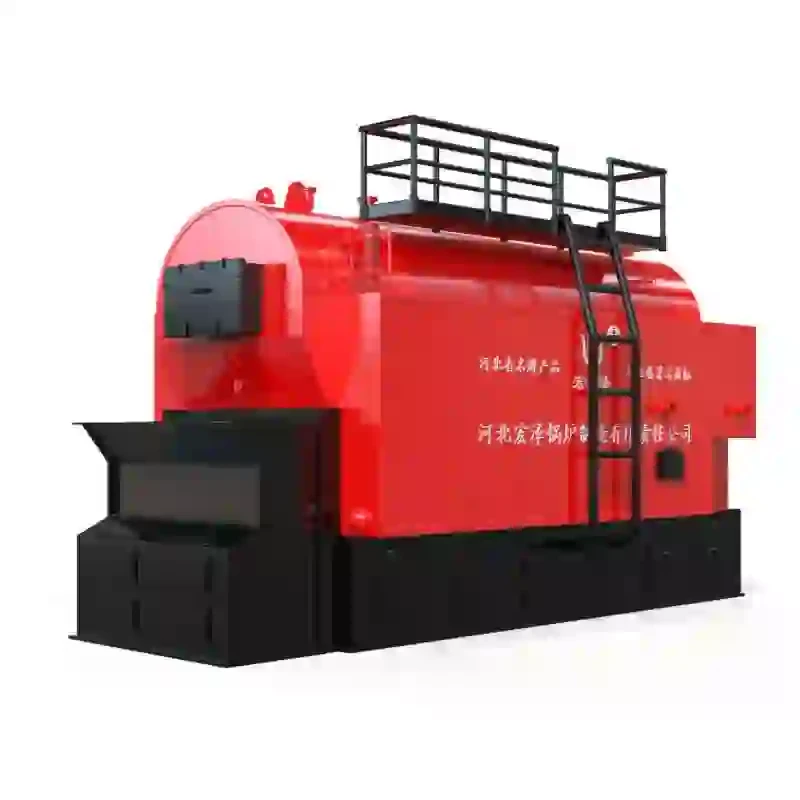
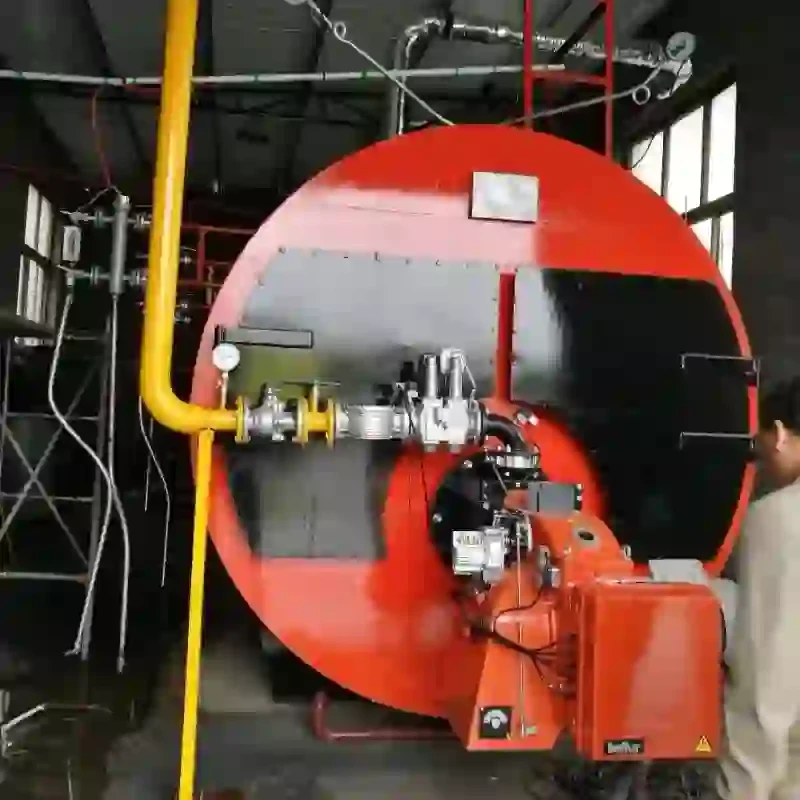
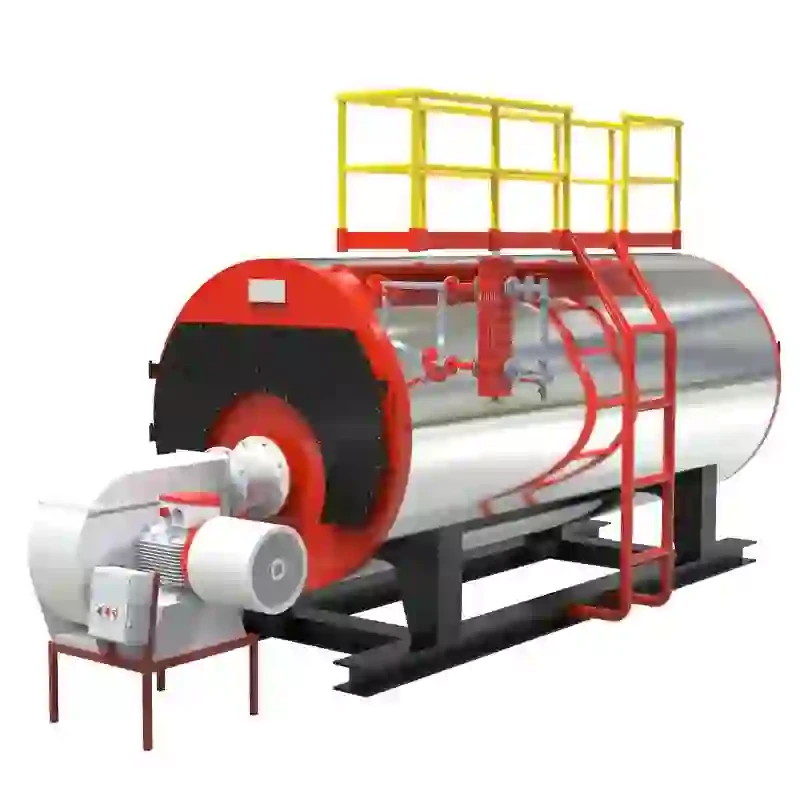
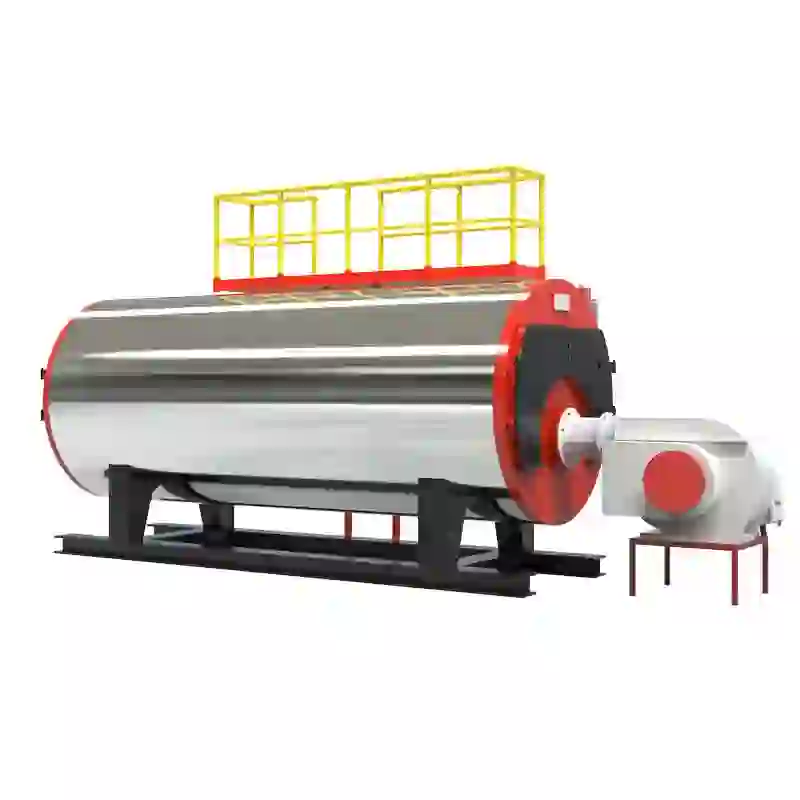
Fire-tube boilers are among the oldest types of steam boilers still widely used today. In these systems, hot gases from the combustion process flow through tubes that are submerged in water. As the gases pass through the tubes, they transfer heat to the water, generating steam. Fire-tube boilers are known for their simplicity and ease of operation, making them suitable for smaller industrial applications requiring lower steam pressures and capacities. However, they may be limited in efficiency and responsiveness to fluctuating steam demands.
Water-Tube Boilers
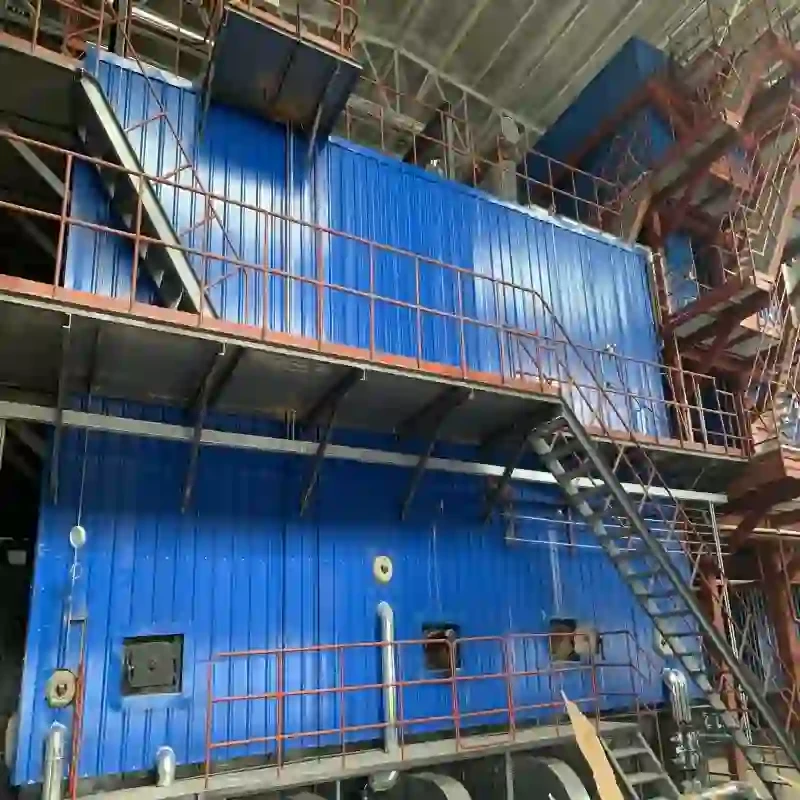
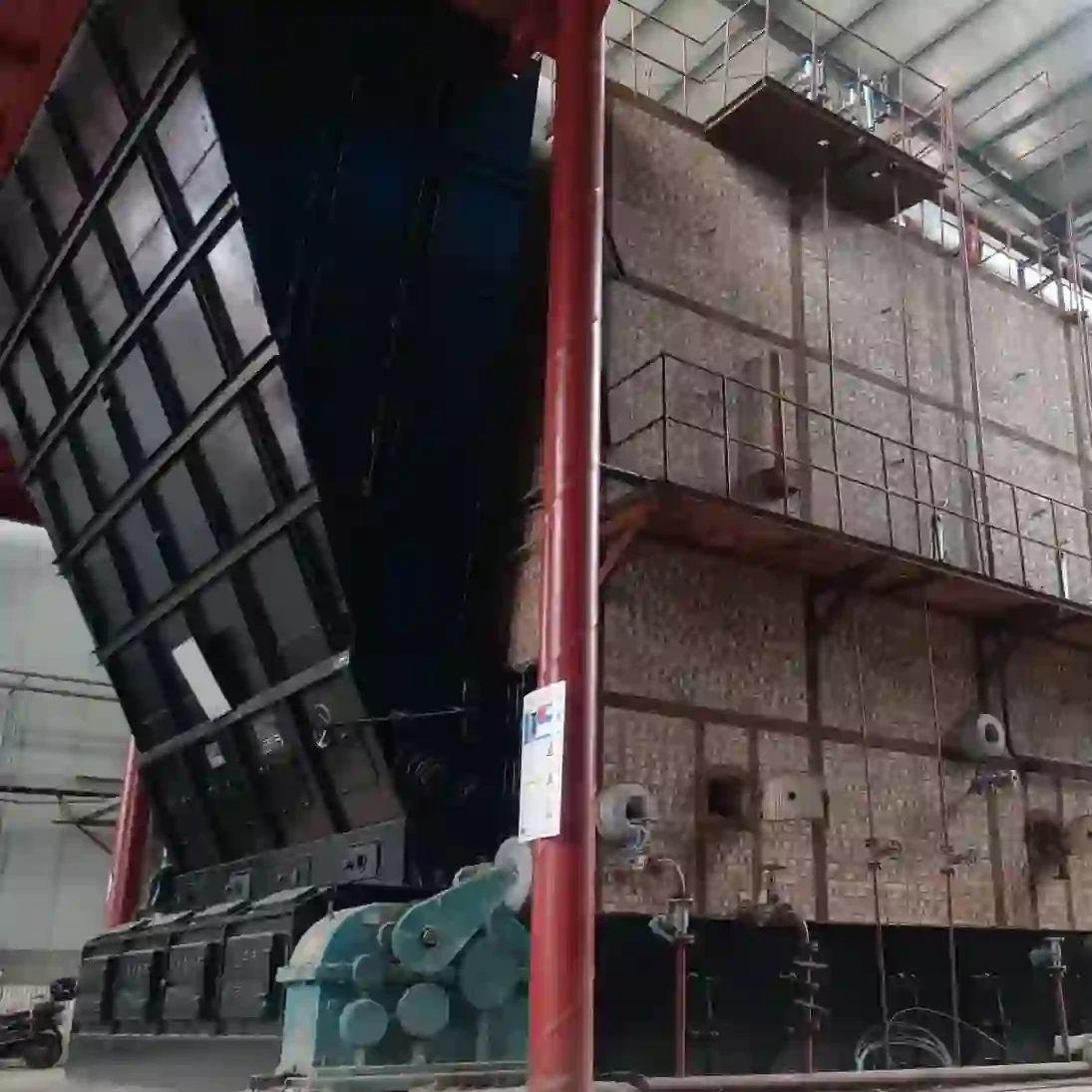
Unlike fire-tube boilers, water-tube boilers circulate water inside the tubes while hot gases pass around them. This design allows for higher operating pressures and efficient heat transfer. Water-tube boilers are more suitable for large-scale industrial applications that demand high steam output and fast response times. They tend to have a smaller footprint compared to fire-tube boilers and can handle a variety of fuels, including natural gas, coal, and biomass. Their ability to generate high-pressure steam makes them ideal for industries such as power generation, chemical processing, and oil refining.
Electric Boilers
types of steam boilers used in industry
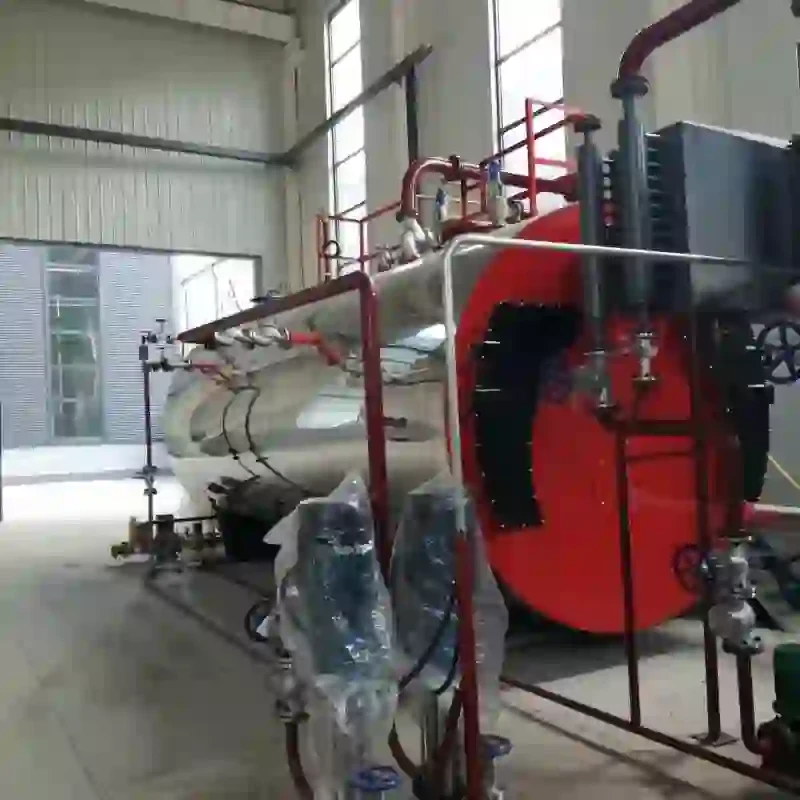
As industries increasingly look towards sustainable solutions, electric boilers are gaining popularity. These boilers use electrical energy to heat water, producing steam without the need for combustion. Electric boilers are known for their efficiency and quick start-up times, making them an excellent choice for operations with intermittent steam requirements. They emit no flue gases, resulting in lower environmental impact, and can be powered by renewable energy sources. However, they may have higher operational costs depending on electricity prices and are best suited for applications where steam requirements are relatively low.
Combination Boilers
Combination boilers, or combi boilers, offer both space heating and hot water capabilities, making them versatile options for various settings. Whether for industrial facilities or commercial buildings, these units can provide both hot water and steam, depending on the operational needs. While more common in residential use, their efficiency and multifunctionality are becoming attractive to certain industrial applications.
Biomass Boilers
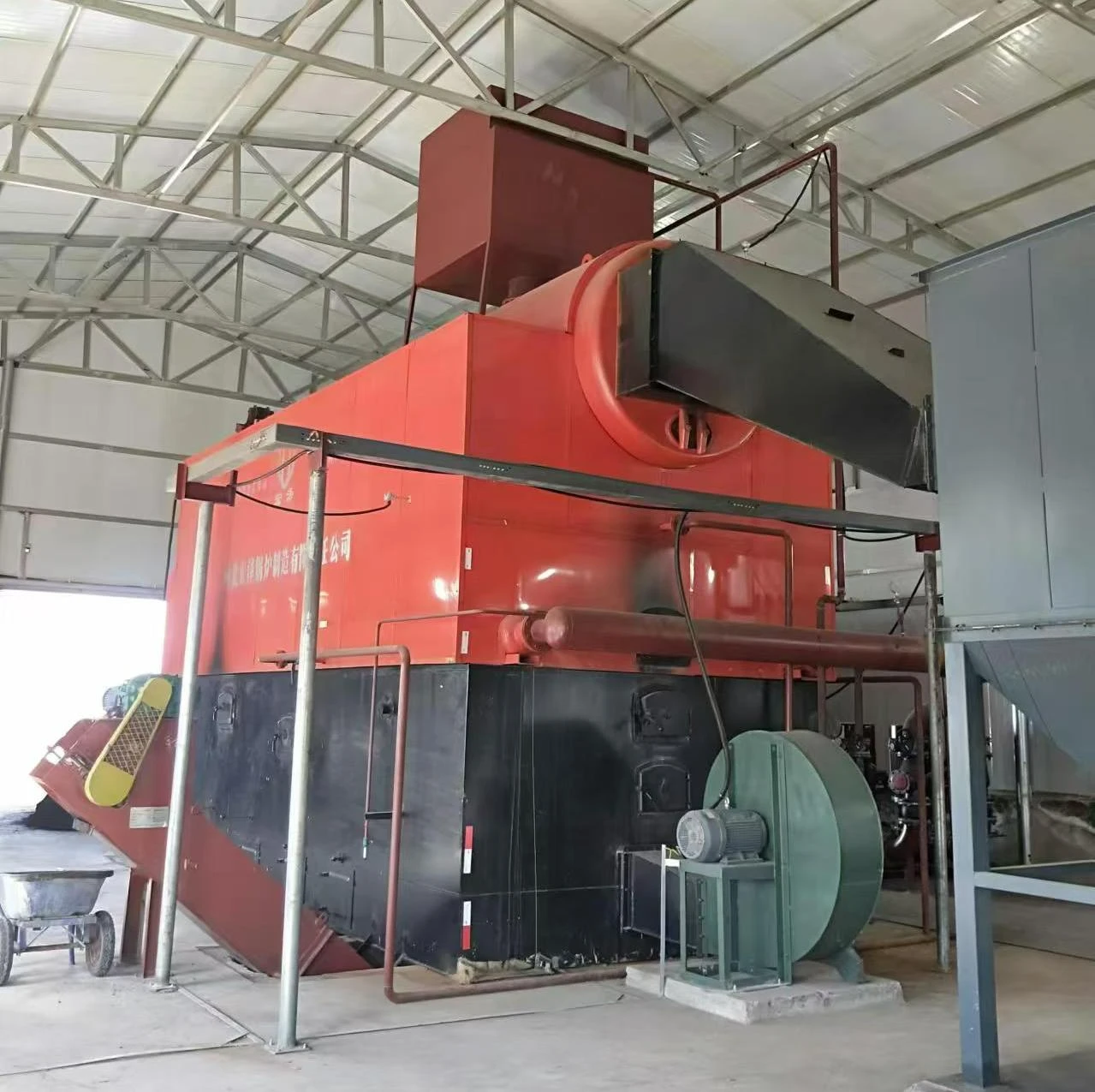
With a global push towards sustainable energy, biomass boilers are gaining traction in various industries. These boilers utilize organic materials, such as wood chips, agricultural residues, or even waste products, as fuel. Biomass boilers are considered carbon-neutral, as the CO2 released during combustion is offset by the carbon absorbed by the plants during their growth. They are particularly suitable for industries focused on sustainability and require a steady supply of biomass fuel.
Conclusion
The selection of a steam boiler in industrial applications depends on various factors, including the specific steam requirements, pressure levels, fuel availability, and environmental considerations. Fire-tube and water-tube boilers remain popular for their reliability and efficiency, while electric and biomass boilers are carving out niches in the sustainable energy landscape. Understanding the different types of steam boilers and their advantages can assist industries in optimizing their operations, reducing costs, and enhancing their overall environmental performance. As technology advances, we can expect further innovations in boiler design and efficiency, making the future of industrial steam generation even more promising.
-
Hot Water Boiler Working Principle Explained: Efficiency, Applications, and Innovations
NewsDec.03,2025
-
Hot Water Boiler Design: Global Insights, Innovations, and Applications
NewsDec.03,2025
-
Understanding Hot Water Heat Boiler Replacement Cost: Factors, Benefits & Trends
NewsDec.03,2025
-
1 Million BTU Steam Boiler - Efficient Steam Solutions for Industry
NewsDec.02,2025
-
250 000 BTU Steam Boiler: Comprehensive Guide to Industrial Steam Power
NewsDec.02,2025
-
What You Need to Know About the 300 000 BTU Steam Boiler: Efficiency & Applications
NewsDec.02,2025


 English
 Arabic
 Bengali
 French
 German
 Hindi
 Indonesian
 Kazakh
 Khmer
 Korean
 Kyrgyz
 Lao
 Latin
 Mongolian
 Nepali
 Russian
 Turkish
 Turkmen
 Uzbek


