




Sep . 26, 2024 02:06 Back to list
Understanding Low Pressure Steam Systems and Their Applications for Efficient Energy Use
Understanding Low Pressure Steam Fundamentals, Applications, and Benefits
Low pressure steam refers to steam that is generated and used at relatively low pressures, usually below 15 psi (pounds per square inch). This type of steam plays a crucial role in various industrial processes and heating applications, providing an efficient and cost-effective solution for many operational needs. Understanding the fundamentals of low pressure steam, its applications, and its benefits can help industries optimize their performance and improve energy efficiency.
Fundamentals of Low Pressure Steam
Steam is created by boiling water, which then expands and transforms into vapor. The pressure at which this steam is generated significantly influences its temperature, energy content, and overall efficiency. Low pressure steam typically operates at temperatures around 250°F (121°C) or less. Due to its lower energy state, low pressure steam is considered safer to handle and transport compared to high-pressure steam, making it suitable for various applications, especially in healthcare, food processing, and manufacturing.
Applications of Low Pressure Steam
1. Heating One of the primary uses of low pressure steam is in heating systems. It is employed in heating buildings, greenhouses, and industrial processes where consistent and controllable heat is required, such as in hospitals and laboratories.
2. Cooking and Food Processing Low pressure steam is extensively used in the food industry for cooking, blanching, sterilizing, and pasteurizing products. For instance, steam ovens utilize low pressure steam for cooking food evenly without drying it out, ensuring the preservation of flavors and nutrients.
3. Laundry Services In commercial laundry facilities, low pressure steam is used in steam boilers and presses for efficient cleaning and finishing of fabrics. The steam helps to eliminate wrinkles and sanitize clothes without damaging delicate fibers.
low pressure steam pressure
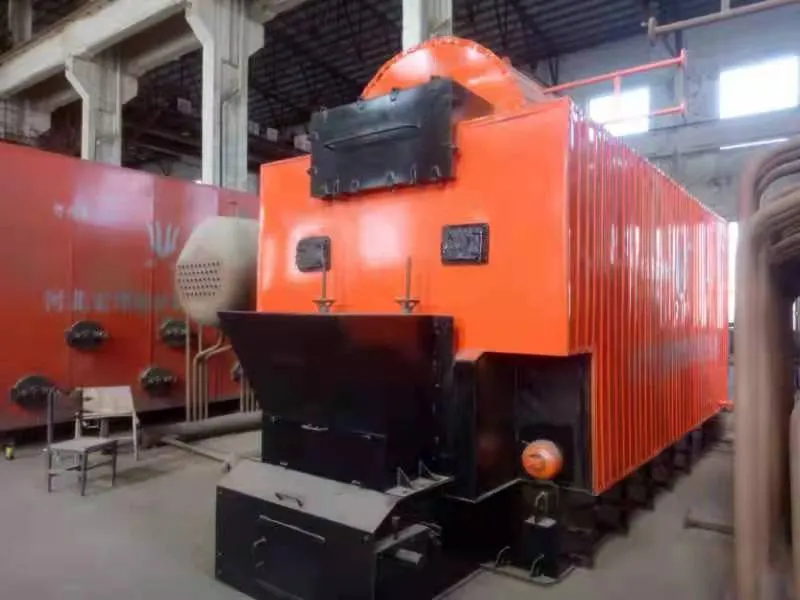
4. Chemical Processes Various chemical manufacturing processes utilize low pressure steam for heating reactants, distillation, and providing process heat. The gentle application of heat ensures reaction conditions are optimized without risking degradation of sensitive materials.
5. Thermal Energy Generation Low pressure steam is also integrated into cogeneration systems, where steam is produced alongside electricity. This dual production allows for efficient use of energy resources, reducing waste and lowering operational costs.
Benefits of Low Pressure Steam
1. Safety Low pressure steam systems are generally safer to operate than high pressure systems. The reduced risk of explosions or severe burns makes them more suitable for environments with personnel such as schools and hospitals.
2. Cost-Effectiveness Operating at lower pressures often translates to lower energy requirements for generating heat. This can lead to significant cost savings in fuel consumption and maintenance over time.
3. Energy Efficiency Low pressure steam can be generated from various sources, including waste heat recovery and renewable energy systems. This versatility allows industries to utilize cleaner energy sources and improve overall sustainability.
4. Ease of Control The lower operating pressures allow for easier and more precise control of steam temperature and supply, which is essential for processes requiring strict adherence to specific conditions.
In conclusion, low pressure steam is a vital component in multiple industries, offering a plethora of applications that enhance operational efficiency. Its safety, cost-effectiveness, and energy-saving potential make it an invaluable resource, enabling industries to optimize their processes while being mindful of environmental impacts. Adopting low pressure steam technology is not just a smart operational choice; it is a sustainable step toward a more efficient future.
-
Hot Water Boiler Working Principle Explained: Efficiency, Applications, and Innovations
NewsDec.03,2025
-
Hot Water Boiler Design: Global Insights, Innovations, and Applications
NewsDec.03,2025
-
Understanding Hot Water Heat Boiler Replacement Cost: Factors, Benefits & Trends
NewsDec.03,2025
-
1 Million BTU Steam Boiler - Efficient Steam Solutions for Industry
NewsDec.02,2025
-
250 000 BTU Steam Boiler: Comprehensive Guide to Industrial Steam Power
NewsDec.02,2025
-
What You Need to Know About the 300 000 BTU Steam Boiler: Efficiency & Applications
NewsDec.02,2025


 English
 Arabic
 Bengali
 French
 German
 Hindi
 Indonesian
 Kazakh
 Khmer
 Korean
 Kyrgyz
 Lao
 Latin
 Mongolian
 Nepali
 Russian
 Turkish
 Turkmen
 Uzbek


