




Dec . 30, 2025 17:25 Back to list
Understanding the Hot Water Boiler Working Principle
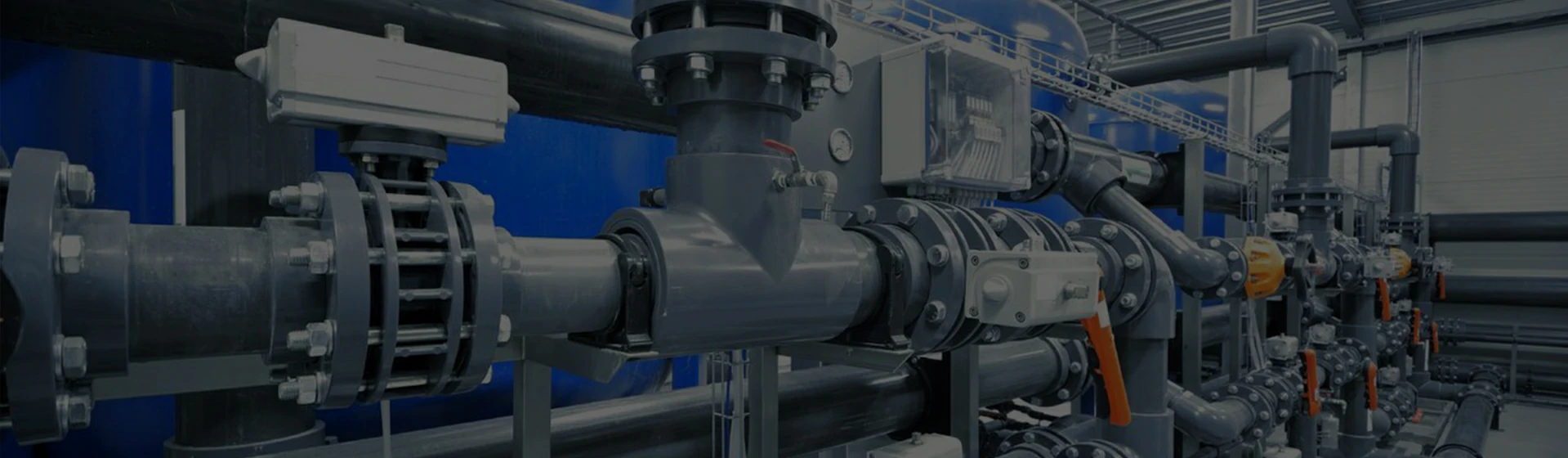
If you have ever wondered how the humble hot water boiler works behind the scenes, you're in for a treat. The hot water boiler working principle may sound technical, but it’s actually a straightforward concept that powers everything from residential heating systems to large-scale industrial operations globally. Grasping this principle is vital not just for engineers and technicians, but for anyone interested in energy efficiency, environmental sustainability, or simply the comfort of a warm home or office.
Why It Matters Globally
Hot water boilers are vital players in the world’s heating infrastructure, contributing significantly to energy efficiency efforts worldwide. According to the International Energy Agency (IEA), heating accounts for roughly 50% of global energy consumption in buildings, making efficient boiler operation crucial to reducing carbon emissions. With urbanization and industrial growth accelerating, understanding the hot water boiler working principle is more important than ever in meeting sustainability goals.
Defining the Hot Water Boiler Working Principle
Simply put, a hot water boiler is a system designed to heat water that’s circulated for heating or industrial processes. The heart of the working principle lies in transferring heat from a fuel source (like natural gas or electricity) into water, elevating it to the desired temperature without boiling, then distributing it via pipes and radiators to deliver warmth or process heat effectively.
It’s kind of like boiling tea, except the goal is consistent hot water rather than steam. This subtle but critical distinction affects safety, energy use, and the design complexity of the systems.
Core Components and Key Factors
1. Heat Source and Combustion
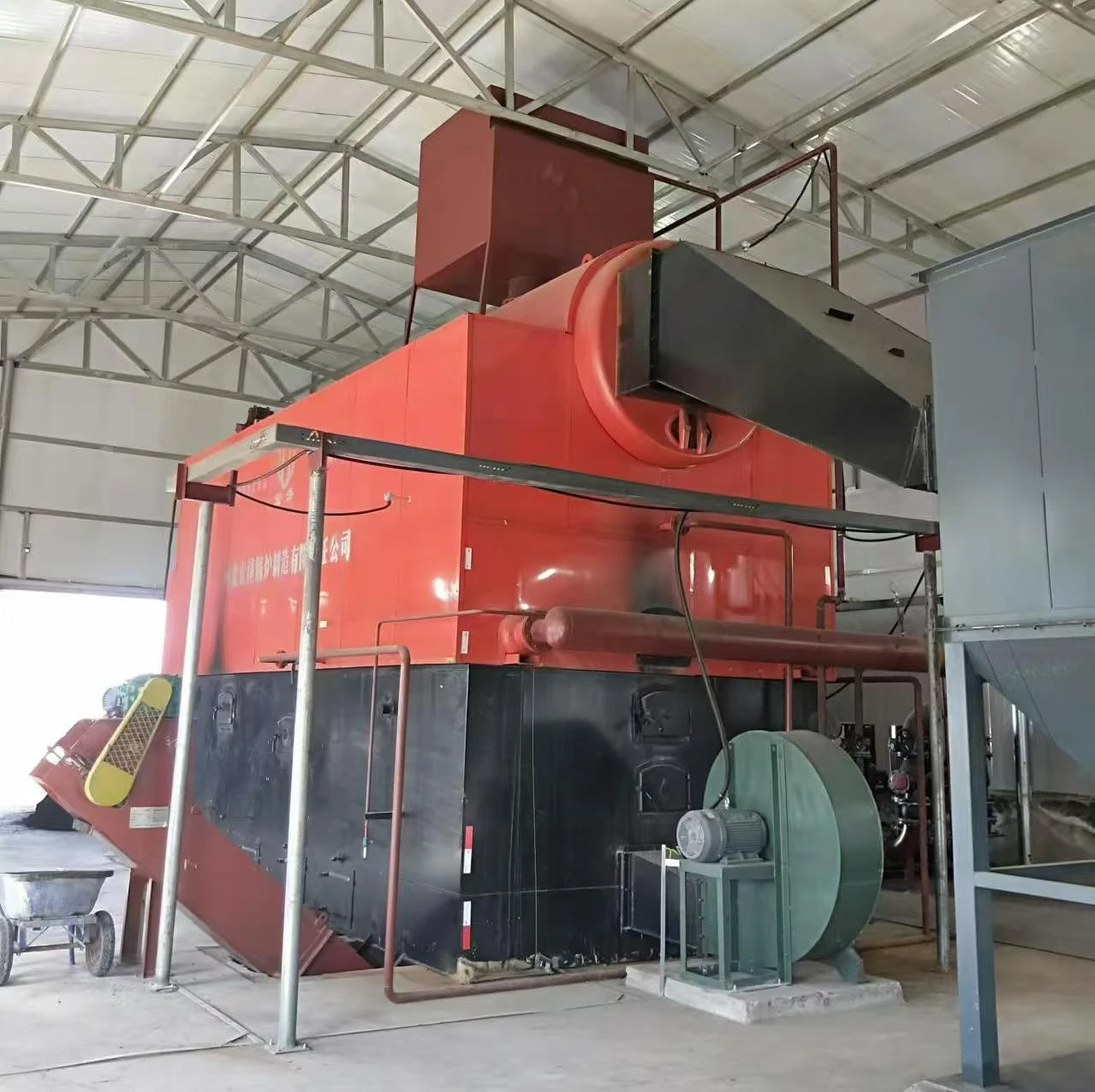
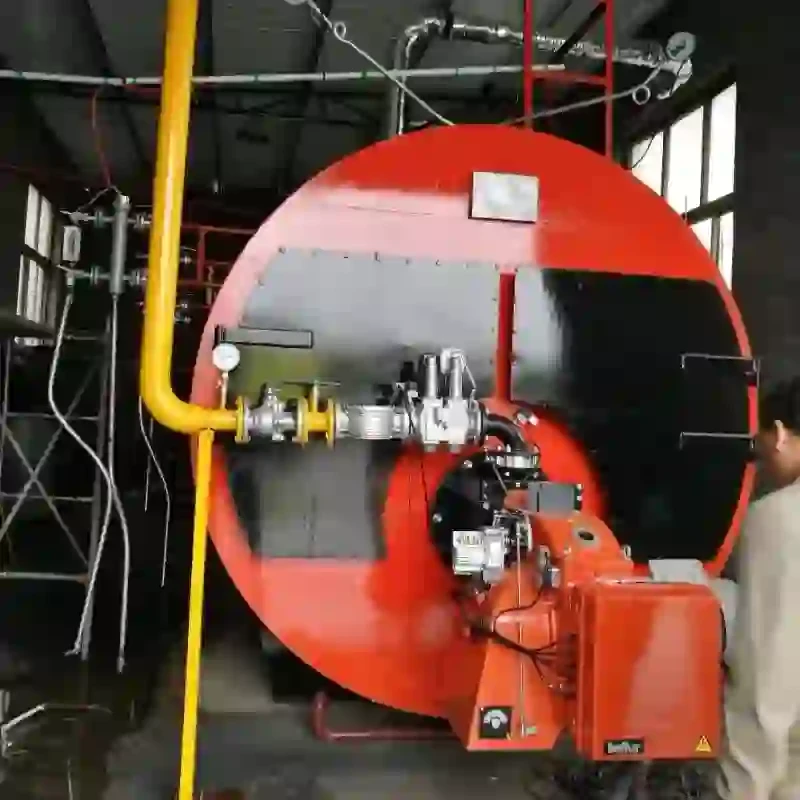
The boiler’s heat source — whether it's gas, oil, electricity, or biomass — initiates combustion or electrical resistance heating. Efficient combustion and flame control directly impact energy consumption and emissions. For instance, modern boilers often feature modulating burners to adjust heat output dynamically.
2. Heat Exchanger Design
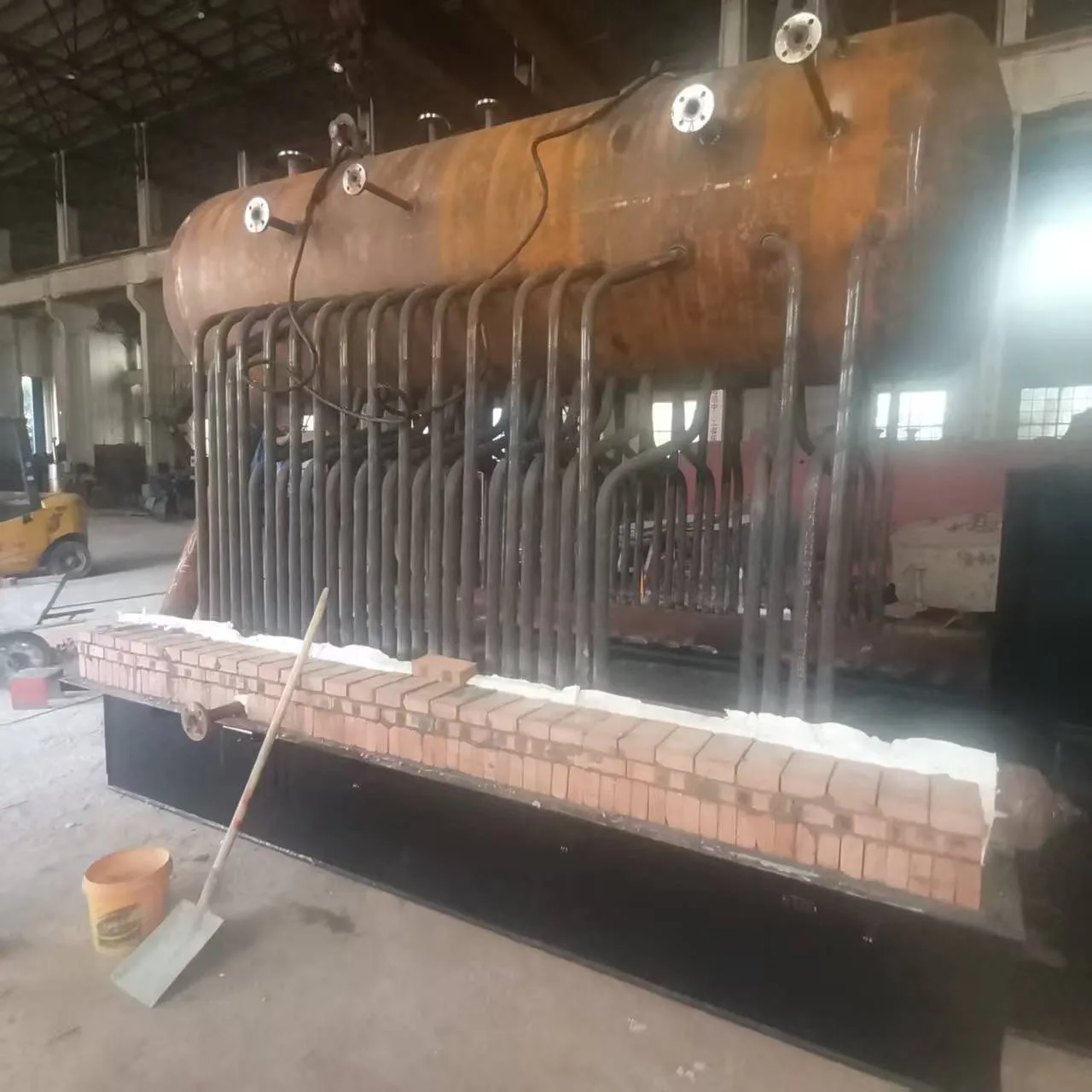
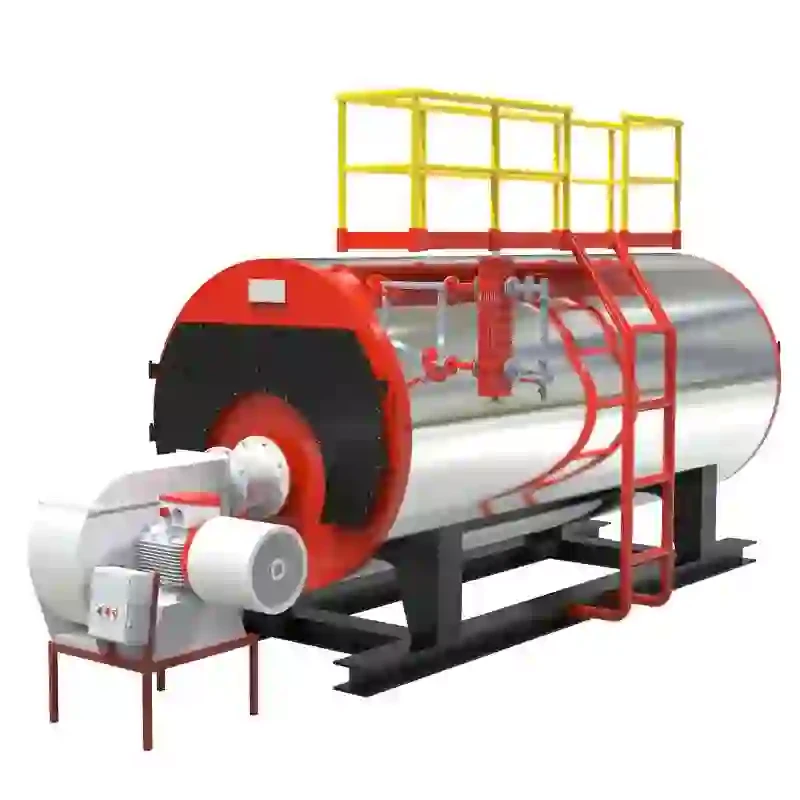
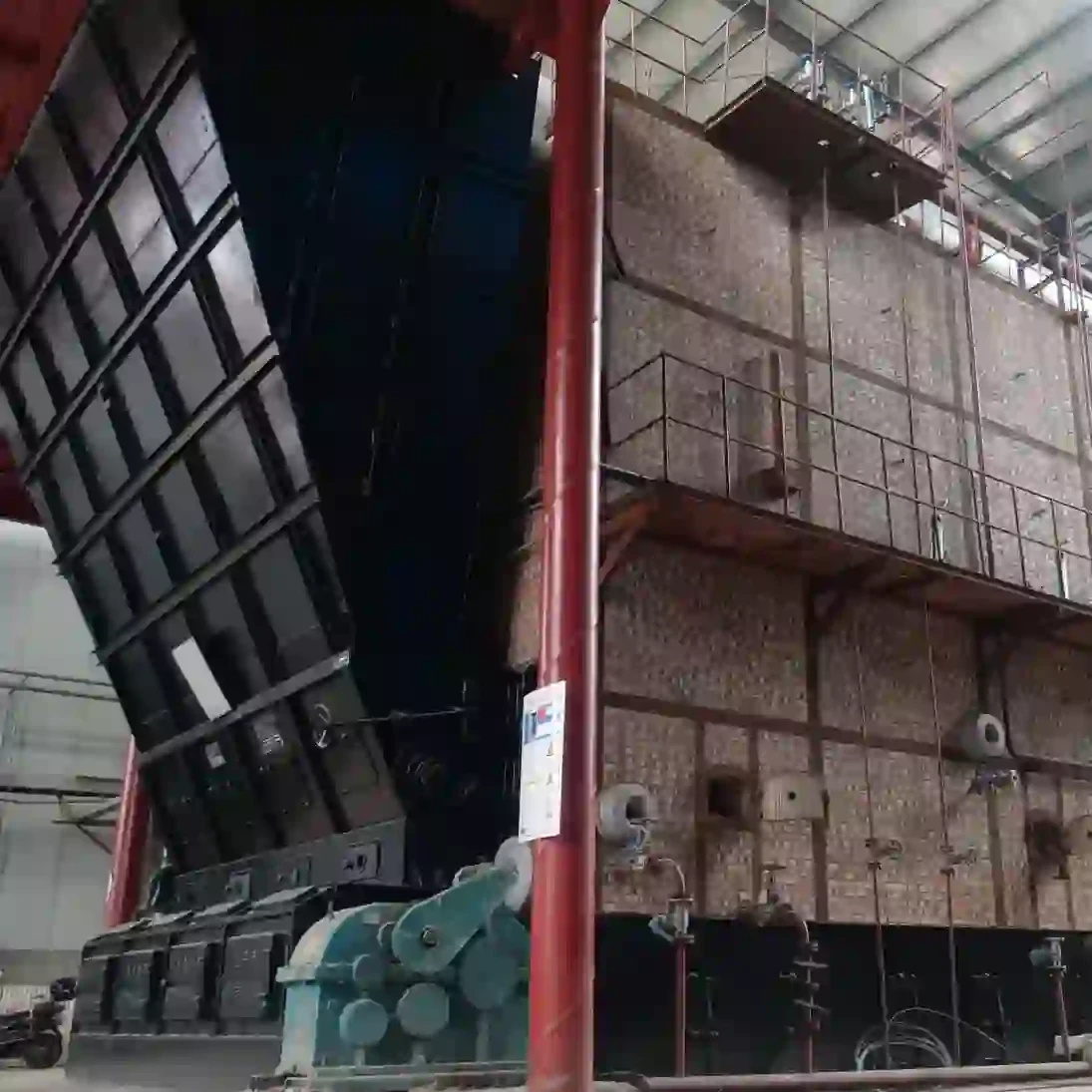
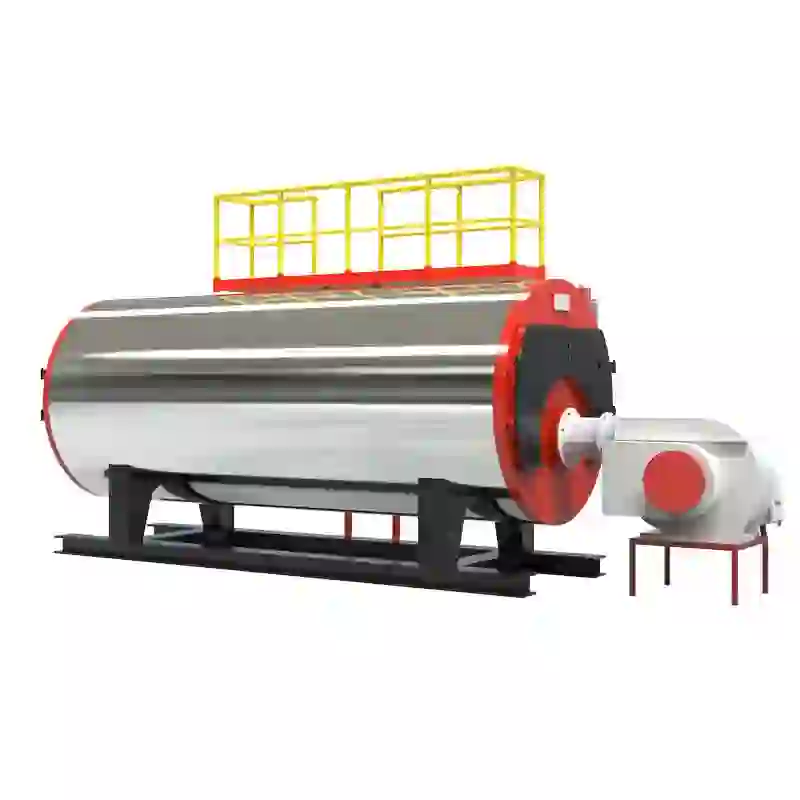
This component transfers heat to the water with minimal losses. Designs vary from fire-tube and water-tube types to advanced layered plate heat exchangers. The material used affects heat conductivity and corrosion resistance, influencing lifespan and maintenance.
3. Water Circulation System
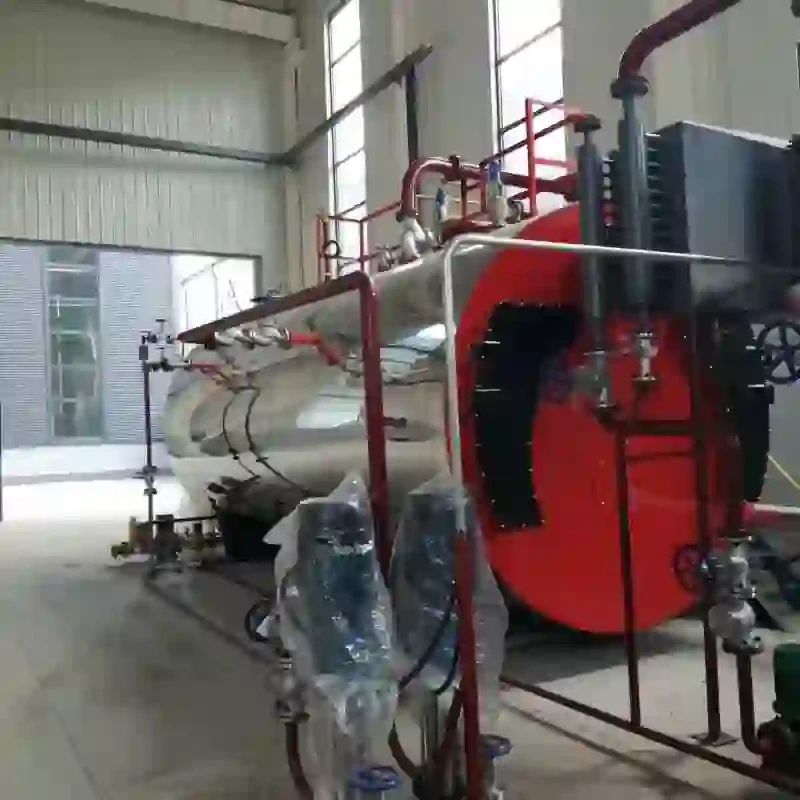
Pumps and piping layouts move heated water efficiently to where it's needed. Proper design minimizes energy spent on circulation and prevents heat loss along the routes.
4. Controls and Safety Features
Temperature and pressure sensors, alongside automated safety shutoffs, ensure the boiler operates within safe limits. Smart controls improve efficiency by adapting to demand fluctuations.
5. Insulation and Housing
Good insulation prevents heat loss from boiler surfaces, improving overall system efficiency and safety.
Mini takeaway: The hot water boiler working principle is a symphony of combustion, heat transfer, circulation, and control — all aimed at delivering reliable, efficient heat.
Global Applications and Real-World Use Cases
Hot water boilers have a wide footprint. In the industrial sector, they support process heating in food production, chemical manufacturing, and textile mills. Oddly enough, you might find similar boilers powering district heating networks in Nordic countries, where cold winters demand energy-efficient solutions.
For humanitarian efforts, mobile and modular hot water boiler systems are essential in refugee camps and post-disaster operations, providing sanitary hot water for hygiene and cooking needs. Remote mining operations in Australia or Canada rely on these systems for worker comfort and equipment maintenance in harsh conditions.
Advantages and Long-Term Value
- Cost Efficiency:Modern hot water boilers optimize fuel use, reducing operational costs.
- Environmental Sustainability:Efficient boilers lower greenhouse gas emissions, aligning with global climate goals.
- Safety and Reliability:Controlled temperature operation minimizes risks compared to steam boilers.
- Social Impact:Access to reliable heating improves quality of life in cold regions, reducing illness and increasing comfort.
It's remarkable how something seemingly mundane can carry so much social and environmental weight.
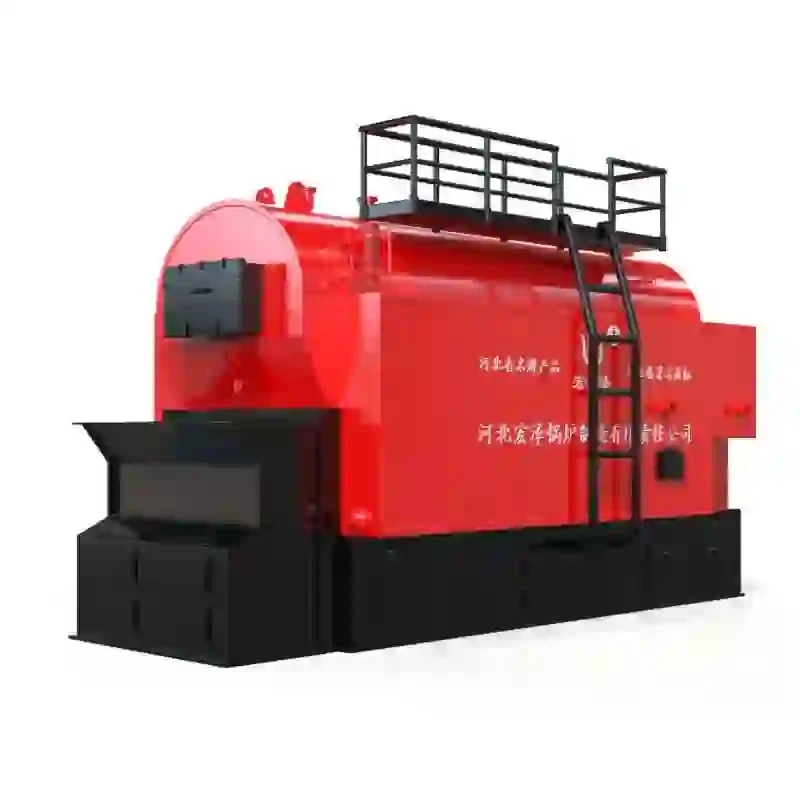
Product Specifications: Typical Hot Water Boiler
|
Specification |
Details |
|
Fuel Type |
Natural Gas / LPG / Electric |
|
Capacity |
50,000 to 2,000,000 BTU/hr |
|
Operating Pressure |
Below 250 psi |
|
Maximum Water Temperature |
180°F to 210°F (82°C - 99°C) |
|
Efficiency |
85% - 95% (varies by model) |
Vendor Comparison Table
|
Feature |
Vendor A |
Vendor B |
Vendor C |
|
Fuel Compatibility |
Gas, LPG |
Electric Only |
Gas, Biomass |
|
Max Capacity (BTU/hr) |
1,500,000 |
500,000 |
2,000,000 |
|
Efficiency (%) |
88 |
90 |
85 |
|
Smart Controls |
Yes |
Limited |
Yes |
|
Warranty (years) |
5 |
3 |
4 |
Future Trends and Innovations
With the global push for greener energy, boilers are evolving too. Frankly, you’ll see a rise in hybrid systems combining boilers with renewable energy sources like solar thermal or geothermal. Digital controls integrated with IoT sensors make monitoring and remote operation more seamless, saving both energy and maintenance costs.
Additionally, emerging materials with better heat retention or anti-corrosive properties promise to extend equipment life, reducing waste and lifecycle emissions. Green certifications, motivated by ISO standards, encourage transparency around efficiency and environmental impact.
Challenges & Practical Solutions
One common hurdle is scaling and corrosion, which can degrade system performance over time, especially with hard water. Regular maintenance schedules and water treatment solutions are vital.
Moreover, integrating old boiler systems with new smart controls poses compatibility challenges — but adaptable retrofit kits are becoming more common. Training operators to understand these evolving systems remains key.
FAQ: Frequently Asked Questions About Hot Water Boiler Working Principle
Q1: How does a hot water boiler differ from a steam boiler?
A hot water boiler heats water to temperatures below boiling, circulating warm water through pipes for heating. A steam boiler produces steam at higher temperatures and pressures. Hot water boilers are generally safer and more energy-efficient for space heating.
Q2: What factors affect the efficiency of hot water boilers?
Fuel type, combustion quality, heat exchanger design, insulation, and proper maintenance all impact efficiency. Newer models with modulating burners and smart controls tend to perform best.
Q3: Can hot water boilers be used with renewable energy?
Yes. Boilers can integrate with solar thermal or biomass systems, reducing fossil fuel dependence and improving sustainability.
Q4: What safety features should I look for in a hot water boiler?
Look for temperature and pressure relief valves, automated shutoffs, sensors, and proper certification from recognized bodies ensuring safe operation.
In Conclusion
Understanding the hot water boiler working principle isn’t just about the equipment — it’s about recognizing a vital link in our energy ecosystem that touches everyday life, industry, and environmental sustainability. The long-term benefits include cost savings, reduced emissions, and improved safety, which frankly, make it a worthy focus area for engineers and policymakers alike.
If you want to dive deeper into how these systems work and explore the latest innovations, do visit our site: https://www.hzsteamboiler.com. Warmth, efficiency, and sustainability could all be just a click away.
- International Energy Agency. “Heating.” iea.org
2. ISO 3046-1:1995, "Reciprocating internal combustion engines — Performance — Part 1: Test Methods" (related standards for thermal efficiency)
3. Wikipedia contributors. “Water-tube boiler.” en.wikipedia.org
-
Industrial Natural Gas Steam Boiler High Efficiency System Guide
NewsApr.16,2026
-
Maximize Industrial Productivity with High Efficiency Gas Steam Boiler
NewsApr.09,2026
-
Comprehensive Guide to Industrial Steam Heater Systems and Applications
NewsApr.07,2026
-
Comprehensive Guide to Low Pressure Steam Boilers and Their Applications
NewsApr.04,2026
-
Understanding High Pressure Steam Boiler Technology and Industrial Applications
NewsMar.31,2026
-
Comprehensive Guide to High Efficiency Steam Boiler Systems and Applications
NewsMar.28,2026


 English
  Arabic
  Bengali
  French
  German
  Hindi
Hindi  Indonesian
  Kazakh
  Khmer
Khmer  Korean
  Kyrgyz
  Lao
Lao  Latin
Latin  Mongolian
  Nepali
  Russian
  Turkish
  Turkmen
  Uzbek
Uzbek 


