




Dec . 03, 2025 20:24 Back to list
What Is a Biomass Heating System? Explained by Industry Expert
What Is a biomass heating system? A Practical Insight
Having spent more than a decade in the industrial equipment sector, especially focusing on sustainable energy solutions, I can tell you biomass heating systems are quite fascinating — and often underrated. They’re a kind of heating technology that uses organic materials, commonly called biomass, as fuel. Think wood pellets, agricultural waste, or even certain types of energy crops. Unlike fossil fuel boilers that rely on finite resources, biomass heating taps into renewable inputs, offering a greener footprint — though it’s far from a magic bullet.
In real terms, a biomass heating system works by burning these biological materials to generate heat for buildings or industrial processes. The heat output can be used directly, or to produce steam or hot water. You’ve probably come across these systems in places aiming to reduce carbon emissions without giving up on reliable, robust heating — universities, manufacturing plants, rural estates, or district heating projects.
One thing I’ve noticed over years of working alongside OEMs and installers is that the design and build quality of the biomass boilers matter enormously. You want a system that not only burns efficiently but has built-in ash removal, good fuel handling, and most importantly, emissions controls that meet strict regulations. That’s where companies like HZ Steamboiler have made their name — with reliability and careful attention to operational practicality.
How Does a Biomass Heating System Work?
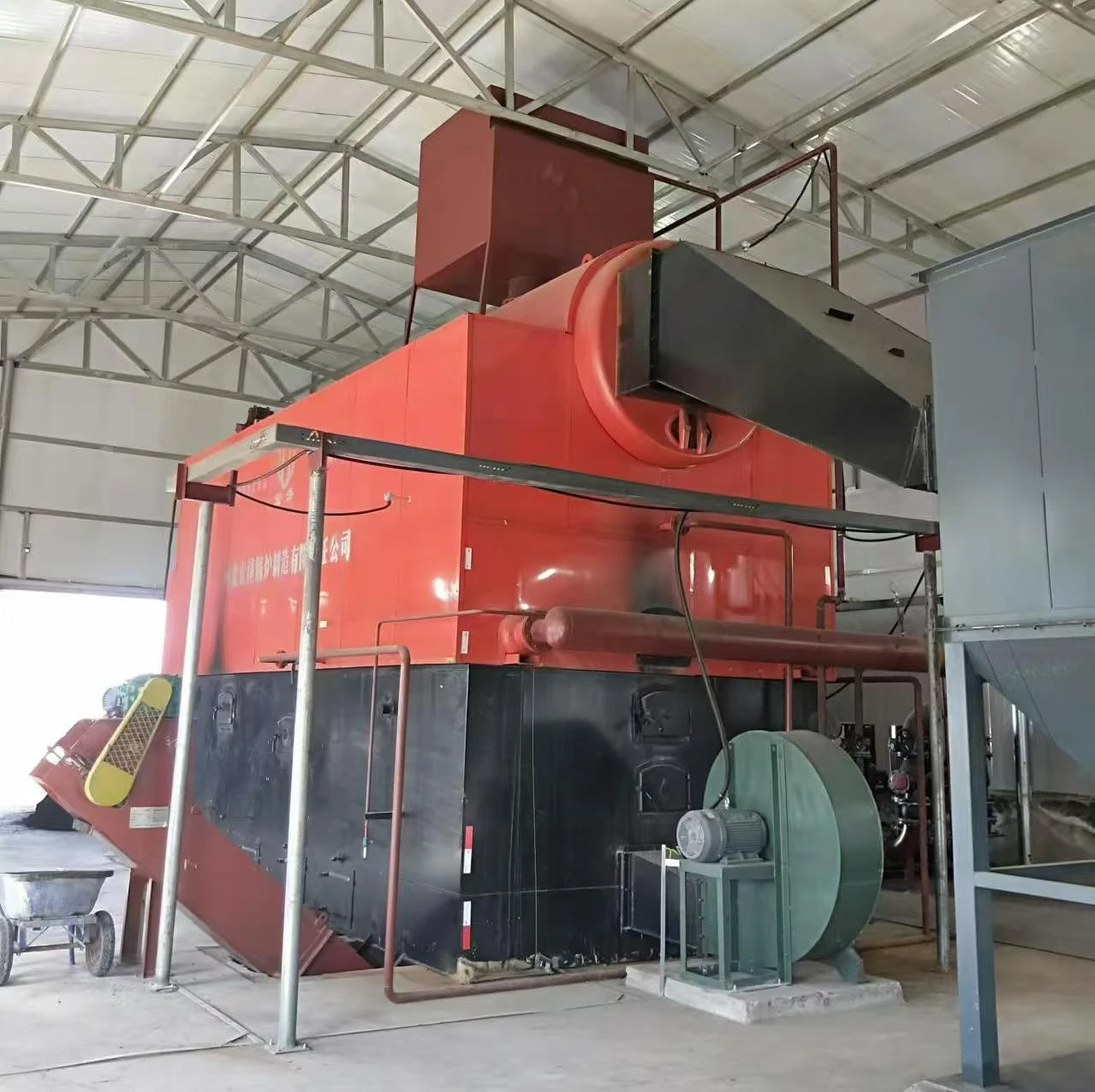
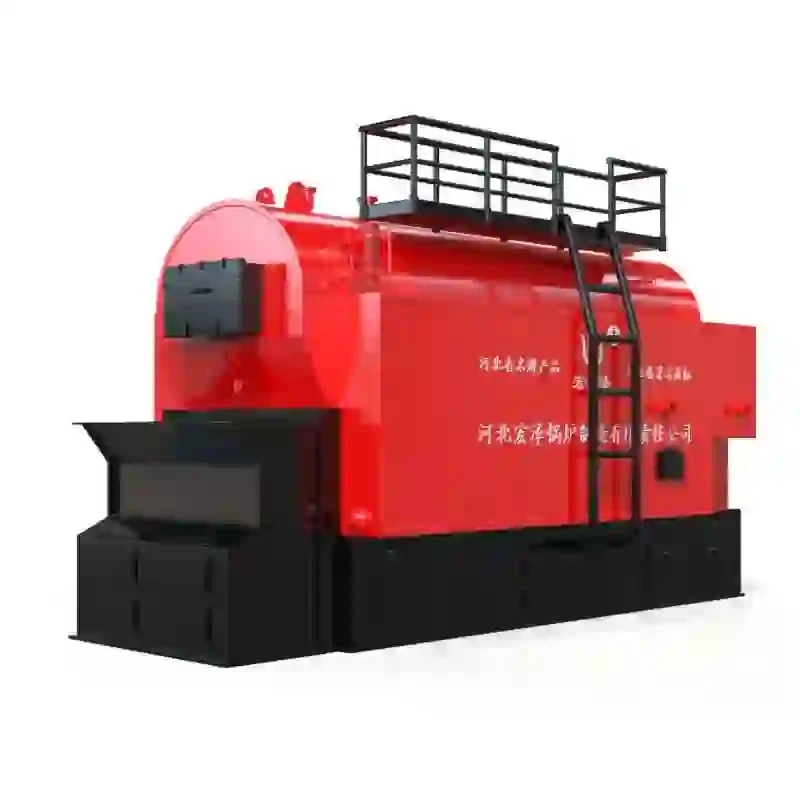
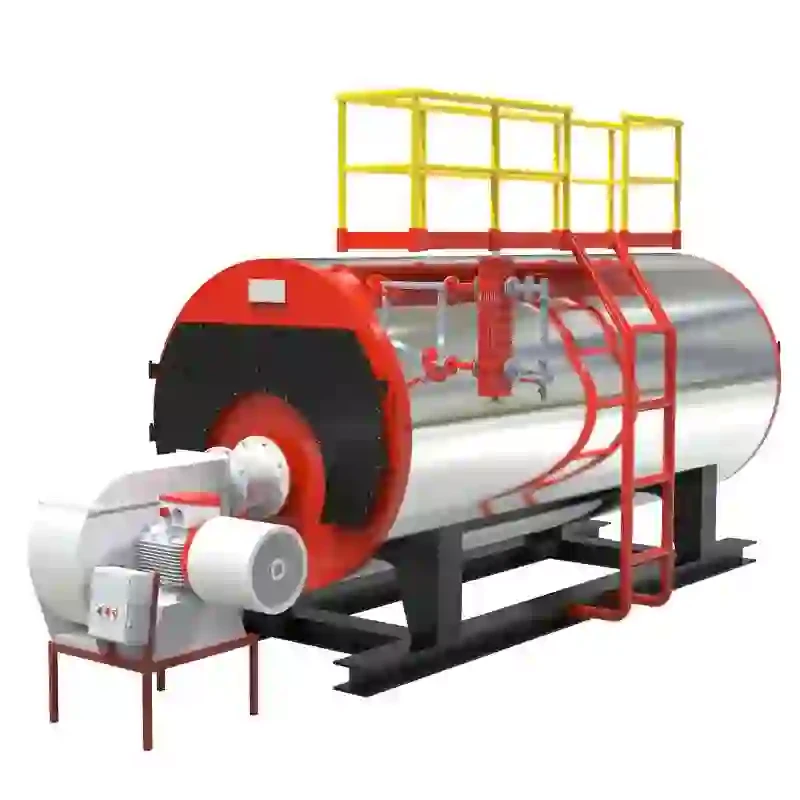
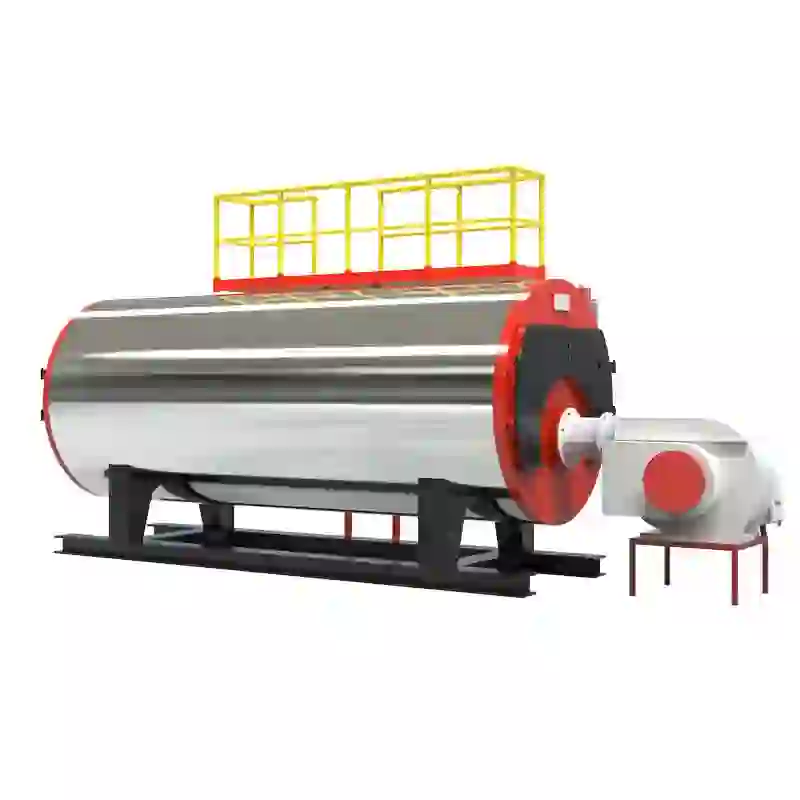
From a technical perspective, these systems typically consist of a fuel storage area, the boiler unit where combustion occurs, and a heat distribution system. A fuel feeding mechanism ensures steady combustion, either by automated augers or manual loading. Combustion generates heat transferred to water or steam, which then circulates for space heating or industrial applications.
Oddly enough, maintenance frequency is one of the differentiators in long-term operation costs. If you think it’s just “set and forget,” you’d be mistaken. Regular checks on the combustion chamber, ash extraction systems, and fuel quality go a long way. I recall a customer’s plant manager stressing how their downtime dropped significantly after switching to a smarter biomass boiler with integrated monitoring.
Advantages of Biomass Heating Systems
- Renewable Fuel Source: Using wood chips or agricultural by-products means a closed carbon cycle, unlike coal or oil.
- Energy Security: Local sourcing reduces dependence on imported fuels.
- Cost-Effective Operation: Fuel costs tend to be more stable and sometimes cheaper over time.
- Scalability: Applicable for small farms or large industrial setups alike.
Yet, biomass systems do come with their quirks. Fuel storage requires space and protection from moisture; ash by-products need disposal. And frankly, installation can be complex — you’re integrating combustion tech with heat distribution in sometimes legacy infrastructure.
Basic Product Specifications of a Typical Biomass Boiler
| Specification | Details |
|---|---|
| Fuel Type | Wood pellets, chips, agricultural waste |
| Thermal Output Range | 50 kW – 5,000 kW |
| Fuel Feeding | Automatic auger or manual loading |
| Combustion Efficiency | 85% – 92% |
| Emissions Control | Cyclone filters, electrostatic precipitators |
| Control System | PLC with touchscreen interface |
Vendor Comparison: Biomass Boiler Manufacturers
| Feature | HZ Steamboiler | Vendor B | Vendor C |
|---|---|---|---|
| Thermal Output Range | 50 – 5000 kW | 100 – 3000 kW | 75 – 4000 kW |
| Fuel Flexibility | High (pellets, chips, waste) | Medium (pellets, chips) | Low (pellets only) |
| Emissions Control | Advanced filters & sensors | Standard cyclone filters | Basic dust collectors |
| Control Interface | PLC touchscreen, remote monitoring | Manual controls | Basic digital display |
| Installation Support | Full on-site commissioning | Remote technical support | Limited support |
In my experience, biomass heating systems strike a great balance when you want to cut down carbon emissions but don’t want to overhaul your entire energy setup. They aren’t as plug-and-play as some electric solutions, arguably, but the reliability and cost-effectiveness over the long haul tend to win people over. Plus, it’s rewarding to know your heat comes from a renewable source — kind of feels like doing the planet a favor, honestly.
So, if you’re navigating options and want to explore proven, industrial-scale biomass boilers, definitely take a deeper look at trusted manufacturers like HZ Steamboiler. Their integrated approach and fuel flexibility give them an edge, and from what I've seen visiting their factory floor and talking to their engineers, it’s not just marketing hype.
In the end, biomass heating is not just about technology. It’s about adapting to a changing energy landscape, sustainability goals, and practical, real-world demands. And that’s what makes it so interesting — the blend of old-school combustion with cutting-edge environmental controls. I suppose that mix keeps me coming back to these systems year after year.
References:
- European Biomass Association – Industry reports (2023)
- HZ Steamboiler official product catalog and technical sheets
- Personal interviews with onsite plant engineers (2015-2023)
-
Industrial Natural Gas Steam Boiler High Efficiency System Guide
NewsApr.16,2026
-
Maximize Industrial Productivity with High Efficiency Gas Steam Boiler
NewsApr.09,2026
-
Comprehensive Guide to Industrial Steam Heater Systems and Applications
NewsApr.07,2026
-
Comprehensive Guide to Low Pressure Steam Boilers and Their Applications
NewsApr.04,2026
-
Understanding High Pressure Steam Boiler Technology and Industrial Applications
NewsMar.31,2026
-
Comprehensive Guide to High Efficiency Steam Boiler Systems and Applications
NewsMar.28,2026


 English
  Arabic
  Bengali
  French
  German
  Hindi
Hindi  Indonesian
  Kazakh
  Khmer
Khmer  Korean
  Kyrgyz
  Lao
Lao  Latin
Latin  Mongolian
  Nepali
  Russian
  Turkish
  Turkmen
  Uzbek
Uzbek 


