




Dec . 10, 2024 02:48 Back to list
Exploring Fuel Options for Your Biomass Boiler System
What Can You Burn in a Biomass Boiler?
In recent years, biomass boilers have gained popularity as sustainable heating solutions for both residential and commercial applications. These systems utilize organic materials as fuel, converting waste into energy while minimizing environmental impact. However, what exactly can be burned in a biomass boiler? Understanding the types of biomass fuels available can help users optimize their systems and benefit from renewable energy sources.
1. Wood Pellets
One of the most common fuels used in biomass boilers is wood pellets. These pellets are made from compressed sawdust and wood shavings, which are dried and formed into small, cylindrical shapes. They are favored for their high energy content, consistency in size, and low moisture levels. Wood pellets are also eco-friendly, as they come from sustainable forestry practices and produce minimal emissions when burned.
2. Wood Chips
Wood chips are another popular biomass fuel option. They consist of small pieces of wood that can be sourced from a variety of by-products, including tree trimmings, sawmill residues, and other wood waste. Unlike wood pellets, wood chips have a larger size and may have a higher moisture content, which can affect the boiler's efficiency. However, if sourced and processed correctly, they can still provide a cost-effective and renewable heating solution.
3. Agriculture Residues
Farmers can utilize agricultural residues such as straw, corn stover, and rice husks as biomass fuel in boilers. These materials are often left over after harvesting crops and can be a great way to reduce waste while generating energy. Utilizing agricultural residues not only provides thermal energy but also contributes to a more sustainable form of farming by recycling waste materials back into the energy supply chain.
4. Energy Crops
what can you burn in a biomass boiler
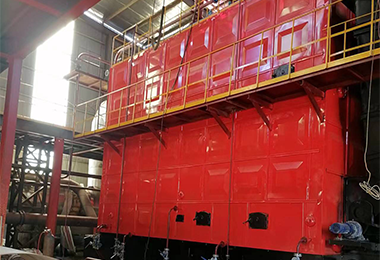
Dedicated energy crops, such as miscanthus, switchgrass, and giant reed, are specifically cultivated for their biomass energy potential. These plants are chosen for their rapid growth rates and high-yield characteristics, making them suitable for energy production. When burned, energy crops can provide a consistent and reliable source of heat, often with lower emissions compared to traditional fossil fuels.
5. Biogas
While not a solid fuel, biogas produced from anaerobic digestion of organic materials can also be utilized in biomass heating systems. This gaseous fuel can be sourced from livestock manure, food waste, and other organic materials, and when burned, it generates heat energy efficiently. Biogas boilers can offer an excellent way to reduce greenhouse gas emissions while managing waste effectively.
6. Bamboo and Other Fast-Growing Plants
Bamboo and other fast-growing plant species offer yet another avenue for biomass fuel. Due to their rapid growth cycles and renewability, these plants can be harvested sustainably with little environmental impact. Bamboo, in particular, is known for its high calorific value and can be processed similarly to wood pellets or chips.
7. Waste Wood
Many biomass boilers can also accommodate waste wood, such as discarded furniture, pallets, or construction debris, as long as the material is free from harmful contaminants like paint or chemicals. This makes waste wood a noteworthy option for users seeking eco-friendly fuel sources while minimizing waste going to landfills.
Conclusion
Biomass boilers present a versatile and sustainable heating solution by utilizing various organic materials as fuel. From wood pellets and chips to agricultural residues and biogas, the options are diverse and can suit different settings and preferences. Understanding what can be burned in biomass boilers allows users to make informed decisions, optimize efficiency, and contribute positively to the environment through the utilization of renewable energy resources. As the world increasingly moves toward sustainable practices, biomass energy stands out as a viable and effective means to meet heating demands.
-
Hot Water Boiler Working Principle Explained: Efficiency, Applications, and Innovations
NewsDec.03,2025
-
Hot Water Boiler Design: Global Insights, Innovations, and Applications
NewsDec.03,2025
-
Understanding Hot Water Heat Boiler Replacement Cost: Factors, Benefits & Trends
NewsDec.03,2025
-
1 Million BTU Steam Boiler - Efficient Steam Solutions for Industry
NewsDec.02,2025
-
250 000 BTU Steam Boiler: Comprehensive Guide to Industrial Steam Power
NewsDec.02,2025
-
What You Need to Know About the 300 000 BTU Steam Boiler: Efficiency & Applications
NewsDec.02,2025


 English
 Arabic
 Bengali
 French
 German
 Hindi
 Indonesian
 Kazakh
 Khmer
 Korean
 Kyrgyz
 Lao
 Latin
 Mongolian
 Nepali
 Russian
 Turkish
 Turkmen
 Uzbek


