




Nov . 10, 2024 20:09 Back to list
Understanding What Fuel Sources a Biomass Boiler Utilizes for Heating
What Does a Biomass Boiler Burn?
Biomass boilers are an increasingly popular choice for both residential and commercial heating systems. They are celebrated for their sustainability and efficiency, utilizing organic materials to generate heat and, in some cases, electricity. But what exactly does a biomass boiler burn? The answer lies in a variety of renewable biological materials that can be sourced locally, minimizing the carbon footprint associated with heating.
Understanding Biomass
Biomass is defined as any organic material that comes from plants and animals. This includes a wide range of materials that can be used as fuel in a biomass boiler. Common examples include wood pellets, wood chips, sawdust, agricultural residues, and even specific types of waste such as yard waste or food scraps. The versatility of biomass means that a variety of fuel sources may be employed depending on local availability and specific heat requirements.
Common Biomass Fuels
1. Wood Pellets Perhaps the most widely recognized biomass fuel, wood pellets are small, cylindrical pieces made from compressed sawdust and wood shavings. They are known for their high energy density and consistent burn quality, making them a preferred choice for many biomass boiler systems. Their production is efficient, and they can be sourced from sustainable forestry practices.
2. Wood Chips These are larger than pellets and are produced from raw wood. Wood chips are often used in larger commercial and industrial biomass boilers. They can include bark, leaves, and branches, providing a cost-effective heating solution as they are generally less processed than wood pellets.
3. Sawdust Generated as a by-product of wood processing, sawdust can be used as a fuel in biomass boilers. Some boilers are specifically designed to efficiently burn sawdust and can handle the varying moisture content that comes with using such materials.
4. Agricultural Residues This category includes leftover plant materials from agricultural production. Examples are straw, corn stalks, and rice husks. Using these residues not only helps reduce waste but also promotes a circular economy wherein agricultural producers can turn a by-product into an energy source.
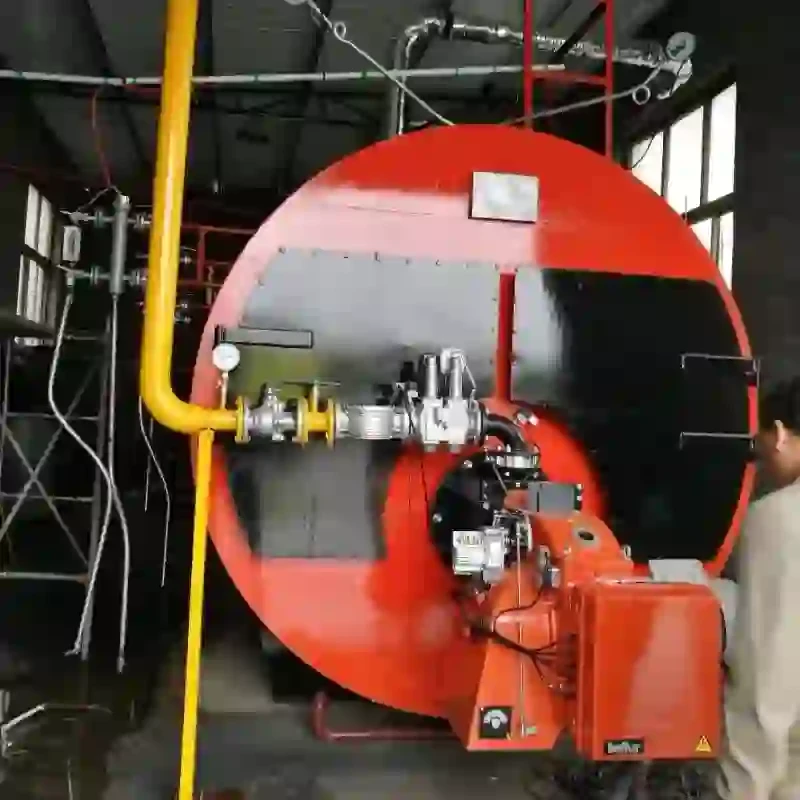
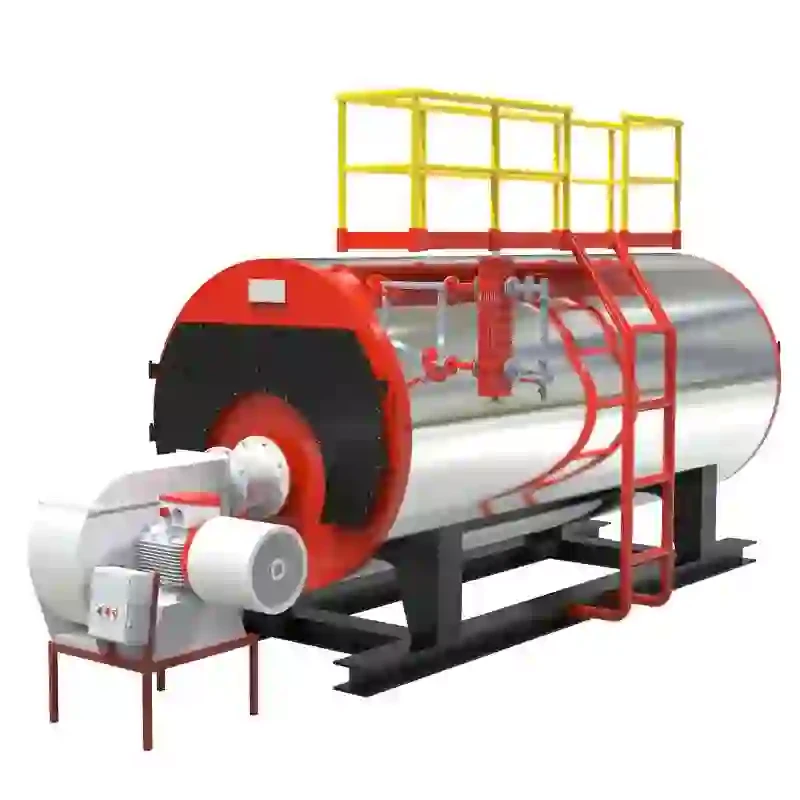
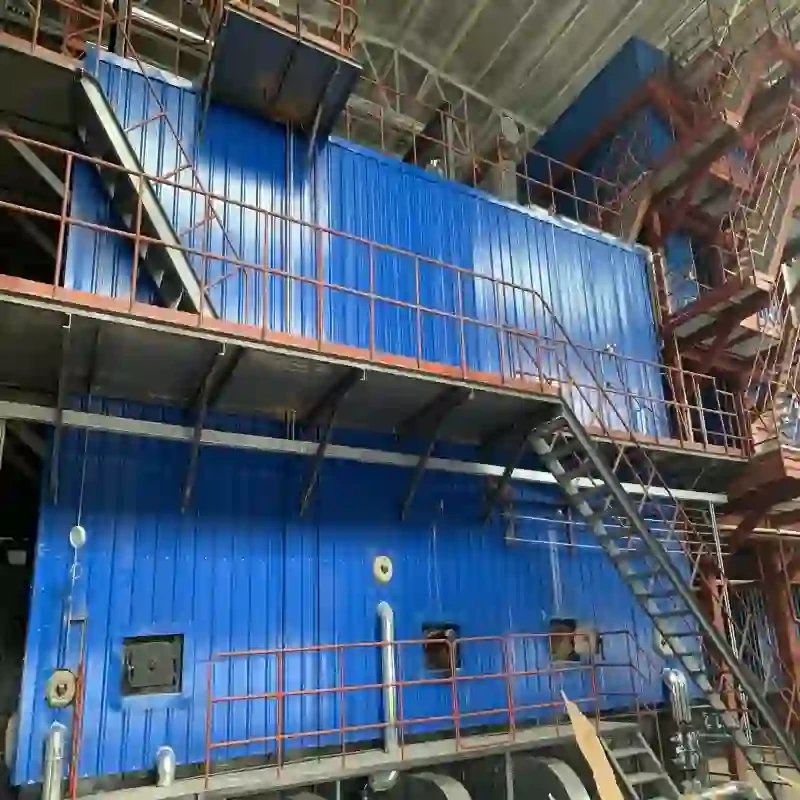
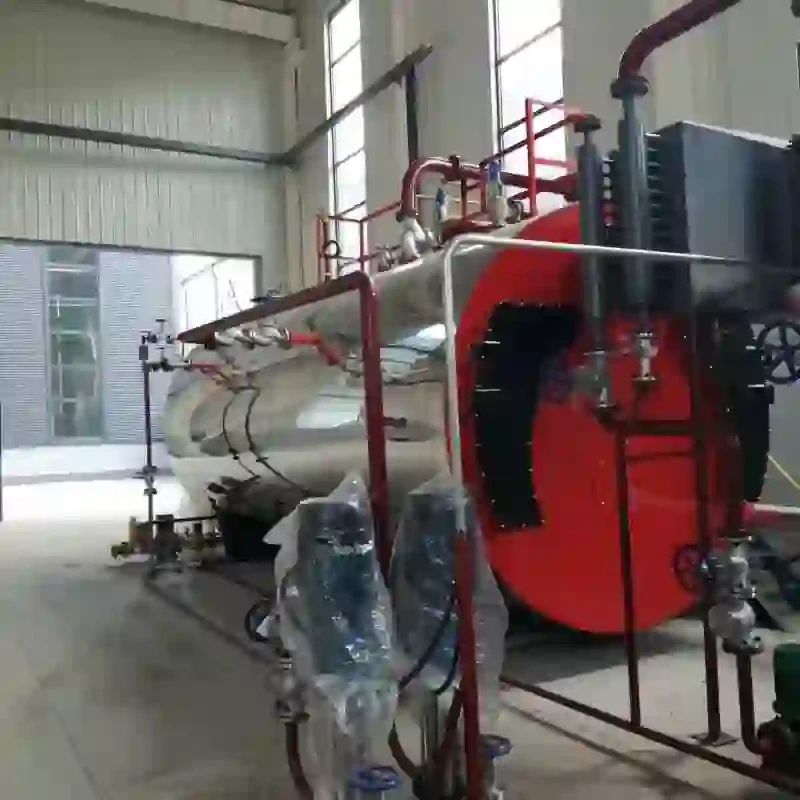
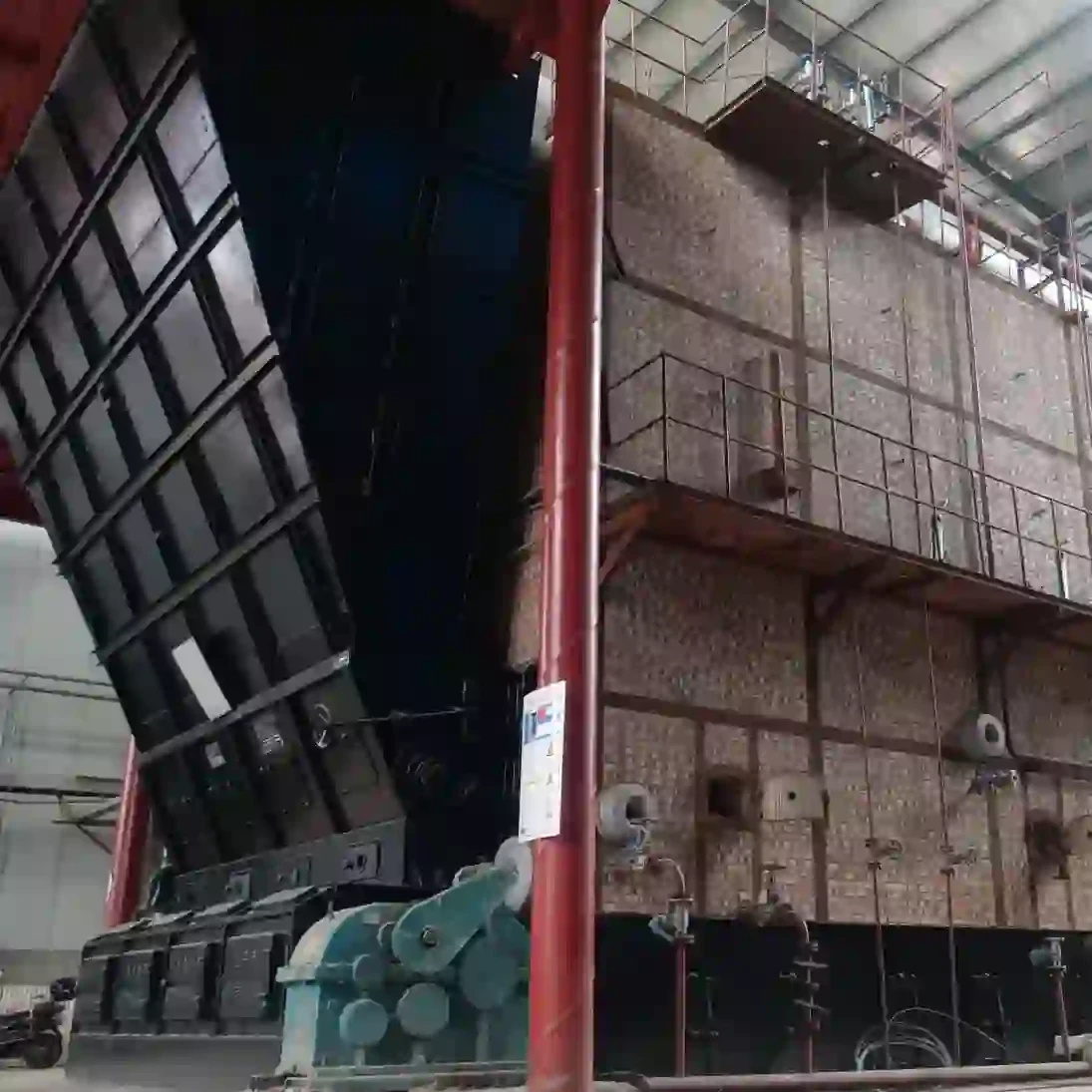
what does a biomass boiler burn
5. Energy Crops These are plants grown specifically for energy production. Examples include miscanthus, switchgrass, and certain varieties of specialized trees. These crops are cultivated with the intention of securing high yields of biomass, making them an excellent energy source for biomass boilers.
6. Waste Materials Biomass boilers can also utilize certain types of municipal or industrial waste, such as yard waste or food production by-products. This approach leverages materials that might otherwise end up in landfills, thus contributing to waste reduction goals.
Environmental Impact
Burning biomass is often regarded as carbon-neutral, as the carbon dioxide released during combustion is approximately equal to the carbon dioxide absorbed by the plants during their growth. This property makes biomass a sustainable alternative to fossil fuels. However, it is crucial that the biomass is sourced sustainably. Unsustainable harvesting practices can lead to deforestation and habitat destruction, negating the environmental benefits of biomass energy.
Boiler Efficiency and Design
The type of biomass fuel used can influence the efficiency of the boiler. Each type of biomass has different combustion characteristics, moisture contents, and ash production levels, which means that not all biomass boilers are designed to burn every kind of biomass fuel. Thus, boiler design must take into account the specific fuel that will be used. Some high-efficiency boilers are equipped with advanced combustion technology that enables them to burn a variety of biomass materials, while others may require specific types of fuel for optimal performance.
Conclusion
Biomass boilers represent a vital component in the transition towards sustainable energy practices. They burn a range of organic materials, including wood pellets, wood chips, agricultural residues, energy crops, and waste materials, thereby providing a renewable source of heat and reducing our reliance on fossil fuels. As technology advances and the efficiency of biomass systems improves, we can expect to see an even greater emphasis placed on these eco-friendly heating solutions in the years to come.
-
Hot Water Boiler Working Principle Explained: Efficiency, Applications, and Innovations
NewsDec.03,2025
-
Hot Water Boiler Design: Global Insights, Innovations, and Applications
NewsDec.03,2025
-
Understanding Hot Water Heat Boiler Replacement Cost: Factors, Benefits & Trends
NewsDec.03,2025
-
1 Million BTU Steam Boiler - Efficient Steam Solutions for Industry
NewsDec.02,2025
-
250 000 BTU Steam Boiler: Comprehensive Guide to Industrial Steam Power
NewsDec.02,2025
-
What You Need to Know About the 300 000 BTU Steam Boiler: Efficiency & Applications
NewsDec.02,2025


 English
  Arabic
  Bengali
  French
  German
  Hindi
Hindi  Indonesian
  Kazakh
  Khmer
Khmer  Korean
  Kyrgyz
  Lao
Lao  Latin
Latin  Mongolian
  Nepali
  Russian
  Turkish
  Turkmen
  Uzbek
Uzbek 


