




Jan . 02, 2026 06:25 Back to list
Steam Boiler Working Pressure Explained for Industrial Users
Understanding steam boiler working pressure: What really matters?
Having been around industrial steam equipment for over a decade, I can tell you the term steam boiler working pressure isn’t just a technical spec—it’s really the heartbeat of the entire system. It defines how the boiler performs, how safe it is, and what applications it can handle. Frankly, if you aren’t quite clear on this pressure concept, you might be heading for trouble down the line.
To start, let’s get our heads around what working pressure means in real terms. It’s the maximum pressure the boiler is designed to operate at continuously under normal operating conditions. Think of it as the “safe zone” pressure ceiling — if you go above it (even momentarily), you risk equipment damage, safety risks, and regulatory non-compliance.
Oddly enough, many newcomers assume higher working pressure is always better. Not quite. It depends on your steam usage—higher pressure means hotter steam and more energy density, which is great for power generation or high-temperature processes. But for low-pressure heating or humidification, a modest working pressure suffices and actually reduces wear on the boiler.
From my experience, the choice of boiler working pressure is closely tied to design and materials. A carbon steel shell rated for 1.5 MPa (about 217 psi) feels different than a high-alloy steel vessel built for 6 MPa (around 870 psi). These materials undergo intense testing before installation. And yes, you want proof—hydrostatic tests, non-destructive tests, and proper certifications are a must. I remember a plant where we caught a flawed weld thanks to rigorous pressure testing: a small snag, but it saved potential disaster.
Now, for those hunting specs, here’s a quick snapshot of typical boiler specs based on different pressure classes:
| Boiler Type | Working Pressure (MPa) | Steam Temp (°C) | Fuel Type |
|---|---|---|---|
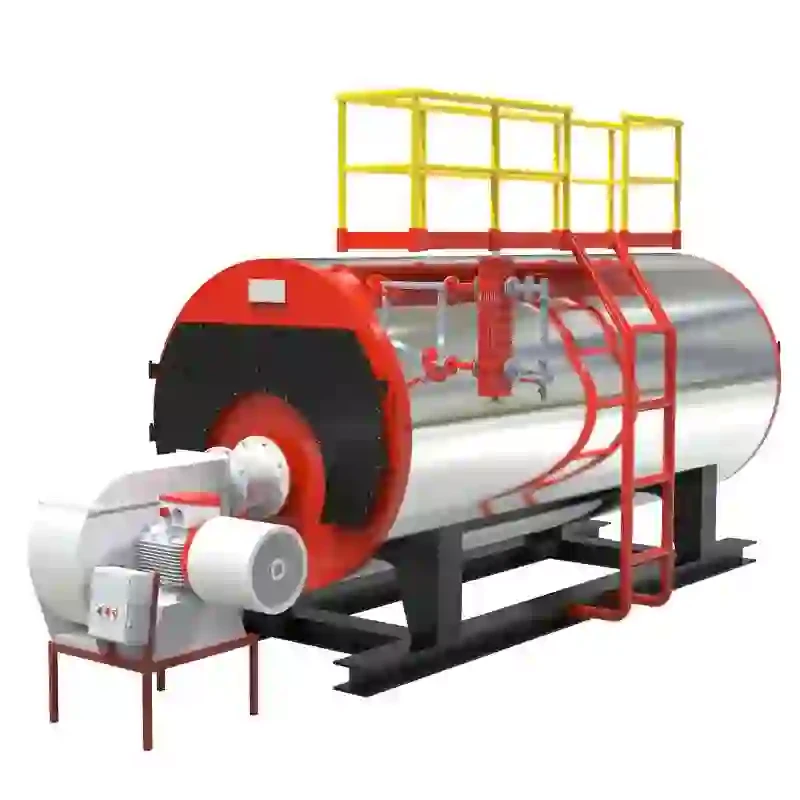
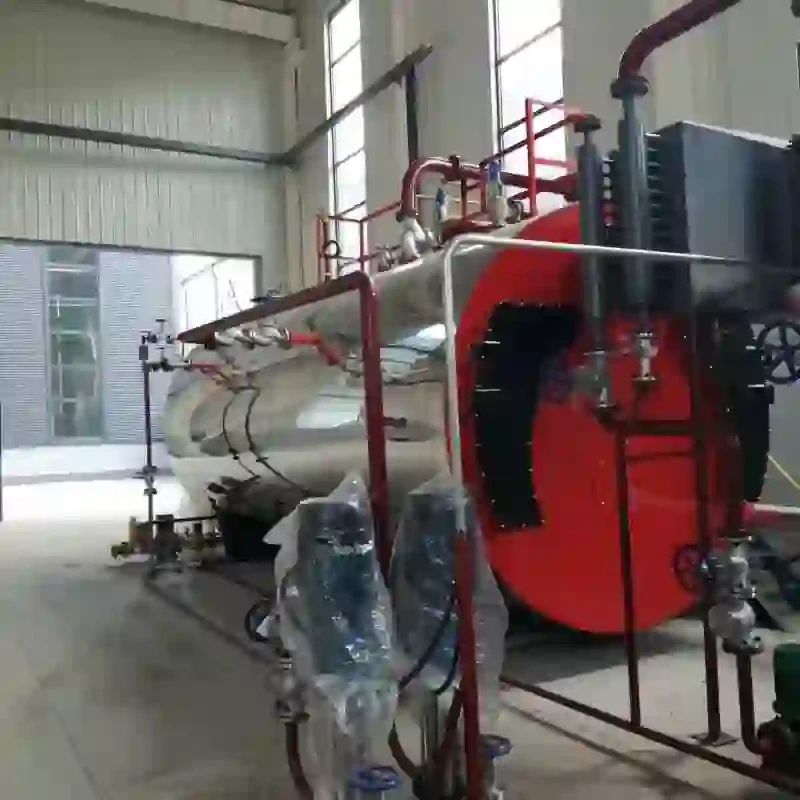
| Low-Pressure Fire Tube | 0.7 - 1.0 | 170 - 180 | Natural Gas / Oil |
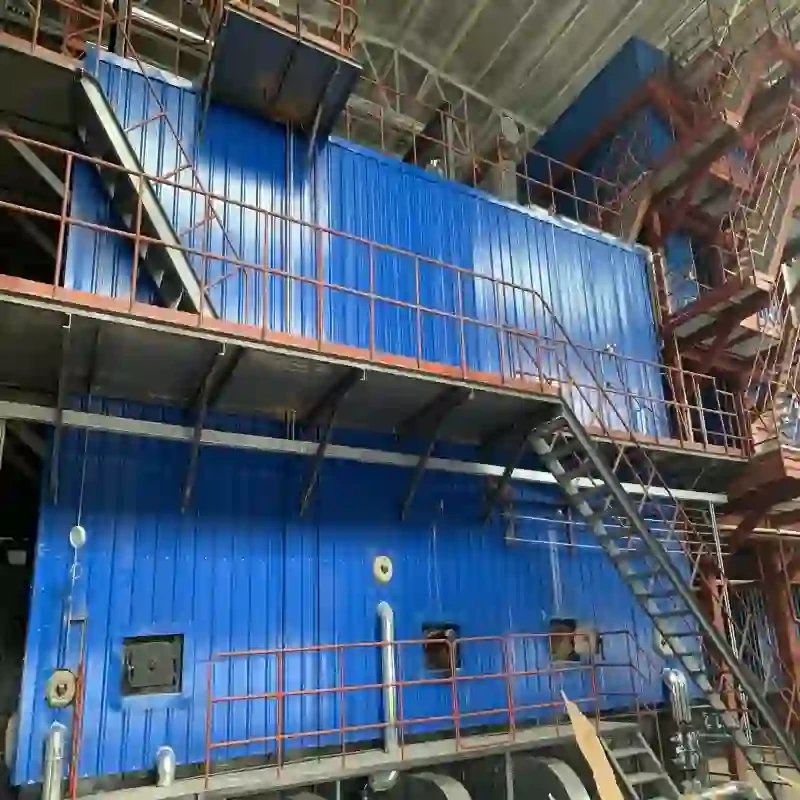
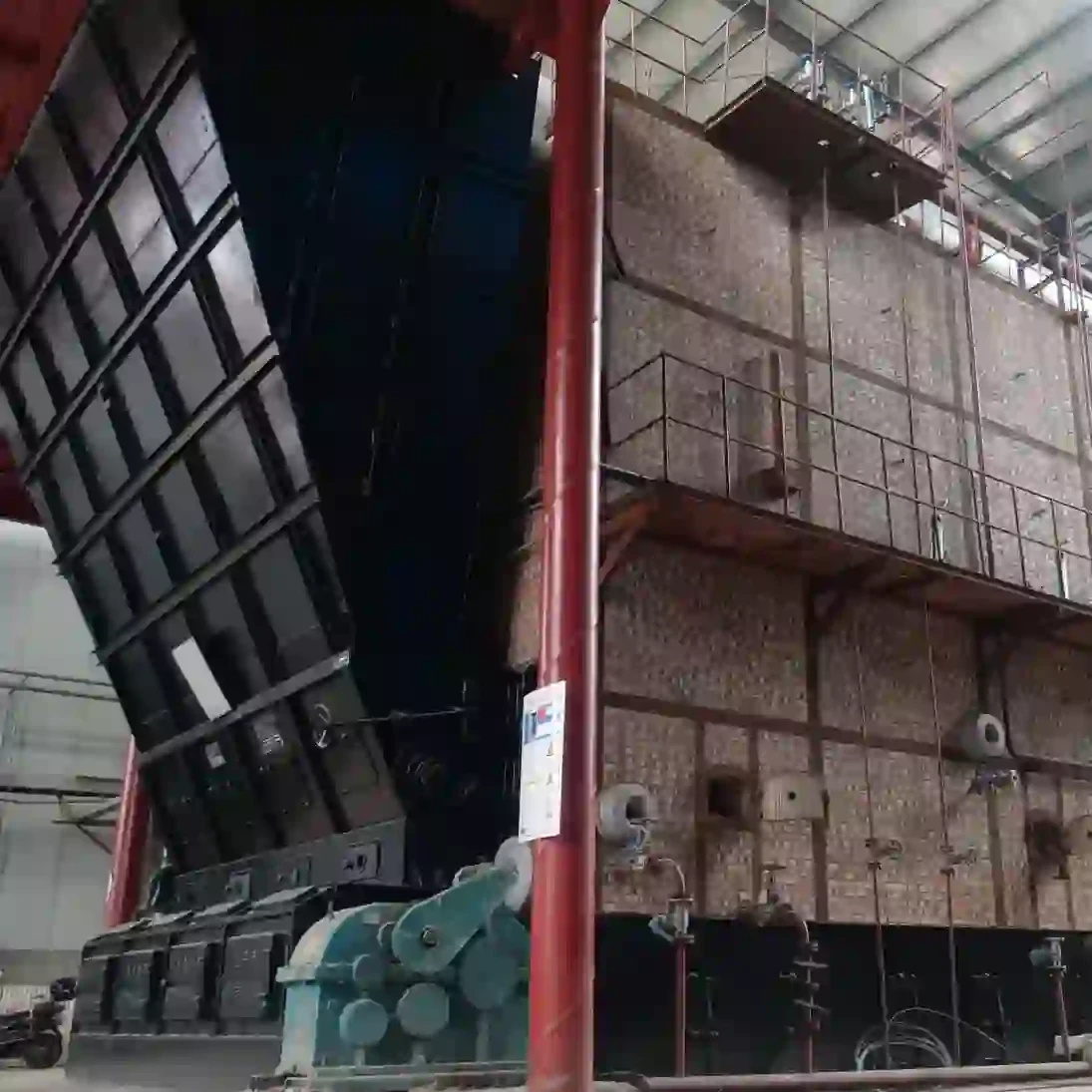
| Medium-Pressure Water Tube | 1.5 - 3.0 | 200 - 250 | Coal / Biomass / Gas |
| High-Pressure Supercritical | > 22.0 | > 374 (critical temp) | Coal / Gas / Biomass |
Speaking of manufacturers, it’s a jungle out there. You usually want a vendor who not only fits your pressure needs but also backs their quality with solid service and reliability. Here’s a snapshot comparison of typical vendors I’ve worked alongside or reviewed over the years:
| Vendor | Max Working Pressure (MPa) | Boiler Types | Warranty (Years) | Support & Service |
|---|---|---|---|---|
| HZ Steam Boiler Co. | 6.0 | Fire Tube, Water Tube | 3 | 24/7 Industrial Hotline & Onsite Tech |
| Global Steam Solutions | 10.0 | Water Tube, Supercritical | 5 | Comprehensive Online Support |
| Industrial Steam Masters | 3.5 | Fire Tube | 2 | Regular Maintenance Plans |
The funny thing is, despite all the tech specs and formalities, it often comes down to whether the vendor understands your plant’s specific needs. One customer I worked with insisted on a medium-pressure boiler because “it’s safer and easier to maintain.” After some back and forth, we found a fire tube boiler working exactly at 1.5 MPa satisfied their heating and process requirements precisely — and reduced their fuel consumption by nearly 7%. That’s the kind of practical win that feels good.
In closing, whenever you’re specifying or evaluating boilers, remember: steam boiler working pressure isn’t just a number on a datasheet. It’s a carefully chosen design limit balancing safety, efficiency, and operating costs. The better you understand it, the more you’ll appreciate what your boiler can do and how to keep it humming reliably for years to come.
My two cents? Don’t just chase the highest pressure rating — chase the one that fits your actual process demands. And always factor in quality, testing, and vendor support.
- “Steam Boilers: Their Energy Efficient Operation and Maintenance” – Energy Institute, 2019
- Boiler Pressure Vessel Safety Standards – ASME, latest editions
- Vendor interviews and field notes (various industrial plants, 2012-2023)
-
Industrial Natural Gas Steam Boiler High Efficiency System Guide
NewsApr.16,2026
-
Maximize Industrial Productivity with High Efficiency Gas Steam Boiler
NewsApr.09,2026
-
Comprehensive Guide to Industrial Steam Heater Systems and Applications
NewsApr.07,2026
-
Comprehensive Guide to Low Pressure Steam Boilers and Their Applications
NewsApr.04,2026
-
Understanding High Pressure Steam Boiler Technology and Industrial Applications
NewsMar.31,2026
-
Comprehensive Guide to High Efficiency Steam Boiler Systems and Applications
NewsMar.28,2026


 English
  Arabic
  Bengali
  French
  German
  Hindi
Hindi  Indonesian
  Kazakh
  Khmer
Khmer  Korean
  Kyrgyz
  Lao
Lao  Latin
Latin  Mongolian
  Nepali
  Russian
  Turkish
  Turkmen
  Uzbek
Uzbek 


