




Dec . 03, 2025 18:32 Back to list
What Do Biomass Boilers Run On – Industrial Biomass Boiler Solutions | HZ Steam Boiler
What Do Biomass Boilers Run On is a key solution in the industry, specifically within sustainable energy and industrial heating sectors. This article explores how https://www.hzsteamboiler.com supports professionals with durable, high-performance products, and explains why this product is an ideal choice for businesses in these sectors.
Table of Contents
- What Do Biomass Boilers Run On Overview
- Benefits & Use Cases of What Do Biomass Boilers Run On
- Cost, Maintenance & User Experience
- Sustainability & Market Trends
What Do Biomass Boilers Run On Overview
You might wonder, what exactly do biomass boilers run on? At their core, biomass boilers utilize organic materials—commonly referred to as biomass—as fuel. This includes wood pellets, chips, agricultural residues, and sometimes specially cultivated energy crops. Unlike fossil fuels, biomass is considered renewable because these organic inputs can be regrown or replenished. For industrial decision-makers, understanding the fuel source helps in assessing operational feasibility and sustainability.
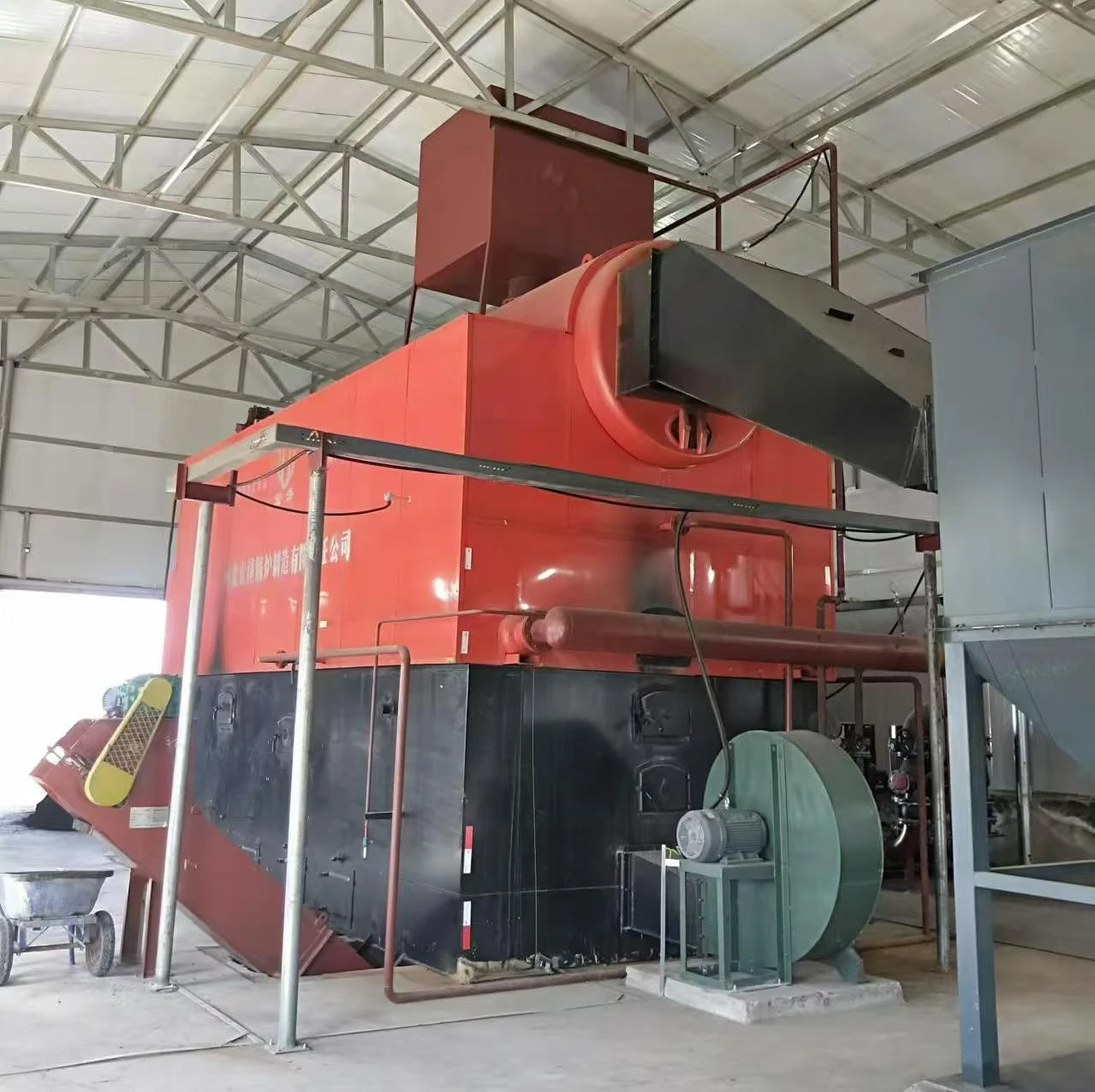
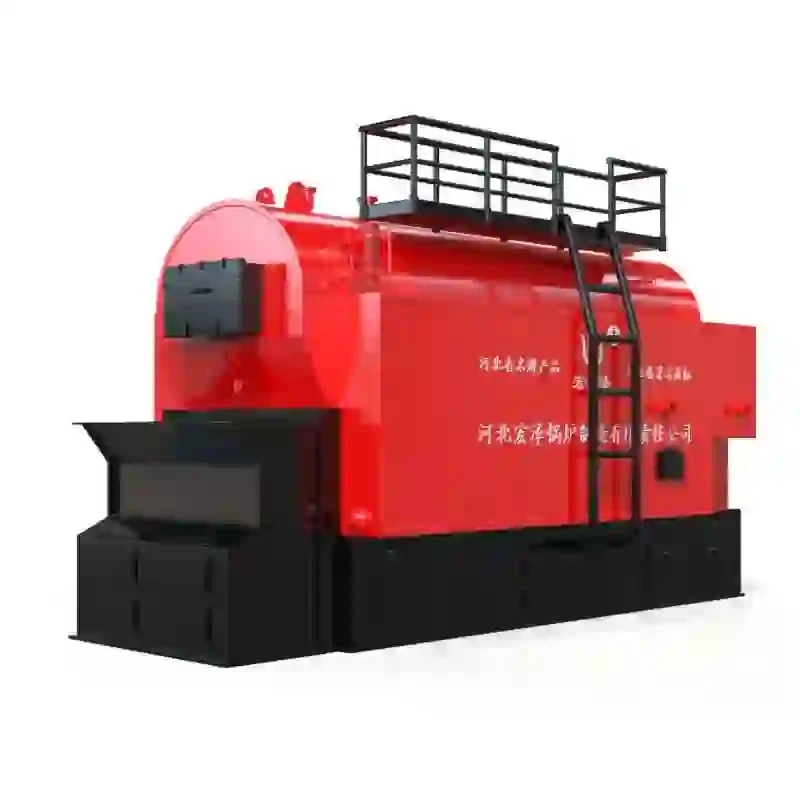
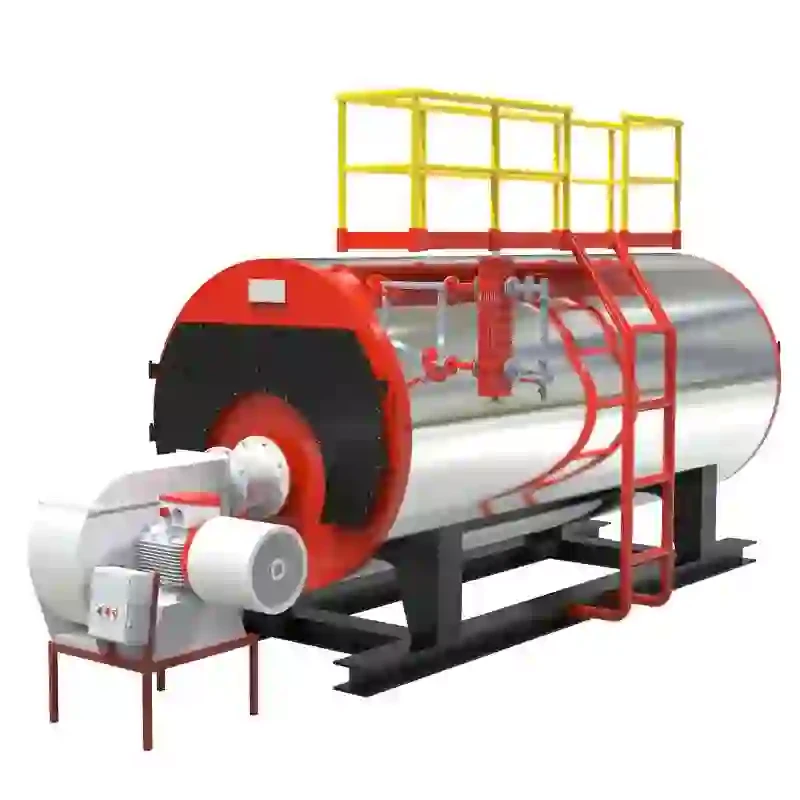
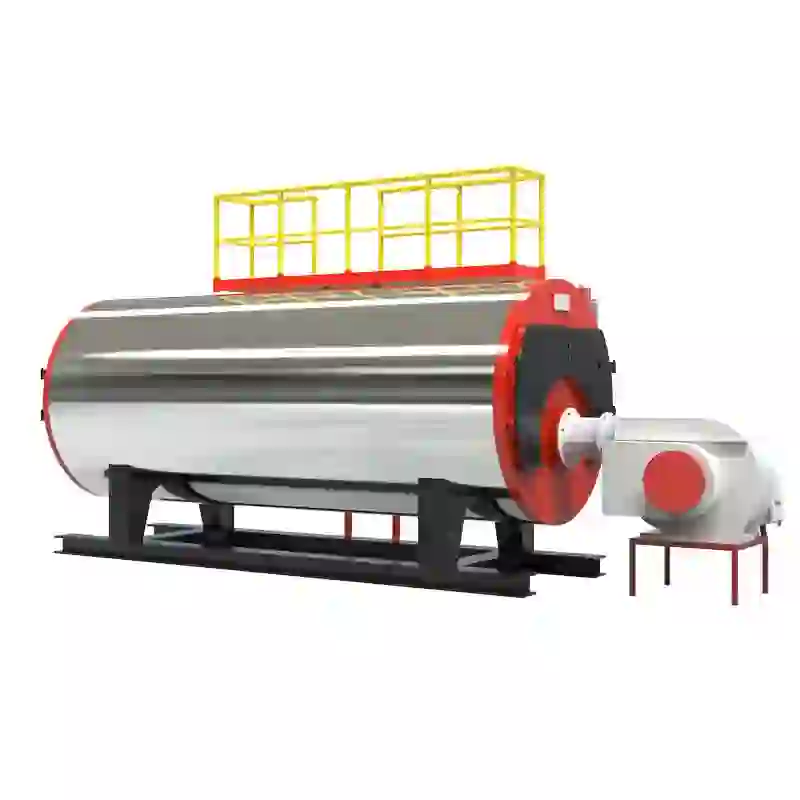
Technically speaking, biomass boilers convert the chemical energy stored in biomass into thermal energy by burning or gasifying the material to produce steam or hot water. For example, HZ Steam Boiler’s biomass models offer specialized combustion chambers designed to optimize fuel usage and reduce emissions. Their systems can handle various biomass grades, ranging from wood pellets around 6mm in diameter to larger wood chips up to 50mm.
| Specification | Details |
|---|---|
| Fuel Types | Wood Pellets, Wood Chips, Agricultural Residues |
| Thermal Output Range | 500 kW to 10,000 kW |
| Fuel Moisture Content | Less than 35% |
| Efficiency | Up to 90% |
| Emission Standards | Meets EU and EPA regulations |
Benefits & Use Cases of What Do Biomass Boilers Run On
In real terms, using biomass boilers offers a double win: businesses access cost-effective heating solutions while also supporting sustainability goals. Sectors like agriculture, food processing, and pulp and paper often rely on biomass boilers because they can use waste materials from their processes as fuel—think grain husks or wood scraps. This cyclical use not only reduces waste but also cuts fuel expenditures significantly.
HZ Steam Boiler’s biomass units bring competitive advantages like high thermal efficiency, automated feed systems, and low emissions compliance. One feature that particularly stands out is the advanced combustion control technology—this helps maintain consistent heat output and reduces manual oversight, which frankly can save a lot of headaches on-site.
Cost, Maintenance & User Experience
It’s no secret that upfront investment in biomass boilers can be higher compared to traditional gas boilers. Yet, the total cost of ownership often tips in favor of biomass over 5-10 years. Durable materials, like corrosion-resistant alloys used in these boilers, mean less downtime and fewer repairs. For example, several industrial clients of HZ Steam Boiler report an ROI period of around 3-4 years, thanks to fuel cost savings and government incentives.
Maintenance routines are straightforward but crucial: ash residue removal and regular inspection of feed mechanisms. It’s interesting how many plant engineers emphasize the boiler’s modular design, as it makes maintenance more manageable without extensive downtime. User feedback also praises the intuitive control panels and remote monitoring options—important factors when scaling operations.
Sustainability & Market Trends
Sustainability isn’t just a buzzword anymore—it’s a business imperative. Biomass boilers fit neatly into this shift because their fuel sources generally have a much smaller carbon footprint than fossil fuels. Regulatory bodies globally are tightening emissions standards, and biomass technology has evolved to be cleaner and more efficient as a result. This turbocharges demand in emerging markets where energy access is vital but environmental regulations are getting stricter.
Oddly enough, despite the buzz on electric heating, biomass remains very relevant, especially for high-demand industrial processes requiring large-scale, steady thermal energy. Industry analysts predict a steady CAGR of 6-8% for the biomass boiler market through 2030, fueled by technological improvements and rising carbon pricing pressures.
| Feature | HZ Steam Boiler | Competitor A | Competitor B |
|---|---|---|---|
| Fuel Flexibility | Wide (pellets, chips, residues) | Pellets only | Chips only |
| Emission Control | Advanced catalytic reduction | Basic filters | Electrostatic precipitators |
| Automation | Full automated feed and control | Semi-automatic | Manual operation |
| Service & Support | Global coverage, 24/7 support | Regional only | Limited support hours |
Frequently Asked Questions about What Do Biomass Boilers Run On
- What is What Do Biomass Boilers Run On and how does it work?
- Simply put, these boilers run on organic materials, such as wood pellets, wood chips, or agricultural waste. They burn the biomass to produce heat that generates steam or hot water for industrial processes. The combustion transfers the chemical energy in the biomass into usable heat efficiently.
- What are the main benefits of using What Do Biomass Boilers Run On in industrial applications?
- The benefits include cost savings by utilizing cheap or waste biomass fuels, reduced carbon footprint compared to fossil fuels, compliance with emissions standards, and support from green incentives. Performance-wise, modern units offer high efficiency with low emissions.
- How does What Do Biomass Boilers Run On compare to traditional alternatives?
- Compared to gas or coal boilers, biomass boilers offer renewable fuel use and lower carbon emissions. They tend to require more maintenance but have government backing and can often use on-site waste as fuel, improving cost-effectiveness.
- What industries can benefit most from What Do Biomass Boilers Run On implementation?
- Primary sectors include agriculture (grain drying), food processing, wood products manufacturing, and paper mills. These industries often generate biomass waste which can feed the boiler, creating a closed loop and increasing sustainability.
Conclusion on What Do Biomass Boilers Run On from china
To sum up, What Do Biomass Boilers Run On solutions are not just another piece of industrial equipment; they represent a practical bridge to cleaner energy in business operations. Businesses looking to cut costs, meet environmental goals, and ensure dependable heating should genuinely consider these systems. For cutting-edge technology paired with proven user support, visiting HZ Steam Boiler’s website feels like a smart first step.
Reflecting on the rise of biomass technology, it’s clear the move to greener fuel sources isn’t just about compliance—it’s a savvy business move for the long haul.
References:
1. International Biomass Energy Association, Market Reports 2023.
2. EU Commission: Renewable Energy Directive (RED II).
3. User case studies, HZ Steam Boiler, 2022.
-
Industrial Natural Gas Steam Boiler High Efficiency System Guide
NewsApr.16,2026
-
Maximize Industrial Productivity with High Efficiency Gas Steam Boiler
NewsApr.09,2026
-
Comprehensive Guide to Industrial Steam Heater Systems and Applications
NewsApr.07,2026
-
Comprehensive Guide to Low Pressure Steam Boilers and Their Applications
NewsApr.04,2026
-
Understanding High Pressure Steam Boiler Technology and Industrial Applications
NewsMar.31,2026
-
Comprehensive Guide to High Efficiency Steam Boiler Systems and Applications
NewsMar.28,2026


 English
  Arabic
  Bengali
  French
  German
  Hindi
Hindi  Indonesian
  Kazakh
  Khmer
Khmer  Korean
  Kyrgyz
  Lao
Lao  Latin
Latin  Mongolian
  Nepali
  Russian
  Turkish
  Turkmen
  Uzbek
Uzbek 


