




Dec . 05, 2025 08:40 Back to list
Reliable Oil Fired Forced Hot Water Boiler Solutions | Industry Insights
The Essentials of the oil fired forced hot water boiler
Having worked around industrial heating systems for more than a decade, I can say there’s something both straightforward and oddly satisfying about oil fired forced hot water boilers. They’re workhorses, often unsung, quietly pushing heat around factories, schools, or hospitals without much fuss. Frankly, if you ask many engineers, it’s their reliability and fuel flexibility that keep them in the game, even with all the new tech trends.
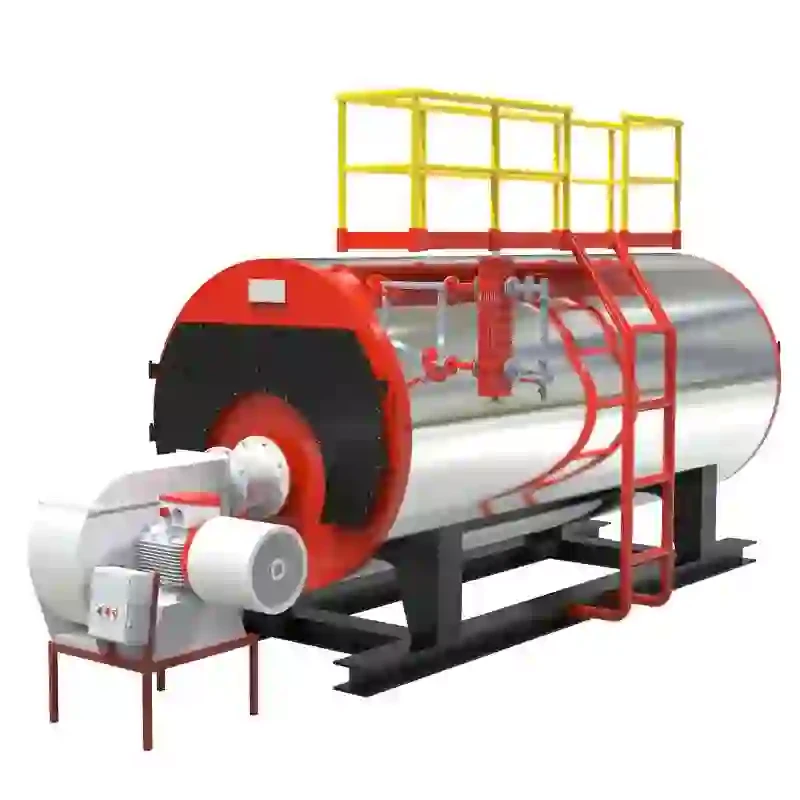
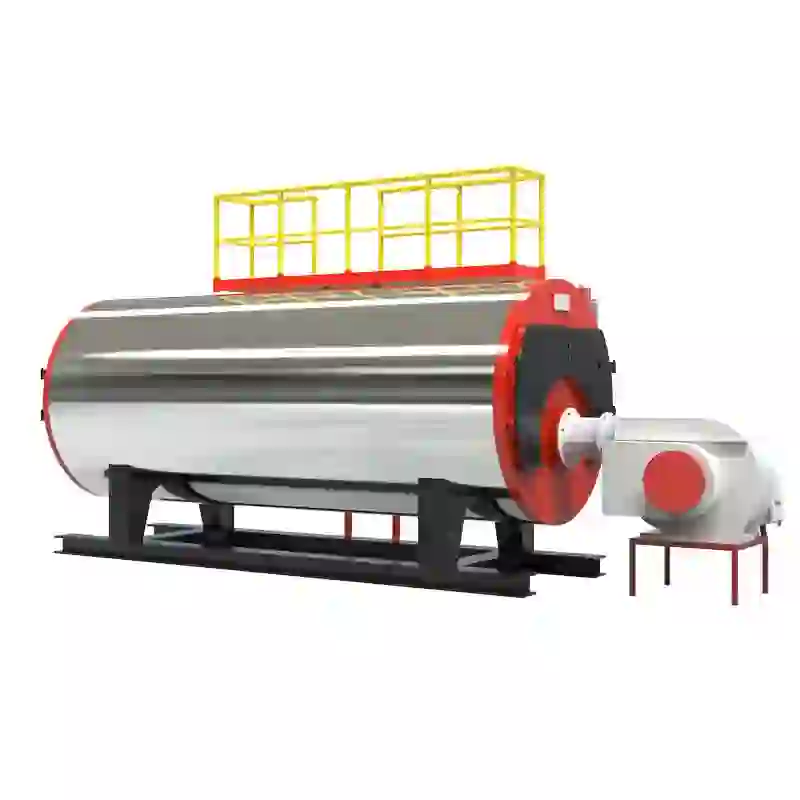
Now, when I say "oil fired forced hot water boiler," I’m usually thinking of systems where fuel oil is burned inside a sealed chamber, the heat generated then used to warm water circulating in pipes under pressure. The “forced” part means a pump is actively pushing that hot water through, unlike gravity-fed systems from decades past. This design yields better heat distribution and efficiency – crucial elements in industrial contexts where consistent output matters.
What strikes me over time is how these boilers balance traditional engineering with modern demands. The materials used—typically high-grade steel for the furnace and corrosion-resistant alloys for piping—are chosen for their ability to handle intense thermal cycling and long service life. Quality control during manufacturing is also pretty rigorous; you’ll find these boilers pressure tested and often fitted with safety valves, gauges, and burners tuned for optimized combustion.
On the point of efficiency, many of these oil fired units come with modulating burners to adjust flame intensity according to heat demand. I noticed this one feature really cuts down on fuel waste during variable load periods – a big deal if you’re managing operational costs in a large facility.
| Specification | Details |
|---|---|
| Fuel Type | #2 Fuel Oil or Diesel |
| Capacity | 100,000 to 2,000,000 BTU/hr |
| Operating Pressure | 30 to 150 psi |
| Efficiency | 85% - 92% (AFUE) |
| Ignition | Electronic or intermittent pilot |
| Controls | Programmable digital with modulating burner options |
Customization plays a big role too. I recall a case where a client needed a boiler to operate under unusual altitude conditions in a remote plant. Adjusting burner air-fuel mix and upgrading insulation made all the difference. These tweaks—rather than swapping out the entire system—save time and connect well with a company’s unique requirements.
Of course, not all oil fired boilers are created equal. I’ve seen brands differ quite a bit on build quality, after-sales support, and ease of parts replacement. To put it bluntly, you pay a bit extra for reliability up front but it generally pays off over a 15-20 year lifecycle. Here’s a quick comparison of three common vendors I’ve worked with:
| Vendor | Build Quality | Efficiency | Service Support | Spare Parts Availability |
|---|---|---|---|---|
| HZ Boiler Co. | High | Up to 92% | Excellent | Wide distribution |
| Generic Boilers Ltd. | Medium | ~88% | Moderate | Limited |
| Old-School Boilers | Variable | ~85% | Low | Scattered |
In real terms, I’ve seen how the right selection of an oil fired forced hot water boiler can literally save a plant weeks of downtime across years. One client once mentioned to me, almost offhand, that since switching to a better boiler with smarter controls, their heating complaints dropped to near zero during winter. When you’re responsible for tens of thousands of square feet, that’s no small feat.
Before wrapping up, a quick nod to maintenance: these boilers do ask for regular check-ups—fuel filters, burner tuning, and pressure relief tests are standard. But honestly, that upkeep is far less frequent or intense compared to some older steam systems I’ve dealt with.
So, what’s my final thought? If you’re in industrial heating—and by that, I mean managing spaces where downtime costs money and comfort matters—investing in a solid oil fired forced hot water boiler is a practical move. It’s the balance of tradition and modern tech that, oddly enough, feels like a reliable old friend in an ever-shifting industry.
References:
- Industry Heating Systems Journal, 2022: Advances in Forced Hot Water Boilers
- Manufacturers’ Technical Manuals, HZ Boiler Co., 2023
- Field Notes from Facility Maintenance Teams, 2018-2023
-
Industrial Natural Gas Steam Boiler High Efficiency System Guide
NewsApr.16,2026
-
Maximize Industrial Productivity with High Efficiency Gas Steam Boiler
NewsApr.09,2026
-
Comprehensive Guide to Industrial Steam Heater Systems and Applications
NewsApr.07,2026
-
Comprehensive Guide to Low Pressure Steam Boilers and Their Applications
NewsApr.04,2026
-
Understanding High Pressure Steam Boiler Technology and Industrial Applications
NewsMar.31,2026
-
Comprehensive Guide to High Efficiency Steam Boiler Systems and Applications
NewsMar.28,2026


 English
  Arabic
  Bengali
  French
  German
  Hindi
Hindi  Indonesian
  Kazakh
  Khmer
Khmer  Korean
  Kyrgyz
  Lao
Lao  Latin
Latin  Mongolian
  Nepali
  Russian
  Turkish
  Turkmen
  Uzbek
Uzbek 


