




Aug . 28, 2024 19:23 Back to list
types of water boilers
Types of Water Boilers A Comprehensive Overview
Water boilers are essential appliances that provide hot water for various applications, including residential, commercial, and industrial settings. Understanding the different types of water boilers available can help individuals and businesses make informed choices based on their specific needs.
1. Conventional Water Boilers
Conventional water boilers, often referred to as storage or tank boilers, are the most common type. These boilers heat water in a large tank, usually ranging from 20 to 80 gallons. They maintain a reservoir of hot water that can be drawn on demand. While they're effective for large households or spaces with high hot water usage, they can be less energy-efficient since they continuously heat water, leading to standby heat loss.
Combination (combi) boilers are compact units that provide both heating and hot water without the need for a separate tank. They heat water on demand, meaning that there is no need for storage. This type is particularly suited for smaller homes or apartments where space is limited. The efficiency of combi boilers makes them an attractive option, although they may not be able to supply multiple hot water outlets simultaneously at high demands.
3. System Boilers
types of water boilers
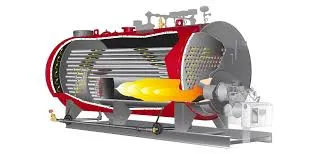
System boilers are similar to conventional boilers but differ in that they integrate certain components, such as the pump and expansion vessel, within the unit. They require a hot water storage cylinder but do not need a cold-water tank, making installation easier and quicker. System boilers are ideal for homes with a higher demand for hot water, as they can supply multiple outlets simultaneously.
4. Electric Boilers
Electric boilers are an eco-friendly alternative that uses electricity to heat water. They are ideal for smaller properties or where gas supply is not available. Although they can have higher running costs compared to gas boilers, they are generally easier to install and maintain, with fewer safety concerns.
5. Water Tube and Fire Tube Boilers
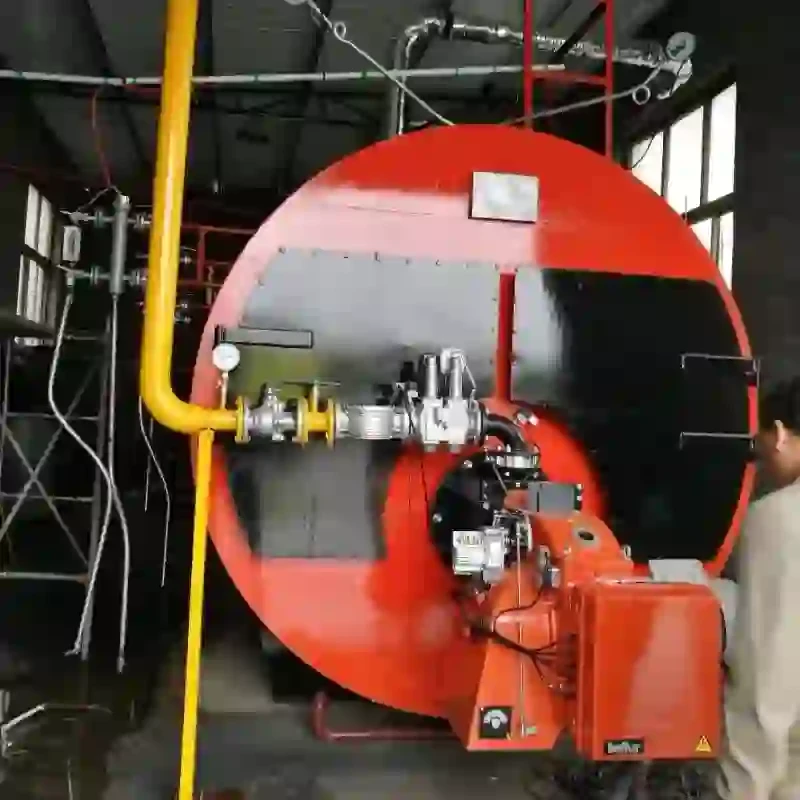
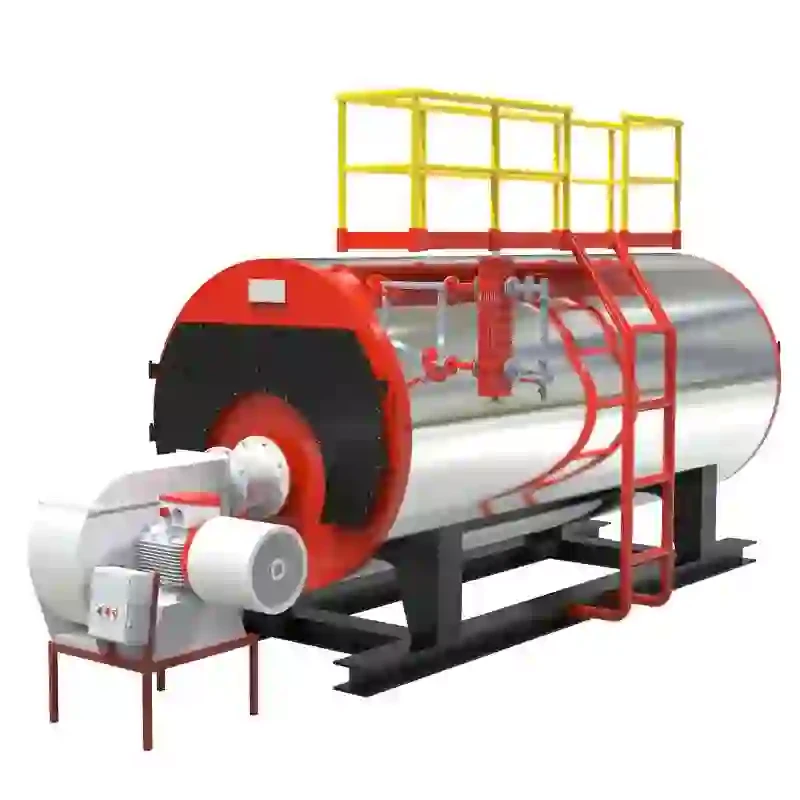
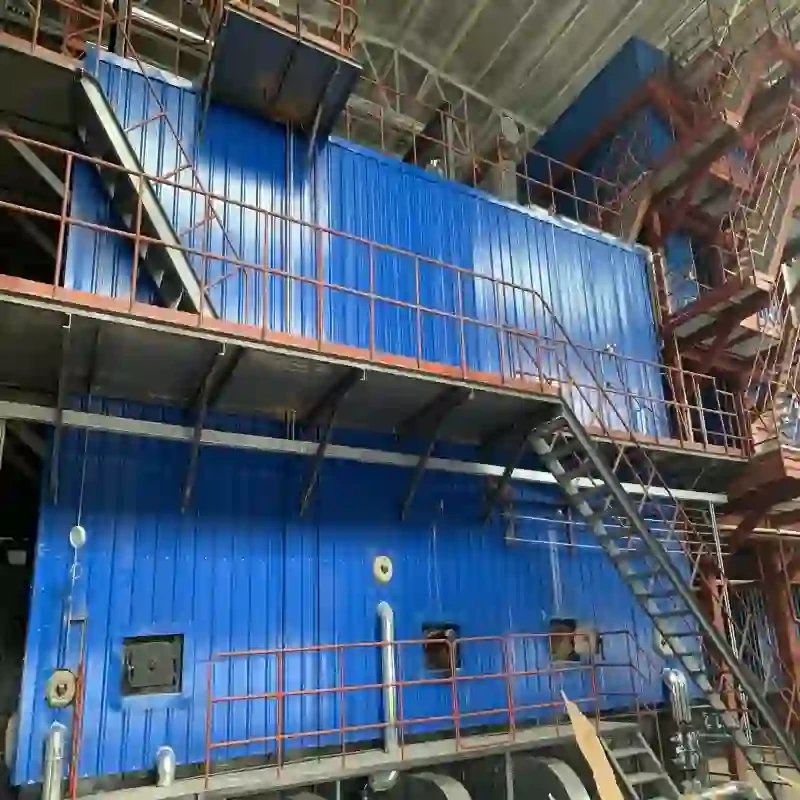
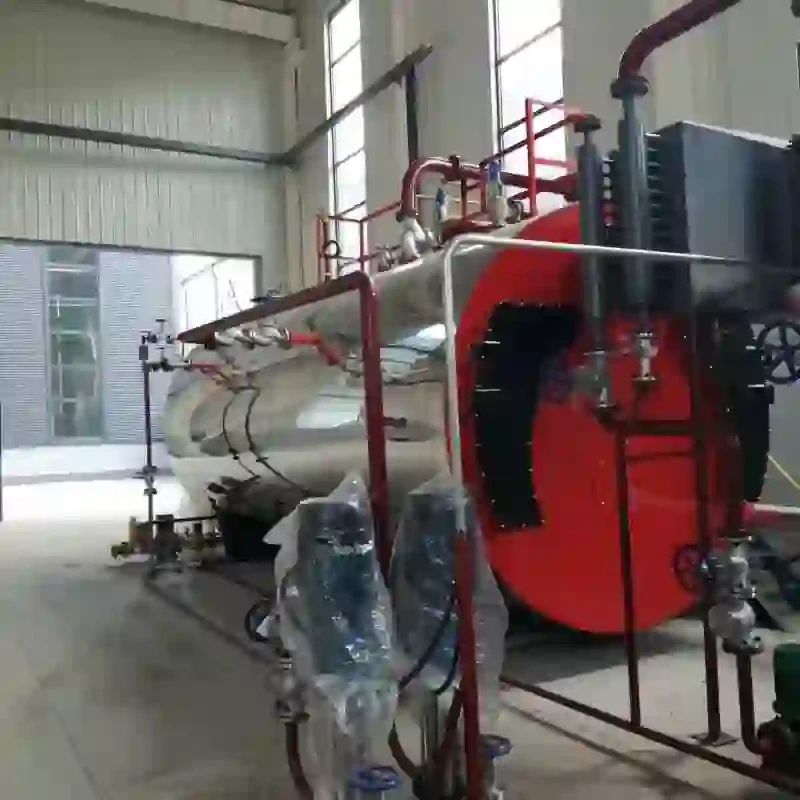
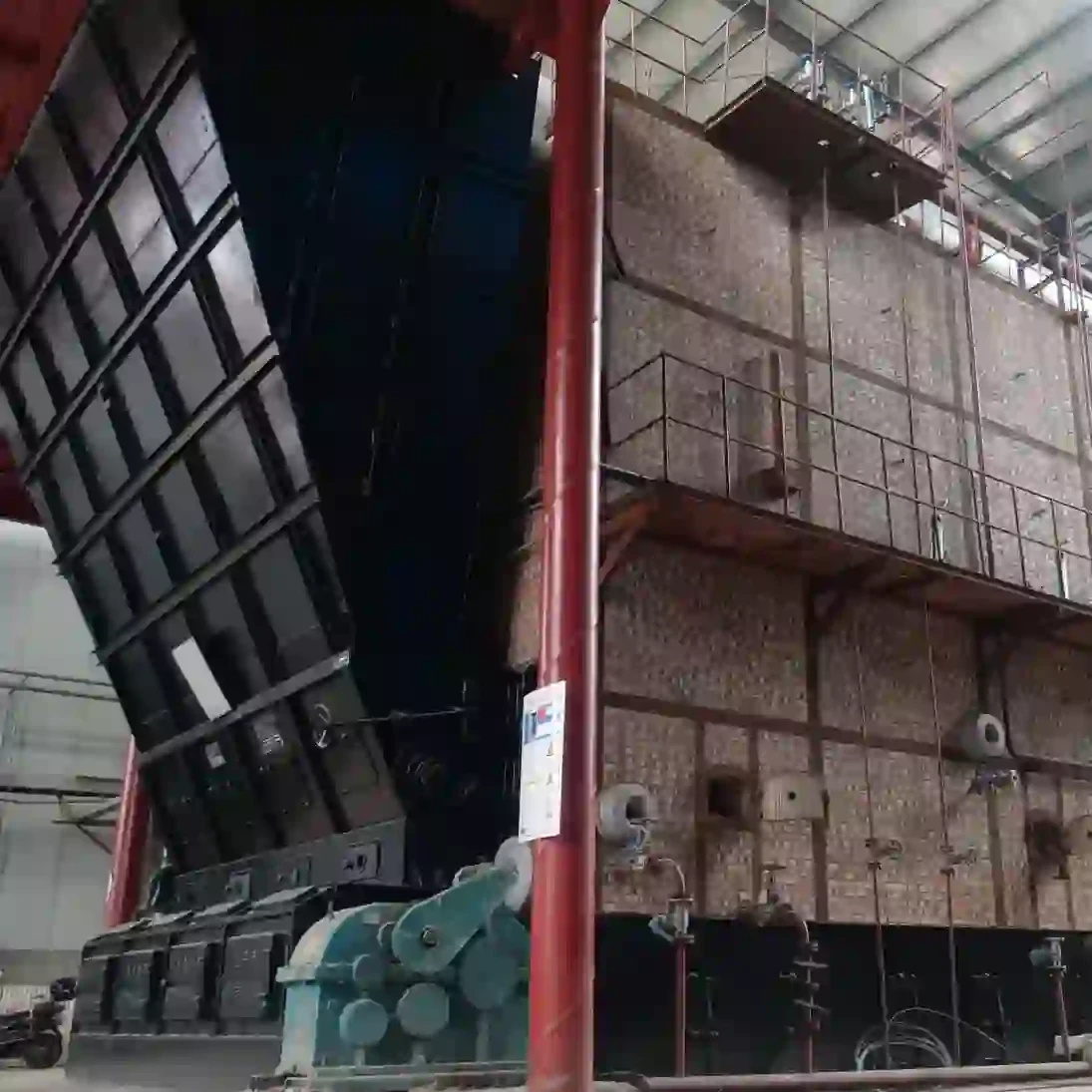
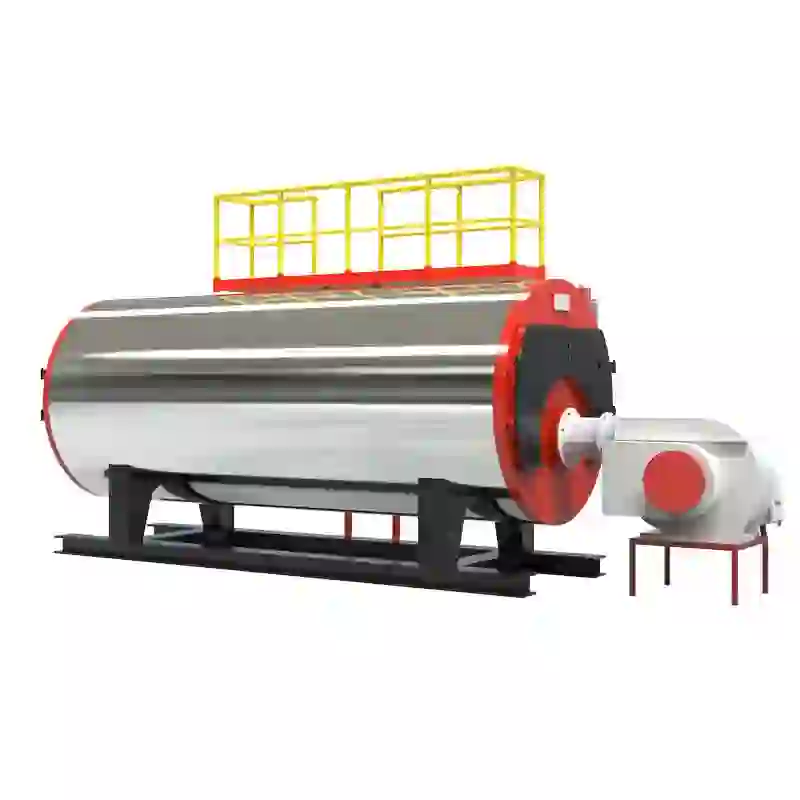
In industrial applications, water tube and fire tube boilers are predominant. Water tube boilers have water flowing through tubes that are surrounded by hot gases, leading to efficient steam generation. In contrast, fire tube boilers have hot gases flowing through tubes immersed in water. Both types are essential for large-scale operations, providing high-pressure steam for various industrial processes.
In conclusion, selecting the right type of water boiler is crucial for achieving optimal efficiency and meeting hot water demands. By evaluating the available options—conventional, combi, system, electric, and specialized industrial boilers—consumers can make informed decisions that align with their requirements. Whether for residential or commercial use, understanding these types will facilitate a better hot water experience.
-
Hot Water Boiler Working Principle Explained: Efficiency, Applications, and Innovations
NewsDec.03,2025
-
Hot Water Boiler Design: Global Insights, Innovations, and Applications
NewsDec.03,2025
-
Understanding Hot Water Heat Boiler Replacement Cost: Factors, Benefits & Trends
NewsDec.03,2025
-
1 Million BTU Steam Boiler - Efficient Steam Solutions for Industry
NewsDec.02,2025
-
250 000 BTU Steam Boiler: Comprehensive Guide to Industrial Steam Power
NewsDec.02,2025
-
What You Need to Know About the 300 000 BTU Steam Boiler: Efficiency & Applications
NewsDec.02,2025


 English
  Arabic
  Bengali
  French
  German
  Hindi
Hindi  Indonesian
  Kazakh
  Khmer
Khmer  Korean
  Kyrgyz
  Lao
Lao  Latin
Latin  Mongolian
  Nepali
  Russian
  Turkish
  Turkmen
  Uzbek
Uzbek 


