




Nov . 01, 2024 11:09 Back to list
Understanding the Steam Boiler Process for Efficient Energy Production and Management
Understanding the Steam Boiler Process
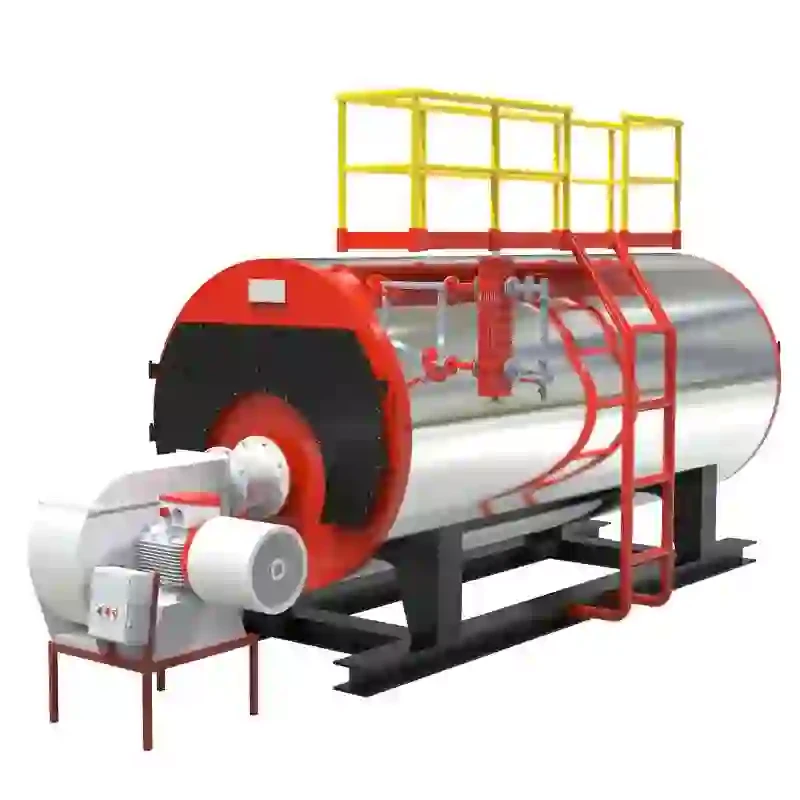
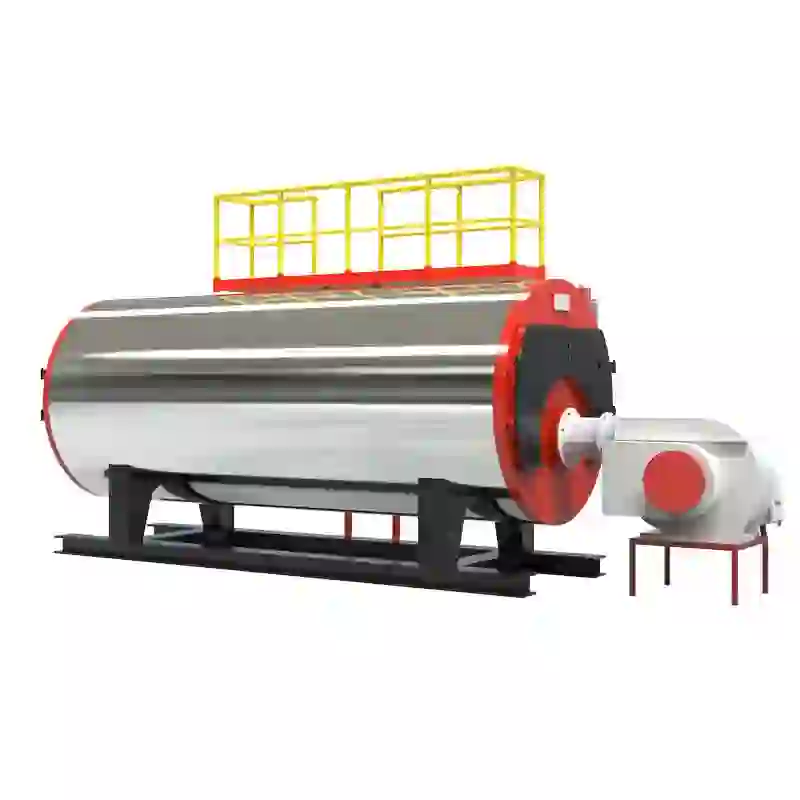
Steam boilers are essential components in various industrial processes, providing the necessary heat and pressure for numerous applications. In essence, a steam boiler is a closed vessel that converts water into steam by applying heat to it. Understanding the steam boiler process is crucial for maximizing efficiency, ensuring safety, and optimizing performance in industrial settings.
The steam boiler process begins with the introduction of water into the boiler. The water can be sourced from various supplies, but it must be treated to remove impurities that could cause scaling or corrosion within the system. Once the water enters the boiler, it is heated using fuel sources such as natural gas, oil, or coal. The type of fuel used can greatly affect the overall efficiency and emissions of the boiler, making fuel selection an important factor in the design and operation of steam systems.
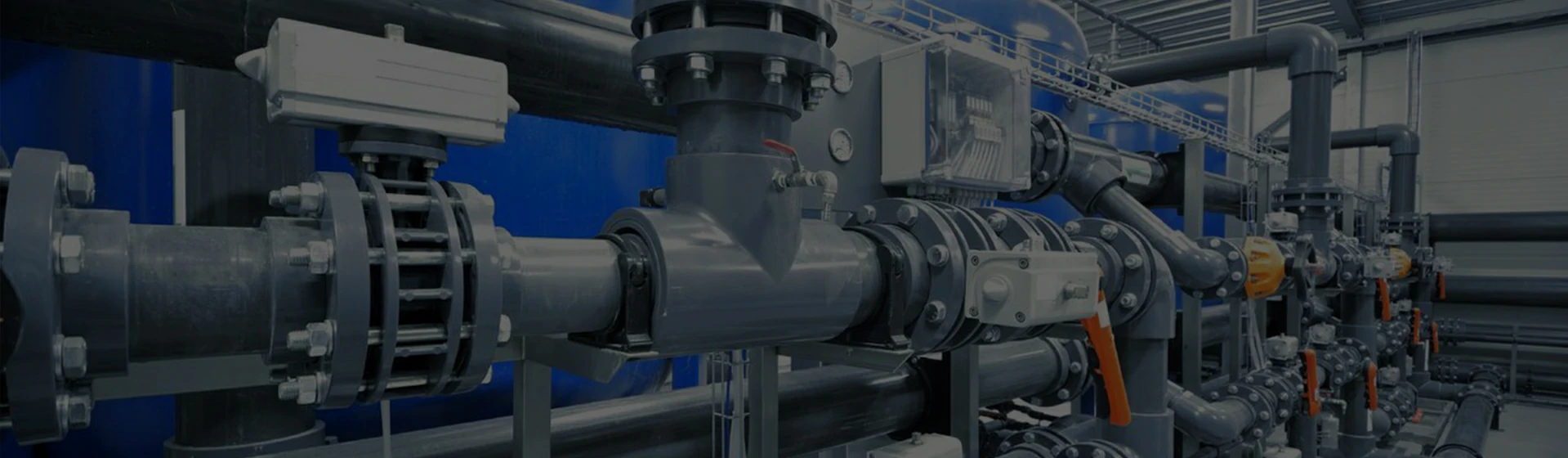
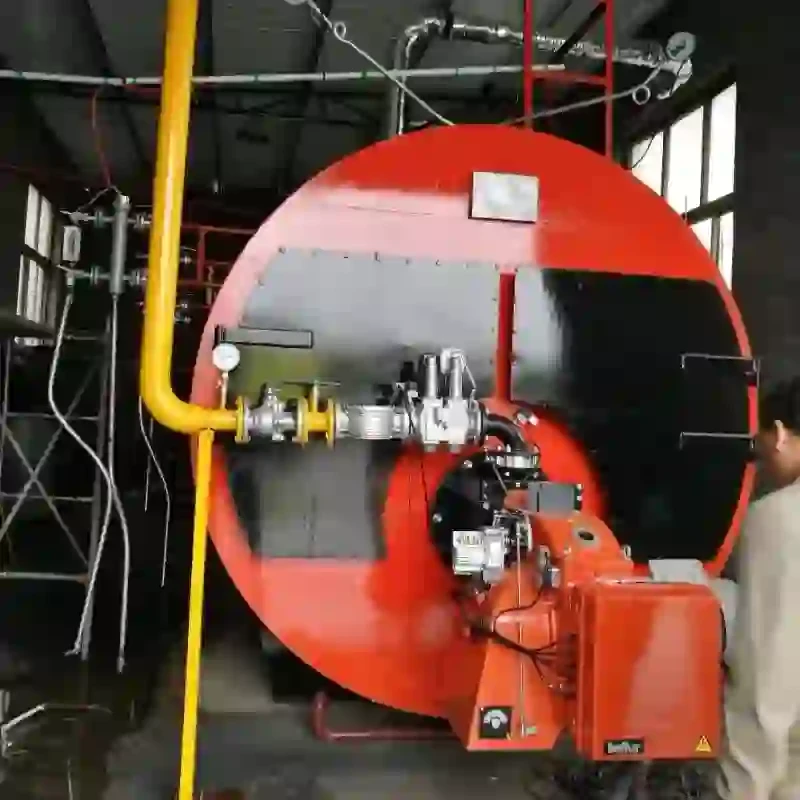
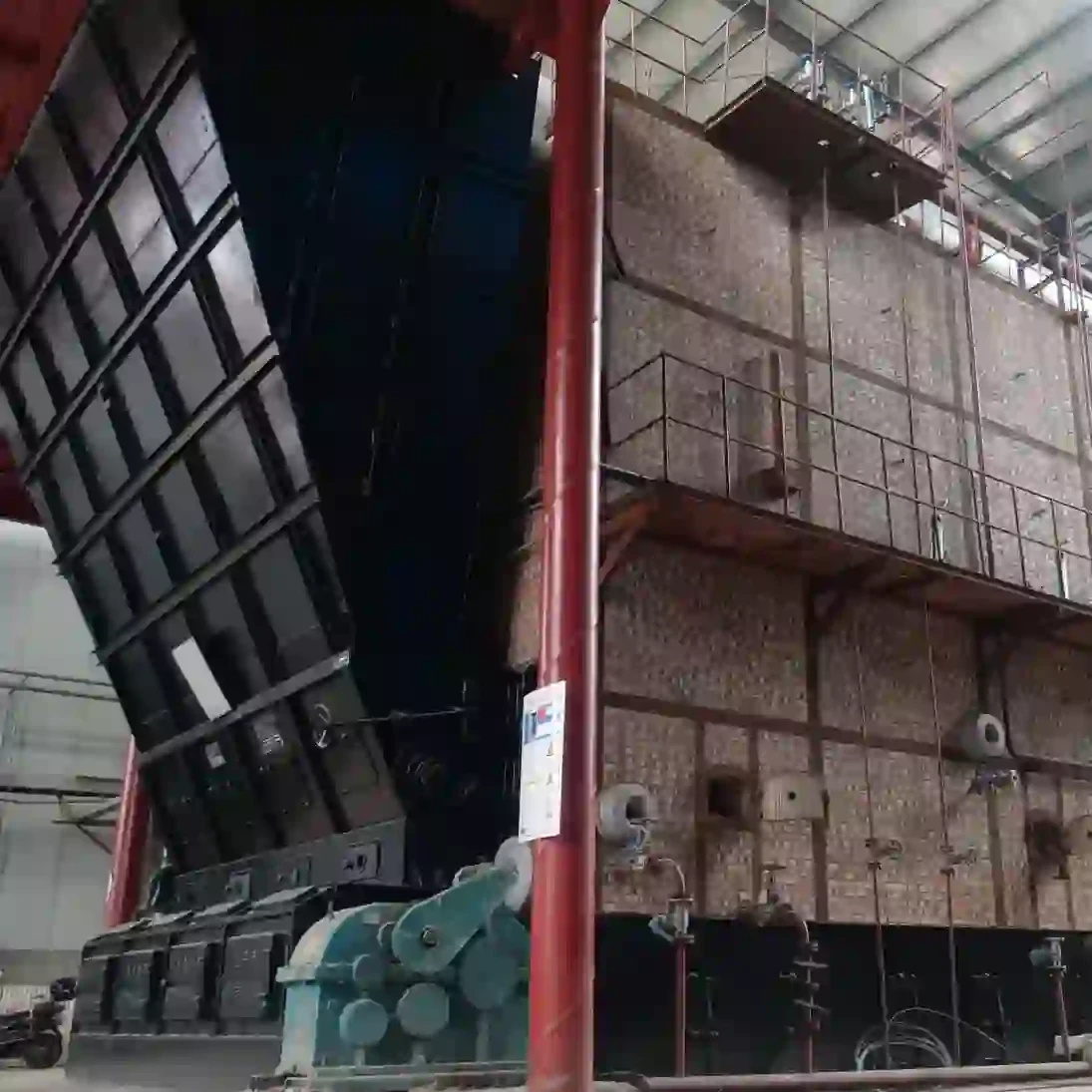
Heat is generated through combustion in the furnace, where fuel is burned to produce hot gases. These gases are then circulated through a series of tubes that contain the water. As the hot gases pass through the tubes, they transfer heat to the water, causing it to boil and convert into steam. The process is designed to maximize heat transfer, ensuring that the water reaches its boiling point efficiently.
steam boiler process
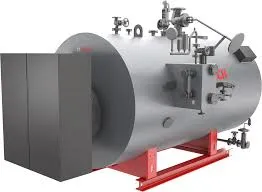
As steam is generated, it rises to the top of the boiler, where it is collected and directed towards its intended use. The steam produced can be used for various applications, including powering turbines, heating processes, or even supplying steam for sterilization in healthcare settings. The quality of the steam is critical; it must be free of contaminants to ensure safe and efficient operation in applications.
Managing pressure is another vital aspect of the steam boiler process. Steam pressure must be carefully controlled to prevent dangerous situations, such as boiler explosions. Safety valves are installed to release excess pressure and prevent the system from exceeding its maximum allowable limit. Regular maintenance and inspection of the boiler are also essential to ensure all components are functioning correctly and to mitigate risks.
In addition, monitoring the efficiency of steam boilers can lead to significant cost savings and improved performance. Implementing regular checks and maintenance schedules, along with modern controls and automation, can enhance the steam boiler process's efficiency. Technologies such as economizers can be used to recover waste heat from flue gases, further improving the system's overall efficiency.
In conclusion, the steam boiler process is a fundamental aspect of many industrial operations. By converting water into steam efficiently and safely, steam boilers play a crucial role in energy transfer, powering various applications across different sectors. Understanding and optimizing this process can lead to significant operational benefits, including enhanced safety, improved efficiency, and reduced environmental impact.
-
Hot Water Boiler Working Principle Explained: Efficiency, Applications, and Innovations
NewsDec.03,2025
-
Hot Water Boiler Design: Global Insights, Innovations, and Applications
NewsDec.03,2025
-
Understanding Hot Water Heat Boiler Replacement Cost: Factors, Benefits & Trends
NewsDec.03,2025
-
1 Million BTU Steam Boiler - Efficient Steam Solutions for Industry
NewsDec.02,2025
-
250 000 BTU Steam Boiler: Comprehensive Guide to Industrial Steam Power
NewsDec.02,2025
-
What You Need to Know About the 300 000 BTU Steam Boiler: Efficiency & Applications
NewsDec.02,2025


 English
  Arabic
  Bengali
  French
  German
  Hindi
Hindi  Indonesian
  Kazakh
  Khmer
Khmer  Korean
  Kyrgyz
  Lao
Lao  Latin
Latin  Mongolian
  Nepali
  Russian
  Turkish
  Turkmen
  Uzbek
Uzbek 


