




May . 16, 2025 10:02 Back to list
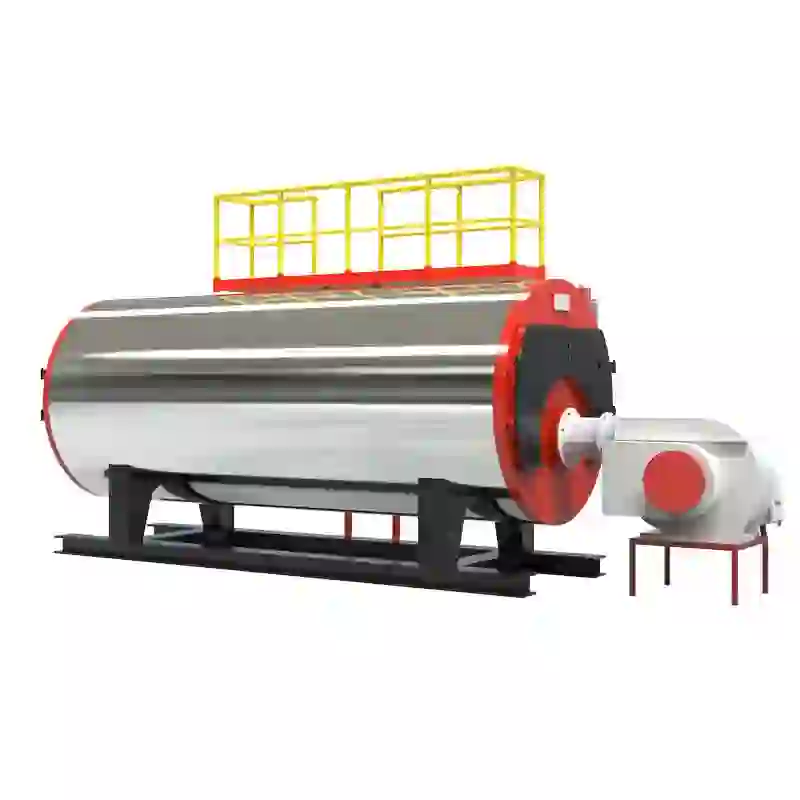
Hot Water Boilers Efficient Temperature & Pressure Control Explained
- Understanding the fundamentals of hot water boiler systems
- Optimal temperature ranges for efficient operation
- Pressure management and safety considerations
- Differentiating boilers from conventional water heaters
- Performance comparison of leading manufacturers
- Custom solutions for commercial applications
- Real-world implementation success stories

(what is hot water boiler)
What Constitutes a Modern Hot Water Boiler System?
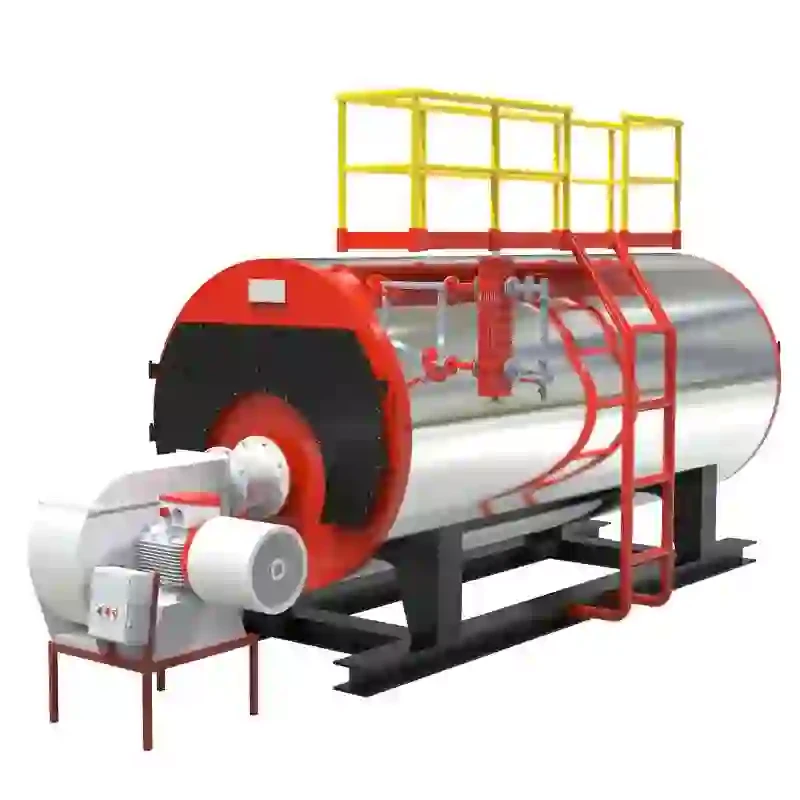
Contemporary hot water boilers utilize condensing technology to achieve 90-98% thermal efficiency, significantly outperforming traditional models (78-85%). These systems maintain water temperatures between 160°F and 200°F for space heating while providing domestic hot water at 120°F-140°F through heat exchangers. The primary components include:
- High-efficiency stainless steel combustion chambers
- Modulating burners with 5:1 turndown ratio
- Smart control systems with IoT compatibility
Thermal Efficiency and Operational Parameters
Optimal boiler performance requires precise temperature control. Commercial systems typically operate at:
| Application | Temperature Range | Pressure Range |
|---|---|---|
| Radiant Floor Heating | 100-120°F | 12-25 psi |
| Hospital Sterilization | 250-285°F | 60-75 psi |
| Industrial Processes | 300-350°F | 100-125 psi |
Pressure Regulation and Safety Mechanisms
Advanced boilers incorporate triple safety systems:
- Automatic pressure relief valves (set at 125% max operating pressure)
- Redundant temperature sensors (±1°F accuracy)
- Water column pressure balancing technology
Modern units maintain pressure within 2-5 psi of setpoints through microprocessor-controlled circulator pumps.
System Differentiation: Boilers vs Water Heaters
Key operational differences:
| Feature | Boiler | Water Heater |
|---|---|---|
| Flow Rate | 10-500 GPM | 2-10 GPM |
| Temperature Stability | ±2°F | ±7°F |
| Lifespan | 20-35 years | 8-15 years |
Manufacturer Performance Benchmarks
2024 market leaders comparison:
| Brand | Efficiency | Max Temp | Pressure Capacity |
|---|---|---|---|
| Viessmann | 98% | 356°F | 160 psi |
| Weil-McLain | 95% | 250°F | 125 psi |
| Lochinvar | 96% | 300°F | 150 psi |
Tailored Solutions for Diverse Applications
Custom configurations address specific needs:
- Cascade systems: 4-8 boiler units achieving 20 million BTU/h
- Hybrid plants: Combined boiler/heat pump systems (45% energy savings)
- Low-NOx models: Meeting California's 14 ng/J emission standards
Why Hot Water Boilers Dominate Industrial Thermal Solutions
A pharmaceutical plant achieved 32% energy reduction through boiler upgrades:
| Parameter | Before | After |
|---|---|---|
| Fuel Consumption | 8500 therms/month | 5800 therms/month |
| Temperature Consistency | ±15°F | ±3°F |
| Maintenance Costs | $18k annually | $6k annually |
This case demonstrates how advanced boiler systems deliver ROI within 18-24 months while improving process reliability.

(what is hot water boiler)
FAQS on what is hot water boiler
Q: What is a hot water boiler?
A: A hot water boiler is a heating system that uses water to transfer heat from a fuel source (e.g., gas, oil) to radiators, baseboards, or underfloor systems. It circulates heated water in a closed loop for space heating. Unlike steam boilers, it operates at lower pressures and temperatures.
Q: What is the ideal water temperature for a hot water boiler?
A: The recommended temperature range for most residential hot water boilers is 140°F–180°F (60°C–82°C). Lower temperatures improve efficiency but may reduce heating performance. Settings depend on climate, system design, and manufacturer guidelines.
Q: How does water pressure affect a hot water boiler?
A: Proper pressure (typically 12–25 psi) ensures efficient circulation and prevents air buildup or damage. Low pressure can cause system shutdowns, while excessive pressure risks leaks or component failure. A pressure relief valve maintains safe levels.
Q: What’s the difference between a hot water boiler and a water heater?
A: Boilers heat water for space heating via radiators or pipes, operating in a closed loop. Water heaters supply domestic hot water (e.g., showers, sinks) as an open system. Boilers often run at higher temperatures and pressures than standard water heaters.
Q: Can a hot water boiler also provide domestic hot water?
A: Yes, some combi-boilers integrate heating and domestic hot water via a heat exchanger. Traditional boilers require a separate storage tank. Efficiency and output depend on system design and demand.
-
Hot Water Boiler Working Principle Explained: Efficiency, Applications, and Innovations
NewsDec.03,2025
-
Hot Water Boiler Design: Global Insights, Innovations, and Applications
NewsDec.03,2025
-
Understanding Hot Water Heat Boiler Replacement Cost: Factors, Benefits & Trends
NewsDec.03,2025
-
1 Million BTU Steam Boiler - Efficient Steam Solutions for Industry
NewsDec.02,2025
-
250 000 BTU Steam Boiler: Comprehensive Guide to Industrial Steam Power
NewsDec.02,2025
-
What You Need to Know About the 300 000 BTU Steam Boiler: Efficiency & Applications
NewsDec.02,2025


 English
  Arabic
  Bengali
  French
  German
  Hindi
Hindi  Indonesian
  Kazakh
  Khmer
Khmer  Korean
  Kyrgyz
  Lao
Lao  Latin
Latin  Mongolian
  Nepali
  Russian
  Turkish
  Turkmen
  Uzbek
Uzbek 


