




Dec . 07, 2025 19:31 Back to list
Comprehensive Guide: How Does An Oil Fired Boiler Work for Industrial Use
How Does An Oil Fired Boiler Work is a key solution in the industry, specifically within commercial heating and industrial processing sectors. This article explores how https://www.hzsteamboiler.com supports professionals with durable, high-performance products, and explains why this product is an ideal choice for businesses in these sectors.
Table of Contents
- How Does An Oil Fired Boiler Work Overview
- Benefits & Use Cases of How Does An Oil Fired Boiler Work
- Cost, Maintenance & User Experience
- Sustainability & Market Trends
How Does An Oil Fired Boiler Work Overview
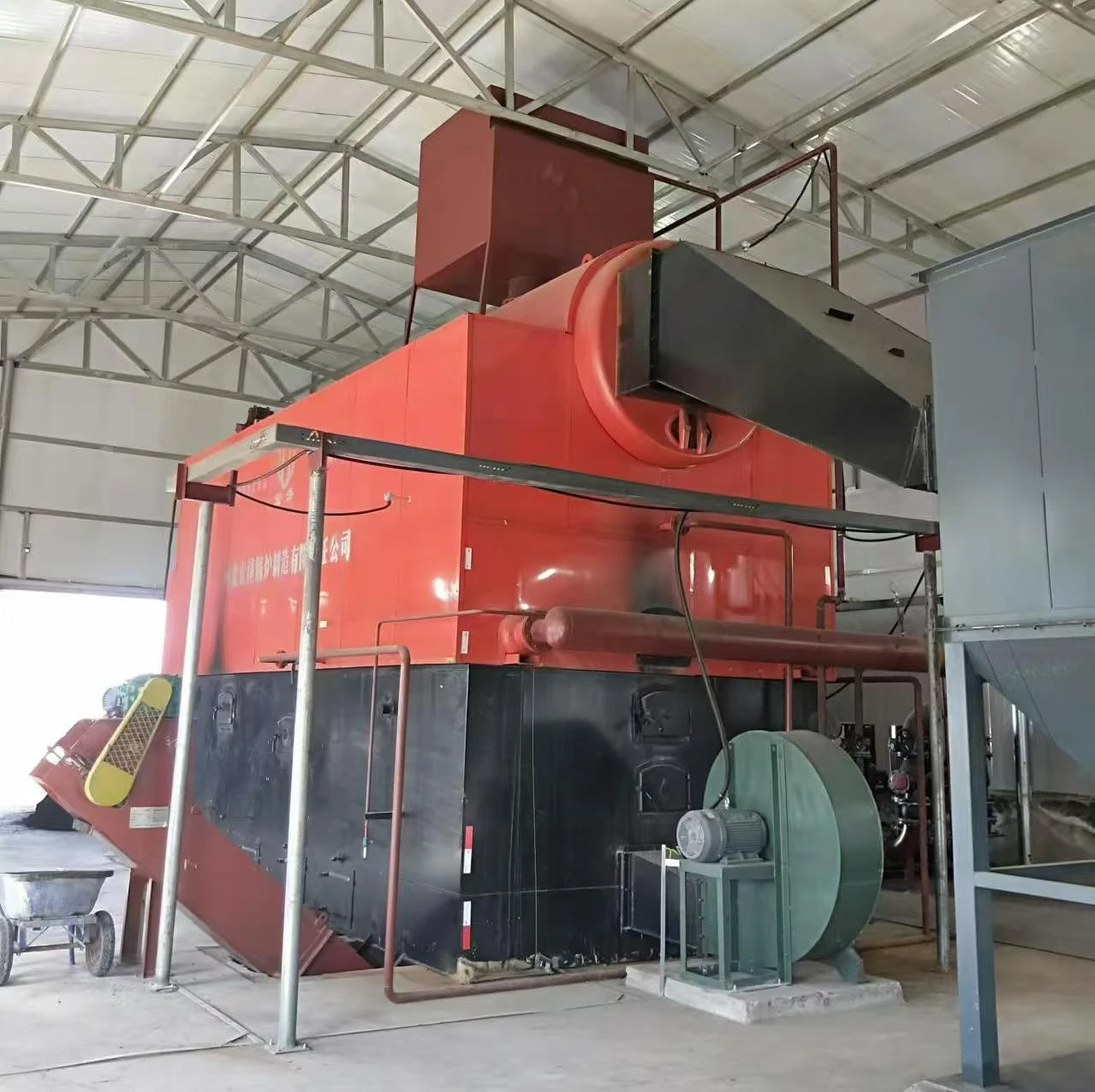
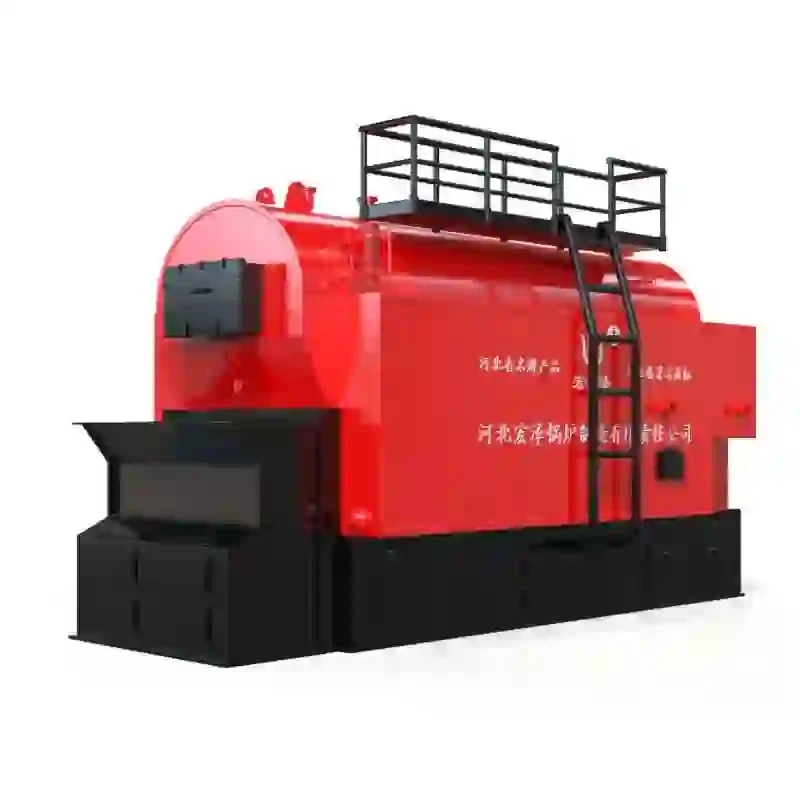
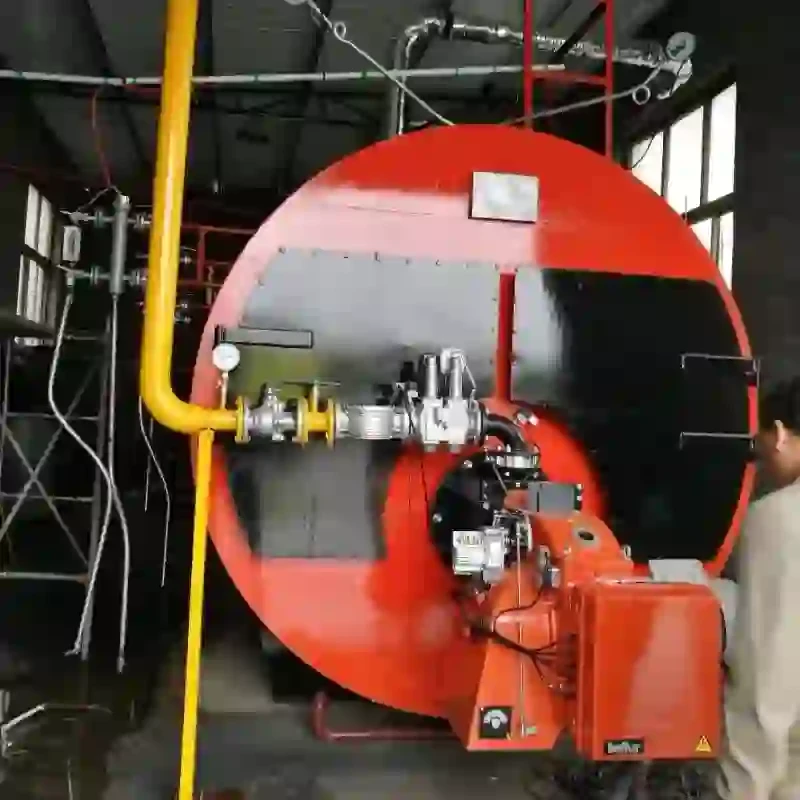
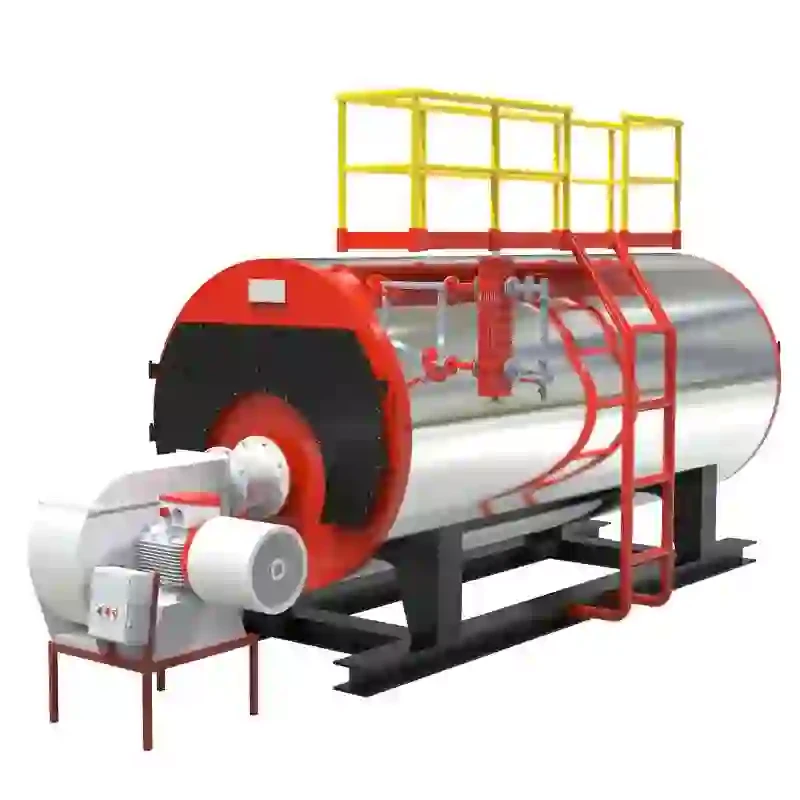
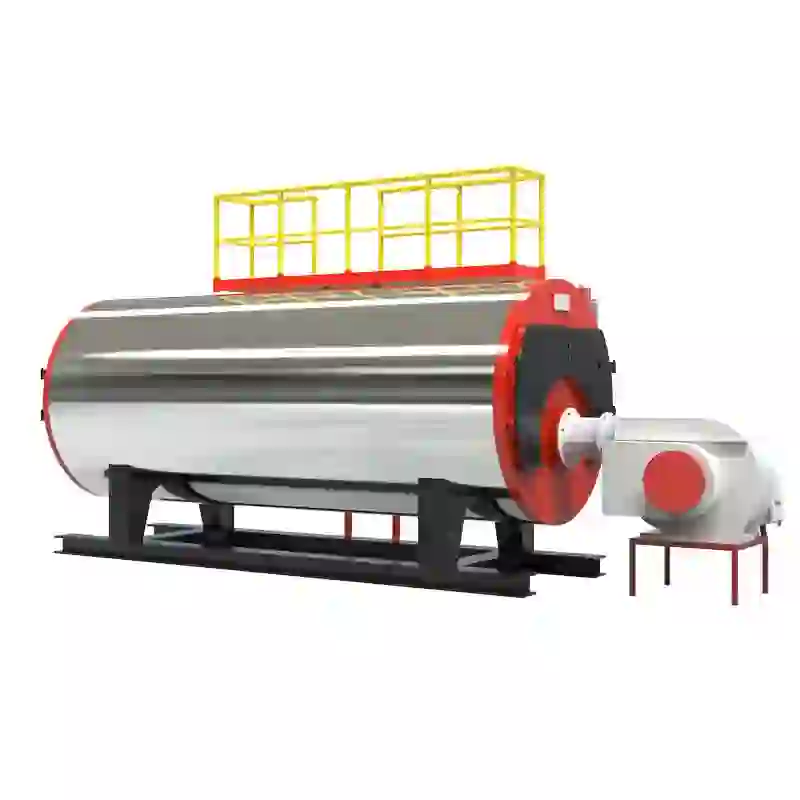
Simply put, an oil fired boiler is a heating system that burns oil to generate heat for water or steam production. This heat then circulates through pipes to heat buildings or facilitate industrial processes. Oddly enough, despite the surge in renewable tech, oil fired boilers remain a stalwart solution, especially where gas infrastructure is limited. The core mechanism involves spraying atomized oil into a combustion chamber where it ignites, transferring heat to water via metal tubes or fire tubes.
HZ Steamboiler, available at https://www.hzsteamboiler.com, offers models engineered for reliability and efficiency. For example, their vertical oil fired steam boiler employs a fully automatic burner, precise oil atomization, and a well-insulated furnace to maximize thermal efficiency. Many engineers appreciate their focus on durability — the boiler shells are constructed from high-grade carbon steel, ensuring years of rugged operation even in demanding industrial settings.
| Specification | Details |
|---|---|
| Fuel Type | Heavy oil, light oil |
| Capacity Range | 0.1–10 tons per hour steam output |
| Operating Pressure | 0.7–2.5 MPa |
| Thermal Efficiency | Up to 88% |
| Fuel Consumption | 0.6–0.8 kg oil per kg steam |
| Control System | Automatic burner ignition & safety controls |
Benefits & Use Cases of How Does An Oil Fired Boiler Work
In real terms, oil fired boilers are incredibly versatile. Industries like textiles, food processing, and chemical manufacturing often rely on them for steady steam supply. One interesting benefit is their ability to operate independently of natural gas, which means fewer interruptions in facilities located far from urban pipelines. Plus, oil storage onsite grants operators a measure of control over fuel logistics.
HZ Steamboiler's products stand out for competitive advantages such as low emissions burners and intuitive control panels, enabling tighter temperature regulation. This translates to improved process consistency — something production managers heavily prize. Also, the modular design options make customization for varying capacity needs straightforward, which many industrial customers find quite practical.
Vendor Comparison Table
| Vendor | Thermal Efficiency | Price Range (USD) | Maintenance Interval | Special Features |
|---|---|---|---|---|
| HZ Steamboiler | Up to 88% | $15,000 - $60,000 | 12 months (recommended) | Automatic controls, modular design |
| Vendor B | 85% | $17,000 - $58,000 | 10 months | Low-NOx burner option |
| Vendor C | 82% | $13,000 - $55,000 | 8 months | Standard manual controls |
Cost, Maintenance & User Experience
When weighing investment, total cost of ownership often trips people up. For oil fired boilers, initial costs can seem hefty, but durability factors soften that sting. The steel shell and burner technology built into HZ Steamboiler units tend to last well beyond ten years with routine upkeep, which frankly makes the ROI pretty solid.
Customers often mention the simplicity of their automated controls and consistency of performance. One food packaging plant noted how switching to a HZ Steamboiler oil fired system trimmed their downtime by 15%, thanks largely to fewer burner malfunctions and faster startup times. Maintenance schedules are sensible, leaning on quarterly burner checks and annual full inspections — not overly burdensome, but critical.
Sustainability & Market Trends
Sustainability might seem a tricky topic for oil fired boilers, but manufacturers are progressively addressing this by improving combustion efficiency and incorporating cleaner burners. Regulations, especially in Europe and parts of Asia, push for lower emissions, which HZ Steamboiler meets through advanced burner tech. Oddly enough, this makes their products still relevant in a climate-conscious market.
In fact, industry growth in emerging markets seems to favor oil fired boilers because of their flexibility and independence from gas grids. Legislation shapes the demand curve but also incentivizes upgrades to higher efficiency units — a trend HZ Steamboiler anticipates with modular, scalable designs.
Frequently Asked Questions about How Does An Oil Fired Boiler Work
- What is How Does An Oil Fired Boiler Work and how does it work?
- It’s a heating system that burns oil to heat water or produce steam, using a burner to atomize the oil and combust it efficiently, transferring heat through metal tubes to the water inside the boiler.
- What are the main benefits of using How Does An Oil Fired Boiler Work in industrial applications?
- Benefits include operational independence from gas grids, fuel storage flexibility, consistent steam supply, and advanced burner technology for better efficiency and emissions control.
- How does How Does An Oil Fired Boiler Work compare to traditional alternatives?
- Compared to older coal boilers or basic electric heating, oil fired boilers offer faster startup, higher thermal efficiency, and greater control. They’re often more cost-effective where natural gas isn’t viable.
- What industries can benefit most from How Does An Oil Fired Boiler Work implementation?
- Industries like food processing, textiles, chemical manufacturing, and paper production typically benefit most, relying on consistent industrial steam or heat for their operations.
Conclusion on How Does An Oil Fired Boiler Work from China
To wrap it up, understanding How Does An Oil Fired Boiler Work spells out why it remains a reliable, efficient choice for businesses aiming to balance performance with operational autonomy. Whether you’re in manufacturing or commercial heating, this tech still holds plenty of value, especially when sourced from experienced manufacturers who understand the market’s practical needs.
- Robust design paired with automated burn control maximizes ROI and uptime.
- Visit our website: https://www.hzsteamboiler.com
Reflecting on this, it’s clear that oil fired boilers, particularly from trusted vendors like HZ Steamboiler, fit a niche that’s unlikely to vanish anytime soon. For many, it’s about blending proven reliability with modern efficiency — a balance that’s still very much in demand.
References:
1. HZ Steamboiler official product documentation, 2023.
2. Industry reports on industrial boilers and fuel usage, Global Energy Review 2023.
3. Customer testimonials compiled by HZ Steamboiler sales team, 2022-2024.
-
Industrial Natural Gas Steam Boiler High Efficiency System Guide
NewsApr.16,2026
-
Maximize Industrial Productivity with High Efficiency Gas Steam Boiler
NewsApr.09,2026
-
Comprehensive Guide to Industrial Steam Heater Systems and Applications
NewsApr.07,2026
-
Comprehensive Guide to Low Pressure Steam Boilers and Their Applications
NewsApr.04,2026
-
Understanding High Pressure Steam Boiler Technology and Industrial Applications
NewsMar.31,2026
-
Comprehensive Guide to High Efficiency Steam Boiler Systems and Applications
NewsMar.28,2026


 English
  Arabic
  Bengali
  French
  German
  Hindi
Hindi  Indonesian
  Kazakh
  Khmer
Khmer  Korean
  Kyrgyz
  Lao
Lao  Latin
Latin  Mongolian
  Nepali
  Russian
  Turkish
  Turkmen
  Uzbek
Uzbek 


