




Dec . 03, 2025 13:58 Back to list
Comprehensive Guide to Gas Fired Hot Water Boiler: Benefits & Global Applications
Gas Fired Hot Water Boiler: Essential Insights and Practical Benefits
When you hear "gas fired hot water boiler," what comes to mind? For many, it’s just a chunky piece of equipment humming quietly in a basement, or that anonymous device keeping buildings warm and industrial processes humming. Yet, this technology plays a vital role worldwide, powering everything from small community hospitals to sprawling industrial complexes.
Understanding gas fired hot water boilers isn’t just about tech specs. It’s about grasping a solution linked to global energy challenges, comfort, and sustainability. More than that, these boilers connect closely to societal wellbeing—imagine hospitals or schools in cold climates without reliable hot water. The stakes are high, which is why knowing how these boilers work and their advantages matters on a global scale.
Global Context: Why Gas Fired Hot Water Boilers Matter
Gas fired hot water boilers are everywhere, and their global footprint is growing steadily. According to the International Energy Agency (IEA), natural gas accounted for roughly 24% of world energy consumption in 2023, with a significant share supporting heating demands in residential and commercial sectors worldwide. These boilers help reduce the average carbon footprint versus coal-fired alternatives, contributing to cleaner air—though, frankly, natural gas isn’t perfect.
Industries and municipalities increasingly face pressure to balance efficiency, cost, and environmental impact. Gas boilers offer an efficient, cost-effective way to meet these needs especially in regions where natural gas is abundant and infrastructure is mature. Still, challenges around emissions and operational efficiency remain, creating a landscape ripe for innovation.
What Exactly Is a Gas Fired Hot Water Boiler?
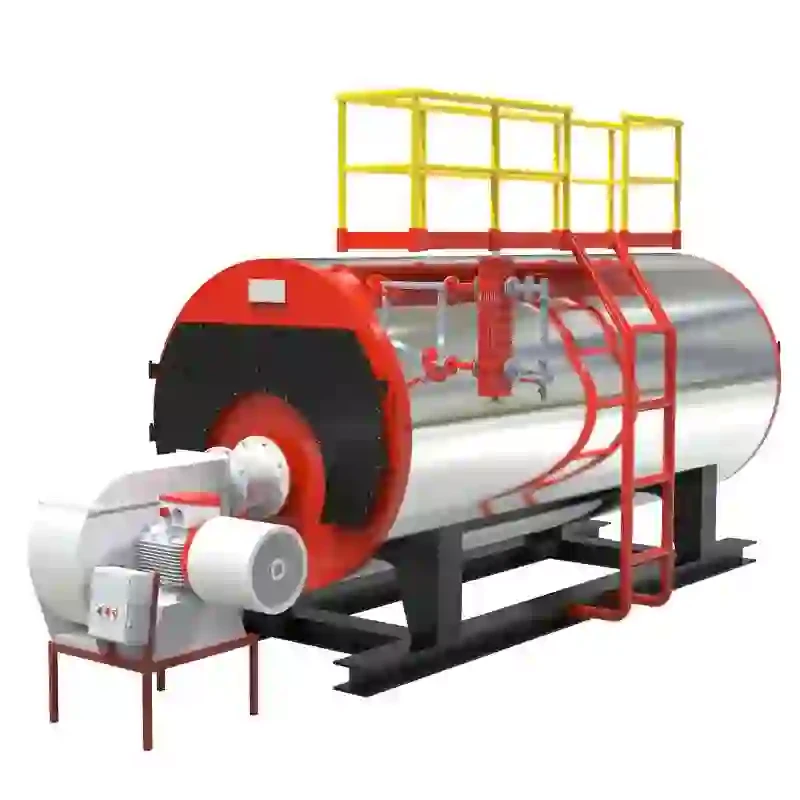
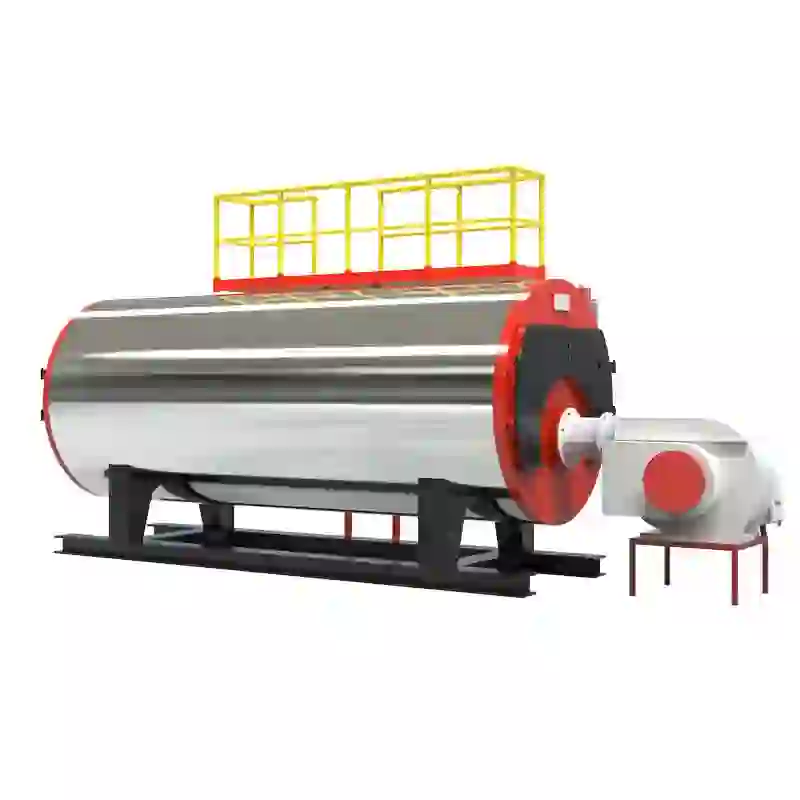
In simple terms, a gas fired hot water boiler is a device that heats water by burning natural gas as a fuel source. The heated water then circulates through pipes to provide heating or process warmth for a range of applications.
These boilers connect closely to modern industry and humanitarian needs by delivering reliable heat where and when it’s needed. Whether keeping a school’s radiators warm in winter or supplying heat for a manufacturing process, they are core to daily life and industry.
Key Features of Gas Fired Hot Water Boilers
Efficiency
Modern gas boilers reach thermal efficiencies above 90%, meaning most fuel energy converts effectively into usable heat. This reduces wasted energy and lowers operating costs.
Durability
With proper materials like stainless steel or cast iron heat exchangers, these boilers often last 15–20 years or more, provided routine maintenance is performed. Durability ensures long-term value and fewer disruptions.
Cost Effectiveness
Natural gas is typically less expensive than electricity or oil in many regions, making operational costs manageable. Initial installation costs can vary but are usually outweighed by long-term savings on fuel.
Compactness and Scalability
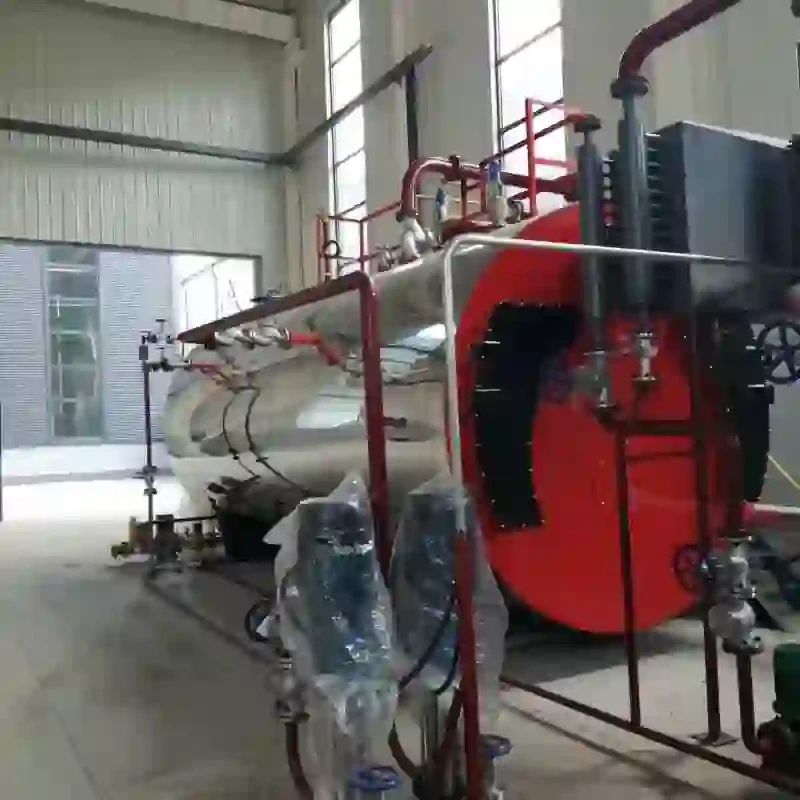
Gas fired hot water boilers come in sizes from small units serving single-family homes to large industrial systems handling hundreds of kilowatts of heat output. This scalability lets customers pick solutions tailored to their precise needs.
Safety and Control Systems
Modern boilers incorporate safety devices such as flame failure detection, temperature and pressure cutoffs, and automated controls, ensuring reliable operation with minimal risk.
Typical Specifications of a Mid-Range Gas Fired Hot Water Boiler
| Specification | Value |
|---|---|
| Heat Output (kW) | 100–500 kW |
| Fuel Type | Natural Gas |
| Efficiency | 90–95% |
| Operating Pressure | Max 6 bar |
| Dimensions (L×W×H mm) | 1500 × 800 × 1200 |
| Weight | Approx. 400 kg |
Global Applications & Real-World Use Cases
- Urban Heating Systems: Many European cities use centralized gas boilers for district heating, reducing individual building emissions and streamlining control.
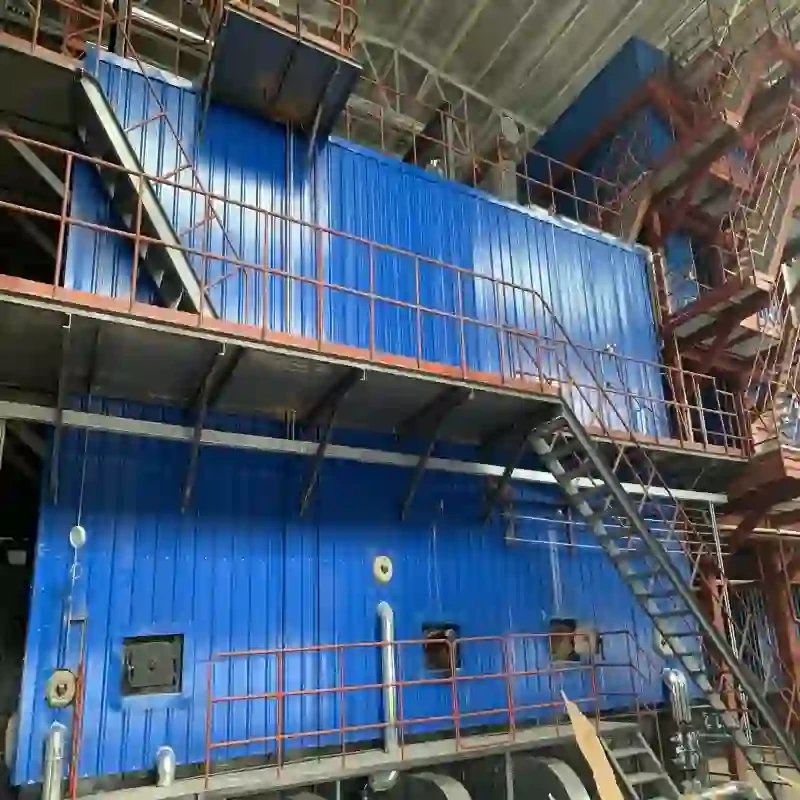
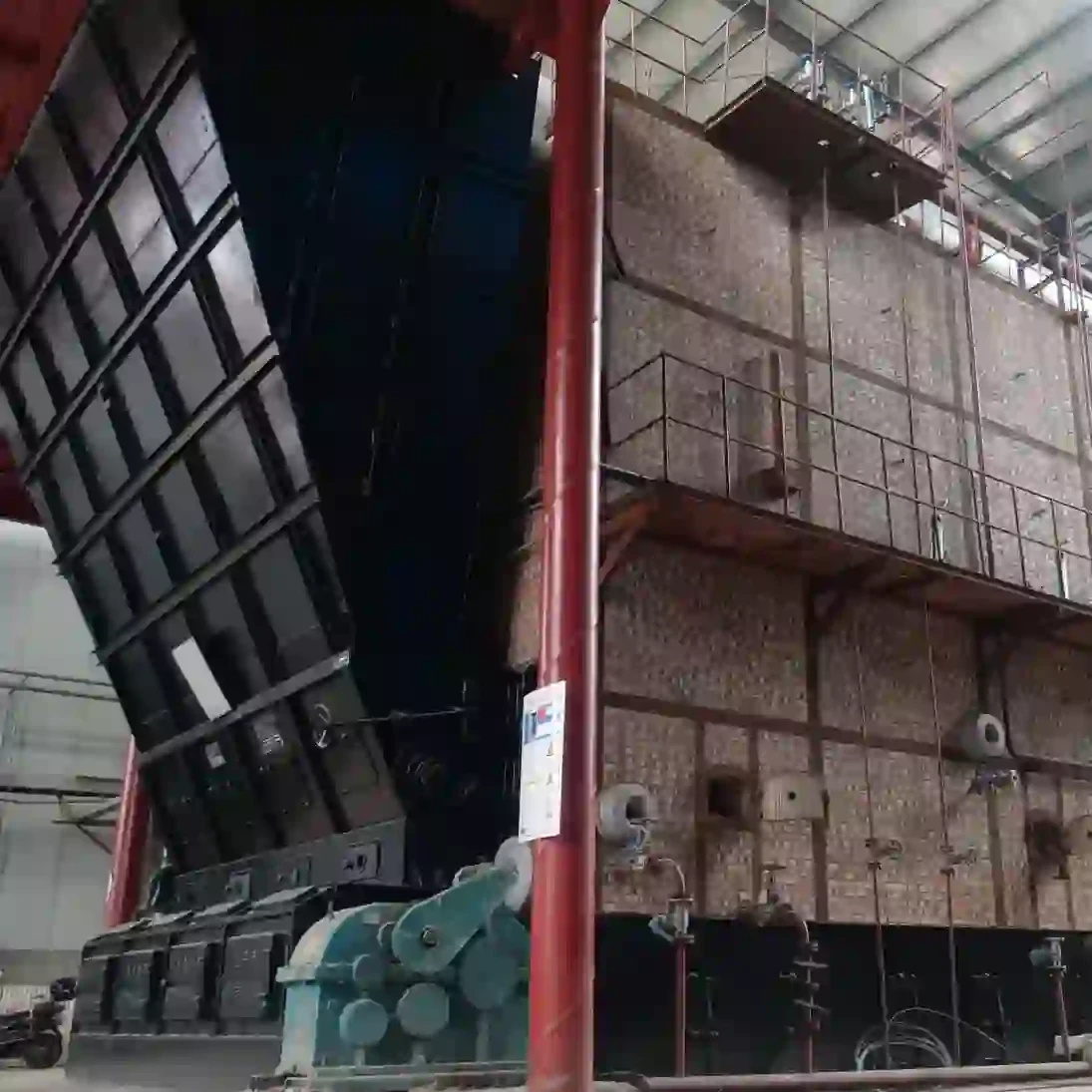
- Industrial Processing: Factories in China and the US rely on these boilers for process heat in food production, chemical manufacturing, and textiles.
- Hospitals and Schools: Reliable hot water is essential in healthcare and education facilities worldwide, from Norway’s fjord-side clinics to schools in the US Midwest.
- Remote Energy Solutions: In off-grid areas, efficient gas fired boilers provide warmth and hot water where electric alternatives would be cost-prohibitive.
Oddly enough, in disaster relief operations—or even during harsh winters in remote regions—portable gas fired hot water boilers have been used to provide essential warmth within temporary shelters, directly impacting human safety and comfort.
Advantages & Long-Term Value
Framed plainly, gas fired hot water boilers offer several tangible benefits:
- Cost Savings: Lower fuel costs and high efficiency mean affordable ongoing operation.
- Sustainability: While not carbon-neutral, natural gas burns cleaner than coal or oil, reducing greenhouse gas emissions.
- Reliability: They operate persistently and withstand varying demand cycles without significant downtime.
- Social Impact: Providing dependable heat improves living standards by preserving dignity, health, and safety.
On a personal note, many engineers I spoke to highlight the peace of mind knowing the boiler can be trusted day after day. It feels like a silent partner in comfort and productivity.
Future Trends & Innovations
The next frontier for gas fired hot water boilers is digital transformation and greener fuels.
- Smart Controls and IoT Integration: Monitoring and remotely adjusting boiler operation optimize both energy use and maintenance scheduling.
- Hydrogen Blending: Experimental models are running on natural gas mixed with hydrogen, aiming to cut carbon emissions further.
- Advanced Materials: New alloys and coatings improve heat exchanger longevity and thermal performance.
- Policy Shifts: Governments encourage efficiency upgrades and sometimes even phase out fossil fuels. These boilers must adapt to survive.
Challenges & Expert Solutions
Not everything is rosy. For starters, traditional gas boilers still emit CO₂, posing an environmental challenge. Also, maintenance lapses can lead to corrosion or reduced efficiency. In areas with unstable gas supply, reliability can be problematic.
Solutions? Frankly, it starts with consistent monitoring and adopting hybrid systems combining electric or solar with gas fired boilers. Skilled technicians emphasize proactive upkeep and integrating real-time sensors to catch issues early.
Vendor Comparison: Popular Gas Fired Hot Water Boilers
| Vendor | Efficiency | Price Range | Warranty | Notable Features |
|---|---|---|---|---|
| Brand A | 94% | $$$ | 5 years | Smart control panel, IoT ready |
| Brand B | 90% | $$ | 3 years | Compact design, easy maintenance |
| Brand C | 92% | $$$ | 4 years | Hydrogen blending compatible |
FAQ: Frequently Asked Questions About Gas Fired Hot Water Boilers
- Q1: How long does a typical gas fired hot water boiler last?
- A well-maintained boiler often lasts from 15 to 20 years. Regular inspections and timely repairs significantly extend service life.
- Q2: Are gas fired hot water boilers environmentally friendly?
- Compared to coal and oil boilers, gas fired units emit less CO₂ and pollutants. However, they still rely on fossil fuel, so transitioning to cleaner energy sources is underway.
- Q3: Can gas boilers integrate with renewable energy?
- Yes. Some systems combine solar thermal energy with gas boilers to reduce fossil fuel use, while upcoming models support hydrogen gas blends.
- Q4: What safety features should I look for?
- Look for flame failure devices, pressure relief valves, and automated controls to prevent overheating and gas leaks. Compliance with local safety standards is vital.
Conclusion: Why Gas Fired Hot Water Boilers Remain Vital
In real terms, gas fired hot water boilers embody a balance of efficiency, reliability, and adaptability necessary in today’s complex energy landscape. While not without challenges, their global use and ongoing innovations ensure they’ll remain critical for decades.
If you’re interested in reliable, efficient gas fired hot water boiler solutions, it’s a good idea to explore current models that emphasize smart controls and sustainability features. Understanding these boilers helps businesses and communities move toward better energy futures with confidence.
Visit our website at hzsteamboiler.com to learn more and find a model tailored to your needs.
Mini takeaway: A gas fired hot water boiler is more than a heater—it’s a cornerstone technology for comfort, industrial productivity, and evolving energy systems worldwide.
References:
1. International Energy Agency report on Global Energy & CO2 Status 2023.
2. Wikipedia entry on Boilers.
3. ISO standards on boiler safety (ISO 16528-1:2020).
-
Industrial Natural Gas Steam Boiler High Efficiency System Guide
NewsApr.16,2026
-
Maximize Industrial Productivity with High Efficiency Gas Steam Boiler
NewsApr.09,2026
-
Comprehensive Guide to Industrial Steam Heater Systems and Applications
NewsApr.07,2026
-
Comprehensive Guide to Low Pressure Steam Boilers and Their Applications
NewsApr.04,2026
-
Understanding High Pressure Steam Boiler Technology and Industrial Applications
NewsMar.31,2026
-
Comprehensive Guide to High Efficiency Steam Boiler Systems and Applications
NewsMar.28,2026


 English
  Arabic
  Bengali
  French
  German
  Hindi
Hindi  Indonesian
  Kazakh
  Khmer
Khmer  Korean
  Kyrgyz
  Lao
Lao  Latin
Latin  Mongolian
  Nepali
  Russian
  Turkish
  Turkmen
  Uzbek
Uzbek 


