




Dec . 08, 2025 03:40 Back to list
Direct Vent Oil Fired Hot Water Boiler – Reliable Industrial Heating
Direct Vent Oil Fired Hot Water Boiler: A Reliable Workhorse
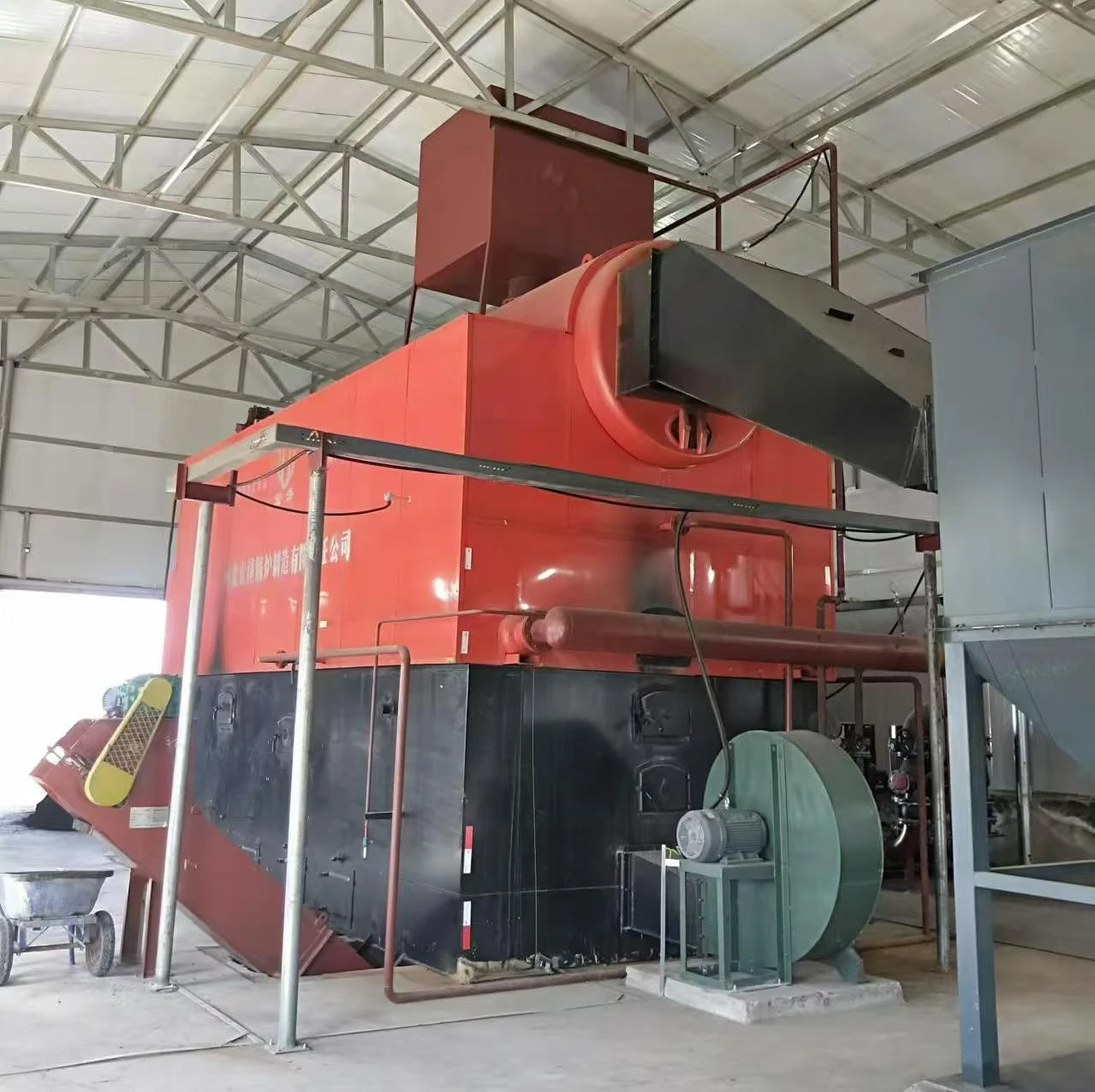
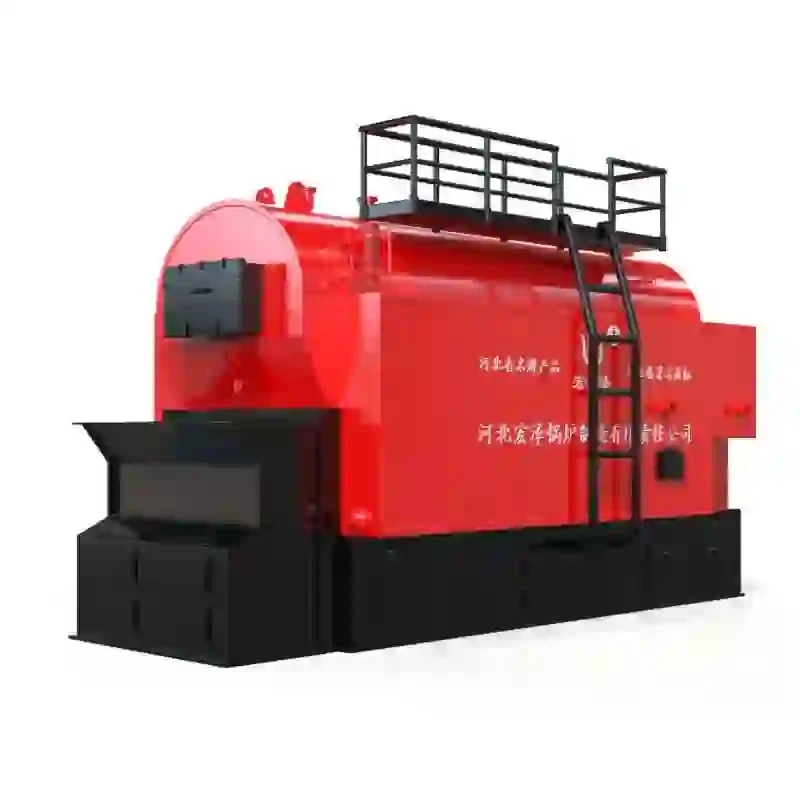
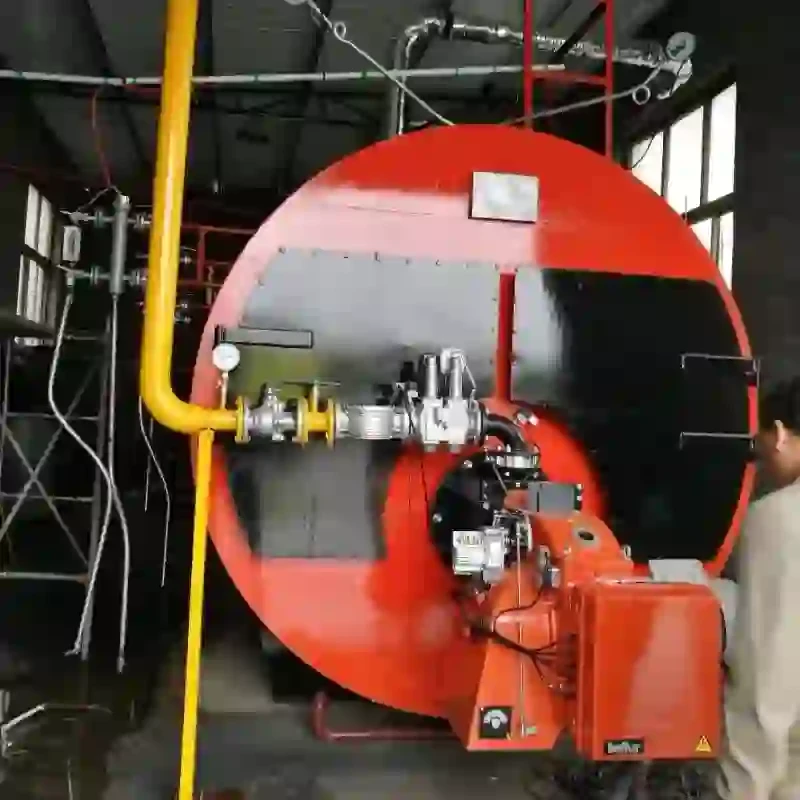
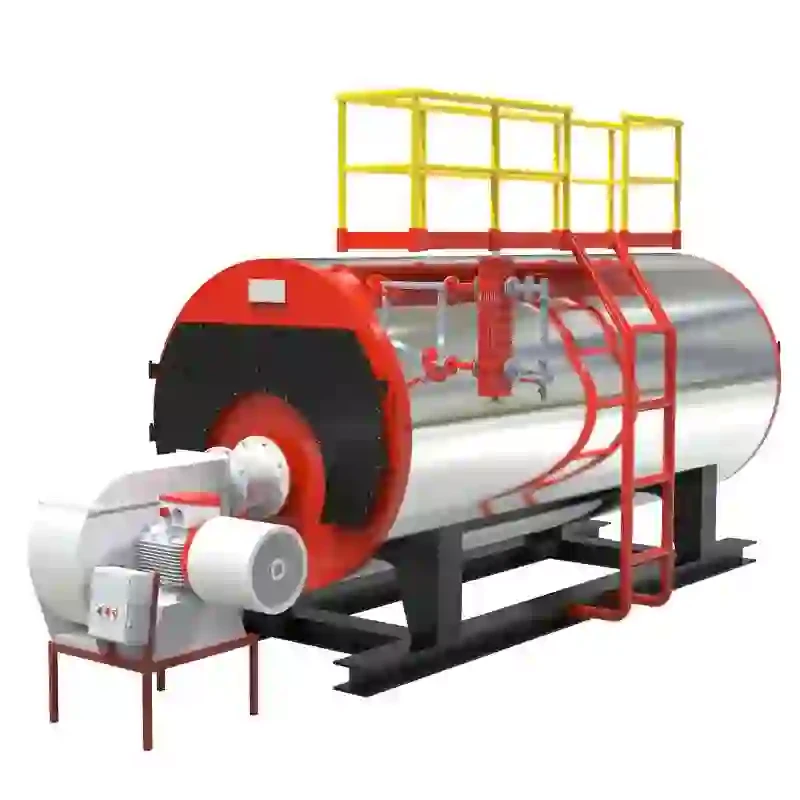
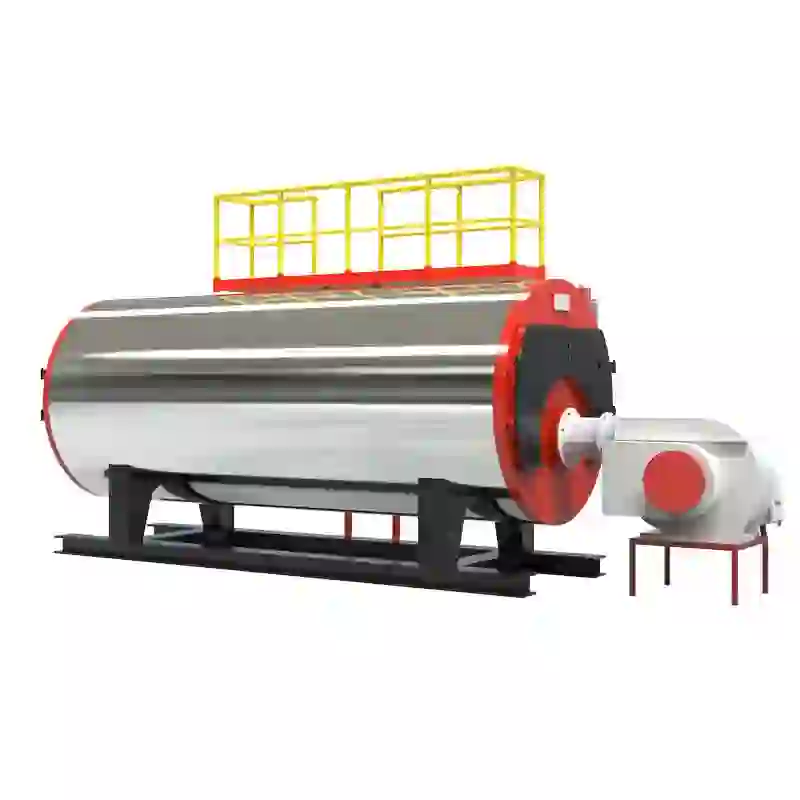
Having spent a fair chunk of my career in industrial equipment, I can tell you that when it comes to heating large commercial or industrial spaces, a direct vent oil fired hot water boiler often ends up being the quiet MVP in the plant room. Oddly enough, these systems don’t get as much buzz as their gas-fired cousins, but from what I’ve seen, they bring a blend of efficiency, rugged design, and adaptability that’s hard to beat.
Now, the “direct vent” part is key because it means the boiler takes combustion air from outdoors — not from inside the building. This setup enhances safety and indoor air quality, which, frankly, is something everyone should care about but can sometimes slip under the radar until something goes wrong. Plus, this external air intake often leads to better combustion efficiency.
Over the years, I’ve noticed manufacturers focusing more on compact, modular designs for these boilers. This matters in real terms because many older industrial plants have tighter boiler rooms — retrofits or expansions become a headache without a slim footprint. Also, robust steel construction and corrosion-resistant coatings remain standard now, increasing longevity even when fuel oils vary in quality.
A quick note about the oil firing itself: despite shifts toward natural gas or electric heat in some sectors, oil-fired boilers hold strong where gas infrastructure is lacking or when certain fuel preferences apply. Maintenance-wise, these units demand regular attention — think burner tune-ups and soot blowers — but as one old-timer told me, “if you treat a boiler right, it’ll keep the heat coming without fuss for decades.”
| Specification | Details |
|---|---|
| Fuel Type | No. 2 Fuel Oil (Diesel) |
| Input Capacity | 200,000 – 1,000,000 BTU/hr |
| Efficiency | 85% – 88% AFUE |
| Vent Type | Direct Vent (Sealed Combustion) |
| Water Temperature Range | 140°F – 190°F (adjustable) |
| Controls | Digital flame sensor, upgraded thermostats |
| Materials | Steel shell, cast iron or steel heat exchanger |
One thing engineers often debate is fuel flexibility and emissions. Frankly, as regulations tighten, especially in urban areas, vendors have started incorporating advanced combustion controls and low-NOx burners. It’s a bit of a balancing act, since oil combustion naturally produces more particulate matter. But I’ve seen some new models that come surprisingly close to meeting stringent standards — which sort of changes the game for oil-fired installations.
| Feature | HZ Steam Boiler | Vendor B | Vendor C |
|---|---|---|---|
| Input Capacity Range | 220,000 - 900,000 BTU/hr | 200,000 - 1,100,000 BTU/hr | 180,000 - 850,000 BTU/hr |
| Boiler Efficiency | 87% AFUE | 85% AFUE | 86% AFUE |
| Emission Controls | Low-NOx Burner optional | Standard burner | Low-NOx burner available |
| Warranty | 5 years on heat exchanger | 3 years on heat exchanger | 5 years on heat exchanger |
| Control System | Advanced microprocessor | Basic electronic controls | Standard digital controls |
I remember a recent retrofit project for a manufacturing plant in the Northeast where the existing boilers were 20+ years old and fed by natural gas lines that had become unreliable over winter. The team switched to a direct vent oil fired hot water boiler system that fit neatly into the cramped mechanical room and delivered consistent heat throughout brittle cold snaps. The operators told me the switch was “a breath of fresh air” — not only because of the direct vent setup but also due to smoother startup and shutdown cycles.
Of course, every facility and application has unique needs. In my experience, working closely with vendors who can customize burner controls, pipe connections, or venting options is crucial. It’s that human touch in the tech specs that makes all the difference. So if you want a dependable heat source without fuss, a direct vent oil boiler might just be the silent partner you need — especially when fuel versatility and indoor air quality are top priorities.
In case you want to look deeper into specific models and options from a trusted source, check out direct vent oil fired hot water boiler solutions there.
— A quick reflection from years on the floor: these industrial boilers might not be the flashiest tech around, but they’re solid as a rock — and that counts for a lot when you’re chasing uptime in harsh environments.
References
1. ASHRAE Handbook — Fuel Oil Combustion Systems
2. U.S. DOE Industrial Boiler Efficiency Reports, 2023
3. Manufacturer product specs and vendor documentation (HZ Steam Boiler)
-
Industrial Natural Gas Steam Boiler High Efficiency System Guide
NewsApr.16,2026
-
Maximize Industrial Productivity with High Efficiency Gas Steam Boiler
NewsApr.09,2026
-
Comprehensive Guide to Industrial Steam Heater Systems and Applications
NewsApr.07,2026
-
Comprehensive Guide to Low Pressure Steam Boilers and Their Applications
NewsApr.04,2026
-
Understanding High Pressure Steam Boiler Technology and Industrial Applications
NewsMar.31,2026
-
Comprehensive Guide to High Efficiency Steam Boiler Systems and Applications
NewsMar.28,2026


 English
  Arabic
  Bengali
  French
  German
  Hindi
Hindi  Indonesian
  Kazakh
  Khmer
Khmer  Korean
  Kyrgyz
  Lao
Lao  Latin
Latin  Mongolian
  Nepali
  Russian
  Turkish
  Turkmen
  Uzbek
Uzbek 


