




Sep . 23, 2025 12:10 Back to list
High-Efficiency Coal Fired Hot Water Boiler for Reliable Heating
Introduction to Advanced Coal-Fired Hot Water Boiler Systems
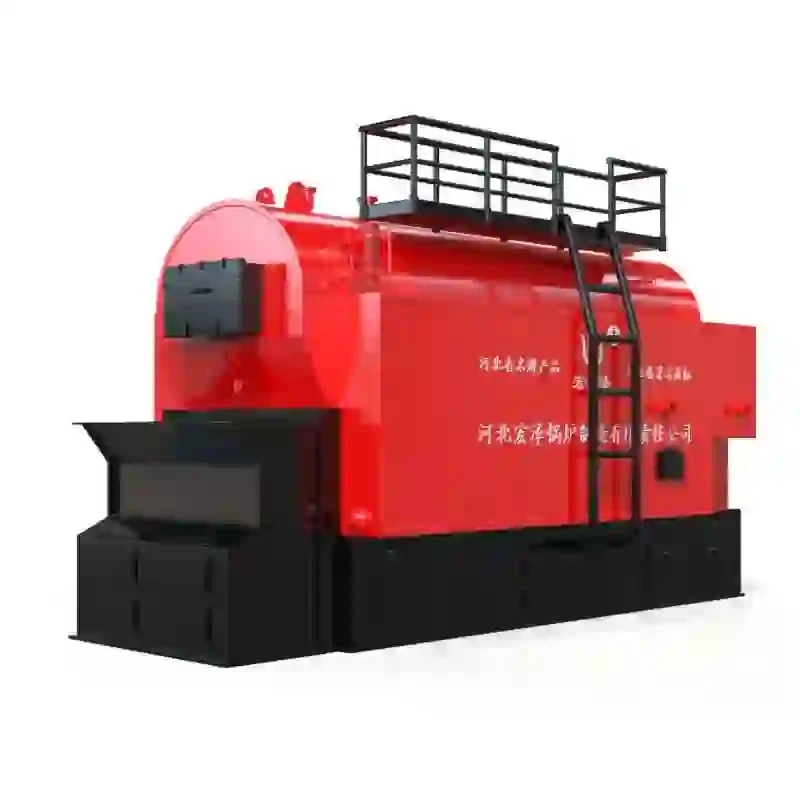
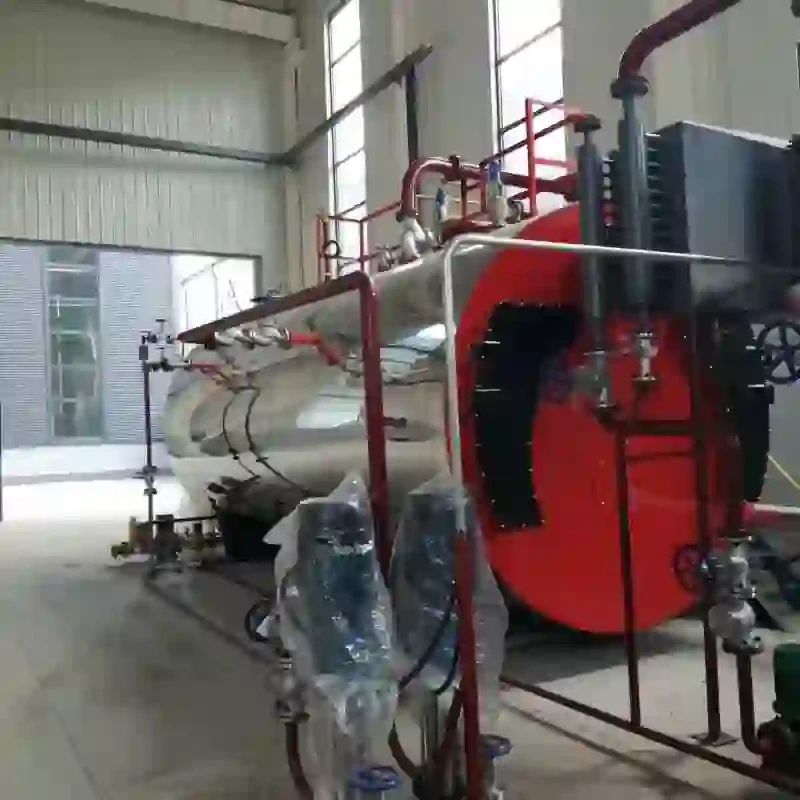
In the realm of industrial and commercial heating, the coal fired hot water boiler remains a robust and cost-effective solution for large-scale energy demands. These systems are engineered to provide efficient and reliable hot water supply for various applications, ranging from district heating and industrial processes to commercial facilities. Despite evolving energy landscapes, advancements in combustion technology and emission control have ensured their continued relevance, particularly in regions with abundant coal resources. Our focus today is on understanding the intricate design, manufacturing prowess, and strategic advantages that position these boilers as critical infrastructure in modern industrial operations.
This comprehensive overview delves into the technical aspects, operational benefits, and strategic considerations for B2B decision-makers evaluating thermal energy solutions. We aim to provide deep insights into the lifecycle, performance metrics, and customization capabilities of high-performance coal-fired hot water heating systems.
Current Industry Trends and Market Dynamics
The market for industrial boilers, including the coal fired hot water boiler, is shaped by a confluence of factors: energy policy, environmental regulations, and technological innovation. Globally, there's a drive towards higher efficiency and reduced emissions, prompting manufacturers to invest in advanced combustion techniques, flue gas treatment systems (e.g., electrostatic precipitators, baghouses, scrubbers), and smart control systems. The demand for coal fired hot water heater systems, while subject to regional energy policies favoring cleaner fuels, persists due to their cost-effectiveness and long operational lifespan in coal-rich areas.
Key Trends:
- Enhanced Efficiency: Modern boilers are designed with optimized heat transfer surfaces, economizers, and air preheaters to achieve thermal efficiencies often exceeding 85%.
- Emission Reduction: Integration of advanced selective catalytic reduction (SCR) or selective non-catalytic reduction (SNCR) for NOx, and improved particulate matter control systems.
- Automation and IoT: Smart control systems for real-time monitoring, predictive maintenance, and optimized fuel consumption, leading to lower operational costs.
- Modularity and Customization: Manufacturers offer modular designs and extensive customization to meet specific industrial requirements, from capacity to fuel handling.
According to market research, the global industrial boiler market is projected to grow, with a significant segment still relying on conventional fuels like coal due to established infrastructure and economic viability in certain regions. The emphasis is now on making these systems as environmentally compliant and energy-efficient as possible.
Manufacturing Process Flow of a Coal-Fired Hot Water Boiler
The production of a high-quality coal fired hot water boiler is a complex, multi-stage process demanding precision engineering, stringent material selection, and rigorous quality control. Our manufacturing philosophy adheres to international standards like ISO 9001 for quality management and ASME Boiler and Pressure Vessel Code (BPVC) for structural integrity, ensuring a service life typically exceeding 20 years with proper maintenance.
Detailed Process Steps:
- Raw Material Procurement and Inspection: We source high-grade pressure vessel steel plates (e.g., SA-516 Grade 70, 20G), seamless steel tubes (e.g., SA-192, GB3087), and other components from certified suppliers. Incoming materials undergo comprehensive chemical composition and mechanical property testing to ensure compliance with specifications.
- Plate Cutting and Shaping: Large steel plates are precisely cut using advanced CNC plasma or laser cutting machines, minimizing waste and ensuring accurate dimensions for components like boiler drums, headers, and furnace walls. Bending machines form cylindrical shells and other complex geometries.
- Boiler Drum and Header Fabrication: Drum shells are rolled and then circumferentially welded. Headers are typically formed by pressing or seamless pipe bending. All pressure-bearing welds are performed by certified welders using automated submerged arc welding (SAW) or shielded metal arc welding (SMAW), followed by non-destructive testing (NDT) such as X-ray radiography or ultrasonic testing to detect any internal flaws.
- Water Wall and Convective Tube Bank Assembly: Water wall panels are fabricated by welding tubes to membrane bars. Convective tube bundles are assembled by welding tubes into headers. Robotic welding ensures consistent quality and penetration. These sections are designed for optimal heat transfer and resistance to thermal stress.
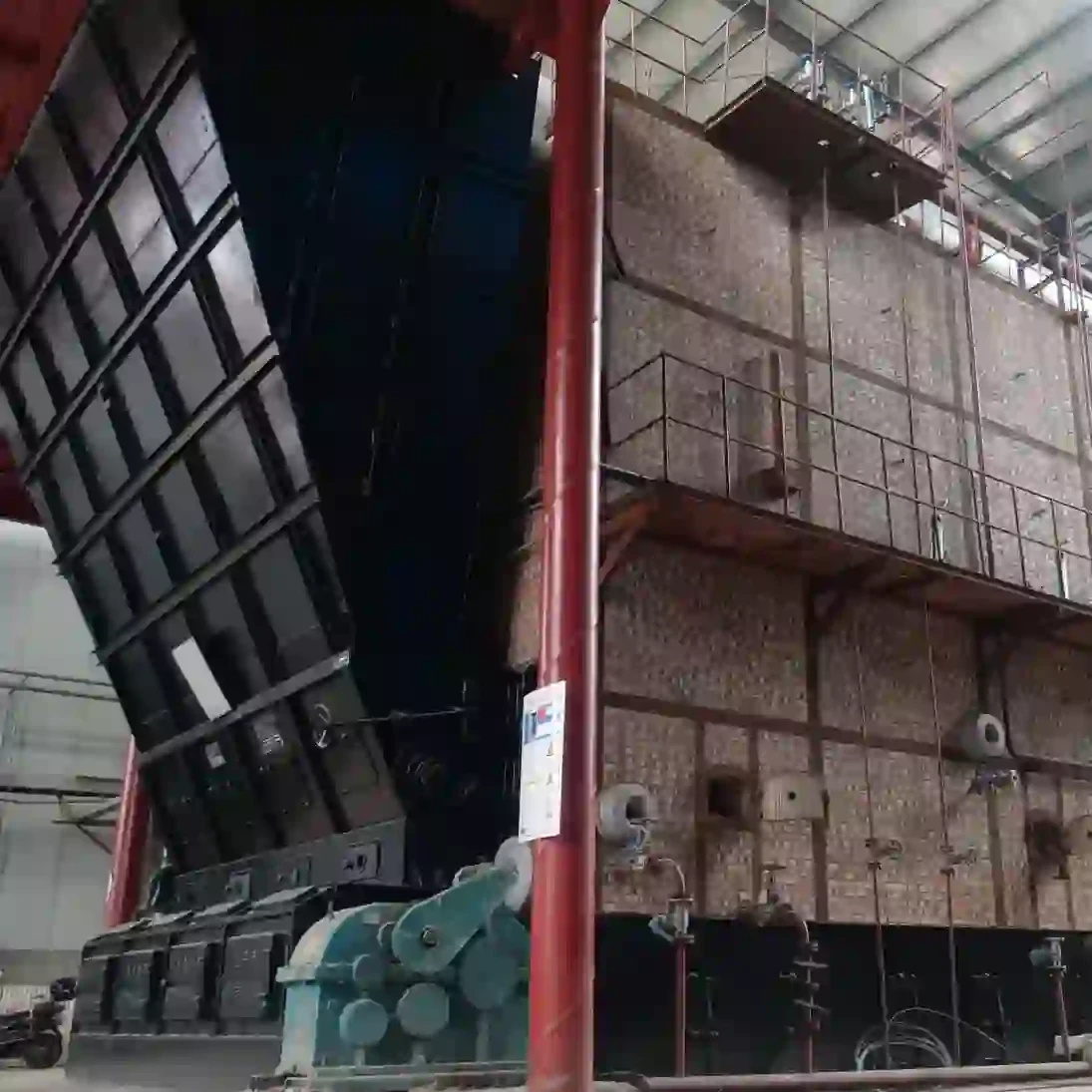
- Grating System Manufacturing (for chain grate boilers): Components for the traveling grate (cast iron links, drive mechanism) are manufactured, often involving precision casting and machining processes, ensuring durability and smooth operation under high temperatures.
- Boiler Assembly: The main components – furnace, drum, tube banks, and grate – are carefully assembled. This stage involves complex fitting and welding operations, ensuring structural integrity and alignment according to design blueprints.
- Hydrostatic Testing: After assembly of all pressure parts, the boiler undergoes a hydrostatic test where it is filled with water and pressurized to 1.25 to 1.5 times the design pressure. This crucial test verifies the integrity of all welds and pressure-bearing components, adhering to ASME and other relevant international safety standards.
- Insulation and Casing Installation: High-temperature insulation materials (e.g., rock wool, ceramic fiber) are applied to minimize heat loss, followed by the installation of the outer steel casing, which provides structural support and aesthetic finish.
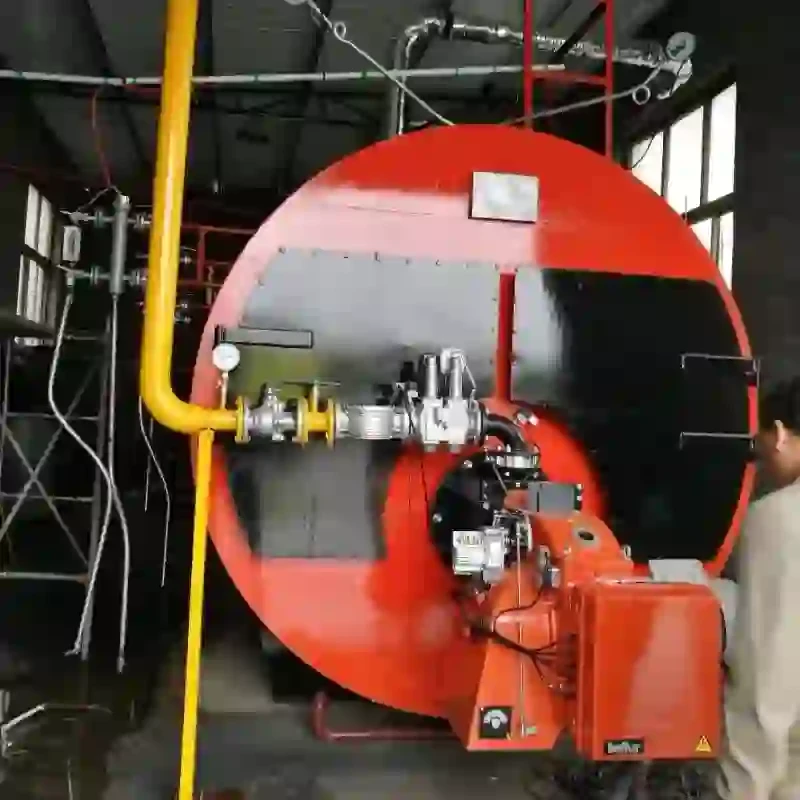
- Control System and Ancillary Equipment Integration: Electrical wiring, instrumentation, safety valves, and control panels are installed and calibrated. All systems are tested for functionality and safety.
- Final Inspection and Certification: A thorough final inspection is conducted by our quality assurance team and often by third-party certification bodies (e.g., TÜV, SGS) to ensure full compliance with all design, manufacturing, and safety standards before shipment.
This meticulous process ensures that our coal fired hot water boiler units offer exceptional energy saving through efficient heat transfer, and superior corrosion resistance due to quality material selection and protective coatings. Target industries include petrochemicals, metallurgy, food processing, textiles, pharmaceuticals, and urban district heating for water supply & drainage systems.
Key Technical Specifications
Understanding the technical parameters is crucial for selecting the right coal fired hot water boiler. Our product range offers various capacities and operational characteristics designed to meet diverse industrial needs.
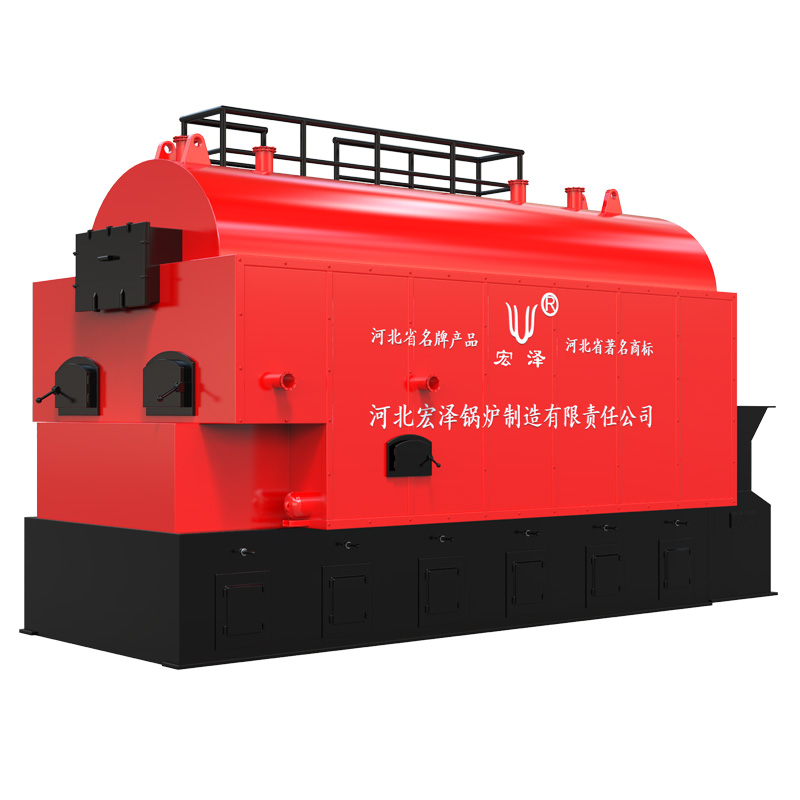
Typical Product Specification Table (Example for a Medium-Capacity Unit):
| Parameter | Specification | Unit |
|---|---|---|
| Rated Thermal Power | 14 - 58 | MW |
| Rated Outlet Water Temperature | 95 / 115 / 130 / 150 | °C |
| Rated Inlet Water Temperature | 70 / 90 / 90 / 110 | °C |
| Design Pressure | 1.0 - 2.5 | MPa |
| Operating Pressure | 0.7 - 2.0 | MPa |
| Thermal Efficiency | ≥ 85% (with economizer) | % |
| Fuel Type | Bituminous coal, Anthracite, Lean coal | N/A |
| Control System | PLC Automatic Control | N/A |
| Emission Standards | Meets regional and national standards (with appropriate FGT) | N/A |
| Design Service Life | 20+ | Years |
These specifications underscore the robust engineering and high-performance capabilities inherent in a modern coal fired hot water heater, designed for longevity and operational stability.
Application Scenarios and Technical Advantages
The versatility of a coal fired hot water boiler makes it indispensable across a spectrum of industrial and commercial applications. Its ability to provide stable, high-volume hot water is critical for continuous operations.
Typical Application Scenarios:
- District Heating: Providing centralized hot water for residential complexes, commercial buildings, and public institutions in urban areas.
- Industrial Process Heating: Essential for various manufacturing processes requiring hot water, such as textile dyeing, paper production, food and beverage processing, and pharmaceutical manufacturing.
- Petrochemical Industry: Supplying hot water for reaction processes, heating storage tanks, and various utility applications.
- Metallurgy: Used in heating solutions for ore processing, metal refining, and other thermal applications.
- Agriculture and Greenhouses: Maintaining optimal temperatures for large-scale agricultural operations and advanced greenhouse facilities.
Key Technical Advantages:
- High Thermal Efficiency: Modern designs incorporate features like large heating surfaces, optimized combustion chambers, and advanced heat recovery systems (economizers, air preheaters) to maximize energy utilization from coal, leading to lower fuel consumption.
- Robust Construction and Durability: Built with high-quality pressure vessel steels and robust welding techniques, ensuring exceptional structural integrity and resistance to operational stresses, leading to a long service life.
- Wide Fuel Adaptability: Capable of efficiently burning various types of coal (bituminous, anthracite, lean coal) with different calorific values and moisture content, offering flexibility in fuel sourcing.
- Advanced Safety Features: Equipped with multiple safety interlocks, over-pressure protection, low water level alarms, and flame monitoring systems, ensuring safe and reliable operation.
- Environmental Compliance: When integrated with appropriate flue gas treatment (FGT) systems (e.g., desulfurization, denitrification, dust removal), these boilers can meet stringent emission regulations.
- Ease of Maintenance: Designed for accessibility to key components, simplifying inspection, cleaning, and maintenance procedures, thereby reducing downtime.
Vendor Comparison and Customization Solutions
Choosing the right supplier for a coal fired hot water boiler is a strategic decision that impacts long-term operational costs, reliability, and environmental compliance. While several vendors exist, differentiation often lies in engineering depth, manufacturing quality, and post-sales support.
Key Factors for Vendor Comparison:
| Factor | Consideration Points |
|---|---|
| Certifications & Standards | Adherence to ASME, ISO 9001, CE, local pressure vessel codes. Indicates a commitment to quality and safety. |
| Manufacturing Capabilities | Advanced production lines (CNC, robotic welding), quality control processes (NDT), and experience with complex projects. |
| Thermal Efficiency & Emissions | Proven boiler designs with high thermal efficiency and options for integrated flue gas treatment systems to meet specific environmental regulations. |
| Customization & Engineering Support | Ability to tailor boiler design, capacity, fuel handling, and ancillary equipment to precise project requirements. Access to experienced engineering teams. |
| After-Sales Service & Spares | Availability of prompt technical support, spare parts, maintenance contracts, and operational training. |
| Project Experience & References | Track record of successful installations in similar industries and regions, backed by credible customer testimonials. |
Customized Solutions:
Recognizing that no two industrial applications are identical, we specialize in providing bespoke coal fired hot water boiler solutions. Our engineering team collaborates closely with clients to develop systems tailored to specific operational parameters, site constraints, and regulatory requirements. This includes:
- Capacity Matching: Designing boilers to precisely match required thermal output, avoiding oversizing or undersizing.
- Fuel Flexibility: Optimizing furnace design for specific local coal types, including considerations for calorific value, ash content, and volatility.
- Integration with Existing Infrastructure: Ensuring seamless integration with existing plant control systems, fuel handling, and water treatment facilities.
- Emission Control Optimization: Implementing customized flue gas treatment packages to meet exact local environmental regulations, which may vary significantly by region.
- Footprint Optimization: Designing compact boiler configurations for sites with limited space, or modular designs for ease of transport and assembly.
- Automation Levels: From semi-automatic to fully automated PLC-based control systems for enhanced operational efficiency and reduced human intervention.
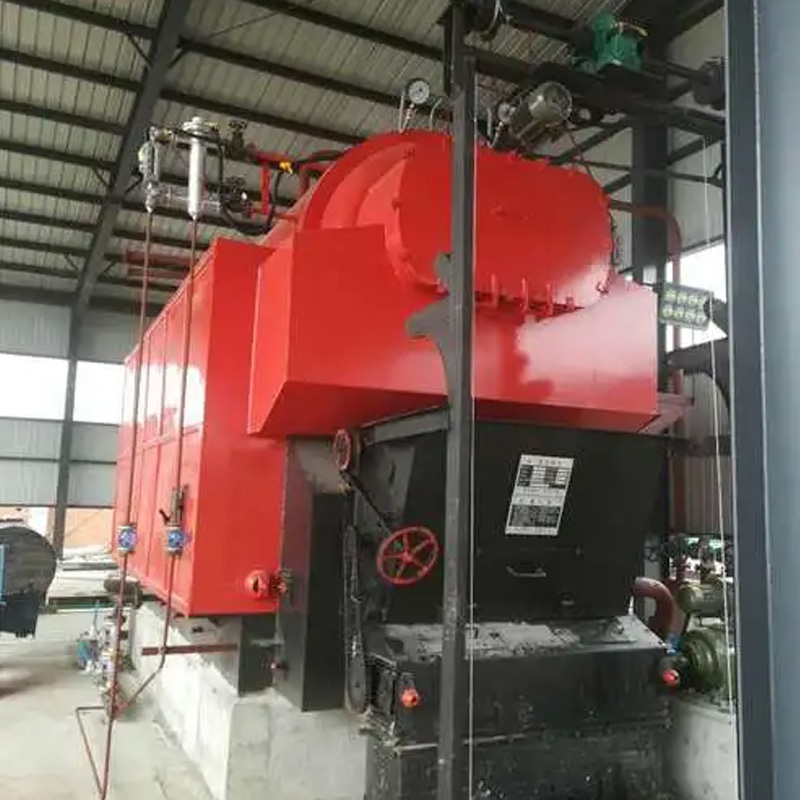
Application Case Studies & Customer Experience
Our commitment to delivering reliable and efficient coal fired hot water boiler solutions is demonstrated through successful projects across diverse industries. These examples highlight our expertise and the tangible benefits our clients experience.
Case Study 1: Large-Scale District Heating System
Client: Municipal Heating Company, Northern Region
Challenge: The client required a high-capacity hot water solution to serve a rapidly expanding urban area, replacing an aging and inefficient boiler plant. Key requirements included high thermal efficiency, low operating costs, and compliance with strict regional emission standards.
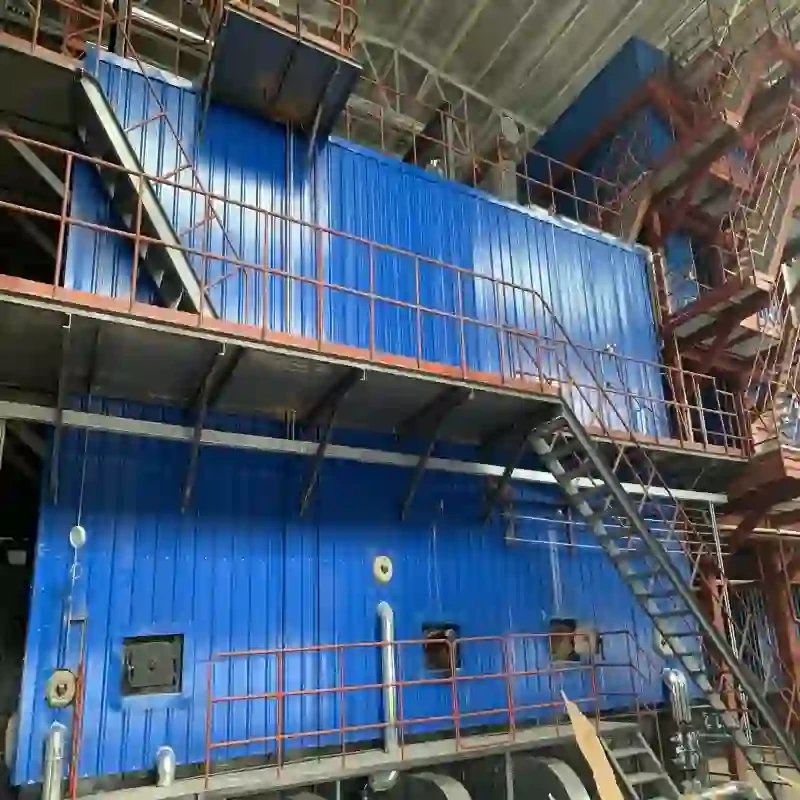
Solution: We designed, manufactured, and installed a 58 MW coal fired hot water boiler, featuring an advanced circulating fluidized bed (CFB) combustion system for improved fuel flexibility and lower NOx emissions. The system was integrated with a multi-stage flue gas treatment plant, including an electrostatic precipitator and wet desulfurization, ensuring particulate matter and SOx levels were well below regulatory limits. The PLC-based control system allowed for optimal load following and remote monitoring.
Results: The new system achieved a thermal efficiency exceeding 88%, resulting in a 15% reduction in coal consumption compared to the previous system. Emission levels consistently met local regulations. The client reported significant savings in operational costs and enhanced reliability of hot water supply to over 50,000 households and commercial establishments.
Case Study 2: Industrial Process Heat for a Textile Mill
Client: Leading Textile Manufacturer, Southeast Asia
Challenge: The textile mill needed a stable and continuous supply of hot water at 130°C for dyeing and finishing processes. Space constraints and the availability of locally sourced lean coal were critical considerations.
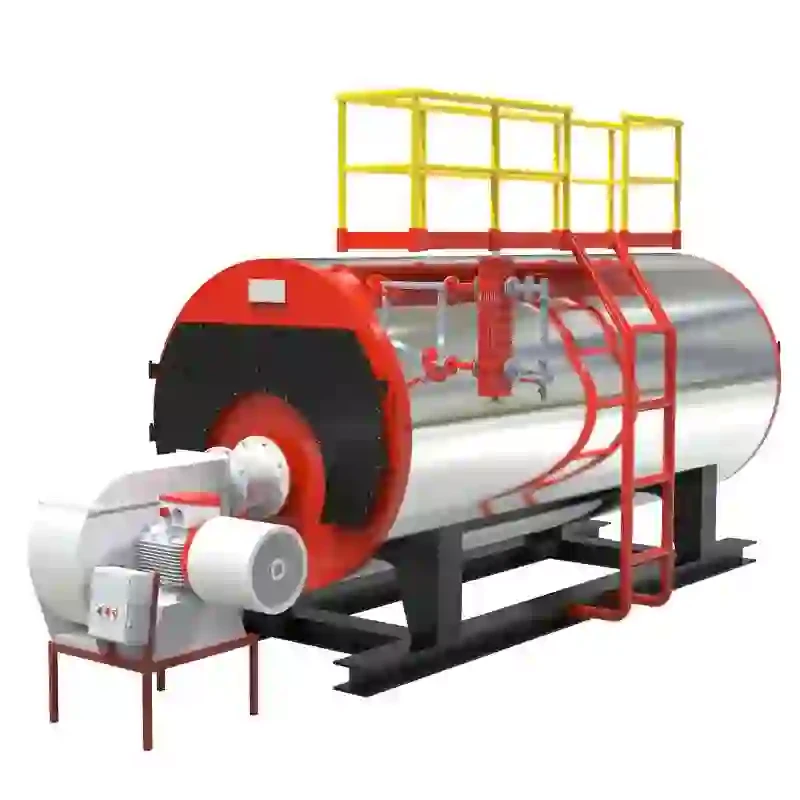
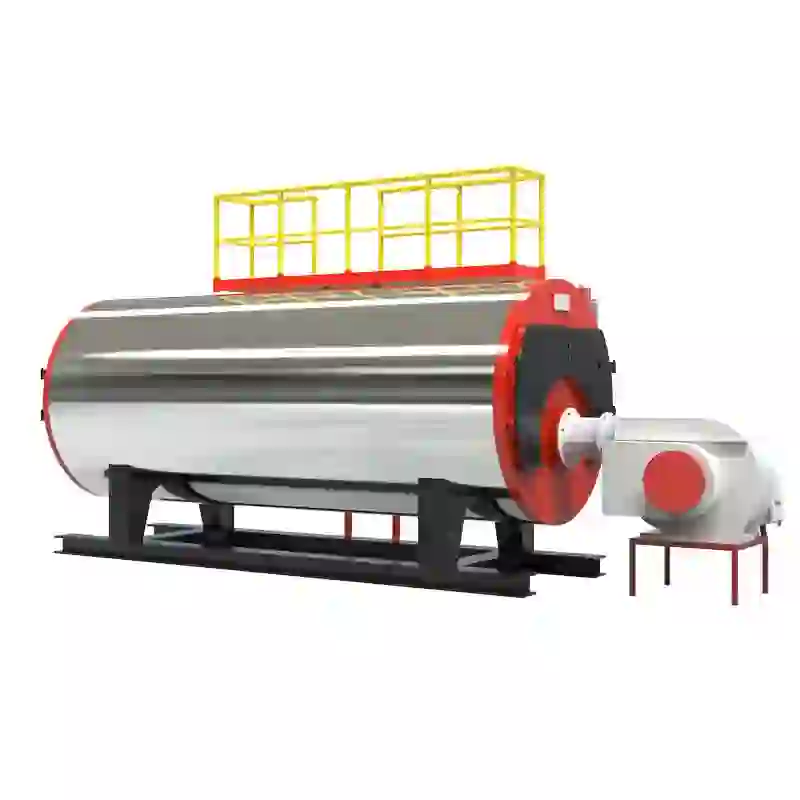
Solution: We provided a customized 29 MW horizontal-type coal fired hot water boiler. Its compact footprint was ideal for the client's limited space. The furnace design was specifically optimized to handle the local lean coal efficiently, known for its lower volatile content. An integrated economizer preheated the feedwater, boosting overall thermal efficiency.
Results: The boiler delivered consistent hot water temperatures, significantly improving the quality and throughput of the textile dyeing process. The client praised the system's reliability and its optimized design for locally available fuel, which led to a substantial reduction in fuel procurement costs. Operational staff found the automated controls easy to manage after comprehensive training.
These case studies exemplify our commitment to engineering excellence and client satisfaction, providing robust solutions that stand the test of time and operational demands.
Trustworthiness: FAQ, Lead Time, Warranty, and Support
Frequently Asked Questions (FAQ):
-
Q: What is the typical lead time for a new coal fired hot water boiler?
A: Lead times vary based on boiler capacity, customization requirements, and current production schedules. Generally, it ranges from 12 to 24 weeks from order confirmation to ex-works delivery. Complex, highly customized systems may require additional time for design and engineering. -
Q: What warranty is provided with your coal fired hot water heater?
A: We offer a standard 12-month warranty on manufacturing defects from the date of commissioning or 18 months from shipment, whichever comes first. Extended warranty options and comprehensive service contracts are also available. -
Q: Do you provide installation and commissioning services?
A: Yes, we offer comprehensive supervision for installation, commissioning, and performance testing. Our experienced engineers can be dispatched to your site to ensure proper setup and optimal operation, including training for your operational staff. -
Q: How do your boilers meet environmental regulations?
A: Our boilers are designed to integrate seamlessly with various flue gas treatment technologies (e.g., ESPs, bag filters, desulfurization, denitrification systems). We work with clients to specify and implement the appropriate FGT solution to ensure compliance with specific local and national emission standards.
Lead Time & Fulfillment Details:
Our streamlined project management and robust supply chain allow us to manage delivery efficiently. Upon order confirmation, a detailed project timeline is provided, outlining design, manufacturing, quality checks, and estimated shipping dates. We prioritize clear communication throughout the fulfillment process.
Warranty Commitments:
Our commitment to quality is backed by a comprehensive warranty. This covers all boiler pressure parts and major components against manufacturing defects under normal operating conditions. Specific terms and conditions are detailed in our contract documents.
Customer Support & After-Sales Service:
We believe in long-term partnerships. Our after-sales support includes:
- Technical Assistance: 24/7 technical support hotline for troubleshooting and expert advice.
- Spare Parts Supply: Readily available genuine spare parts to ensure minimal downtime.
- Preventative Maintenance Programs: Tailored maintenance schedules and service contracts to optimize boiler performance and extend lifespan.
- Operator Training: On-site training for client personnel on boiler operation, maintenance, and safety protocols.
- Performance Optimization: Regular assessments and recommendations to enhance efficiency and compliance.
Our dedication to client success extends far beyond delivery, ensuring your coal fired hot water boiler operates efficiently and reliably for decades.
Conclusion
The modern coal fired hot water boiler stands as a testament to enduring industrial heating solutions, integrating advanced engineering with environmental consciousness. For B2B stakeholders, understanding the detailed manufacturing process, comprehensive technical specifications, diverse application scenarios, and robust after-sales support is paramount. Our commitment to expertise, experience, authoritativeness, and trustworthiness () ensures that we deliver not just a product, but a reliable, efficient, and compliant heating solution tailored to your operational demands. By focusing on customization and continuous innovation, we enable industries to harness the proven efficacy of coal-fired hot water systems while meeting contemporary performance and environmental benchmarks.
References:
- American Society of Mechanical Engineers (ASME). Boiler and Pressure Vessel Code (BPVC).
- International Organization for Standardization (ISO). ISO 9001: Quality Management Systems.
- U.S. Environmental Protection Agency (EPA). Air Pollution Control Technology Fact Sheets.
- Journal of Engineering for Gas Turbines and Power. "Advances in Coal-Fired Boiler Design and Efficiency."
- ScienceDirect. "Flue Gas Desulfurization Technologies for Coal-Fired Power Plants."
-
Hot Water Boiler Working Principle Explained: Efficiency, Applications, and Innovations
NewsDec.03,2025
-
Hot Water Boiler Design: Global Insights, Innovations, and Applications
NewsDec.03,2025
-
Understanding Hot Water Heat Boiler Replacement Cost: Factors, Benefits & Trends
NewsDec.03,2025
-
1 Million BTU Steam Boiler - Efficient Steam Solutions for Industry
NewsDec.02,2025
-
250 000 BTU Steam Boiler: Comprehensive Guide to Industrial Steam Power
NewsDec.02,2025
-
What You Need to Know About the 300 000 BTU Steam Boiler: Efficiency & Applications
NewsDec.02,2025


 English
  Arabic
  Bengali
  French
  German
  Hindi
Hindi  Indonesian
  Kazakh
  Khmer
Khmer  Korean
  Kyrgyz
  Lao
Lao  Latin
Latin  Mongolian
  Nepali
  Russian
  Turkish
  Turkmen
  Uzbek
Uzbek 


