




Sep . 19, 2025 16:50 Back to list
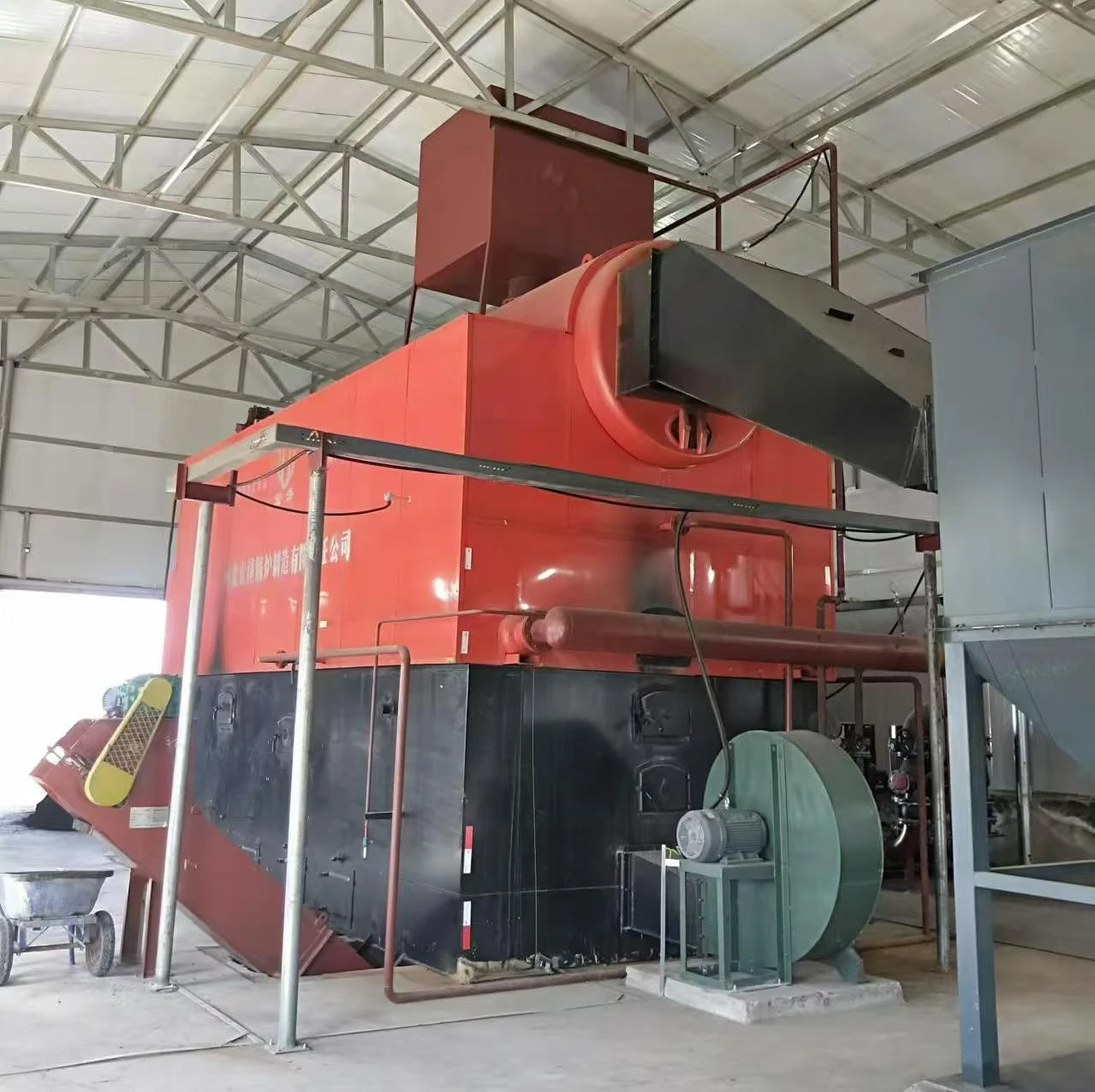
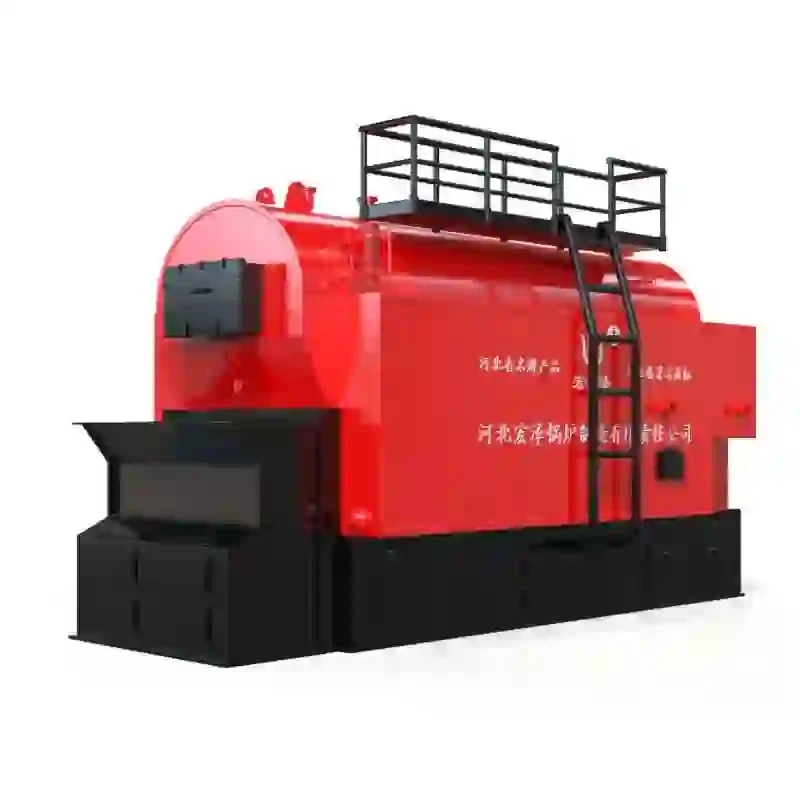
High-Efficiency Commercial Oil Fired Steam Boiler Solutions
Overview and Industry Trends in Industrial Steam Generation
The industrial steam generation landscape is continuously evolving, driven by stringent environmental regulations, increasing energy costs, and the demand for higher operational efficiency. In this dynamic environment, the commercial oil fired steam boiler remains a critical asset for numerous B2B sectors. While natural gas boilers are gaining traction due to lower emissions, oil-fired variants offer crucial advantages, particularly in regions with limited gas infrastructure or as reliable backup systems. Current trends emphasize enhanced combustion control, advanced heat recovery systems, and digitalization for predictive maintenance and optimized performance. The global industrial boiler market is projected to reach USD 17.5 billion by 2027, with a significant portion still reliant on liquid fuels for their inherent energy density and ease of storage.
Key drivers include industrial expansion, particularly in emerging economies, and the constant need for reliable process steam in manufacturing, petrochemicals, textiles, and food processing. Manufacturers are increasingly focusing on modular designs, higher pressure and temperature capabilities, and integrated smart controls to meet diverse operational requirements and improve the overall total cost of ownership (TCO) for end-users.
Manufacturing Process Flow of a Commercial Oil Fired Steam Boiler
The production of a high-performance commercial oil fired steam boiler is a meticulous process, adhering to stringent engineering standards to ensure safety, efficiency, and longevity. This comprehensive process involves several critical stages, each contributing to the boiler's overall integrity and operational excellence.
Schematic Process Steps:
- 1. Material Selection & Procurement: High-grade boiler steel (e.g., SA-516 Grade 70 for pressure parts, specific alloy steels for high-temperature zones) is sourced, ensuring compliance with ASME Section II or EN 10028 standards. Materials undergo rigorous incoming inspection for chemical composition and mechanical properties.
- 2. Cutting & Forming: CNC plasma or laser cutting machines precisely cut boiler plates to design specifications. Components like tube sheets, furnace tubes, and shell plates are then formed using hydraulic presses and rolling machines, maintaining critical dimensional tolerances.
- 3. Welding Process: Pressure part fabrication involves advanced welding techniques such as Submerged Arc Welding (SAW), Gas Metal Arc Welding (GMAW), and Shielded Metal Arc Welding (SMAW). Certified welders operate under strict Welding Procedure Specifications (WPS) and Procedure Qualification Records (PQR), often compliant with ASME Section IX.
- 4. Non-Destructive Testing (NDT): Critical welds undergo 100% Non-Destructive Testing (NDT), including radiography (RT), ultrasonic testing (UT), magnetic particle testing (MT), and dye penetrant testing (PT), conforming to ASME Section V, to detect any internal or surface flaws.
- 5. Heat Treatment: Post-weld heat treatment (PWHT) may be applied to stress-relieve critical components, particularly those exposed to high temperatures and pressures, enhancing material toughness and preventing stress corrosion cracking, in accordance with ASME B31.1 or similar codes.
- 6. Assembly & Fit-up: The fabricated pressure parts are then assembled with supporting structures, combustion chambers, and tube bundles. Precise alignment is crucial for efficient heat transfer and structural integrity.
- 7. Hydrostatic Testing: The assembled pressure vessel undergoes hydrostatic testing, where it's filled with water and pressurized to 1.5 times the design working pressure. This critical test verifies the structural integrity and leak-tightness of the entire pressure boundary, complying with ASME Section I.
- 8. Insulation & Casing: High-efficiency insulation materials (e.g., mineral wool, ceramic fiber) are applied to minimize heat loss, improving energy efficiency. The boiler is then enclosed in a durable outer casing, often made from pre-coated steel.
- 9. Ancillary Equipment Integration: Burner, control panel, pumps, valves, and safety devices are installed and calibrated. All electrical and instrumentation wiring is completed and tested.
- 10. Final Inspection & Certification: A comprehensive final inspection, often by third-party authorized inspectors (e.g., National Board, TÜV), ensures compliance with design codes (ASME, EN), national regulations, and customer specifications. Certification plates are affixed.
The target industries for these robust boilers include petrochemicals, metallurgy, power generation, water supply & drainage, pharmaceuticals, and food & beverage. Advantages demonstrated in typical application scenarios include a typical service life exceeding 20 years with proper maintenance, high thermal efficiency (often >90%), and superior corrosion resistance due to material selection and surface treatments, leading to significant energy savings and reduced operational expenditure.
Technical Specifications and Performance Parameters
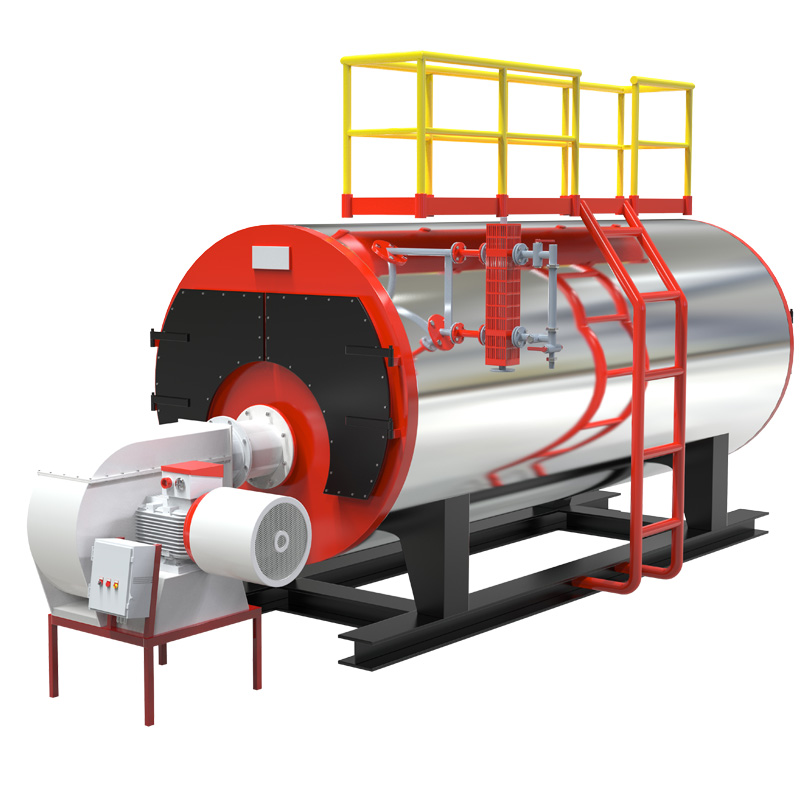
A modern oil fired steam boiler is engineered for optimal performance, incorporating advanced features for efficiency and reliability. Below are typical specifications for a high-quality industrial unit.
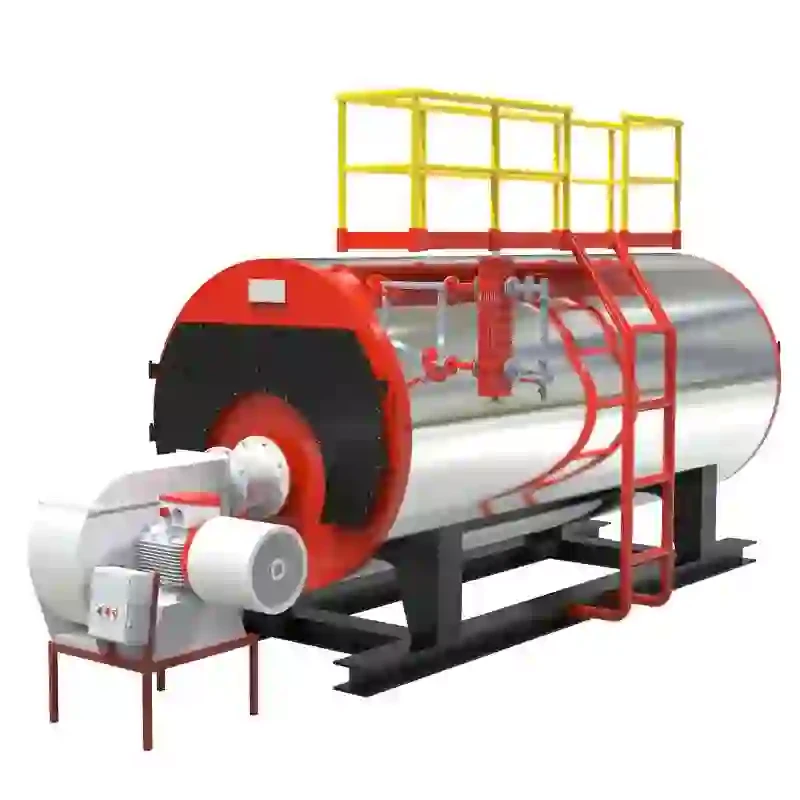
Typical Product Specification Table: Oil (Gas) Fired Steam Boiler (WNS Series)
| Parameter | Specification/Value Range |
|---|---|
| Model Series | WNS (Wet-back, Fire Tube) |
| Evaporation Capacity | 1 - 20 T/h (Tonnes per hour) |
| Design Pressure | 1.0 MPa - 2.5 MPa (10 - 25 bar) |
| Steam Temperature | 184 °C - 226 °C (Saturated Steam) |
| Fuel Type | Light Oil (Diesel), Heavy Oil (Furnace Oil), Natural Gas, LPG, Biogas |
| Thermal Efficiency | ≥ 92% (for oil) - up to 96% with economizer |
| Combustion Efficiency | ≥ 99% |
| Emission Standards | Compliant with local environmental regulations (e.g., NOx |
| Design Life | 20+ years (with proper maintenance) |
| Automation Level | Fully automatic control, PLC integration, remote monitoring capability |
Comparison: Oil vs. Gas Fired Steam Boilers
| Feature | Oil Fired Steam Boiler | Gas Fired Steam Boiler |
|---|---|---|
| Fuel Storage | Requires on-site storage tanks (e.g., for furnace oil fired steam boiler) | Direct pipeline supply, no large on-site storage needed |
| Fuel Availability | Generally available via truck delivery, independent of pipeline infrastructure | Dependent on natural gas pipeline availability and supply stability |
| Emissions (NOx, SOx) | Typically higher than gas, but advanced burners and flue gas treatment reduce impact | Generally lower emissions, considered cleaner burning |
| Operational Flexibility | Excellent for dual-fuel setups, critical for operational redundancy | High turndown ratio, precise control, but limited to gas supply |
| Maintenance | Requires more frequent cleaning due to soot and ash formation | Generally lower maintenance frequency for combustion side |
| Initial Investment | Boiler cost similar, but includes fuel storage tank installation | Boiler cost similar, potentially lower total installation if gas line is already present |
Key Technical Advantages of Our Oil (Gas) Steam Boilers
Our industrial steam boilers, including the advanced oil fired steam boiler models, are designed with several inherent technical advantages that translate directly into operational benefits for B2B clients:
- High Thermal Efficiency: Employing a three-pass wet-back design and optimized combustion chambers, our boilers achieve thermal efficiencies exceeding 92%. When integrated with an economizer, this can reach up to 96%, significantly reducing fuel consumption and operational costs.
- Robust Construction & Longevity: Built with high-strength alloy steels and precision welding, our boilers meet ASME/EN standards. The robust design ensures a service life of 20+ years, minimizing capital expenditure over time.
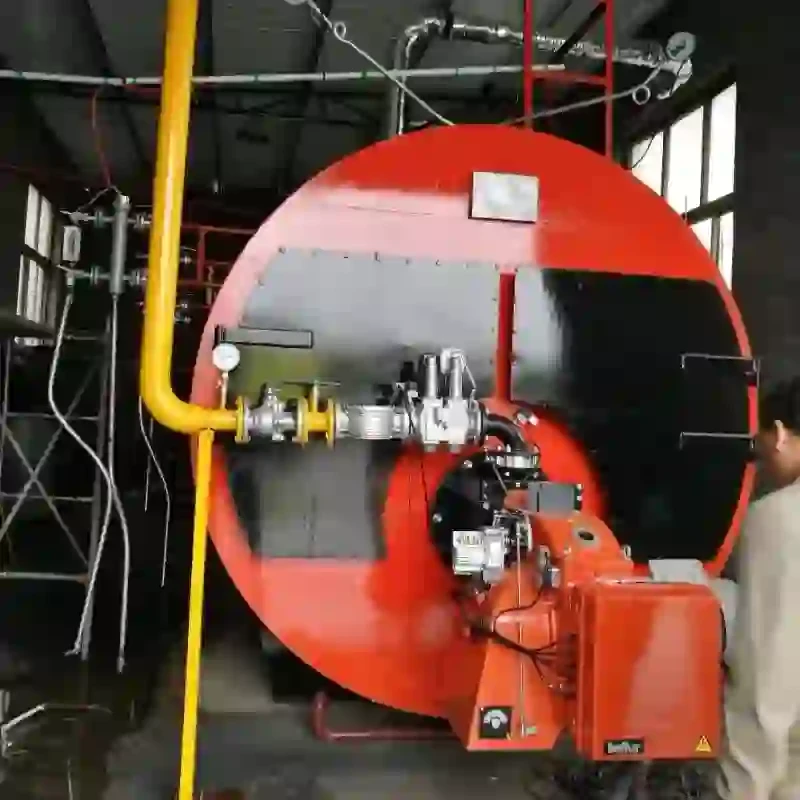
- Advanced Combustion Technology: Equipped with world-renowned burners (e.g., Weishaupt, Baltur, Riello), ensuring complete combustion, minimal unburnt fuel, and reduced emissions. This technology contributes to lower NOx levels, helping clients meet stricter environmental regulations.
- Full Automatic Control System: Integrated PLC-based control panels provide fully automatic operation, including ignition, flame detection, pressure regulation, water level control, and safety interlocks. This reduces the need for constant manual supervision and ensures reliable, safe operation.
- Safety Features: Incorporates multiple layers of safety, including overpressure protection, low water level alarms and interlocks, flame failure protection, and high/low fuel pressure switches, ensuring maximum operational safety for personnel and assets.
- Environmental Compliance: Our designs prioritize lower emissions. For a furnace oil fired steam boiler, specific burner configurations and optional flue gas treatment systems help meet or exceed local and international air quality standards.
Application Scenarios and Target Industries
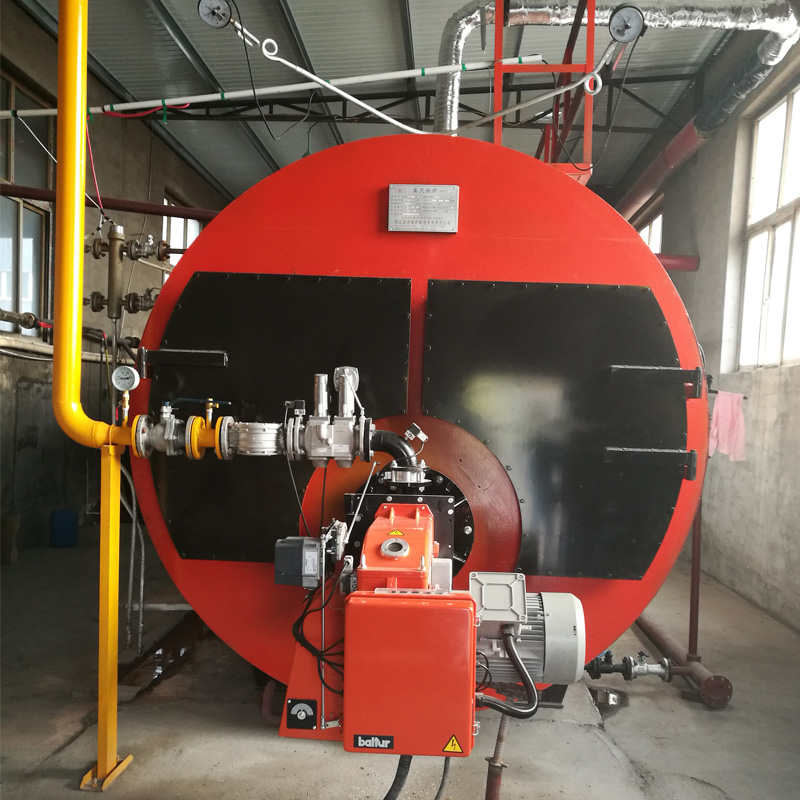
The versatility of the commercial oil fired steam boiler makes it indispensable across a broad spectrum of industrial applications where reliable, on-demand steam is crucial for processes.
- Petrochemical Industry: Used for process heating, distillation, stripping, and reboiling applications where high-pressure steam is required for chemical reactions and separation processes.
- Food & Beverage Sector: Essential for sterilization, cooking, pasteurization, and cleaning-in-place (CIP) systems, ensuring product safety and quality.
- Textile Manufacturing: Provides steam for dyeing, drying, calendering, and other finishing processes, critical for fabric treatment.
- Pharmaceutical Industry: Utilized for sterilization of equipment, HVAC systems, and process heating in drug manufacturing, requiring precise steam quality and reliability.
- Paper & Pulp Mills: Steam is vital for pulp digestion, paper drying, and various chemical recovery processes.
- Building Heating & HVAC: Large commercial and institutional facilities use steam boilers for central heating systems.
- Rubber & Plastics: Used for vulcanization, molding, and curing processes requiring consistent heat.
In these diverse environments, the ability of an oil fired steam boiler to provide stable, efficient steam under varying load conditions, especially where natural gas supply is intermittent or unavailable, proves invaluable.
Vendor Comparison and Customized Solutions
When evaluating an oil fired steam boiler manufacturer, B2B clients must consider several factors beyond just the initial oil fired steam boiler prices. A holistic approach focusing on lifecycle costs, reliability, and support is paramount.
Key Vendor Evaluation Criteria:
- Certifications & Compliance: Verify adherence to international standards like ASME, ISO 9001, CE, and local regulatory bodies.
- Technological Advancement: Look for features like advanced burner technology, PLC controls, remote monitoring capabilities, and integration readiness with plant SCADA systems.
- Energy Efficiency: Request detailed thermal efficiency ratings and options for economizers or air preheaters to gauge long-term fuel savings.
- After-Sales Support & Service Network: A reliable global service network, spare parts availability, and technical assistance are crucial for minimizing downtime.
- Experience & Reputation: Assess the manufacturer's track record, years in the industry, and client testimonials or case studies.
Customized Solutions
Recognizing that no two industrial applications are identical, we specialize in providing bespoke boiler solutions. Customization can include:
- Fuel Flexibility: Designing dual-fuel (oil/gas) or multi-fuel options to adapt to varying fuel availability and pricing.
- Pressure & Temperature Ranges: Tailoring output steam pressure and temperature to match specific process requirements.
- Space Constraints: Optimizing boiler dimensions and layout for sites with limited footprint.
- Emission Control: Integrating advanced NOx reduction technologies (e.g., FGR, ultra-low NOx burners) or specialized flue gas treatment for stringent environmental zones.
- Automation & Control: Implementing custom PLC programming, HMI interfaces, and integration with existing plant control systems (DCS/SCADA).
Our engineering team collaborates closely with clients to perform detailed heat and mass balance calculations, ensuring the customized oil fired steam boiler delivers precise performance requirements while maximizing return on investment.
Real-World Application Case Studies
Our extensive experience with industrial steam boilers is validated through successful installations globally. Here are illustrative case studies highlighting the impact of our solutions:
Case Study 1: Large-Scale Petrochemical Complex
Client: Leading petrochemical producer in Southeast Asia.
Challenge: Needed a highly reliable steam source for continuous process heating and power generation, with the flexibility to switch between heavy fuel oil and natural gas due to fluctuating supply and pricing.
Solution: Supplied two 15 T/h dual-fuel (furnace oil fired steam boiler / natural gas) WNS series steam boilers, equipped with economizers and advanced PLC control systems. The boilers were engineered for 1.6 MPa operating pressure and integrated with the client's existing DCS.
Outcome: Achieved an average thermal efficiency of 94.5%, leading to estimated annual fuel cost savings of 18% compared to their older units. The dual-fuel capability ensured uninterrupted operations during gas supply disruptions, enhancing operational resilience. Client feedback highlighted the robust build quality and intuitive automation.
Case Study 2: Regional Food Processing Facility
Client: A prominent dairy processing company requiring consistent steam for pasteurization and sterilization.
Challenge: Their existing boiler was inefficient and unreliable, leading to production bottlenecks and high maintenance costs. Environmental regulations also required lower emissions.
Solution: Installed a 6 T/h oil fired steam boiler with an integrated low-NOx burner and economizer. The boiler featured full automation and remote monitoring for ease of operation and compliance.
Outcome: Improved thermal efficiency by 15%, reducing their annual fuel bill by approximately 20%. Emissions were significantly lowered, meeting regional standards. The enhanced reliability ensured consistent product quality and eliminated downtime, directly impacting profitability. The client specifically praised the user-friendly interface and rapid steam generation capabilities.
Ensuring Trust, Authority, and Experience ()
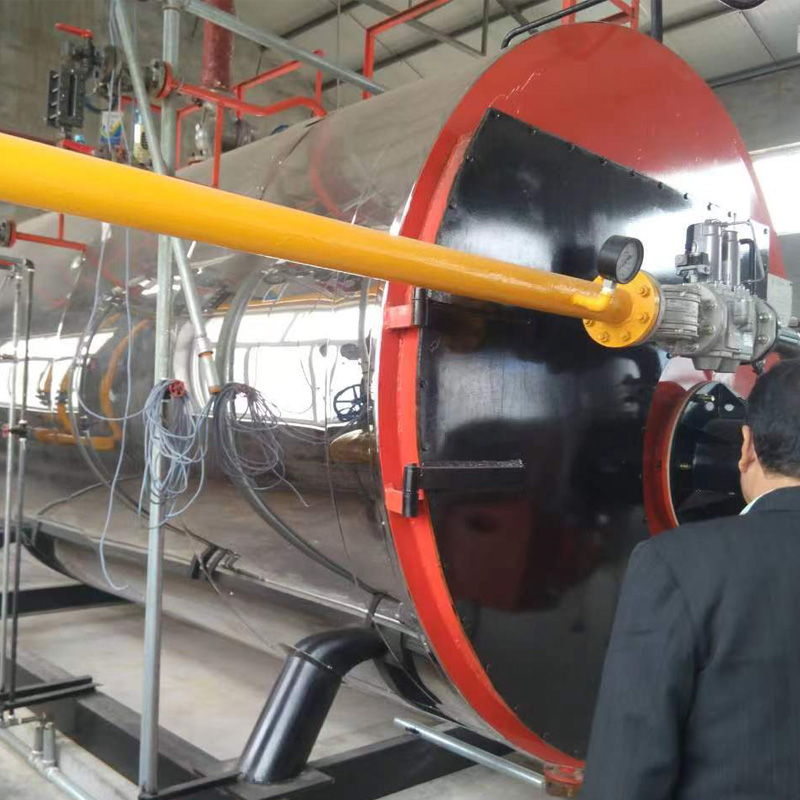
Our commitment to excellence is deeply embedded in every aspect of our operations, guaranteeing not only superior product quality but also unparalleled customer service and reliability.
Authoritativeness and Certifications
- ISO 9001:2015 Certified: Our manufacturing processes and quality management systems are rigorously audited and comply with ISO 9001:2015 standards, ensuring consistent quality from design to delivery.
- ASME/CE Compliant: All pressure vessels are designed and fabricated in strict accordance with ASME Boiler and Pressure Vessel Code (Section I) or European Pressure Equipment Directive (PED 2014/68/EU, CE marked), reflecting global best practices in safety and engineering.
- Licensed Manufacturer: As a licensed commercial oil fired steam boiler manufacturer, we hold all necessary permits and licenses from national and regional regulatory bodies, demonstrating our adherence to safety and environmental mandates.
Trustworthiness: Lead Time, Warranty, and Support
- Lead Time & Fulfillment: Standard boiler units typically have a lead time of 8-12 weeks from confirmed order to factory acceptance testing. Custom engineered solutions may require 12-16 weeks. We maintain transparent communication throughout the production and delivery phases, including logistics and installation support.
- Warranty Commitments: We provide a comprehensive 12-month warranty on boiler pressure parts and major auxiliary equipment from the date of commissioning or 18 months from shipment, whichever comes first. Extended warranty options are available.
- Customer Support & After-Sales Service: Our dedicated global support team offers 24/7 technical assistance, remote diagnostics, and on-site field service by certified engineers. We ensure prompt availability of genuine spare parts and offer comprehensive training programs for client operational and maintenance staff.
Frequently Asked Questions (FAQ) about Oil Fired Steam Boilers
Q1: What is the typical lifespan of a commercial oil fired steam boiler?
A1: With proper installation, regular maintenance, and adherence to operational guidelines, our industrial oil fired steam boiler units are designed for a service life of 20 years or more. Key factors include feedwater quality, consistent maintenance, and avoidance of excessive cycling.
Q2: How do your oil fired steam boiler prices compare to gas-fired alternatives?
A2: The initial purchase price of an oil fired steam boiler can be comparable to a gas-fired unit of similar capacity. However, total installation costs for oil-fired systems often include fuel storage tanks, which can add to the upfront investment. Operational costs vary significantly based on regional fuel prices (diesel, heavy oil, natural gas) and boiler efficiency.
Q3: What maintenance is required for a furnace oil fired steam boiler?
A3: Regular maintenance includes daily checks of water levels, pressure, and burner operation; weekly blowdowns; monthly inspections of safety devices and fuel systems; and annual internal and external inspections, along with professional cleaning of fire-side and water-side surfaces. Due to the nature of oil combustion, cleaning soot from heat transfer surfaces is particularly important to maintain efficiency.
Q4: Are your boilers compliant with environmental emission standards?
A4: Yes, our boilers are designed to meet current local and international environmental emission standards. We offer various advanced burner options, including ultra-low NOx burners, and can integrate flue gas treatment systems (e.g., SCR, FGR) to ensure compliance with even the most stringent regulations for a commercial oil fired steam boiler.
References
- ASME Boiler and Pressure Vessel Code, Section I: Rules for Construction of Power Boilers. American Society of Mechanical Engineers.
- ISO 9001:2015 - Quality management systems — Requirements. International Organization for Standardization.
- US Department of Energy. Improving Boiler Efficiency. Retrieved from: https://www.energy.gov/eere/amo/articles/improving-boiler-efficiency-fact-sheet
- European Pressure Equipment Directive (PED) 2014/68/EU. Official Journal of the European Union.
-
Hot Water Boiler Working Principle Explained: Efficiency, Applications, and Innovations
NewsDec.03,2025
-
Hot Water Boiler Design: Global Insights, Innovations, and Applications
NewsDec.03,2025
-
Understanding Hot Water Heat Boiler Replacement Cost: Factors, Benefits & Trends
NewsDec.03,2025
-
1 Million BTU Steam Boiler - Efficient Steam Solutions for Industry
NewsDec.02,2025
-
250 000 BTU Steam Boiler: Comprehensive Guide to Industrial Steam Power
NewsDec.02,2025
-
What You Need to Know About the 300 000 BTU Steam Boiler: Efficiency & Applications
NewsDec.02,2025


 English
  Arabic
  Bengali
  French
  German
  Hindi
Hindi  Indonesian
  Kazakh
  Khmer
Khmer  Korean
  Kyrgyz
  Lao
Lao  Latin
Latin  Mongolian
  Nepali
  Russian
  Turkish
  Turkmen
  Uzbek
Uzbek 


