




Apr . 16, 2026 02:05 Back to list
Industrial Natural Gas Steam Boiler High Efficiency System Guide
Maximizing Industrial Productivity with a Natural Gas Steam Boiler High Efficiency System
In today's competitive industrial landscape, energy costs can make or break a company's profit margins. Implementing a natural gas steam boiler high efficiency system is no longer just an option but a necessity for businesses aiming for sustainability and cost-reduction. By optimizing heat transfer and minimizing fuel waste, high-efficiency boilers ensure that your production line remains steady while reducing your carbon footprint. Whether you are in food processing, pharmaceuticals, or textile manufacturing, the right boiler technology can drastically lower operational overheads. In this guide, we will explore the technical advantages and strategic benefits of upgrading your steam infrastructure.
The Core Mechanics of High-Efficiency Steam Generation
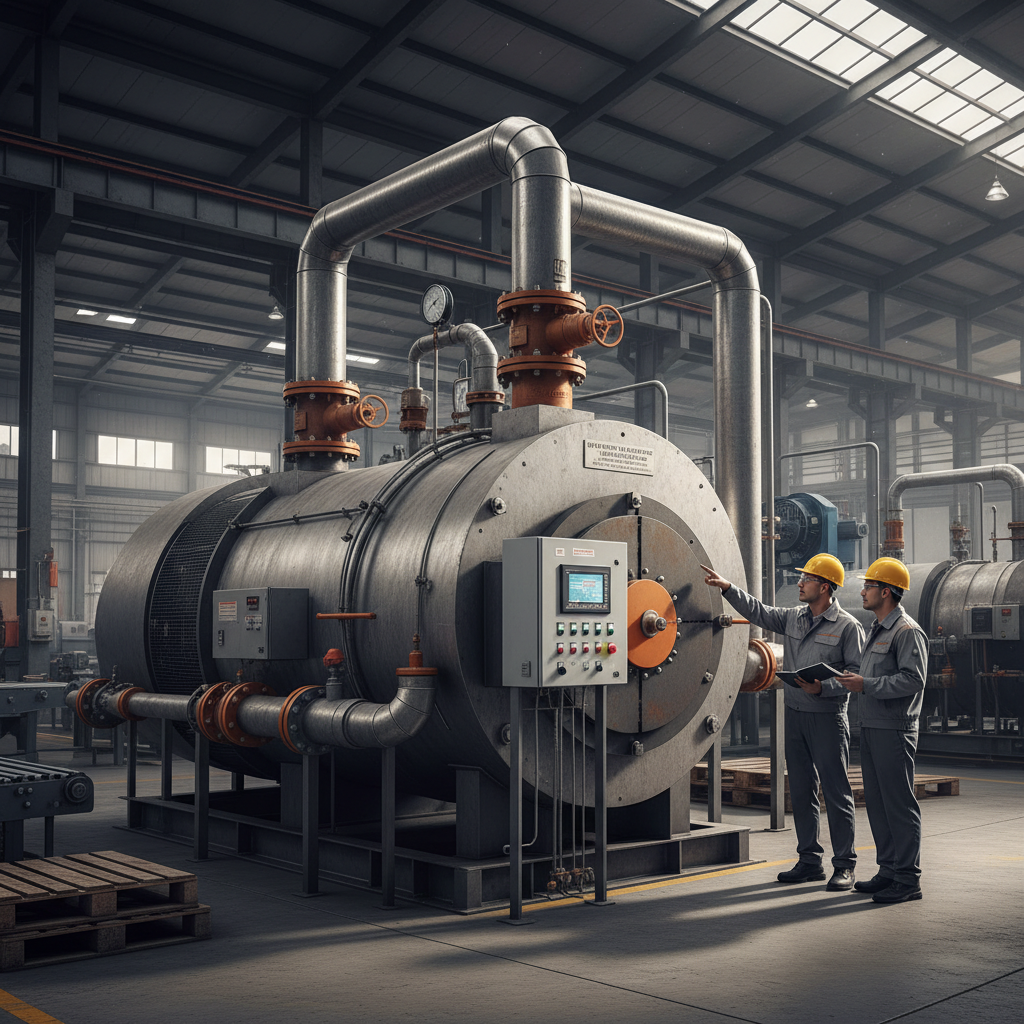
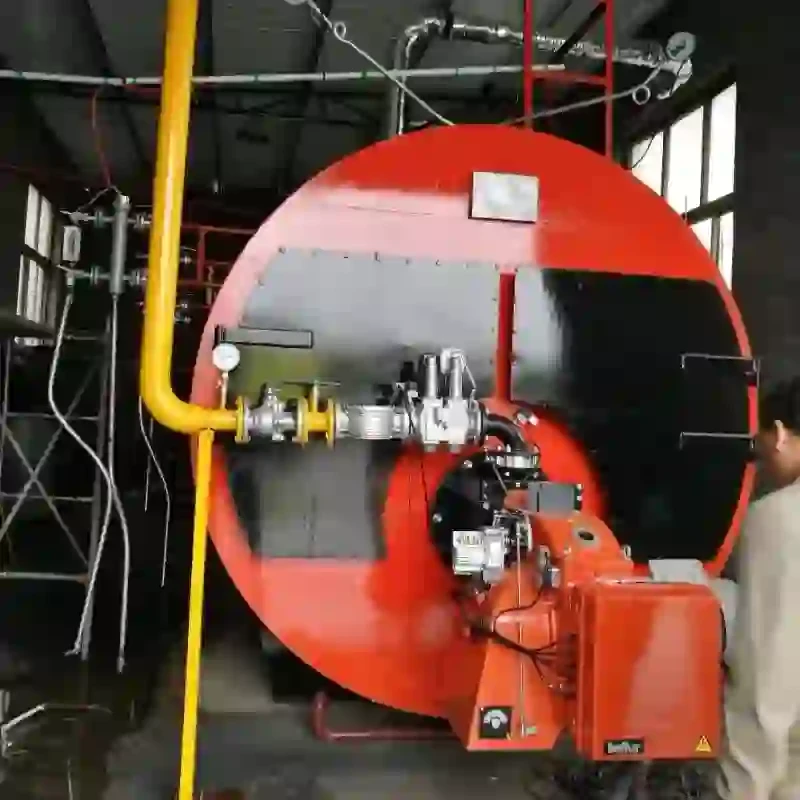
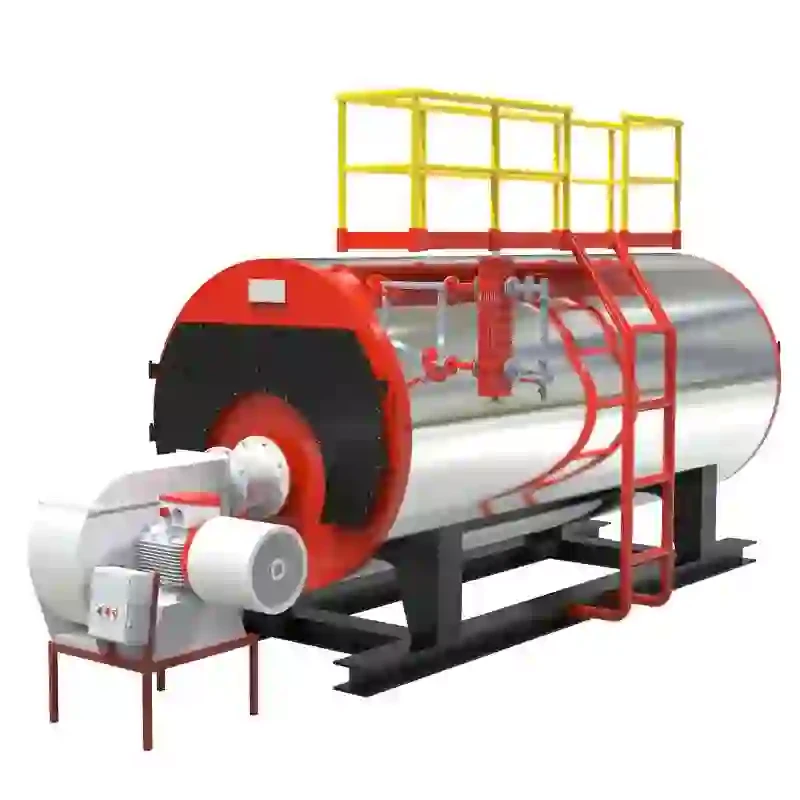
A natural gas steam boiler high efficiency model relies on advanced combustion technology and heat recovery systems. Unlike traditional boilers that lose a significant amount of energy through flue gases, high-efficiency units utilize condensing technology or economizers to capture waste heat and preheat the feed water. This cycle reduces the amount of fuel required to reach the boiling point, resulting in a higher AFUE (Annual Fuel Utilization Efficiency) rating. Modern designs also incorporate precision burner controls that adjust the air-to-fuel ratio in real-time, ensuring complete combustion and reducing emissions.
Technical Insight: The integration of variable frequency drives (VFDs) on pumps and fans allows the boiler to modulate its output based on actual demand, preventing the energy waste associated with constant-speed operation.
Comparing Natural Gas Steam Boiler High Efficiency vs. Conventional Models
When evaluating whether to replace an old system, it is essential to look at the data. Traditional boilers often operate at 70-80% efficiency, meaning nearly a quarter of your fuel budget is literally vanishing into the atmosphere. In contrast, a natural gas steam boiler high efficiency system can achieve efficiencies exceeding 90% through superior heat exchanger designs. This difference manifests in lower monthly gas bills and a reduced frequency of maintenance interventions due to cleaner combustion processes.
Key Benefits of Investing in High Efficiency Steam Technology
The decision to install a natural gas steam boiler high efficiency system provides returns across multiple dimensions of business operations. Firstly, the immediate reduction in fuel costs allows for a faster Return on Investment (ROI). Secondly, high-efficiency boilers typically produce a more stable steam pressure, which is critical for sensitive industrial processes where fluctuations can lead to product defects. Finally, with global regulations on greenhouse gas emissions tightening, these systems ensure your facility remains compliant with environmental laws, avoiding potential fines and enhancing your corporate image as a green-conscious entity.
Operational Advantages:
• Lower OpEx through decreased natural gas consumption
• Enhanced equipment longevity via precision temperature control
• Reduced maintenance downtime with smart diagnostic tools
• Seamless integration with existing industrial piping
Industry Applications for High Efficiency Boilers
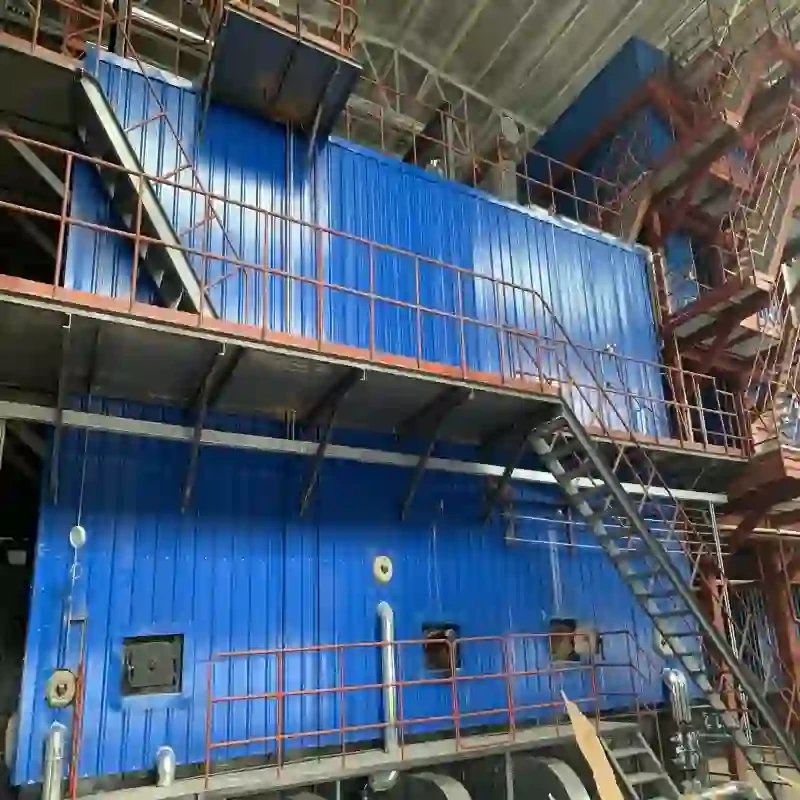
Various sectors rely heavily on consistent steam. In the hospitality and laundry sector, high-efficiency boilers power massive ironers and sterilization equipment without overloading the energy budget. In chemical manufacturing, the precision of a natural gas steam boiler high efficiency system is vital for maintaining exact reaction temperatures. Even in district heating, these systems provide the scale and reliability needed to warm entire complexes. The versatility of modern steam technology means it can be scaled from small modular units to massive industrial plants.
Technical Specifications of High Efficiency Steam Units
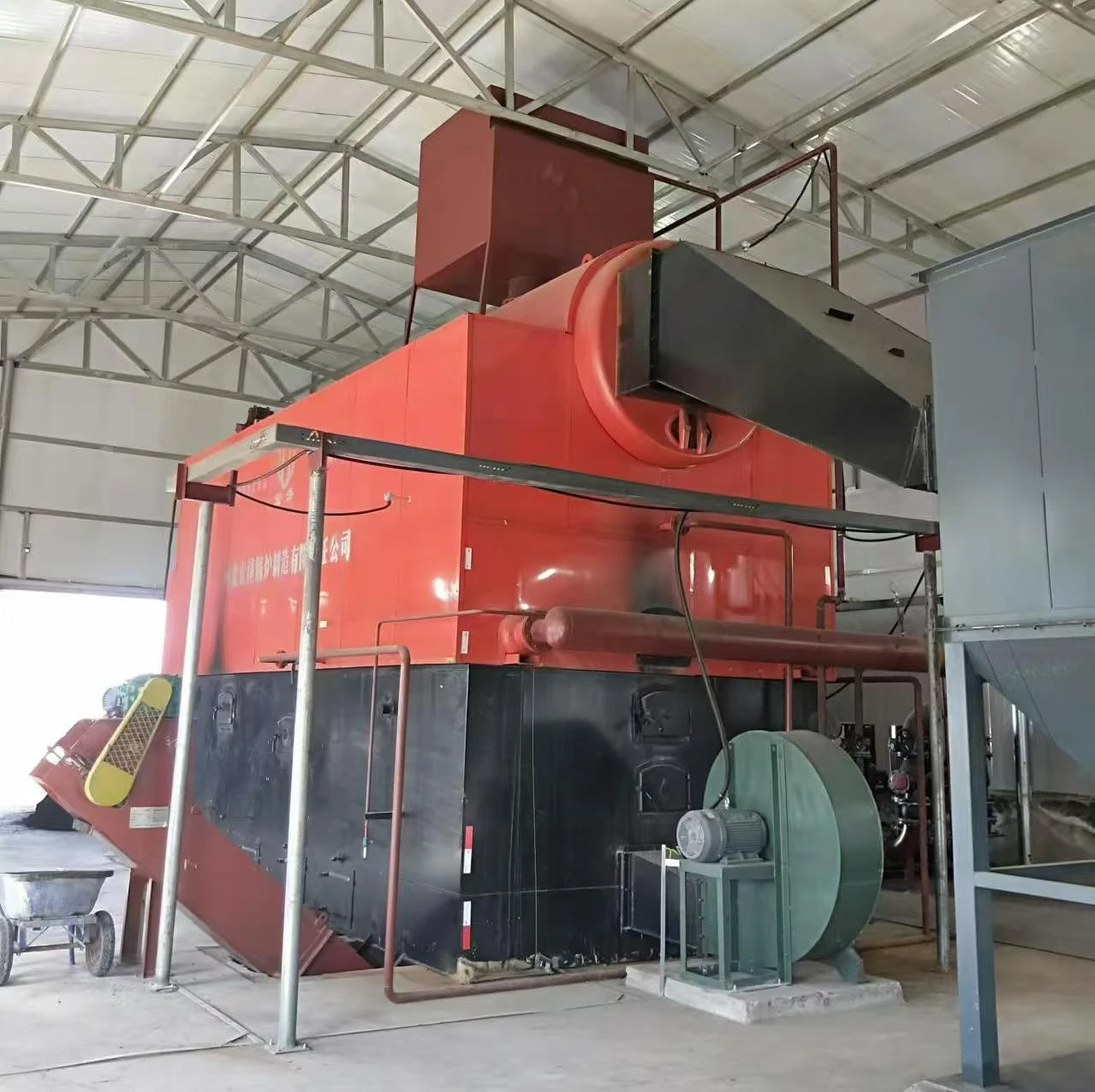
Selecting the right equipment requires a deep dive into the specifications. A high-performance natural gas steam boiler high efficiency unit is characterized by its material quality and the precision of its components. High-grade alloy steels are often used to resist corrosion and withstand high pressures, while digital PLC (Programmable Logic Controller) systems manage the entire operation. Below is a generalized specification table for a mid-to-large industrial high-efficiency unit:
Maintenance Tips for Sustaining High Efficiency
Purchasing a natural gas steam boiler high efficiency system is the first step; maintaining that efficiency over time is the second. Scale buildup inside the heat exchanger is the number one enemy of efficiency, acting as an insulator and forcing the boiler to burn more fuel to achieve the same steam output. Regular water treatment and blowdown procedures are essential. Furthermore, annual burner calibration ensures that the air-fuel mixture remains optimal, preventing soot accumulation and ensuring the system continues to operate at its peak design specifications.
Conclusion: Future-Proofing Your Plant with Steam Innovation
Transitioning to a natural gas steam boiler high efficiency system is a strategic move that pays dividends in the form of lower energy costs, improved operational stability, and environmental stewardship. As energy prices fluctuate and regulatory pressures increase, the ability to generate steam with minimal waste becomes a significant competitive advantage. By focusing on high-thermal efficiency and smart controls, businesses can ensure their infrastructure is ready for the demands of tomorrow. Invest in quality, prioritize efficiency, and secure the long-term viability of your industrial operations.
Frequently Asked Questions (FAQs)
How much energy can I actually save with a high-efficiency boiler?
Depending on the age of your current system, switching to a high-efficiency natural gas boiler can reduce fuel consumption by 15% to 30%. For plants with high steam demand, this translates into thousands of dollars in monthly savings. The savings come from reduced heat loss through the stack and more precise modulation of the burner, which prevents "short-cycling" and optimizes the combustion process. When combined with a water-feed economizer, the efficiency gains are even more pronounced.
Is the installation process disruptive to existing operations?
While any equipment replacement involves some downtime, modern high-efficiency boilers are often designed for "drop-in" compatibility or modular installation. By planning the transition during scheduled maintenance windows and using temporary steam bypasses, many facilities can upgrade their systems with minimal impact on production. We recommend a professional site survey to ensure that the gas supply lines and venting systems are compatible with the new high-efficiency requirements.
What is the typical lifespan of a high-efficiency natural gas boiler?
With proper water treatment and regular preventative maintenance, a high-efficiency steam boiler can last between 20 and 30 years. The key to longevity is preventing oxygen pitting and scale buildup within the tubes. High-efficiency units often feature better materials and more sophisticated monitoring systems that alert operators to potential issues before they become catastrophic failures, which generally extends the operational life compared to older, unmonitored models.
Do high-efficiency boilers require specialized water treatment?
Yes, because high-efficiency boilers often operate with tighter tolerances and more advanced heat exchangers, the quality of the feed water is critical. Scale buildup in a high-efficiency unit can degrade performance faster than in a traditional boiler. We recommend using a combination of water softeners, deaerators, and chemical dosing to maintain the purity of the water. This ensures that the heat transfer surfaces remain clean, maintaining the high efficiency rating and protecting the internal components from corrosion.
-
Maximize Industrial Productivity with High Efficiency Gas Steam Boiler
NewsApr.09,2026
-
Comprehensive Guide to Industrial Steam Heater Systems and Applications
NewsApr.07,2026
-
Comprehensive Guide to Low Pressure Steam Boilers and Their Applications
NewsApr.04,2026
-
Understanding High Pressure Steam Boiler Technology and Industrial Applications
NewsMar.31,2026
-
Comprehensive Guide to High Efficiency Steam Boiler Systems and Applications
NewsMar.28,2026


 English
  Arabic
  Bengali
  French
  German
  Hindi
Hindi  Indonesian
  Kazakh
  Khmer
Khmer  Korean
  Kyrgyz
  Lao
Lao  Latin
Latin  Mongolian
  Nepali
  Russian
  Turkish
  Turkmen
  Uzbek
Uzbek 


