




Dec . 06, 2025 00:50 Back to list
Oil Fired Hot Water Systems: Global Insights and Benefits
Understanding Oil Fired Hot Water Systems: A Global Perspective
Oil fired hot water systems might not be the flashiest topic at a dinner party, but in industries across the world, they play a quietly vital role. Simply put, these systems use oil as a fuel source to heat water for various applications—from industrial processes to heating buildings and supporting humanitarian efforts in regions where other forms of energy aren’t viable. Appreciating how oil fired hot water solutions function and where they fit into the energy puzzle is essential, especially when considering the ongoing global demand for reliable, scalable heating technologies.
Globally, millions rely on such systems in everything from manufacturing plants in harsh climates to emergency relief setups where infrastructure is limited. Understanding their benefits—not just in physics but in socio-economic contexts—is no longer just a technical curiosity. It matters for sustainability, energy planning, and emergency preparedness.
Mini takeaway: Oil fired hot water systems form a crucial, if understated, backbone for energy needs worldwide, blending efficiency with utility in both industrial and humanitarian scenarios.
Global Significance and Industry Context
Oil fired hot water technologies remain a cornerstone in heating solutions across many countries. According to the International Energy Agency (IEA), despite shifts toward renewables, oil-fired heating still accounts for a significant heating share in regions lacking widespread natural gas infrastructure or electricity reliability. The World Energy Outlook 2023 estimates that over 15% of global heating demand is met by oil-based systems, especially in remote, colder regions.
However, challenges persist. Many communities face unreliable energy access or high fuel costs, making oil fired hot water systems a sometimes costly but necessary fix. This gap underscores why industries and NGOs alike value these systems—they provide stable thermal energy when other methods fall short.
Mini takeaway: Despite global energy transitions, oil fired hot water remains indispensable to many, especially where alternatives are limited or inconsistent.
What is Oil Fired Hot Water?
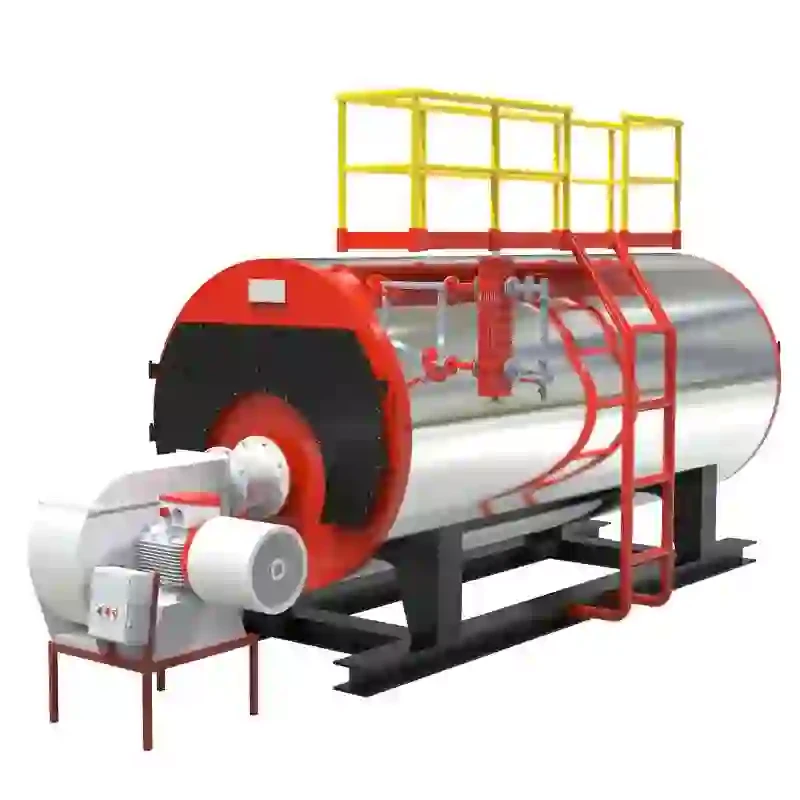
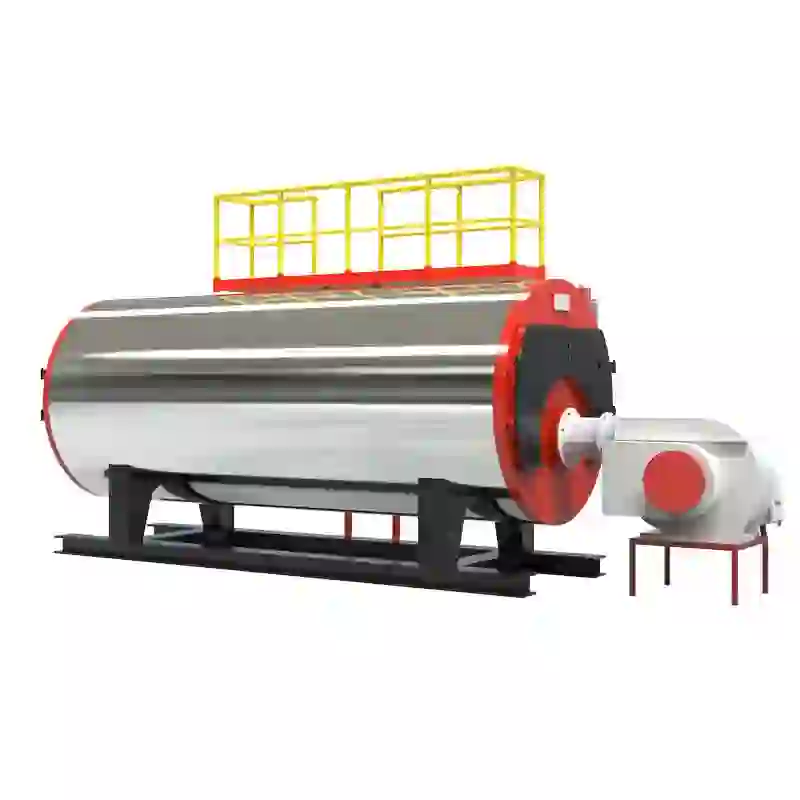
In essence, an oil fired hot water system combusts fuel oil to heat water within a boiler or heater. The heated water is then circulated via pipes to wherever it is needed—space heating, sterilization, process heating, or simply providing hot water for washing or sanitation.
It’s surprisingly straightforward but effective technology that has been refined over decades. The oil burner ignites fuel, transferring heat to water contained in a tank or pipe network. This setup can range from small residential units to massive industrial boilers.
Today, these systems are often linked to critical social initiatives—think refugee camps, disaster relief zones, or remote construction sites—where the ability to generate reliable hot water quickly and efficiently is a basic yet profound need.
Mini takeaway: Oil fired hot water systems convert fuel oil to heat energy with a simple process that underpins vital heating applications worldwide.
Core Components of Oil Fired Hot Water Systems
1. Durability
These systems frequently operate in demanding conditions—extreme cold, power interruptions, or remote sites. Manufacturers often build them using corrosion-resistant steel, heavy insulation, and easy-to-maintain burners. The operational lifespan can easily stretch beyond 20 years if maintained well.
2. Scalability
From small building heating to large-scale industrial hot water loops, oil fired systems scale remarkably well. Modular designs allow operators to add units seamlessly or size systems specifically to operational demand, which helps control energy waste.
3. Cost Efficiency
Oil prices fluctuate, obviously, but these systems are often cheaper to install upfront than electrical or gas alternatives, especially in areas lacking infrastructure. Over time, efficiency upgrades in burner technology and insulation improve fuel consumption and reduce operational costs.
4. Safety Features
Modern oil fired boilers incorporate multiple safety mechanisms: flame sensors, pressure relief valves, and automatic shutoff controls. These prevent accidents, a crucial factor when deployed in public or emergency environments.
5. Environmental Impact Considerations
While oil burners emit CO₂ and particulates, many units now meet stringent emissions standards (e.g., EPA, EU Stage V). Plus, innovations like ultra-low sulfur fuel and carbon capture tech are helping industries reduce their carbon footprint—slowly but surely.
Mini takeaway: Key system strengths include durability, scalable design, cost-effectiveness, and safety — paired with evolving environmental considerations.
Global Applications and Use Cases
Looking around the world, oil fired hot water systems are everywhere—from Scandinavia’s cold industrial hubs to humanitarian camps in Sub-Saharan Africa. Here are a few scenarios where they shine:
- Emergency relief operations: NGOs rely on portable oil fired boilers to provide hot water and warmth in disaster zones without electric grids.
- Remote industrial zones: Mining and oil extraction operations use these systems onsite for processing and worker comfort.
- Urban district heating in older cities: Some European cities still depend partly on oil-fired centralized boilers integrated into district heating networks.
Oddly enough, while many western countries are pushing renewables, oil fired hot water remains relevant in dozens of countries due to infrastructure gaps or cost realities.
Mini takeaway: Whether for relief camps or industry, oil fired hot water systems deliver vital heat where alternative energy sources fall short.
| Spec | Description |
|---|---|
| Fuel Type | Diesel, kerosene, or light fuel oil (low sulfur variants) |
| Capacity Range | 20 kW – 10,000 kW |
| Operating Pressure | 0.8 – 10 bar |
| Water Temperature | Up to 130°C |
| Efficiency | 85%–92% |
| Safety Features | Flame sensor, pressure relief valve, low water cut-off |
Advantages and Long-Term Value
We can discuss fuel costs and emissions, yes, but the real value of oil fired hot water systems is their dependability and adaptability. For emergency responders, knowing hot water is ready in a flash can mean a lot more than comfort—it translates to hygiene, health, and preserving human dignity.
In industry, robust oil fired units minimize downtime thanks to their rugged build and straightforward repairability. Long-term, they are a kind of financial hedge in areas where electrical outages or gas shortages happen often.
Of course, the emotional value isn’t always spotlighted. Workers in cold climates or disaster zones remember that warm showers and reliable heat aren’t luxuries—they’re essentials that boost morale and wellbeing.
Mini takeaway: Beyond numbers and specs, oil fired hot water systems deliver real-world reassurance, safety, and operational continuity.
Future Trends and Innovations
The industry isn’t standing still, thankfully. Innovations aim to make oil fired hot water systems cleaner and smarter:
- Advanced combustion controls: More precise burners reduce fuel use and emissions.
- Integration with renewables: Hybrid setups combining oil burners with solar thermal inputs.
- Digital monitoring: IoT sensors track system health remotely, cutting downtime.
- Cleaner fuels: Bio-oils and low sulfur fuels are being tested to ease environmental impact.
It feels like a slow but steady march toward balancing performance with sustainability, which is encouraging as global environmental demands tighten.
Common Challenges and Possible Solutions
Of course, no tech is perfect. Oil fired hot water systems face several hurdles:
- Environmental concerns: Fossil fuel combustion produces emissions that must be reduced through cleaner fuels and improved filtration.
- Fuel supply disruptions: Reliance on oil means that price volatility or supply chain issues impact operations.
- Maintenance needs: Regular servicing to avoid soot buildup and equipment wear is vital.
To address these, many operators are adopting hybrid energy systems incorporating solar or electric heating where possible. Also, switching to ultra-low-sulfur oil and using predictive maintenance tools enhances both environmental and operational outcomes.
FAQ: Frequently Asked Questions About Oil Fired Hot Water
- Q: How efficient are oil fired hot water systems compared to electric ones?
- A: Typically, oil fired systems have efficiencies between 85–92%, which is competitive with many electric heat solutions, especially in regions where electricity is expensive or unreliable.
- Q: Can oil fired hot water systems be used in residential settings?
- A: Yes, smaller scale boilers are common in residential and commercial buildings, especially where natural gas isn’t available.
- Q: What maintenance is typically required?
- A: Routine checks include cleaning the burner, inspecting safety valves, and monitoring fuel quality to ensure reliable and safe operation.
- Q: Are newer oil fired systems environmentally friendly?
- A: Modern designs meet strict emission standards, and the industry is moving toward cleaner fuels and hybrid configurations to reduce environmental impact.
Vendor Comparison: Top Oil Fired Hot Water System Providers
| Vendor | Range of Capacities | Efficiency (%) | Key Features | Customer Support |
|---|---|---|---|---|
| ThermoOil Inc. | 50 kW – 5000 kW | 91% | IoT-enabled monitoring, low emissions | 24/7 hotline, field technicians worldwide |
| EcoHeat Systems | 20 kW – 3000 kW | 89% | Hybrid solar integration, biofuel-ready | Online support, regional offices |
| Global Steam Corp. | 100 kW – 10,000 kW | 92% | Heavy-duty design, automatic safety controls | Dedicated project management teams |
For anyone interested in further details or product options, I’d recommend checking out oil fired hot water systems from trusted manufacturers—they often have up-to-date specs and case studies worth reviewing.
Conclusion: Why Oil Fired Hot Water Still Matters
In the grand scheme, oil fired hot water technology remains deeply relevant. They fill a niche that’s not easily replaced by renewables just yet—providing quick, reliable, adaptable heat in places and situations where other options stumble. The long-term benefits—durability, accessibility, safety—plus ongoing innovations, make these systems a practical choice for many industries and humanitarian uses worldwide.
So, whether you’re managing a remote facility, planning disaster readiness, or simply evaluating industrial heating options, oil fired hot water systems deserve your attention. For more info and tailored solutions, visit https://www.hzsteamboiler.com.
It’s interesting how something as fundamental as hot water heating—using oil no less—still tells us quite a bit about energy access, engineering resilience, and social care in the modern world.
References
-
Industrial Natural Gas Steam Boiler High Efficiency System Guide
NewsApr.16,2026
-
Maximize Industrial Productivity with High Efficiency Gas Steam Boiler
NewsApr.09,2026
-
Comprehensive Guide to Industrial Steam Heater Systems and Applications
NewsApr.07,2026
-
Comprehensive Guide to Low Pressure Steam Boilers and Their Applications
NewsApr.04,2026
-
Understanding High Pressure Steam Boiler Technology and Industrial Applications
NewsMar.31,2026
-
Comprehensive Guide to High Efficiency Steam Boiler Systems and Applications
NewsMar.28,2026


 English
  Arabic
  Bengali
  French
  German
  Hindi
Hindi  Indonesian
  Kazakh
  Khmer
Khmer  Korean
  Kyrgyz
  Lao
Lao  Latin
Latin  Mongolian
  Nepali
  Russian
  Turkish
  Turkmen
  Uzbek
Uzbek 


