




Oct . 30, 2024 17:08 Back to list
steam boiler temperature and pressure
Understanding Steam Boiler Temperature and Pressure
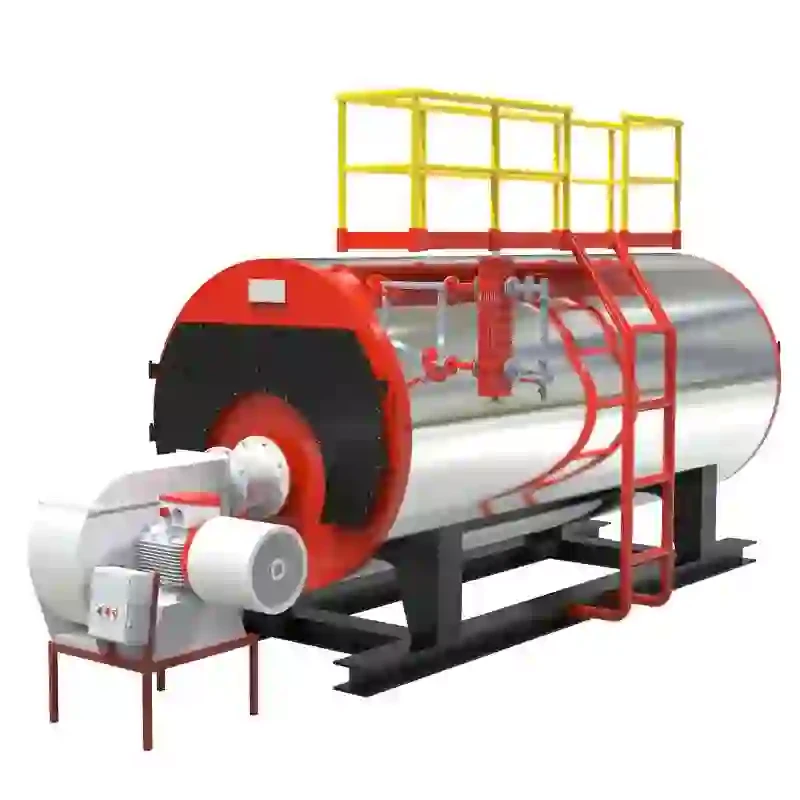
Steam boilers are an essential component in various industrial processes, power generation, and heating systems. The efficiency and safety of these boilers are fundamentally influenced by the temperature and pressure of the steam they produce. Understanding the relationship between these two parameters is crucial for optimizing performance and ensuring safe operations.
Steam boilers operate by heating water to create steam. This steam can be used to drive turbines, heat buildings, or power various industrial processes. The pressure of the steam produced in the boiler is directly related to its temperature. According to the principles of thermodynamics, as the temperature of the steam increases, so does the pressure. This relationship is essential for engineers and operators, as it allows them to manage the system effectively.
One of the key factors in the operation of a steam boiler is the steam's saturation temperature. This is the temperature at which water turns into steam at a given pressure. For instance, at a pressure of 100 psi, the saturation temperature is approximately 338°F (170°C). Maintaining the right pressure ensures that the steam remains at its saturation point, which is crucial for operational efficiency. If the pressure drops below this point, steam can condense back into water, leading to a loss of energy and increased operating costs.
steam boiler temperature and pressure
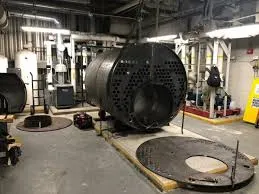
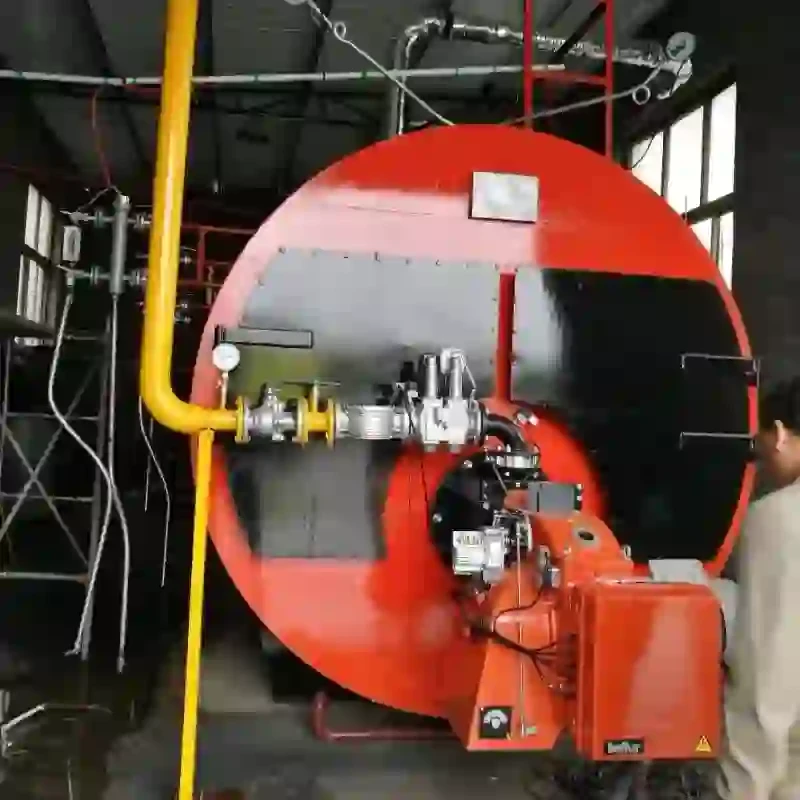
Moreover, monitoring the temperature and pressure is vital for safety. High pressure in a steam boiler can lead to dangerous situations, including explosions. Most modern boilers are equipped with pressure relief valves and temperature gauges to prevent such hazards. Regular maintenance and inspections are necessary to ensure that these safety devices function correctly.
Another aspect to consider is the energy efficiency of the steam boiler. Higher temperatures and pressures can improve efficiency, allowing more energy to be extracted from the steam. However, operating at excessively high pressures can lead to increased wear and tear on the boiler components, resulting in higher maintenance costs and reduced lifespan.
In conclusion, the temperature and pressure of steam in a boiler are critical parameters that influence its performance, efficiency, and safety. A thorough understanding of these factors enables operators to optimize boiler operations, enhance safety measures, and improve overall system efficiency. Continuous monitoring and maintenance are essential to ensure that steam boilers operate within safe and efficient parameters. As industries evolve and seek more sustainable practices, the importance of effectively managing steam temperature and pressure will continue to grow.
-
Hot Water Boiler Working Principle Explained: Efficiency, Applications, and Innovations
NewsDec.03,2025
-
Hot Water Boiler Design: Global Insights, Innovations, and Applications
NewsDec.03,2025
-
Understanding Hot Water Heat Boiler Replacement Cost: Factors, Benefits & Trends
NewsDec.03,2025
-
1 Million BTU Steam Boiler - Efficient Steam Solutions for Industry
NewsDec.02,2025
-
250 000 BTU Steam Boiler: Comprehensive Guide to Industrial Steam Power
NewsDec.02,2025
-
What You Need to Know About the 300 000 BTU Steam Boiler: Efficiency & Applications
NewsDec.02,2025


 English
  Arabic
  Bengali
  French
  German
  Hindi
Hindi  Indonesian
  Kazakh
  Khmer
Khmer  Korean
  Kyrgyz
  Lao
Lao  Latin
Latin  Mongolian
  Nepali
  Russian
  Turkish
  Turkmen
  Uzbek
Uzbek 


