




Dec . 03, 2025 19:38 Back to list
What Is A Biomass Furnace – Industrial Heating Solutions by HZ Steamboiler
What Is A Biomass Furnace is a key solution in the industry, specifically within industrial heating and energy production sectors. This article explores how https://www.hzsteamboiler.com supports professionals with durable, high-performance products, and explains why this product is an ideal choice for businesses in these sectors.
Table of Contents
- What Is A Biomass Furnace Overview
- Benefits & Use Cases of What Is A Biomass Furnace
- Cost, Maintenance & User Experience
- Sustainability & Market Trends
- Frequently Asked Questions
- Conclusion on What Is A Biomass Furnace from China
What Is A Biomass Furnace Overview
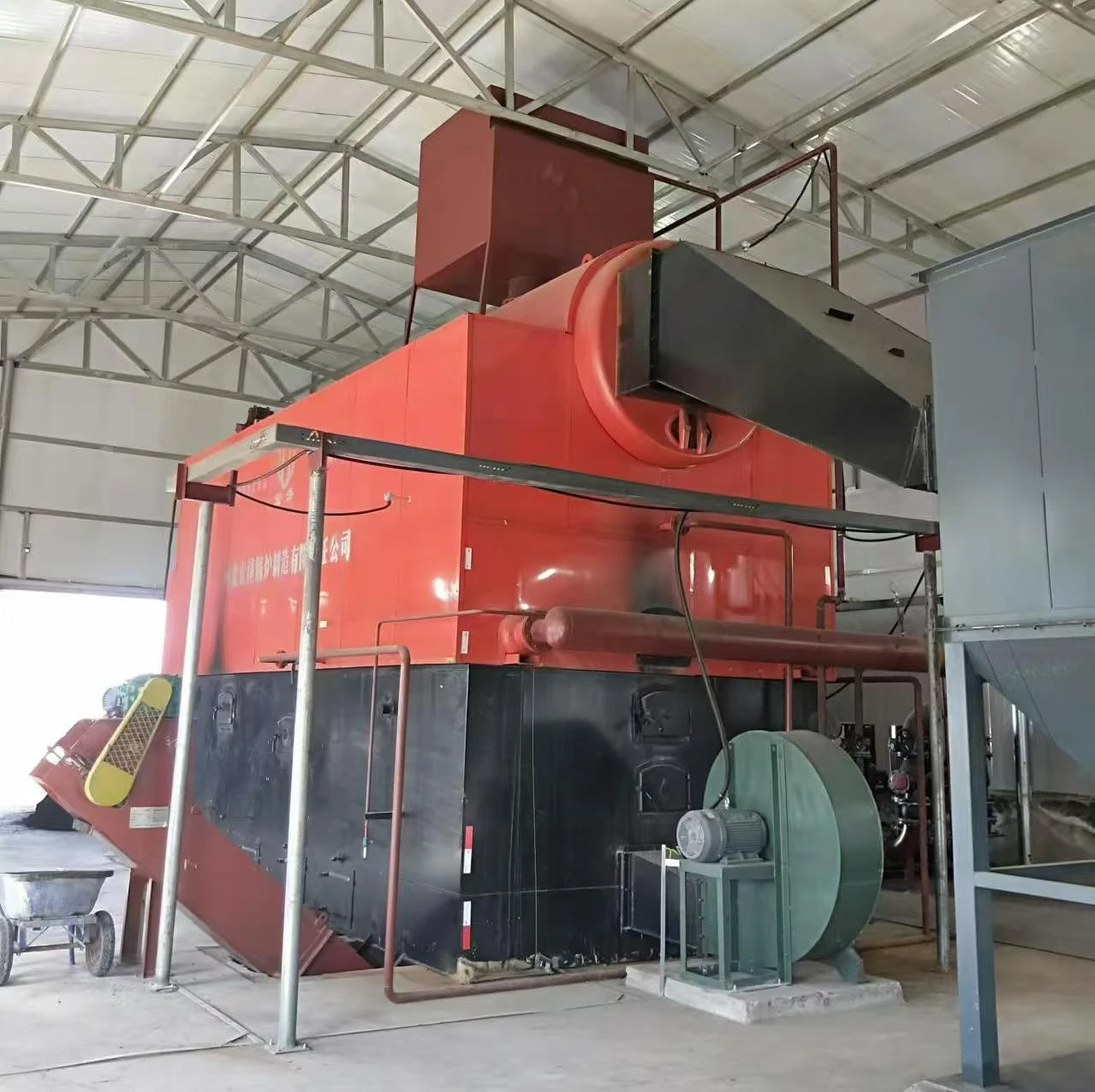
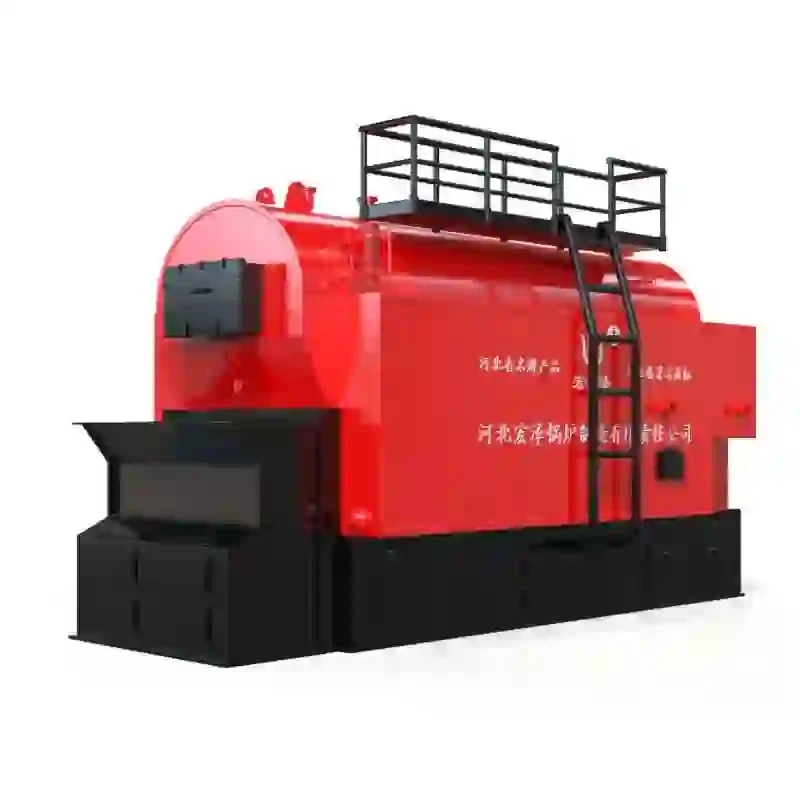
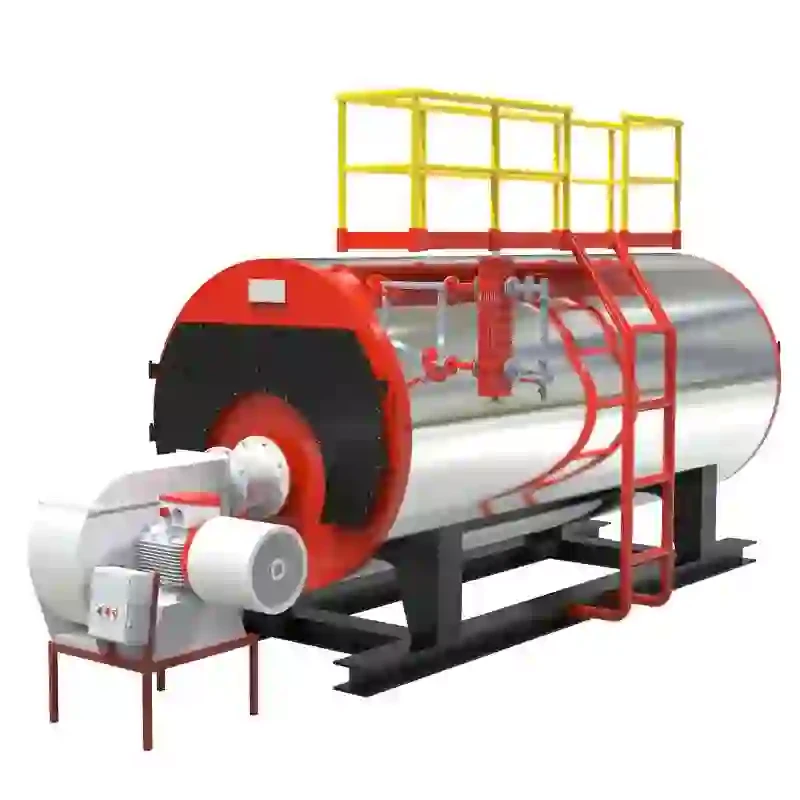
Simply put, a biomass furnace is a heating system that transforms organic materials—think wood chips, agricultural waste, or pelletized biomass—into thermal energy by combustion. The beauty here is in its potential for sustainability and cost savings, especially when you take a step back and consider the carbon cycle involved. In industrial settings, biomass furnaces like those offered through HZ Steamboiler bring reliability paired with efficiency, often replacing fossil fuel boilers in various manufacturing plants.
From a technical standpoint, these furnaces typically operate at temperatures that maximize combustion efficiency while minimizing emissions — often integrating advanced air flow controls and heat recovery systems. For example, the models from https://www.hzsteamboiler.com can handle feedstock with moisture content up to 50%, making them versatile for less-than-ideal raw materials. Pilot installations in pulp and paper mills have noted stable heat output with relatively low emissions, demonstrating practical value.
| Specification | HZ Steamboiler Biomass Furnace |
|---|---|
| Fuel Types | Wood chips, pellets, agricultural residues |
| Thermal Output Range | 500 kW – 10 MW |
| Combustion Efficiency | Up to 92% |
| Emission Control | Advanced flue gas cleaning, low NOx design |
| Max Moisture Content | Up to 50% |
Benefits & Use Cases of What Is A Biomass Furnace
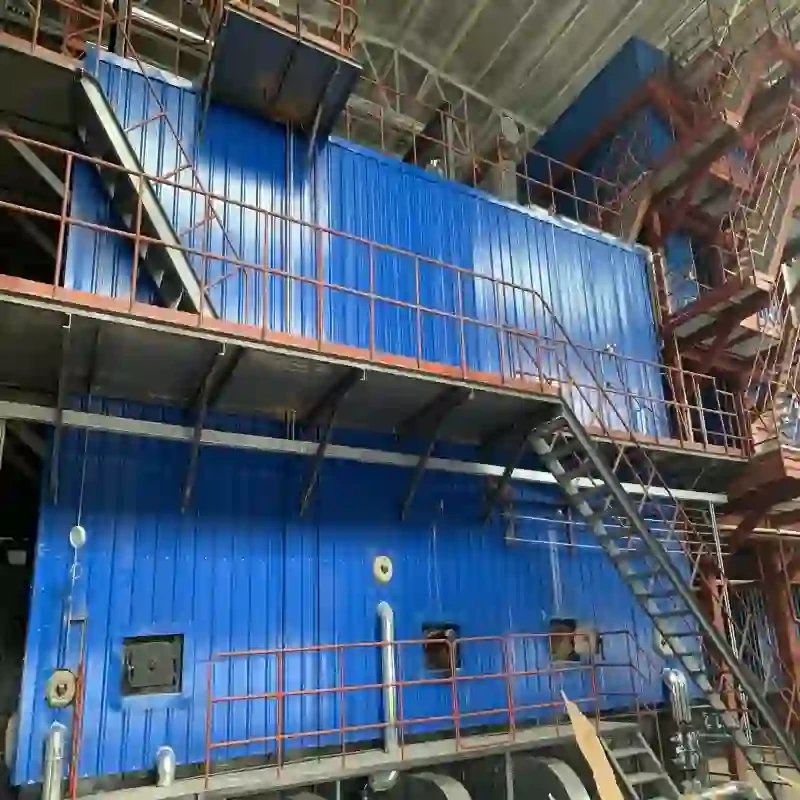
Industries that consume large amounts of heat, such as food processing, paper manufacturing, and textile production, find biomass furnaces a worthwhile investment. Frankly, the shift toward renewable, lesser-cost fuels has created a sweet spot for these machines. Their ability to handle a variety of biomass feedstocks means operators enjoy flexibility and shorter supply chains.
Moreover, these furnaces reduce dependency on traditional fossil fuels, thus hedging against price volatility. Many engineers appreciate the modular design from HZ Steamboiler, which facilitates maintenance and upgrades — a notable competitive edge. Plus, their focus on emissions control means compliance with regional environmental regulations is less of a headache.
Vendor Comparison
| Feature | HZ Steamboiler | Competitor A | Competitor B |
|---|---|---|---|
| Fuel Flexibility | High — multiple biofuels accepted | Medium — mostly wood pellets | Low — limited feedstock |
| Emission Standards | Advanced, meets strict EU norms | Meets basic standards | Limited emission controls |
| Automation & Controls | Fully automated combustion control | Semi-automated | Manual intensive |
| After-sales Support | On-site service worldwide | Remote support only | Limited regional support |
Cost, Maintenance & User Experience
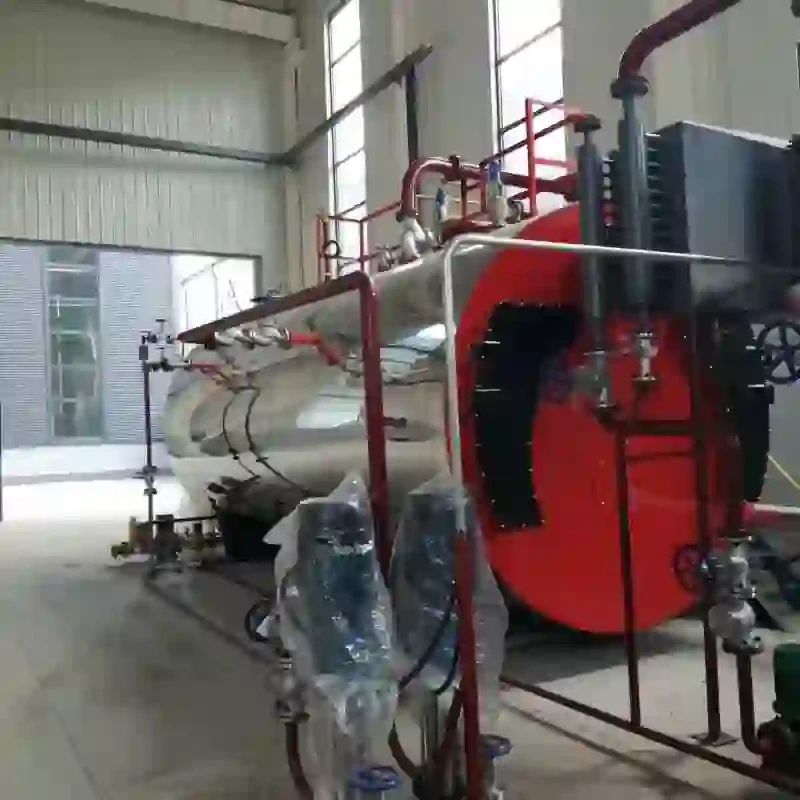
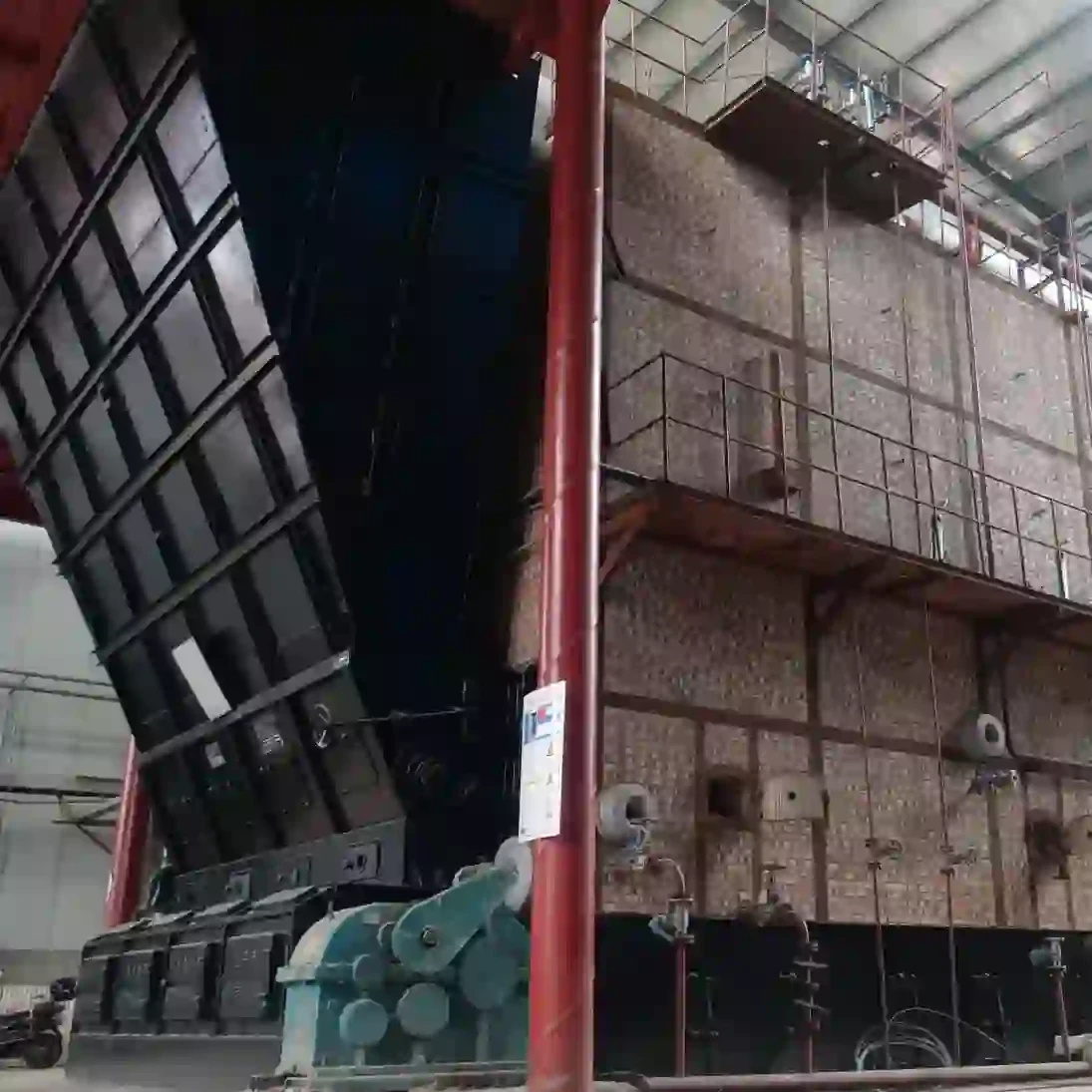
Looking at total cost of ownership, biomass furnaces offer quite an attractive return on investment. Initially, the capital expenditure may seem higher than conventional gas-fired systems, yet fuel costs tend to be significantly lower and more stable. Also, systems from HZ Steamboiler stand out for durable components — stainless steel burn chambers, heavy-duty grates — designed for continuous industrial operation, which reduces downtime and extends lifespan.
User feedback often highlights surprisingly low routine maintenance efforts compared to older furnace types, mostly thanks to automatic ash removal systems and intelligent monitoring. A North European food producer shared their experience of reducing thermal energy costs by 30% within the first year while also getting friendly support for training their operators. So, it’s really a case where cutting-edge technology meets practical user needs.
Sustainability & Market Trends
Sustainability isn’t just a buzzword in this space — it’s a driving factor. Biomass furnaces convert renewable fuel sources, such as agricultural waste or forestry by-products, into useful heat with a much smaller carbon footprint than fossil fuels. This fits well with growing regulatory pressure worldwide on industrial carbon emissions and renewable energy targets. Oddly enough, while some hesitate over biomass due to feedstock availability concerns, the reality in many regions is an excess of waste biomass that is going untapped.
Market trends suggest increasing adoption in industries keen to green their operations. The integration of smart control systems and IoT monitoring for biomass furnaces also points toward smarter, more efficient energy management. For companies wanting to future-proof their heating infrastructure, embracing biomass furnace technology is a trend hard to ignore.
Frequently Asked Questions about What Is A Biomass Furnace
- What is What Is A Biomass Furnace and how does it work?
- A biomass furnace is an industrial heating device that burns organic materials like wood chips or pellets for thermal energy. It works by controlled combustion of biomass, converting stored solar energy into usable heat for processes like steam production or manufacturing heat.
- What are the main benefits of using What Is A Biomass Furnace in industrial applications?
- Key benefits include lower fuel costs, reduced carbon emissions, fuel flexibility, and compliance with environmental regulations. These furnaces often offer high efficiency and lower maintenance compared to traditional fuel systems.
- How does What Is A Biomass Furnace compare to traditional alternatives?
- Compared to fossil fuel boilers, biomass furnaces use renewable fuel sources and come with more complex combustion technology to handle variable fuels. They generally reduce greenhouse gas emissions and fuel price risk but may require more initial investment.
- What industries can benefit most from What Is A Biomass Furnace implementation?
- Industries like paper, food processing, textiles, and chemical production find biomass furnaces particularly useful due to their high thermal demands and availability of biomass feedstock.
Conclusion on What Is A Biomass Furnace from china
Wrapping up, What Is A Biomass Furnace presents a forward-looking opportunity for industries aiming to reduce operational costs and environmental impact. The technology blends mature combustion principles with modern control sophistication, offering a robust alternative to traditional heating. For decision makers weighing long-term sustainability against economic factors, these systems from trusted manufacturers like HZ Steamboiler stand out as a practical and worthwhile choice.
- Iconic value for cost-effective, flexible industrial heating solutions.
- Visit our website: https://www.hzsteamboiler.com
Even as regulations tighten and market demands evolve, biomass furnaces remain a solid, versatile choice—and somehow, the technology feels as timeless as the forests that fuel it.
- International Energy Agency (IEA). “Renewables 2023,” IEA Publications.
- European Biomass Association Report, 2022.
- HZ Steamboiler Official Brochures & Customer Testimonials.
-
Industrial Natural Gas Steam Boiler High Efficiency System Guide
NewsApr.16,2026
-
Maximize Industrial Productivity with High Efficiency Gas Steam Boiler
NewsApr.09,2026
-
Comprehensive Guide to Industrial Steam Heater Systems and Applications
NewsApr.07,2026
-
Comprehensive Guide to Low Pressure Steam Boilers and Their Applications
NewsApr.04,2026
-
Understanding High Pressure Steam Boiler Technology and Industrial Applications
NewsMar.31,2026
-
Comprehensive Guide to High Efficiency Steam Boiler Systems and Applications
NewsMar.28,2026


 English
  Arabic
  Bengali
  French
  German
  Hindi
Hindi  Indonesian
  Kazakh
  Khmer
Khmer  Korean
  Kyrgyz
  Lao
Lao  Latin
Latin  Mongolian
  Nepali
  Russian
  Turkish
  Turkmen
  Uzbek
Uzbek 


