




May . 07, 2025 18:10 Back to list
How a Hot Water Boiler Works Efficient Heating & Pressure Control
- Fundamentals of Hot Water Boiler Operation
- Technical Advantages of Modern Hot Water Boilers
- Key Considerations for Water Pressure Management
- Boiler vs. Water Heater: Critical Differences
- Performance Comparison: Leading Manufacturers
- Custom Solutions for Specific Applications
- Real-World Implementation Case Studies

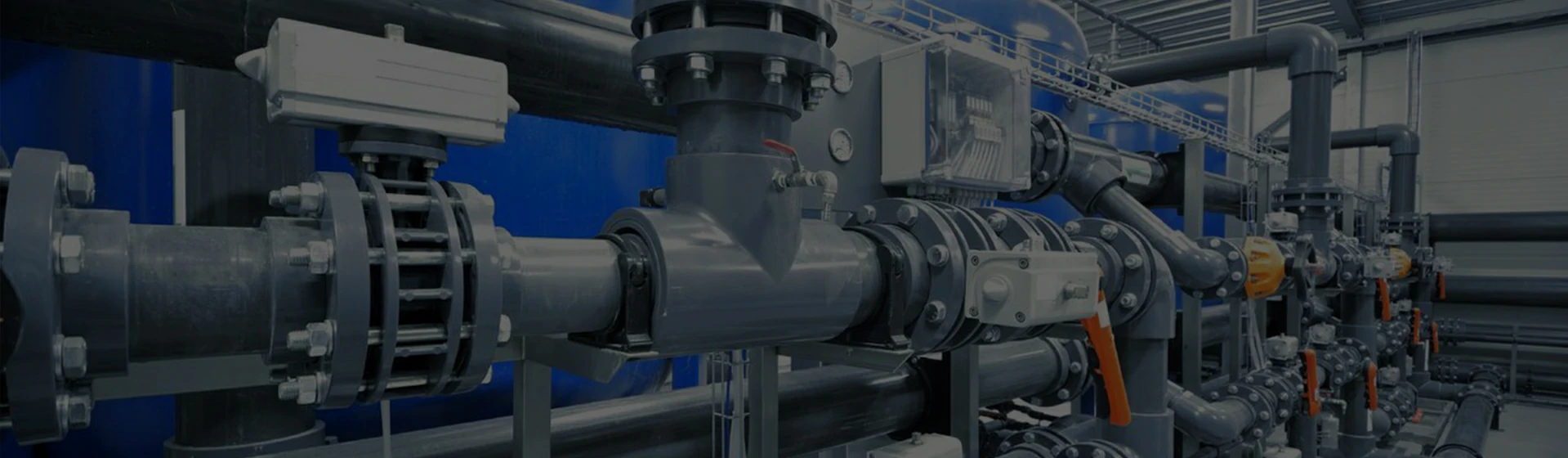
(how a hot water boiler works)
Understanding How a Hot Water Boiler Works
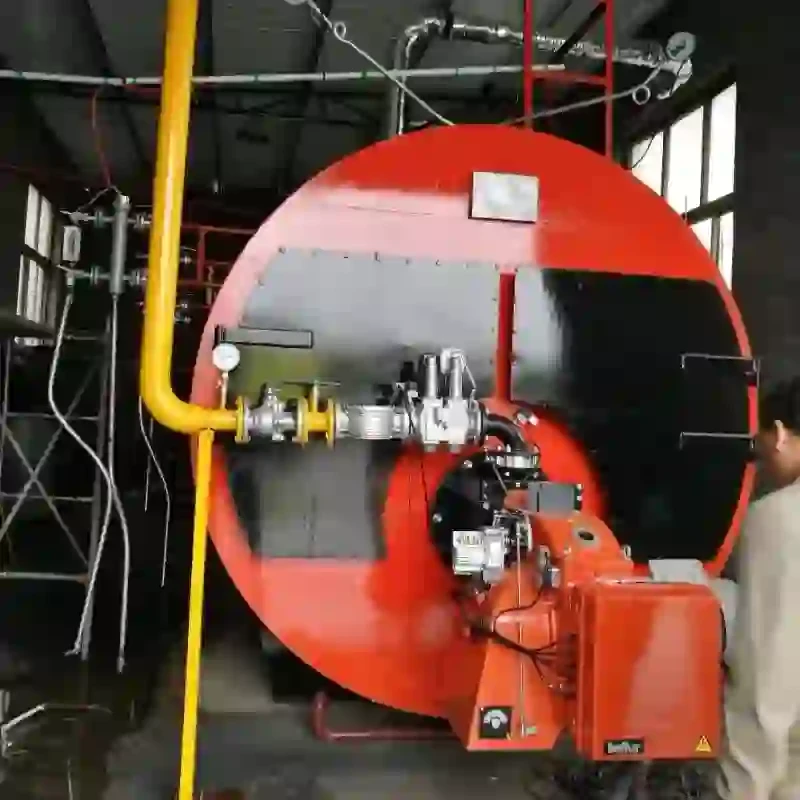
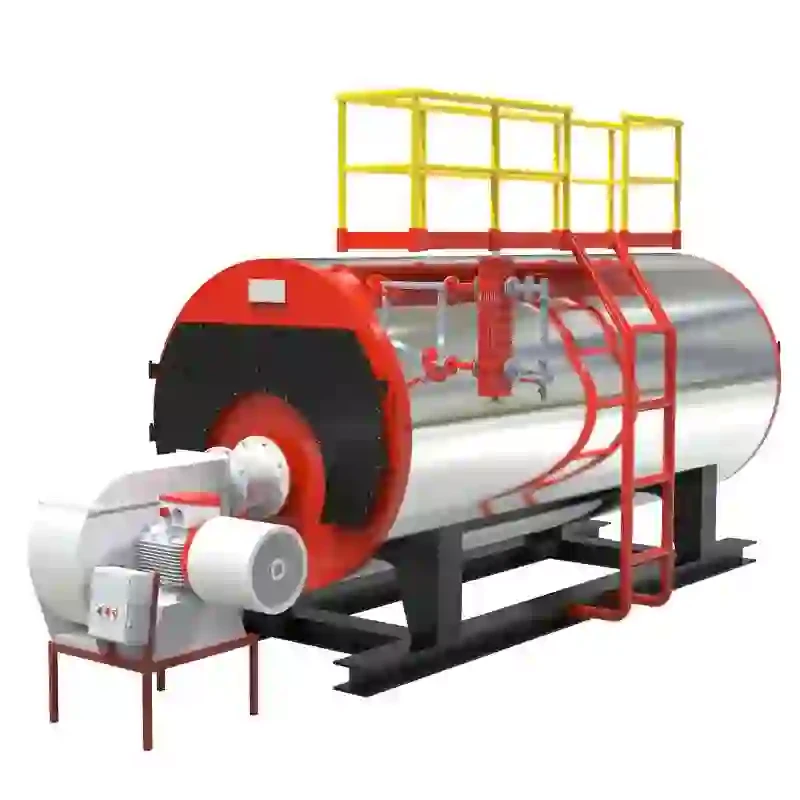
At its core, a hot water boiler operates through closed-loop thermal transfer, circulating water between 140°F-180°F (60°C-82°C) via pumps. The system contains three primary components:
- Combustion chamber (gas/propane/oil-fired)
- Heat exchanger network
- Hydronic distribution piping
Modern condensing models achieve up to 95% efficiency by recovering latent heat from flue gases, reducing fuel consumption by 18-23% compared to conventional units.
Technical Advantages of Modern Hot Water Boilers
Advanced modulation technology allows today's boilers to adjust output from 20-100% capacity, maintaining ±2°F temperature accuracy. Key innovations include:
- Stainless steel primary heat exchangers (150,000+ hour lifespan)
- Pre-mix burner systems with 10:1 turndown ratios
- Smart zoning controls with weather compensation
Key Considerations for Water Pressure Management
Optimal boiler pressure ranges from 12-25 psi depending on building height. Pressure drops exceeding 4 psi/minute indicate potential leaks, while sustained pressure above 30 psi risks valve failure. Most manufacturers recommend:
| System Type | Ideal Pressure | Max Allowable |
|---|---|---|
| Residential | 12-15 psi | 25 psi |
| Commercial | 18-22 psi | 30 psi |
| Industrial | 22-25 psi | 35 psi |
Boiler vs. Water Heater: Critical Differences
While both appliances heat water, boilers provide continuous pressurized circulation rather than storage. Key comparison metrics:
- Flow rates: 5-10 GPM (heaters) vs. 20-100+ GPM (boilers)
- Temperature consistency: ±5°F (heaters) vs. ±2°F (boilers)
- Lifespan: 8-12 years vs. 15-30 years
Performance Comparison: Leading Manufacturers
| Brand | Efficiency | Pressure Range | Cost | Warranty |
|---|---|---|---|---|
| Viessmann | 95% | 1-4 bar | $3,800 | 10 years |
| Weil-McLain | 89% | 0.5-3 bar | $2,700 | 7 years |
| Bosch | 93% | 1-5 bar | $4,200 | 12 years |
Custom Solutions for Specific Applications
Specialized configurations address unique requirements:
- Cascade Systems: Multiple boilers sequencing to handle 150-500% load variations
- Low-Temperature Designs: 104°F-122°F operation for radiant floor systems
- Hybrid Models: Integration with solar thermal collectors (45% reduced fossil fuel use)
Implementation Strategies for Hot Water Boiler Works
A hospital retrofit project achieved 32% energy savings through:
- Installation of 4 × 500 MBH condensing boilers
- Pressure-regulated zoning with ECM pumps
- Integration with building automation system
Post-installation data showed 18-month ROI through reduced maintenance costs and 28% lower fuel consumption.
(how a hot water boiler works)
FAQS on how a hot water boiler works
Q: How does a hot water boiler work?
A: A hot water boiler heats water via a burner or electric element and circulates it through pipes to radiators or underfloor systems. The heated water transfers warmth to the space before returning to the boiler to be reheated. This closed-loop system maintains consistent heating using a thermostat for temperature control.
Q: What is the ideal water pressure for a hot water boiler?
A: Most residential hot water boilers operate best at 12–15 psi (pounds per square inch). Low pressure can cause inadequate heating, while high pressure may damage components. Check the pressure gauge regularly and adjust using the feed valve if needed.
Q: How is a hot water boiler different from a water heater?
A: A boiler heats water for space heating via radiators or coils and circulates it in a closed loop. A water heater stores and heats potable water for taps, showers, and appliances. Boilers prioritize consistent heating, while water heaters focus on instant or stored hot water supply.
Q: Why does my hot water boiler lose pressure?
A: Pressure loss can result from leaks, faulty valves, or bleeding radiators. Air pockets or a malfunctioning expansion tank may also cause drops. Inspect for visible leaks and repressurize the system, but consult a technician if issues persist.
Q: Can a hot water boiler also provide domestic hot water?
A: Yes, combination boilers (combi-boilers) heat both space and domestic water in one unit. They prioritize hot water for taps/showers over heating when needed. Traditional boilers require a separate water heater for domestic use.
-
Hot Water Boiler Working Principle Explained: Efficiency, Applications, and Innovations
NewsDec.03,2025
-
Hot Water Boiler Design: Global Insights, Innovations, and Applications
NewsDec.03,2025
-
Understanding Hot Water Heat Boiler Replacement Cost: Factors, Benefits & Trends
NewsDec.03,2025
-
1 Million BTU Steam Boiler - Efficient Steam Solutions for Industry
NewsDec.02,2025
-
250 000 BTU Steam Boiler: Comprehensive Guide to Industrial Steam Power
NewsDec.02,2025
-
What You Need to Know About the 300 000 BTU Steam Boiler: Efficiency & Applications
NewsDec.02,2025


 English
  Arabic
  Bengali
  French
  German
  Hindi
Hindi  Indonesian
  Kazakh
  Khmer
Khmer  Korean
  Kyrgyz
  Lao
Lao  Latin
Latin  Mongolian
  Nepali
  Russian
  Turkish
  Turkmen
  Uzbek
Uzbek 


