




Mar . 05, 2026 02:05 Back to list
Comprehensive Coal Fired Steam Boiler Design for Industrial Applications
Coal Fired Steam Boiler Design: A Comprehensive Guide
Coal fired steam boilers are a cornerstone of many industrial processes, providing reliable and efficient heat generation. Understanding their design is crucial for optimal performance, safety, and longevity. This article delves into the core components, design considerations, operational aspects, and modern advancements in coal fired steam boiler technology. From selecting the right boiler type to maximizing fuel efficiency, we'll cover everything you need to know. Proper design is paramount for efficient combustion and steam generation.
Understanding the Core Components of a Coal Fired Steam Boiler
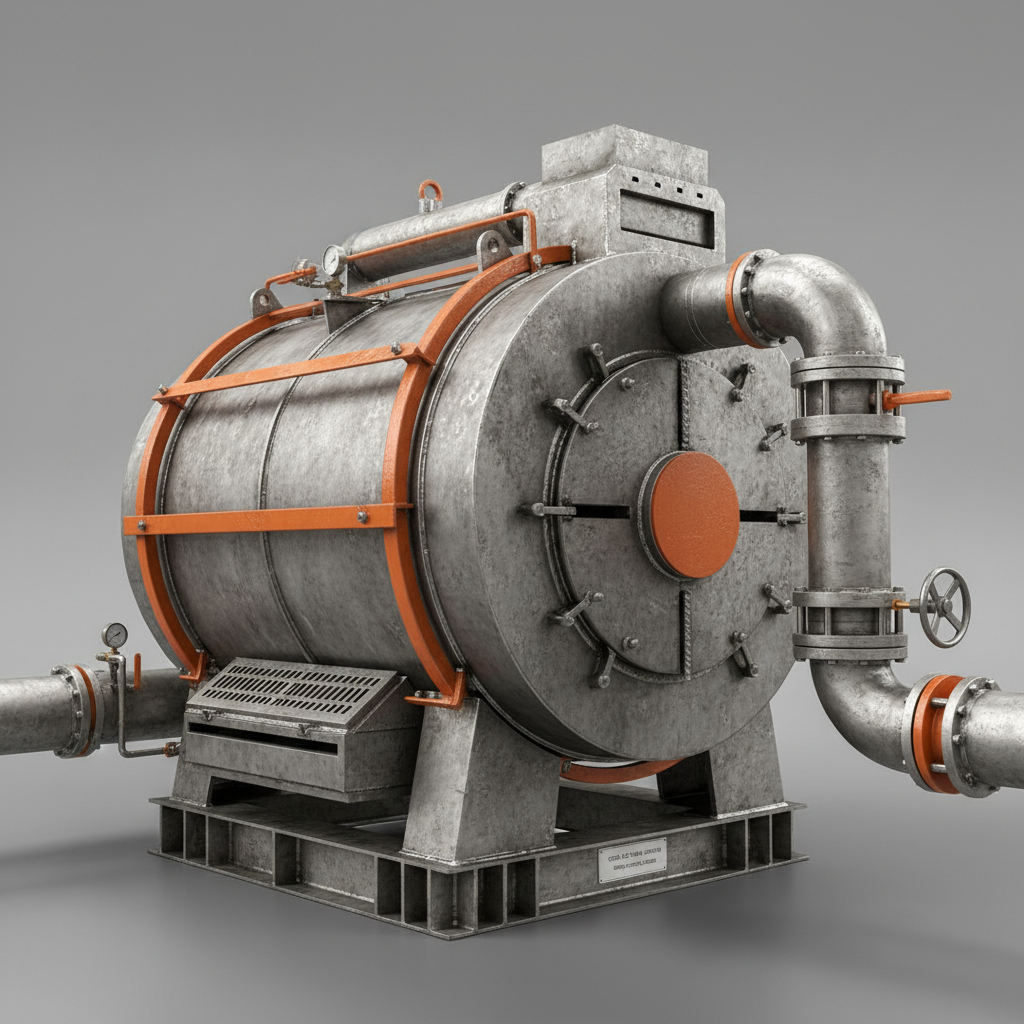
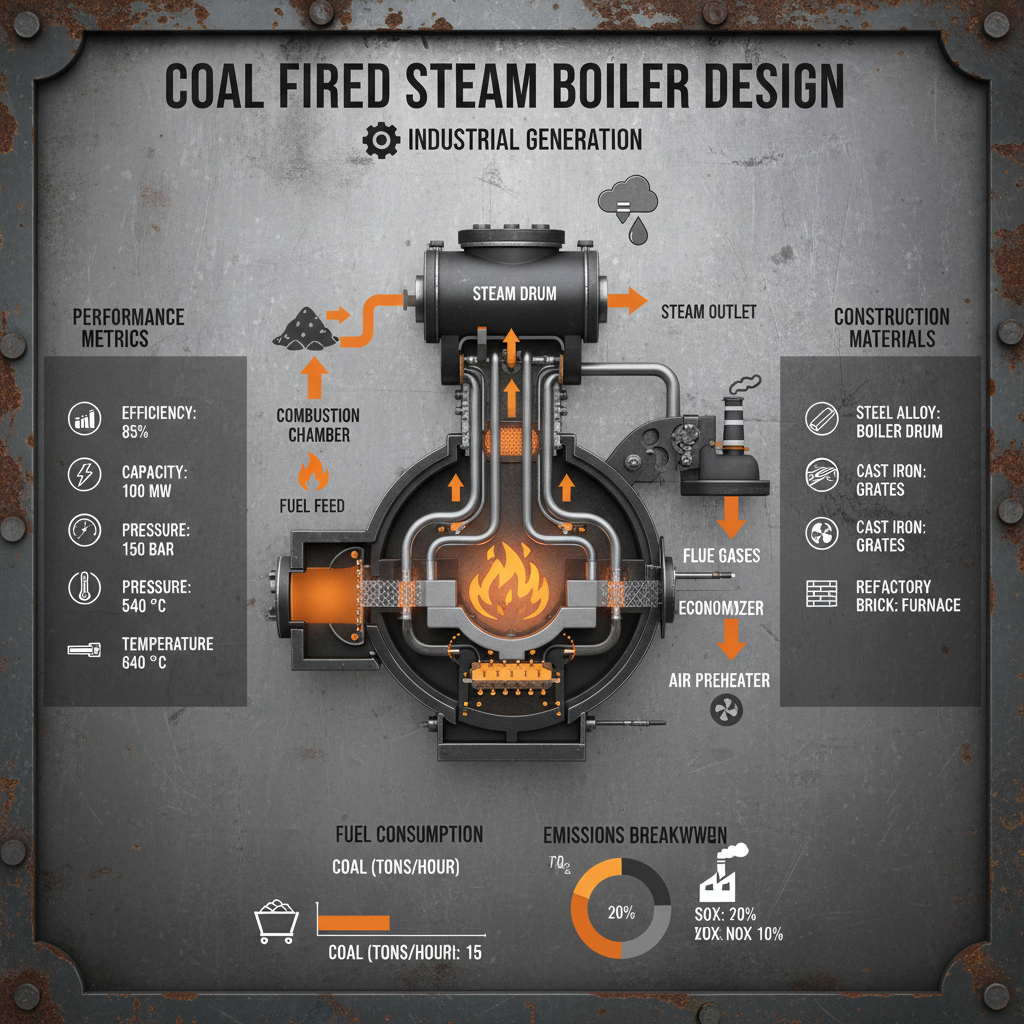
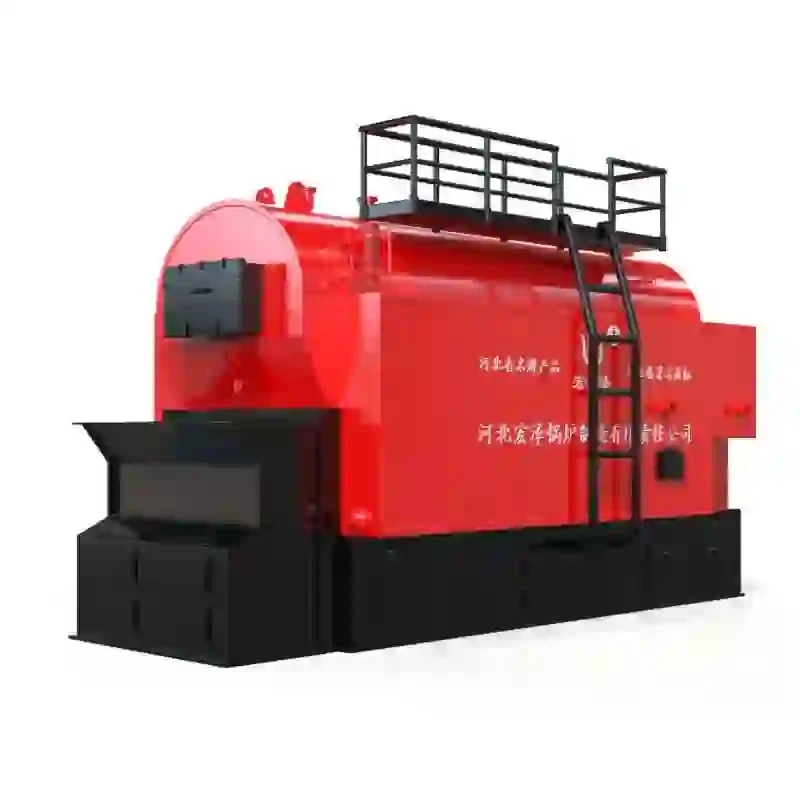
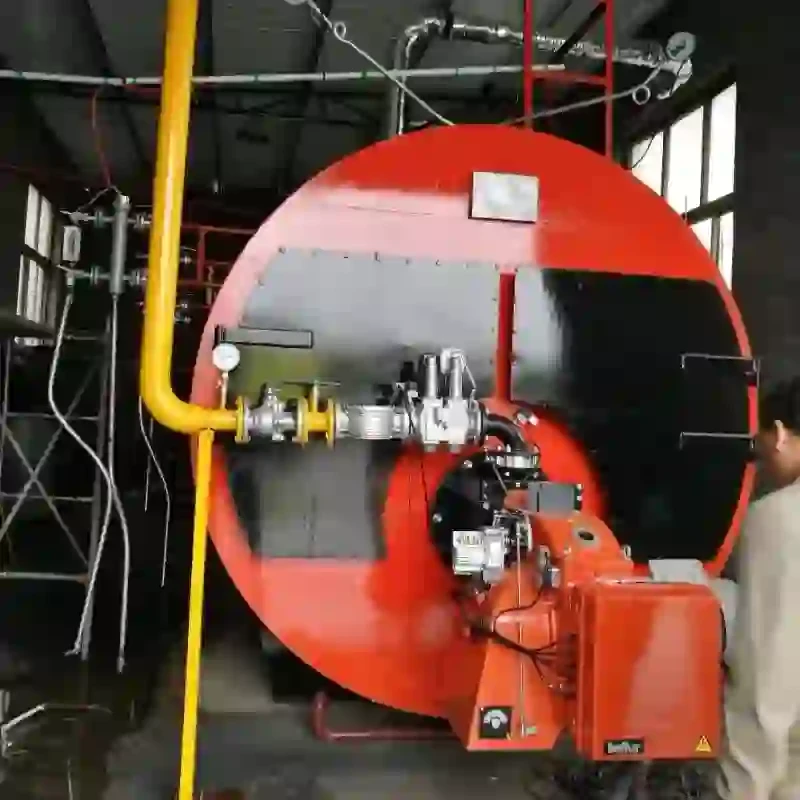
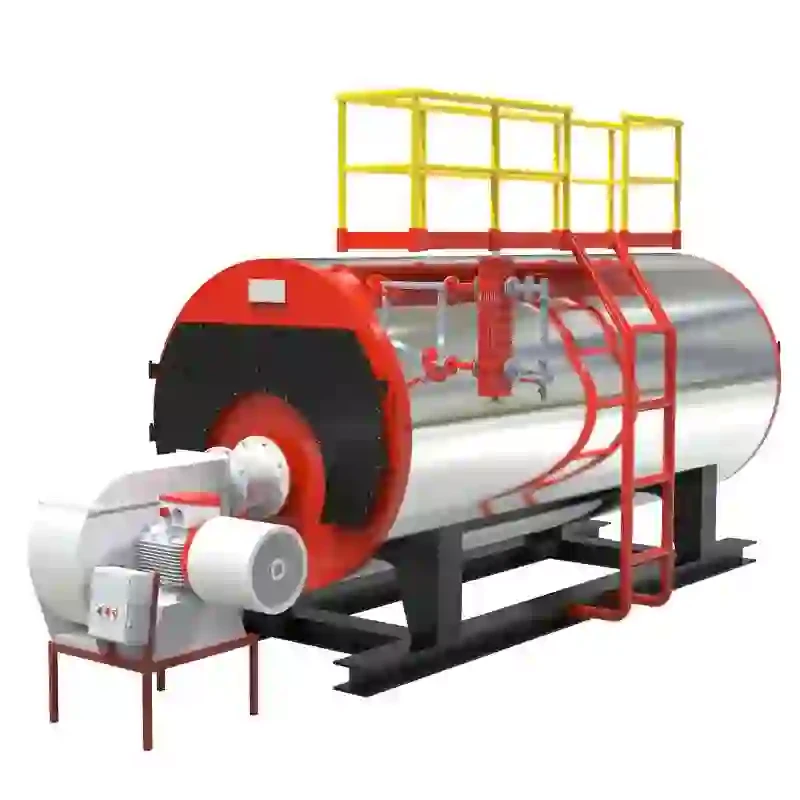
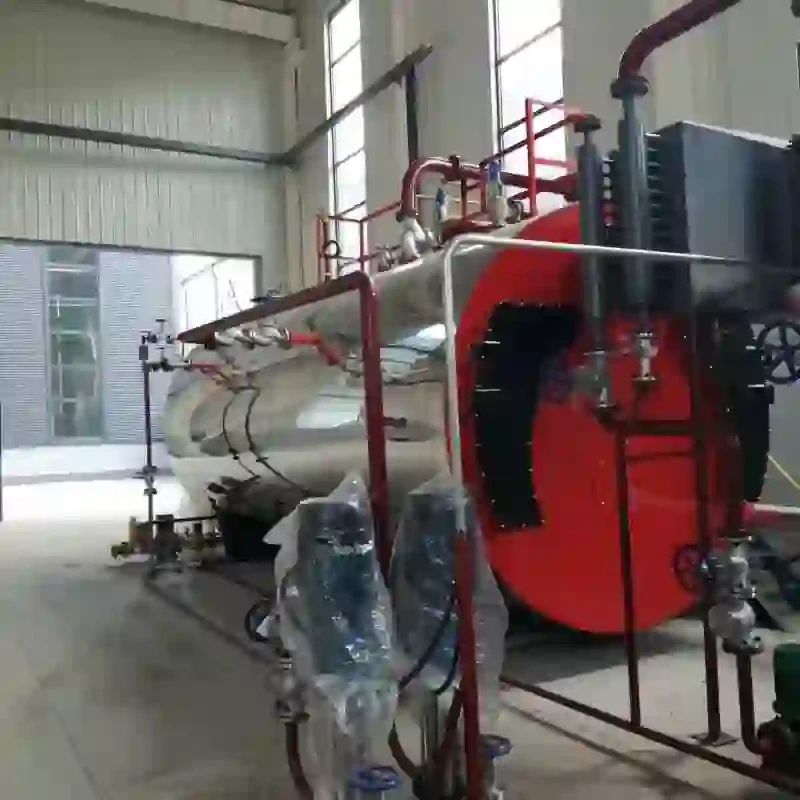
A coal fired steam boiler is a complex system comprising several essential components. The boiler drum stores water and separates steam. The furnace is where coal combustion occurs, generating heat. Water tubes or fire tubes transfer heat from the combustion gases to the water. A superheater increases steam temperature for improved efficiency, and the economizer preheats feedwater using exhaust gases. Crucially, the boiler also includes safety features like pressure relief valves and water level controls. A well-designed system requires a balanced approach to all these elements.
Key Components: Boiler drum, Furnace, Water/Fire Tubes, Superheater, Economizer, Safety Valves, Water Level Controls.
Key Design Considerations for Coal Fired Steam Boilers
Effective coal fired steam boiler design requires meticulous attention to several factors. Fuel type and quality dictate combustion characteristics. Steam pressure and temperature impact boiler efficiency and component selection. Heat transfer surface area must be optimized for maximum efficiency. Combustion air supply and flue gas flow need careful calculation. Materials of construction must withstand high temperatures and corrosive environments. Finally, regulatory compliance and environmental considerations are vital. These factors intertwine to determine a boiler's overall performance.
Design Factor Highlights:
• Fuel Type and Quality
• Steam Pressure & Temperature
• Heat Transfer Optimization
• Material Selection
Coal Fired Boiler Types: A Comparative Analysis
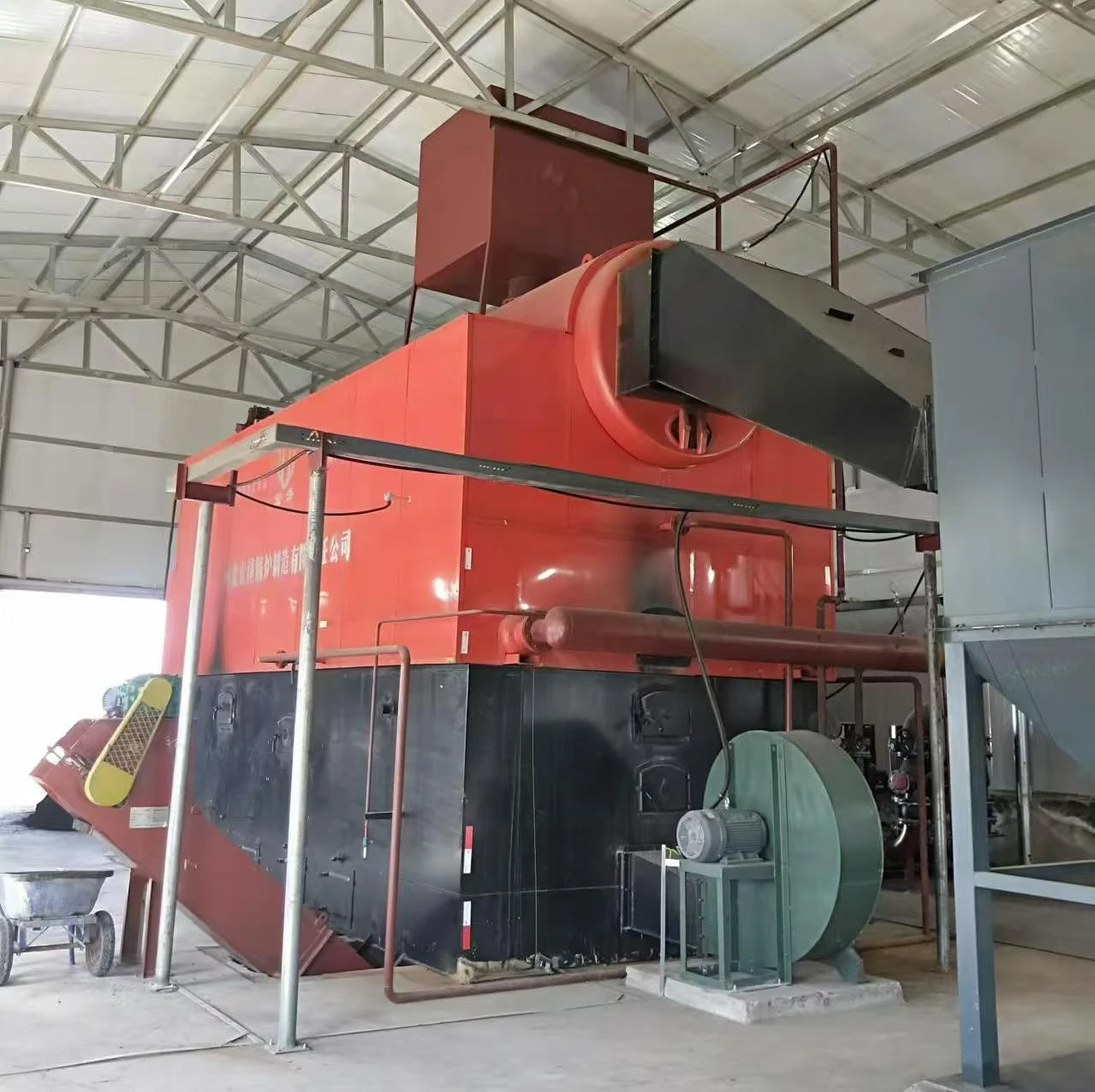
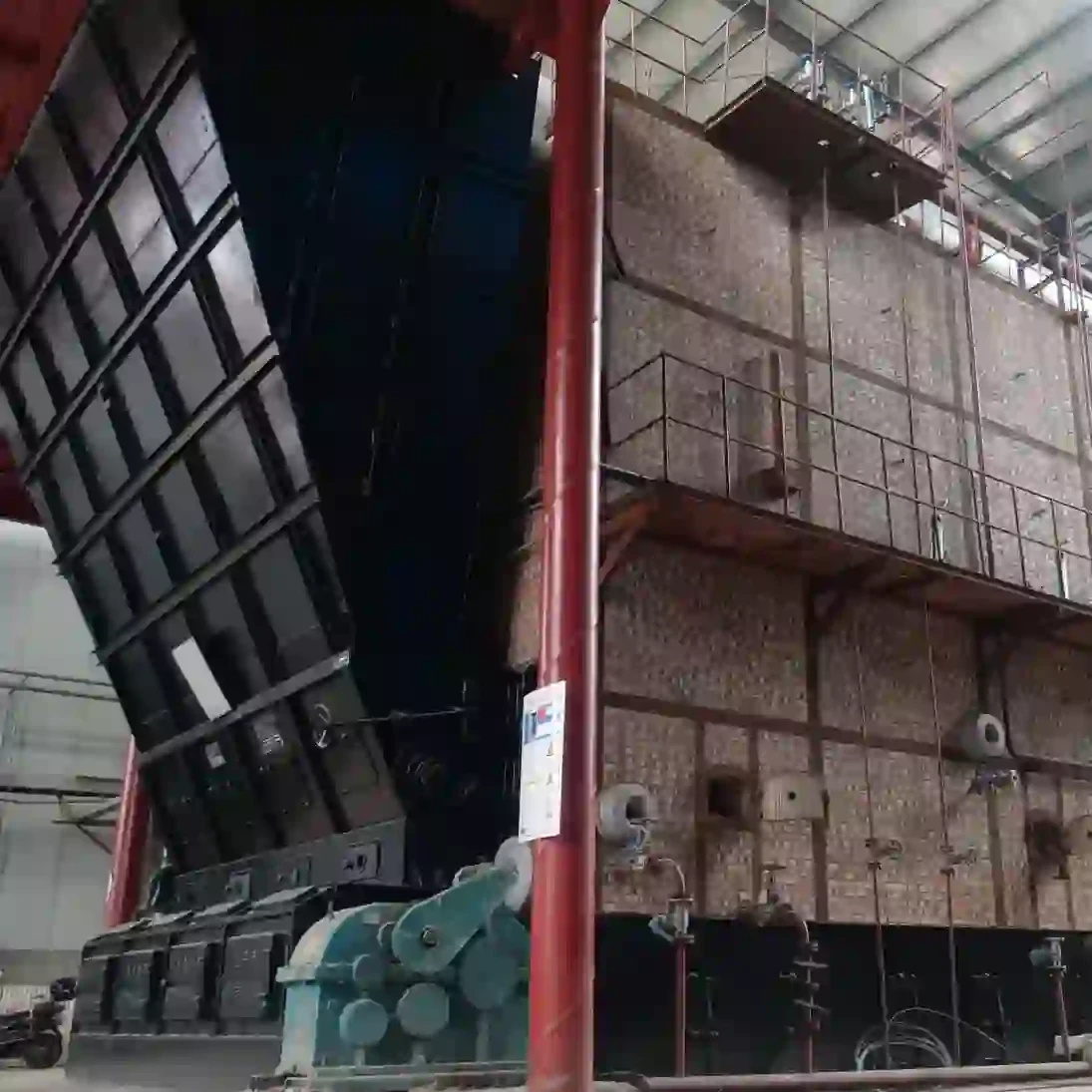
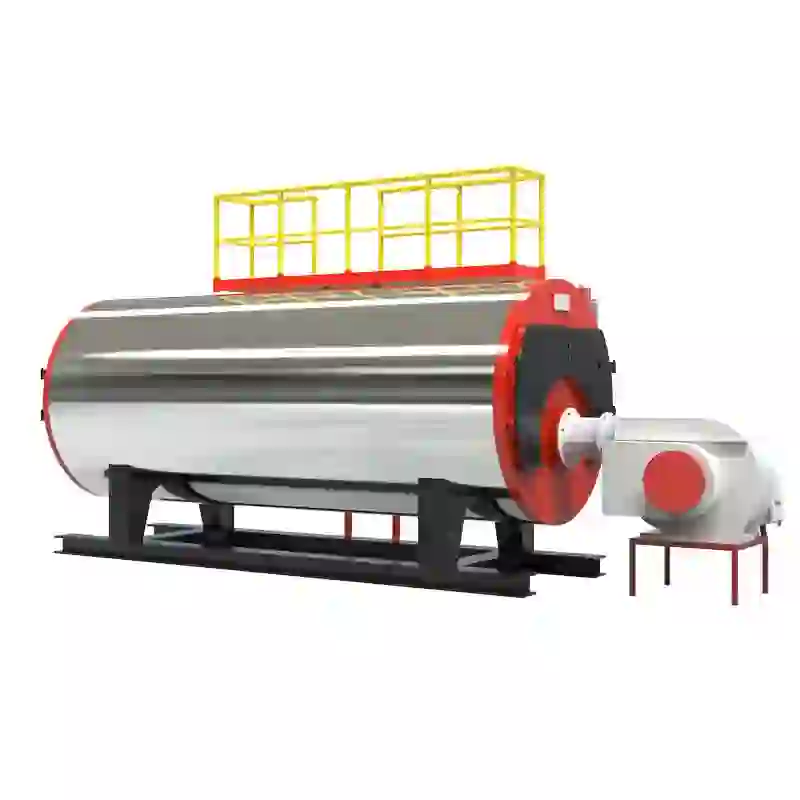
Several types of coal fired boilers cater to different applications. Fire-tube boilers are simpler and less expensive, suitable for lower steam demands. Water-tube boilers offer higher steam capacity and pressure, making them ideal for large-scale power generation. Chain grate stokers provide efficient coal feeding, while fluidized bed combustors enhance combustion efficiency and reduce emissions. Choosing the right type depends on steam requirements, fuel availability, and environmental regulations. HZ Steam Boiler specializes in providing tailored boiler solutions.
Modern Advancements in Coal Fired Steam Boiler Technology
Recent advancements focus on improving efficiency and reducing environmental impact. Low NOx burners minimize nitrogen oxide emissions. Flue gas desulfurization (FGD) systems remove sulfur dioxide. Electrostatic precipitators (ESPs) capture particulate matter. Advanced control systems optimize combustion and reduce fuel consumption. Furthermore, biomass co-firing offers a sustainable alternative to pure coal combustion. These technologies demonstrate a commitment to cleaner and more efficient energy production. HZ Steam Boiler is at the forefront of incorporating these innovations.
Coal Fired Steam Boiler Design: Best Practices & Efficiency Optimization
Optimizing efficiency in coal fired steam boiler design involves several best practices. Regular maintenance and cleaning prevent fouling and maintain heat transfer efficiency. Proper insulation minimizes heat loss. Feedwater preheating reduces energy consumption. Blowdown control optimizes water quality and prevents scaling. Implementing advanced control systems and data analytics enables real-time monitoring and adjustments. These practices ensure consistent performance and maximize fuel savings.
Conclusion: The Future of Coal Fired Steam Boiler Technology
The future of coal fired steam boilers lies in embracing technological advancements and prioritizing environmental sustainability. HZ Steam Boiler is committed to delivering innovative and efficient solutions that meet evolving industry demands. By optimizing design, incorporating advanced control systems, and minimizing emissions, we can ensure a reliable and responsible energy future.
Frequently Asked Questions (FAQs)
What are the main environmental concerns associated with coal fired boilers?
Coal fired boilers produce emissions like sulfur dioxide (SO2), nitrogen oxides (NOx), particulate matter, and carbon dioxide (CO2). SO2 contributes to acid rain, NOx leads to smog, and particulate matter impacts air quality. CO2 is a greenhouse gas contributing to climate change. Modern boilers employ technologies like FGD, ESPs, and low NOx burners to mitigate these emissions. Fuel quality and combustion optimization also play a crucial role in minimizing environmental impact. Proper operation and maintenance are essential to ensuring these systems function effectively.
How often should a coal fired boiler be inspected?
Coal fired boilers should undergo thorough inspection at least annually, and more frequently for high-usage applications. Inspections should cover all critical components, including the boiler drum, tubes, furnace, burners, and safety devices. Non-destructive testing methods, like ultrasonic testing and radiography, can detect hidden defects. Regular inspections identify potential issues before they escalate, ensuring safe and reliable operation. Following manufacturer recommendations and adhering to local regulations is vital.
What is the role of the economizer in a coal fired boiler?
The economizer recovers waste heat from the flue gases and uses it to preheat the feedwater entering the boiler. This significantly improves thermal efficiency by reducing the amount of heat required to raise the water to boiling point. Preheating the feedwater also lowers fuel consumption and reduces emissions. The economizer is a crucial component in maximizing boiler performance and minimizing operating costs. Proper maintenance ensures optimal heat transfer and prevents fouling.
-
Industrial Natural Gas Steam Boiler High Efficiency System Guide
NewsApr.16,2026
-
Maximize Industrial Productivity with High Efficiency Gas Steam Boiler
NewsApr.09,2026
-
Comprehensive Guide to Industrial Steam Heater Systems and Applications
NewsApr.07,2026
-
Comprehensive Guide to Low Pressure Steam Boilers and Their Applications
NewsApr.04,2026
-
Understanding High Pressure Steam Boiler Technology and Industrial Applications
NewsMar.31,2026
-
Comprehensive Guide to High Efficiency Steam Boiler Systems and Applications
NewsMar.28,2026


 English
  Arabic
  Bengali
  French
  German
  Hindi
Hindi  Indonesian
  Kazakh
  Khmer
Khmer  Korean
  Kyrgyz
  Lao
Lao  Latin
Latin  Mongolian
  Nepali
  Russian
  Turkish
  Turkmen
  Uzbek
Uzbek 


