




Jan . 27, 2026 21:35 Back to list
Comprehensive Guide to Steam Boiler Furnace Types and Maintenance
Steam Boiler Furnace: A Comprehensive Guide
A steam boiler furnace is a critical component in many industrial processes, providing the heat needed to generate steam for power, heating, and various manufacturing applications. Choosing the right furnace for your needs is essential for efficiency, safety, and cost-effectiveness. This article will explore the different types, key features, applications, and maintenance considerations of steam boiler furnaces. Understanding these aspects will empower you to make an informed decision when selecting a furnace for your specific operational requirements.
Types of Steam Boiler Furnaces
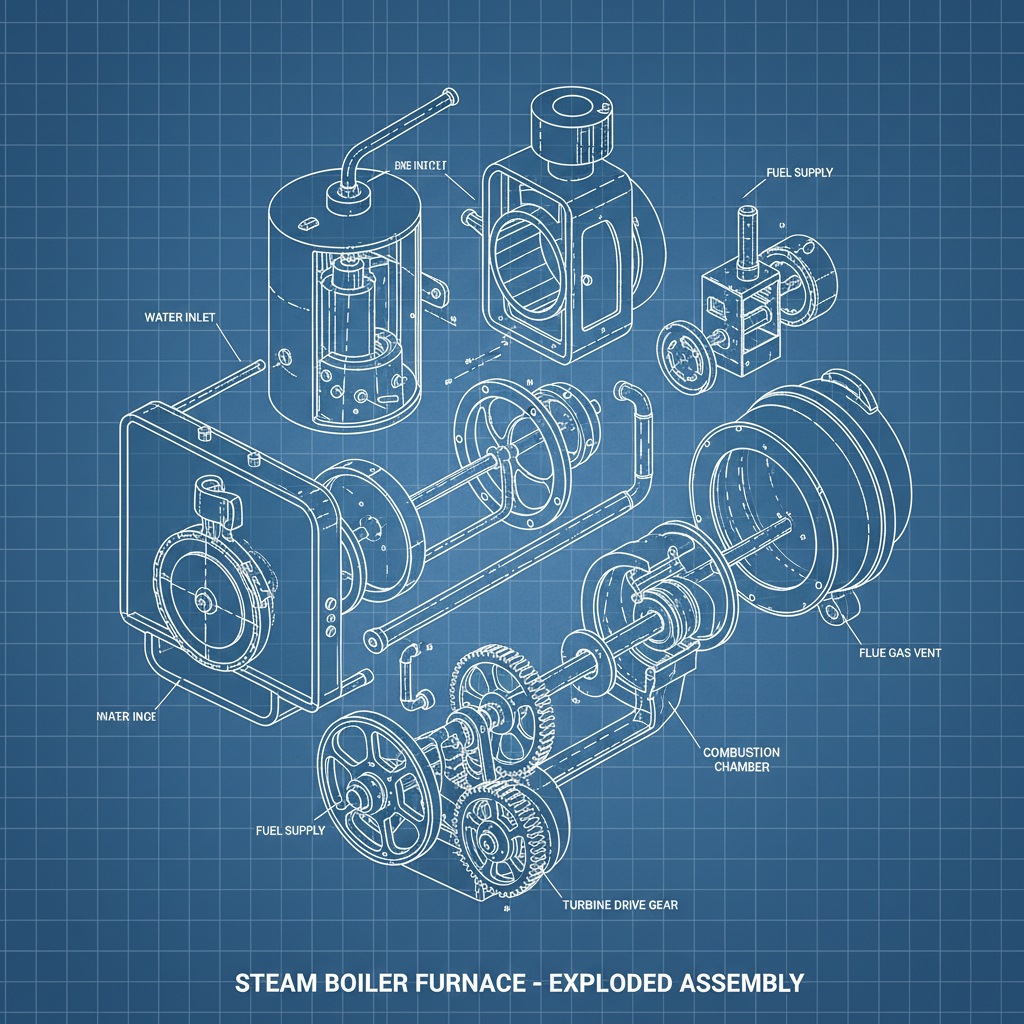
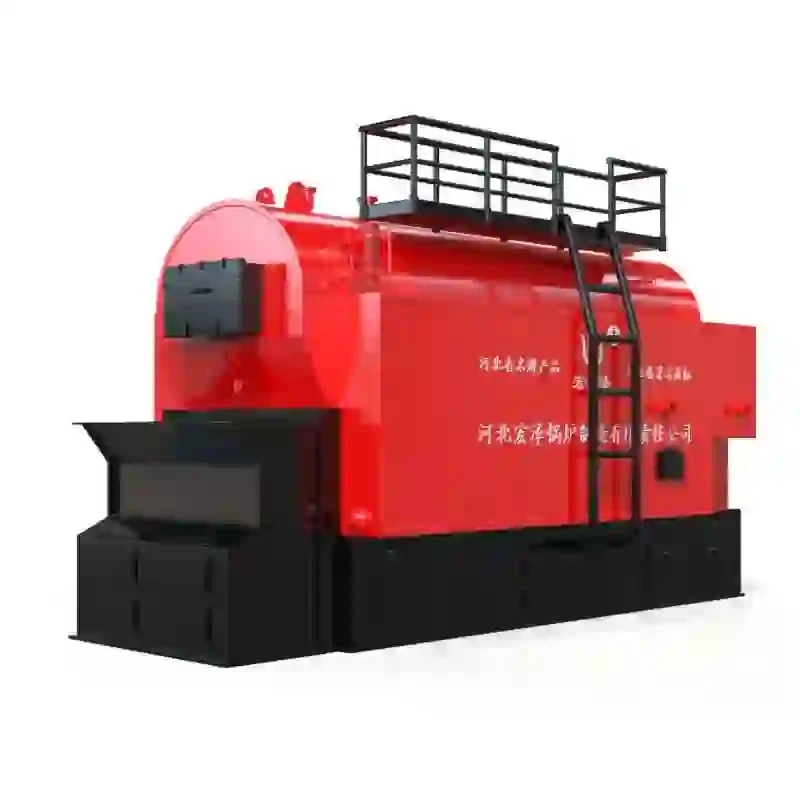
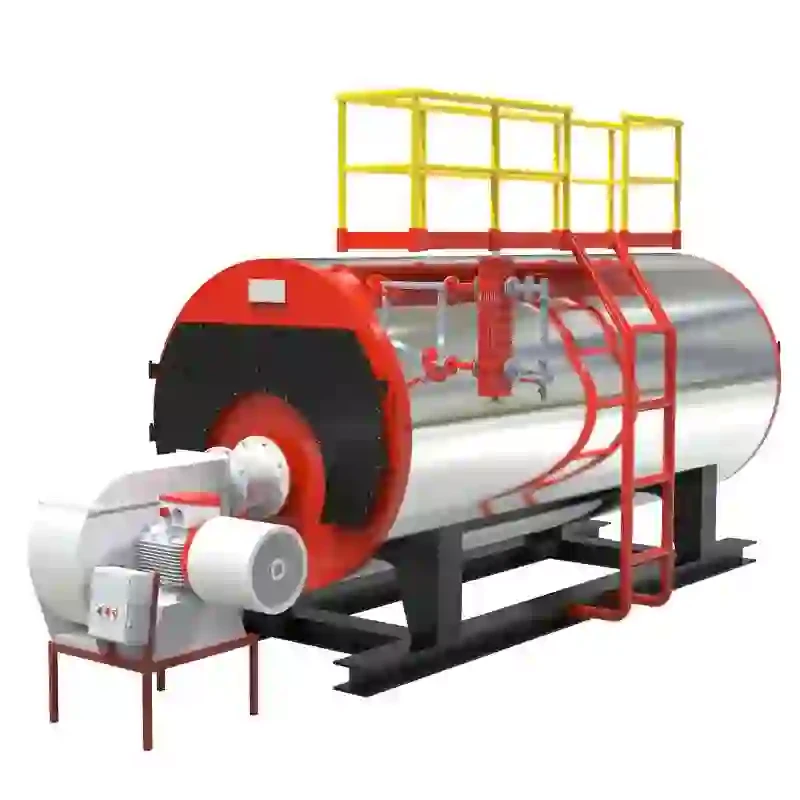
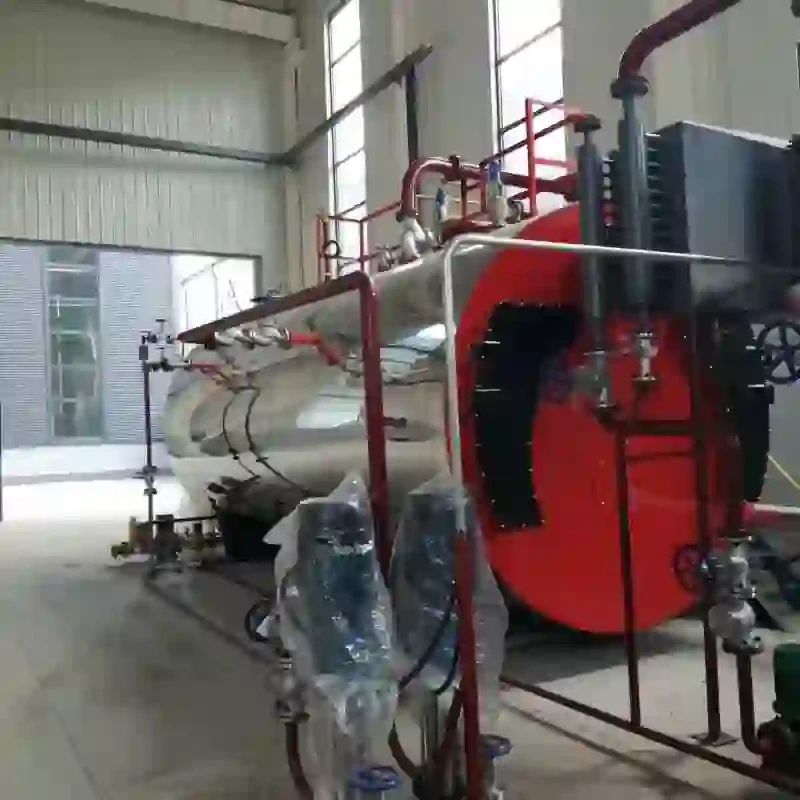
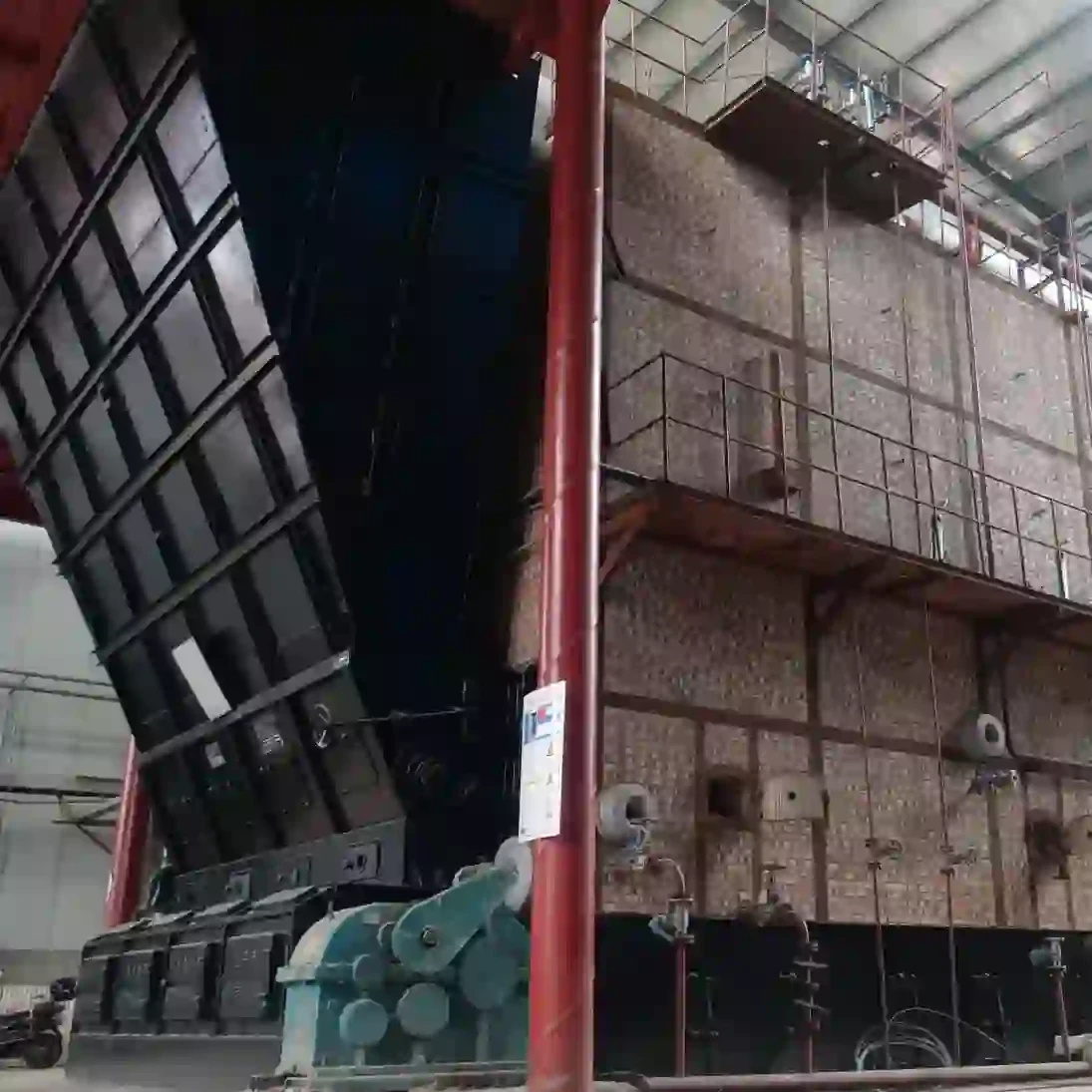
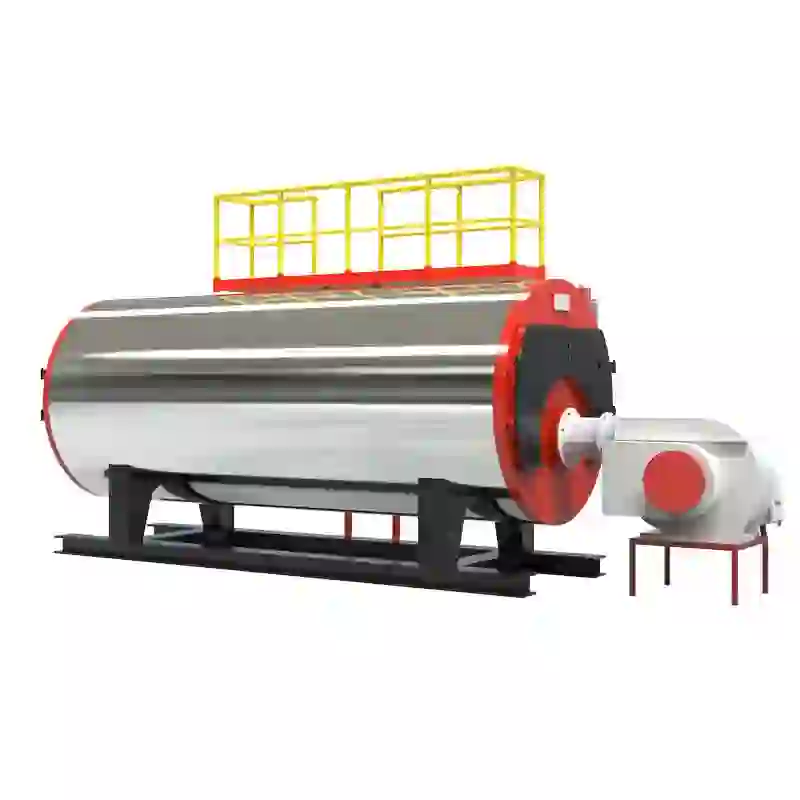
Steam boiler furnaces come in various designs, each suited for different fuel types and applications. Common types include fire-tube furnaces, water-tube furnaces, and packaged firebox boilers. Fire-tube furnaces are known for their simplicity and lower initial cost, making them ideal for smaller steam demands. Water-tube furnaces are preferred for higher-pressure, higher-capacity applications due to their superior heat transfer and safety characteristics. Packaged firebox boilers combine the furnace and boiler in a single, self-contained unit, offering ease of installation and operation. The choice of furnace type depends heavily on the specific steam requirements, fuel availability, and budget constraints.
Key Features of a Steam Boiler Furnace
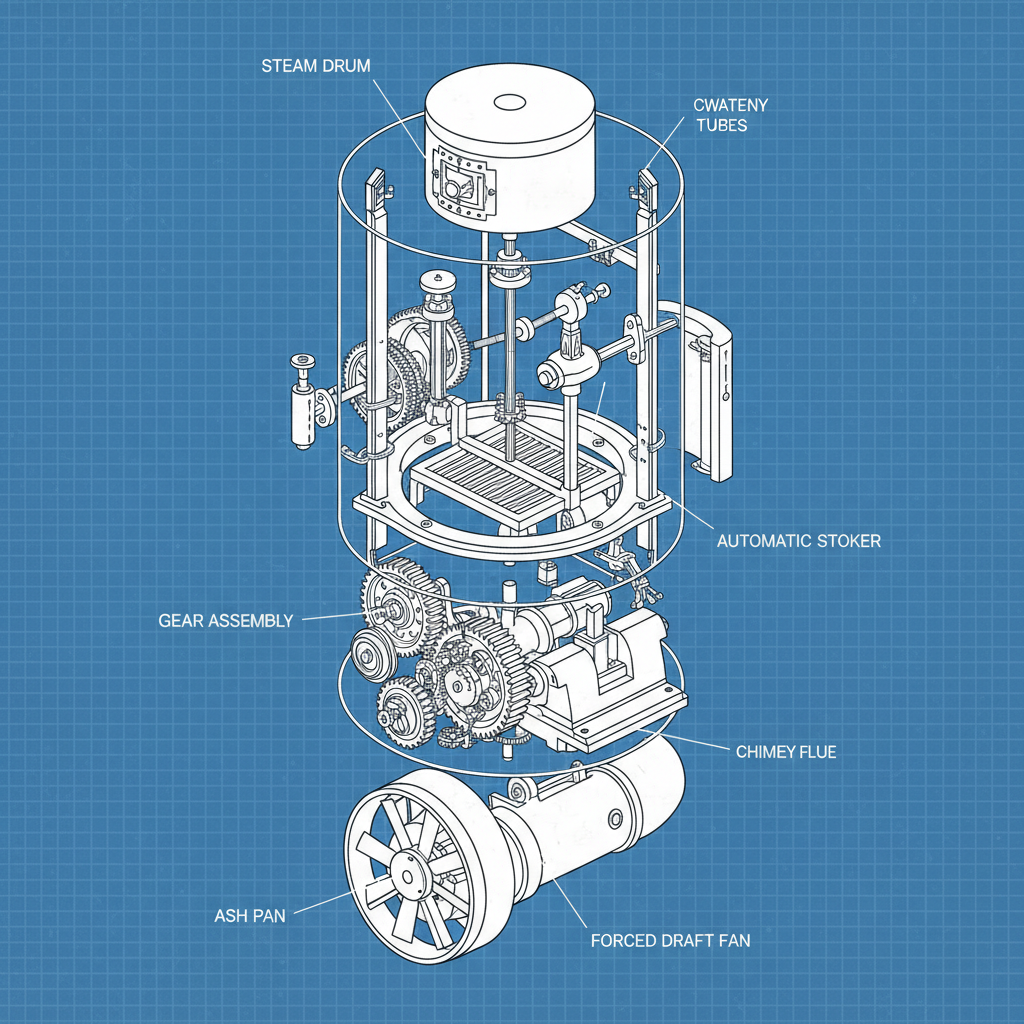
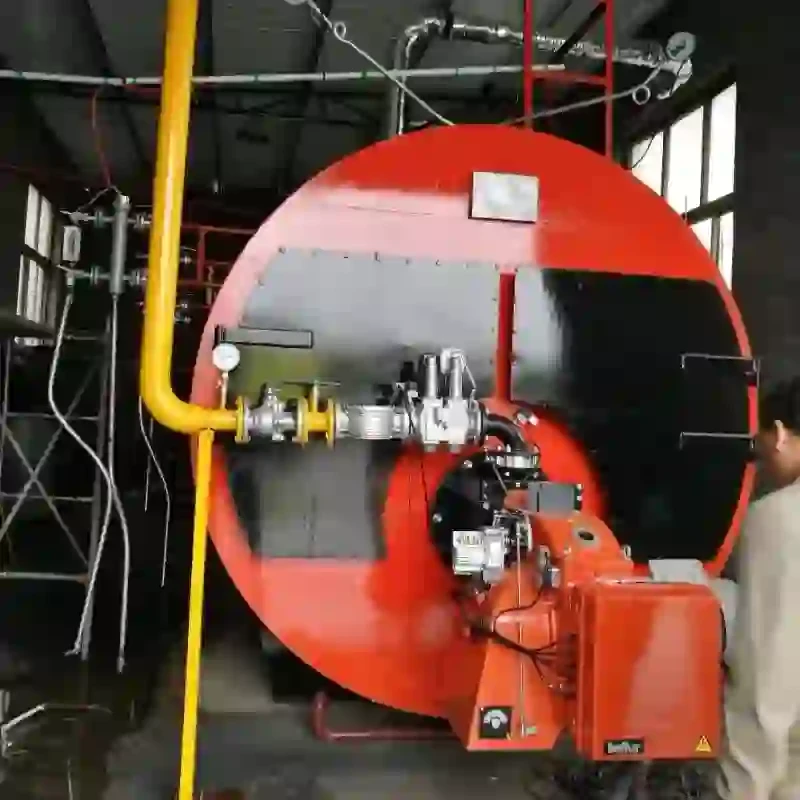
Several key features contribute to the efficiency and reliability of a steam boiler furnace. These include burner design, combustion control systems, heat transfer surfaces, and safety features. Advanced burner designs ensure complete combustion, minimizing fuel waste and emissions. Sophisticated combustion control systems optimize air-fuel ratios for maximum efficiency. Well-designed heat transfer surfaces maximize heat absorption from the combustion gases. Crucially, robust safety features, such as flame failure detection and overpressure protection, are essential for preventing accidents and ensuring safe operation. Regular maintenance and inspection of these features are critical for maintaining optimal performance.
Key Highlights: Robust safety features, such as flame failure detection and overpressure protection, are essential for preventing accidents and ensuring safe operation. Advanced burner designs ensure complete combustion, minimizing fuel waste and emissions.
Steam Boiler Furnace Applications
Steam boiler furnaces are used across a wide spectrum of industries. In power generation, they are integral to producing steam that drives turbines for electricity production. Manufacturing facilities rely on steam for process heating, sterilization, and cleaning. The food and beverage industry utilizes steam for cooking, pasteurization, and cleaning. Hospitals and institutions use steam for sterilization, heating, and hot water. Even in district heating systems, steam boiler furnaces provide a reliable source of heat for residential and commercial buildings. This versatile application range underscores the importance of selecting a furnace tailored to the specific demands of each industry.
Industry Applications:
• Power Generation
• Manufacturing
• Food and Beverage
• Hospitals and Institutions
Comparing Steam Boiler Furnace Types
Selecting the appropriate steam boiler furnace involves careful consideration of different types. The table below illustrates a comparison of common furnace types based on key parameters. Understanding these differences can help you determine which furnace best suits your operational needs. HZ Steam Boiler offers a wide selection of high-quality furnaces designed to meet diverse requirements.
Maintenance and Safety Considerations
Regular maintenance is crucial for ensuring the longevity and safe operation of a steam boiler furnace. This includes routine inspections of burners, heat transfer surfaces, and safety controls. Fuel lines should be checked for leaks, and combustion efficiency should be monitored. Proper water treatment is essential to prevent scale buildup and corrosion. Operators should be thoroughly trained in safe operating procedures and emergency shutdown procedures. Adhering to a regular maintenance schedule, as recommended by the manufacturer, will minimize downtime and maximize efficiency.
Conclusion
Selecting the right steam boiler furnace is a significant investment. By carefully considering your specific needs, understanding the different types available, and prioritizing regular maintenance, you can ensure efficient, safe, and reliable operation for years to come. Contact HZ Steam Boiler today to discuss your requirements and find the perfect furnace for your application.
Frequently Asked Questions (FAQs)
What is the typical lifespan of a steam boiler furnace?
The lifespan of a steam boiler furnace varies depending on factors such as operating conditions, maintenance practices, and the quality of the equipment. Generally, a well-maintained furnace can last between 20 and 30 years. However, regular inspections and timely repairs are essential for maximizing its lifespan. Corrosion, scale buildup, and component wear can all contribute to premature failure if not addressed promptly. Choosing a reputable manufacturer like HZ Steam Boiler can also contribute to a longer service life due to higher quality materials and construction.
What fuel types can be used in a steam boiler furnace?
Steam boiler furnaces are designed to operate on a variety of fuel types, including natural gas, oil, coal, and biomass. The choice of fuel depends on availability, cost, and environmental considerations. Natural gas is a popular choice due to its clean burning characteristics and relatively low emissions. Oil is another common option, particularly in areas where natural gas infrastructure is limited. Coal is still used in some applications, but it is increasingly being phased out due to environmental concerns. Biomass offers a renewable alternative, but it often requires specialized handling and storage facilities.
How often should a steam boiler furnace be inspected?
A steam boiler furnace should be inspected at least annually by a qualified technician. More frequent inspections may be required depending on the operating conditions and the furnace's age. Inspections should include a thorough examination of all components, including the burner, heat transfer surfaces, safety controls, and fuel lines. Regular inspections can identify potential problems before they lead to costly repairs or safety hazards. Adhering to a recommended inspection schedule is crucial for maintaining optimal performance and ensuring safe operation.
What safety features are essential in a steam boiler furnace?
Essential safety features in a steam boiler furnace include flame failure detection, overpressure protection, low water cutoff, and automatic shutdown systems. Flame failure detection ensures that the fuel supply is automatically shut off if the flame is extinguished, preventing the buildup of unburned fuel. Overpressure protection prevents the boiler from exceeding its maximum allowable pressure. Low water cutoff protects the furnace from damage due to overheating if the water level drops too low. Automatic shutdown systems provide a fail-safe mechanism to shut down the furnace in the event of a critical malfunction.
-
Industrial Natural Gas Steam Boiler High Efficiency System Guide
NewsApr.16,2026
-
Maximize Industrial Productivity with High Efficiency Gas Steam Boiler
NewsApr.09,2026
-
Comprehensive Guide to Industrial Steam Heater Systems and Applications
NewsApr.07,2026
-
Comprehensive Guide to Low Pressure Steam Boilers and Their Applications
NewsApr.04,2026
-
Understanding High Pressure Steam Boiler Technology and Industrial Applications
NewsMar.31,2026
-
Comprehensive Guide to High Efficiency Steam Boiler Systems and Applications
NewsMar.28,2026


 English
  Arabic
  Bengali
  French
  German
  Hindi
Hindi  Indonesian
  Kazakh
  Khmer
Khmer  Korean
  Kyrgyz
  Lao
Lao  Latin
Latin  Mongolian
  Nepali
  Russian
  Turkish
  Turkmen
  Uzbek
Uzbek 


