




Sep . 13, 2024 03:54 Back to list
steam boiler condensate recovery system
Steam Boiler Condensate Recovery System Enhancing Efficiency and Sustainability
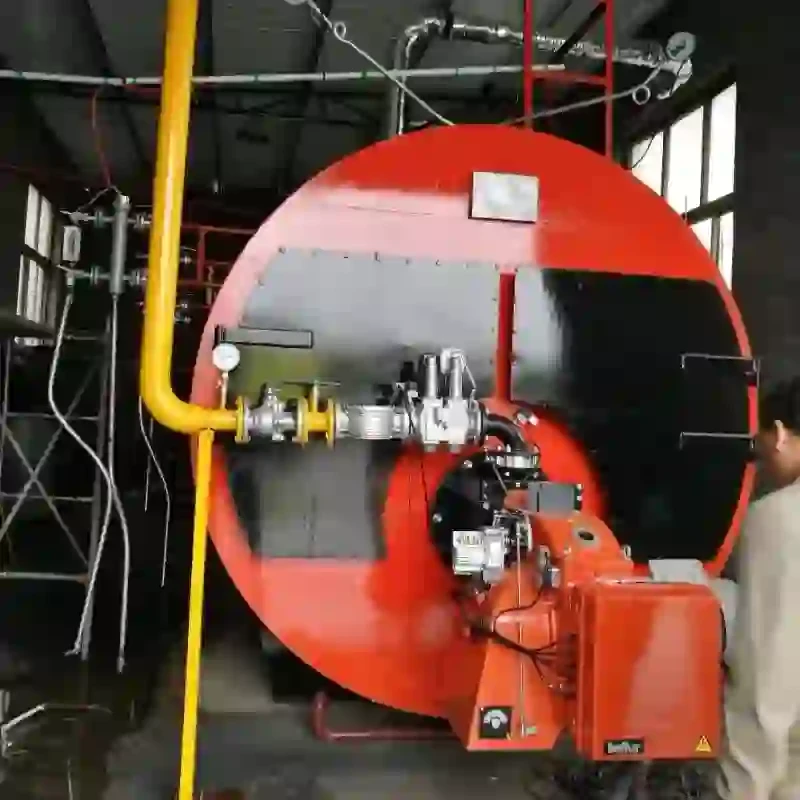
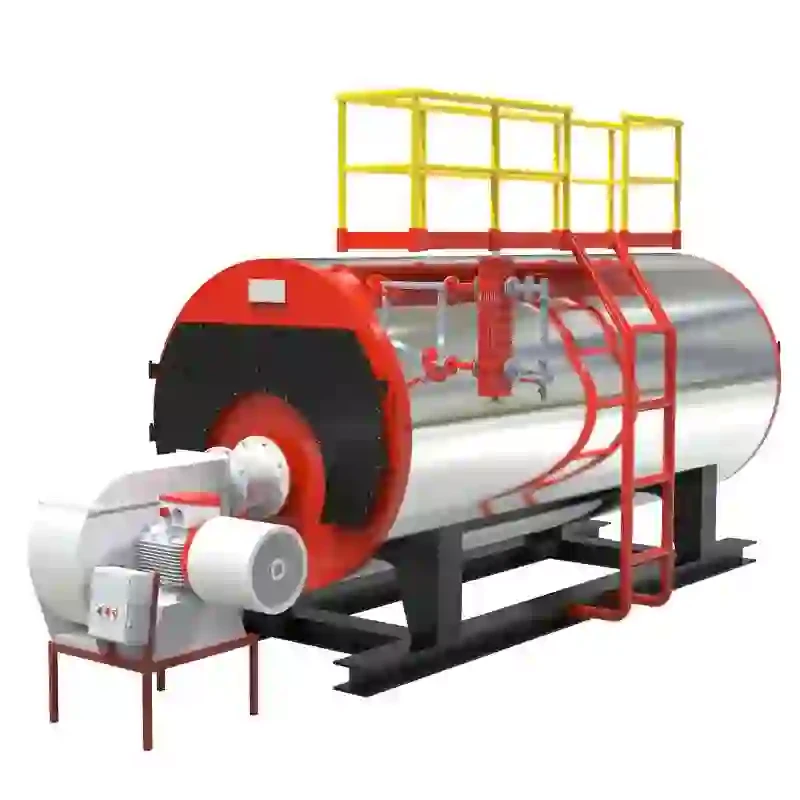
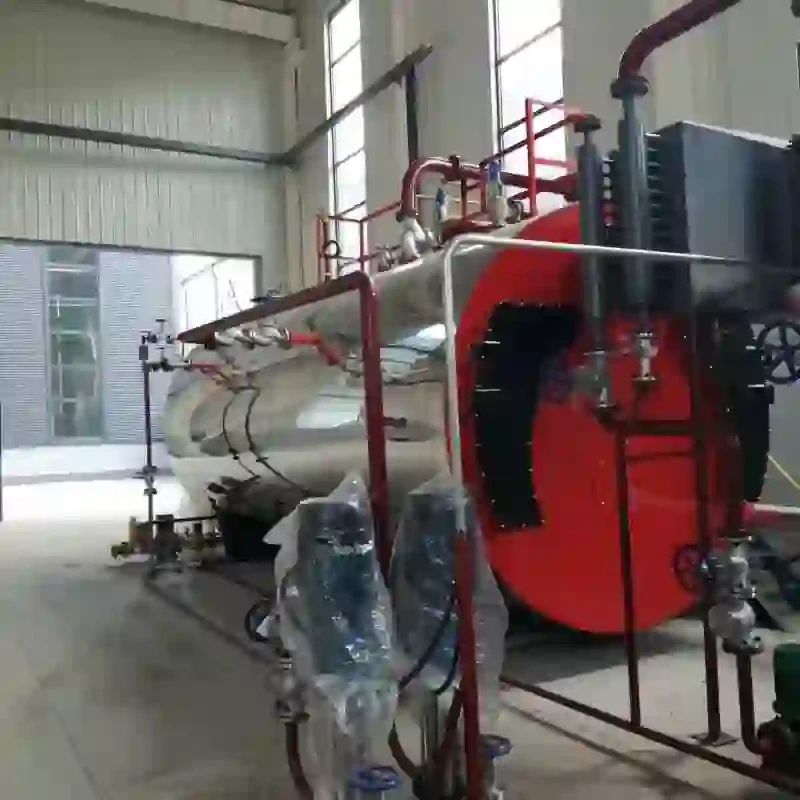
In industrial applications, steam boilers play a pivotal role in generating steam for various processes, from heating to power generation. However, the effective management of the steam generation process is crucial not only for operational efficiency but also for sustainability. One of the key components of steam boiler systems is the condensate recovery system, which focuses on reclaiming and reusing condensate to maximize resource efficiency.
Condensate is the water formed when steam cools and turns back into liquid. In traditional boiler systems, this valuable resource is often wasted, leading to increased energy costs and a higher demand for fresh water. Implementing a condensate recovery system can significantly mitigate these losses by capturing and recycling condensate back into the boiler feedwater supply.
The benefits of a steam boiler condensate recovery system are manifold. First and foremost, it enhances energy efficiency. By reclaiming heat from the condensate, the system reduces the amount of energy required to convert water into steam. This not only lowers fuel consumption but also decreases greenhouse gas emissions, making the operation more environmentally friendly. In fact, recovering condensate can reduce overall energy costs by up to 20%, depending on the system's configuration and efficiency.
steam boiler condensate recovery system
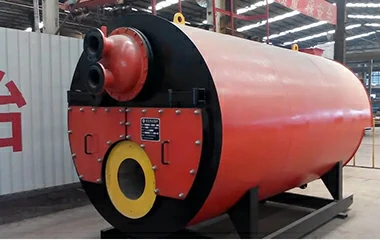
In addition to energy savings, condensate recovery systems contribute to water conservation. Water is a precious resource, and many industries face increasing regulations and costs associated with its use. By reusing condensate, companies can significantly reduce their freshwater intake, thereby conserving this vital resource and minimizing wastewater disposal issues.
Moreover, a well-designed condensate recovery system can improve the longevity of the boiler and its components. By minimizing the occurrence of corrosive elements found in untreated water, the system helps maintain optimal conditions within the boiler, reducing maintenance requirements and extending equipment lifespan.
Implementing a condensate recovery system involves several key components, including condensate return lines, heat exchangers, and control systems. These components work together to ensure that condensate is efficiently captured, transported, and reintroduced into the boiler. The design and installation of such systems should be carried out by professionals who can assess the specific needs of the facility and provide tailored solutions.
In conclusion, a steam boiler condensate recovery system is an essential investment for industries looking to enhance operational efficiency, reduce costs, and promote sustainability. By reclaiming and reusing valuable condensate, organizations can lower energy consumption, save freshwater resources, and minimize environmental impact. For those seeking long-term benefits and improvements in their steam systems, adopting a condensate recovery strategy is not just an option; it is a necessity in today's resource-conscious landscape.
-
Hot Water Boiler Working Principle Explained: Efficiency, Applications, and Innovations
NewsDec.03,2025
-
Hot Water Boiler Design: Global Insights, Innovations, and Applications
NewsDec.03,2025
-
Understanding Hot Water Heat Boiler Replacement Cost: Factors, Benefits & Trends
NewsDec.03,2025
-
1 Million BTU Steam Boiler - Efficient Steam Solutions for Industry
NewsDec.02,2025
-
250 000 BTU Steam Boiler: Comprehensive Guide to Industrial Steam Power
NewsDec.02,2025
-
What You Need to Know About the 300 000 BTU Steam Boiler: Efficiency & Applications
NewsDec.02,2025


 English
  Arabic
  Bengali
  French
  German
  Hindi
Hindi  Indonesian
  Kazakh
  Khmer
Khmer  Korean
  Kyrgyz
  Lao
Lao  Latin
Latin  Mongolian
  Nepali
  Russian
  Turkish
  Turkmen
  Uzbek
Uzbek 


