




Dec . 03, 2025 13:22 Back to list
Coal Fired Hot Water Heater: Global Uses, Benefits, and Future Trends
Understanding the Coal Fired Hot Water Heater: A Global Perspective
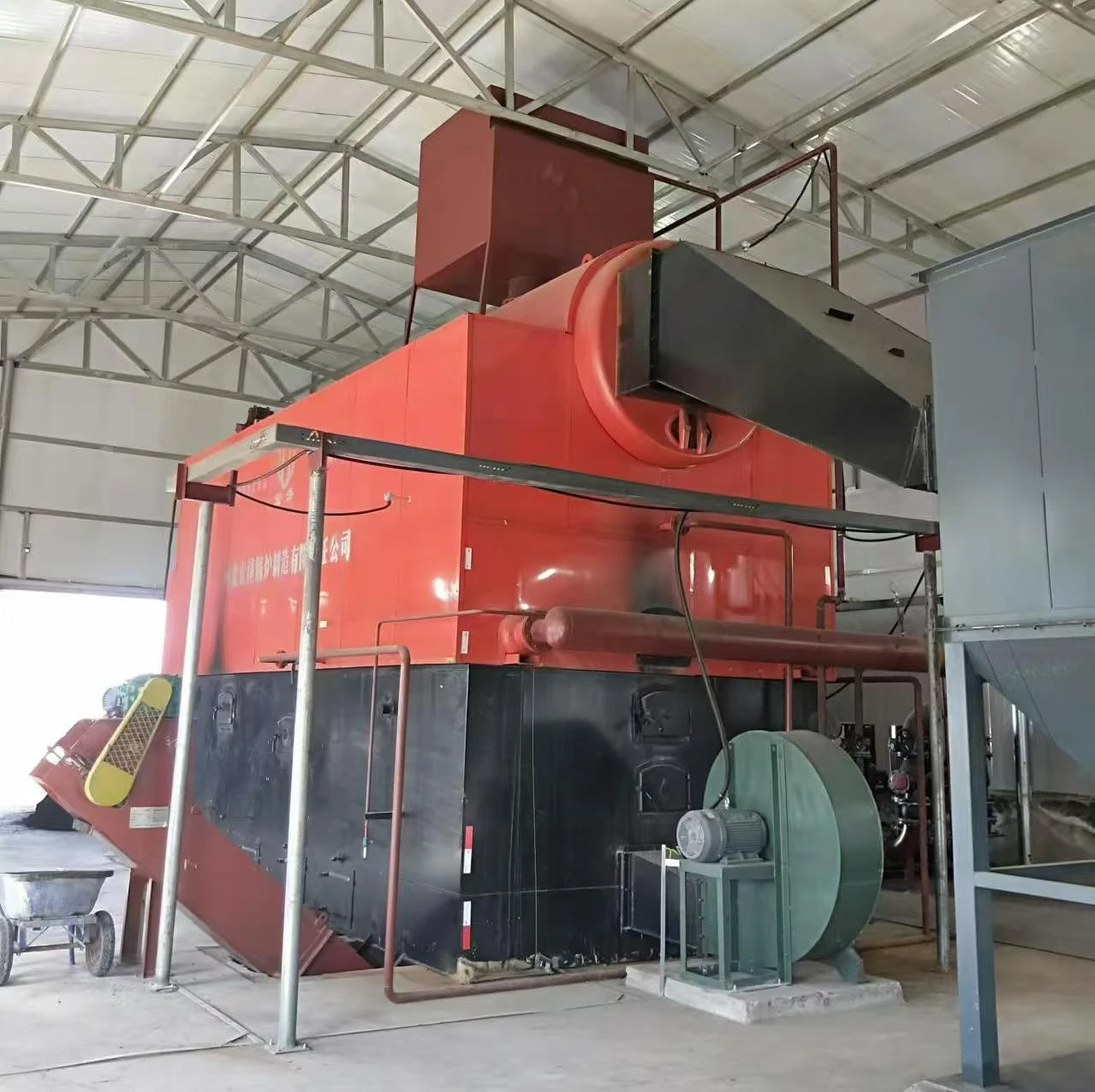
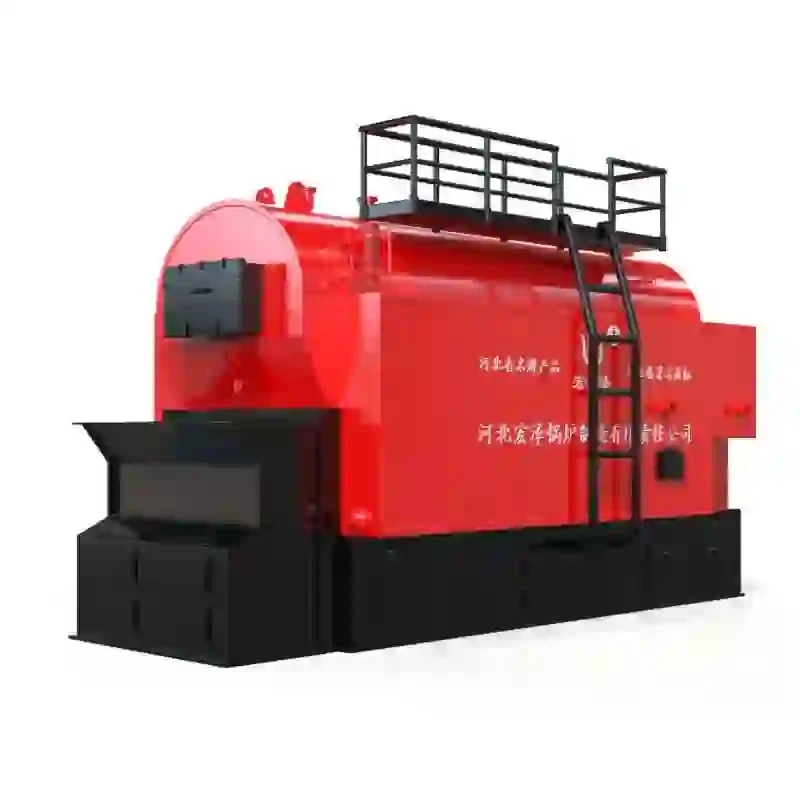
Coal fired hot water heaters might not be the flashiest topic in the energy world, but they quietly hold a vital place across many industries and regions worldwide. In essence, these systems rely on coal as their primary fuel source to heat water for a variety of commercial, industrial, and community needs. Why does this matter beyond the technical details? Because coal fired hot water heaters often serve areas where electricity or cleaner fuels are not consistently available, powering everything from heating large buildings to supporting local manufacturing processes. Plus, the more you understand them — their benefits, challenges, and future — the more you appreciate their ongoing global importance in energy and infrastructure discussions.
Introduction: Coal Fired Hot Water Heaters in the Global Energy Landscape
Coal remains one of the world’s most abundant fossil fuels, especially in countries like China, India, and parts of Eastern Europe. According to the International Energy Agency (IEA), coal still accounts for roughly 36% of global electricity generation. While many nations push toward renewables, coal-fired equipment — including hot water heaters — still play an essential role in heating applications, especially in industrial zones or remote areas where alternatives are either too costly or unreliable.
However, coal-fired hot water heaters face a distinct challenge: their environmental footprint. Efforts to reduce greenhouse gases and particulate pollution have increased scrutiny on coal combustion systems. That said, improving efficiency and adapting cleaner designs offers promising ways to keep these heaters relevant. So the central question is: how do these devices fit in a world aiming for sustainability yet dependent on reliable heat sources today?
What Is a Coal Fired Hot Water Heater?
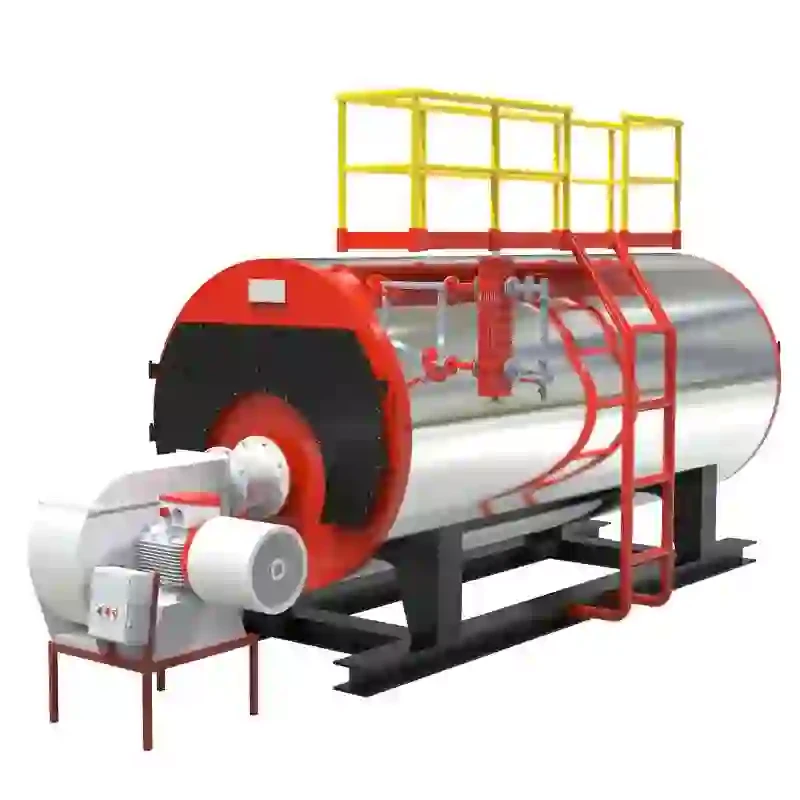
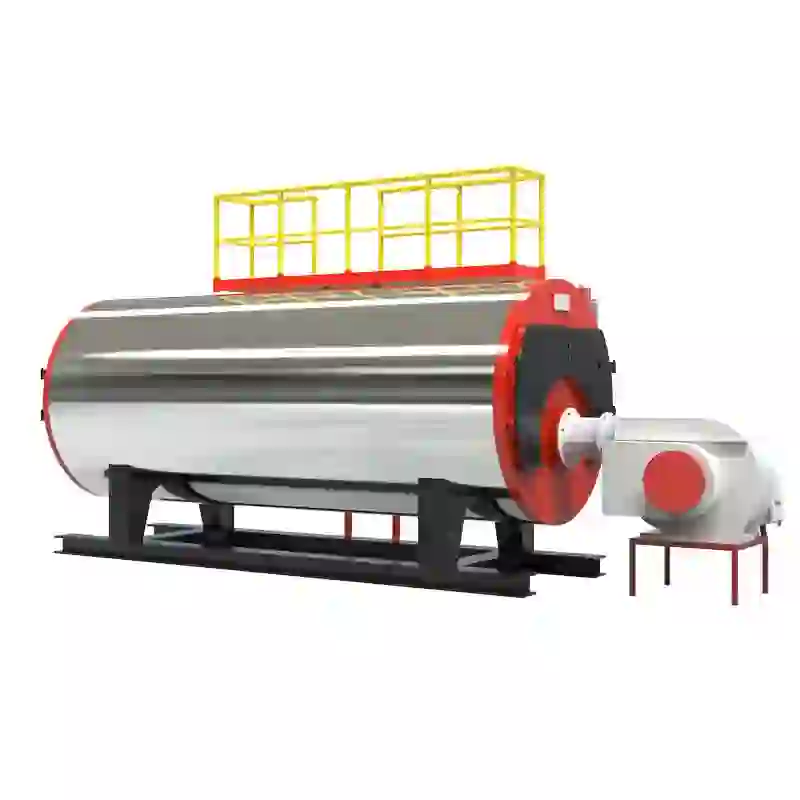
Simply put, a coal fired hot water heater is a system that burns coal to generate heat, which is then transferred to water—raising its temperature for heating, processing, or sanitary uses. Unlike electric or gas heaters, these systems rely on solid fuel. This can range from pulverized coal to briquettes. The heated water is often circulated through pipes or stored in tanks for immediate or later use.
These heaters are practical workhorses in sectors that demand large volumes of hot water or steam, such as textile mills, food processing plants, or even public bathhouses — especially where electrical infrastructure is underdeveloped or too fragile. Furthermore, they sometimes serve humanitarian needs, like supplying scalable, off-grid hot water solutions in disaster-affected areas.
Key Components & Features of Coal Fired Hot Water Heaters
1. Durability and Construction
These heaters are built tough. The furnace and boiler materials must withstand high temperatures and corrosive conditions over extended periods. That means thick steel gauges, corrosion-resistant linings, and robust welding—all designed for reliability under continuous use.
2. Scalability and Capacity
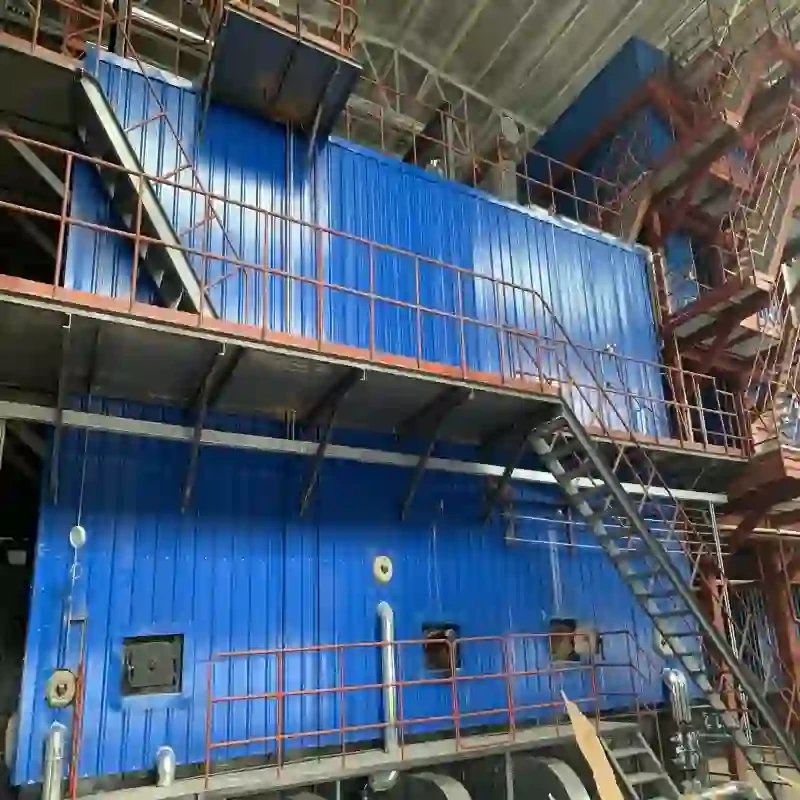
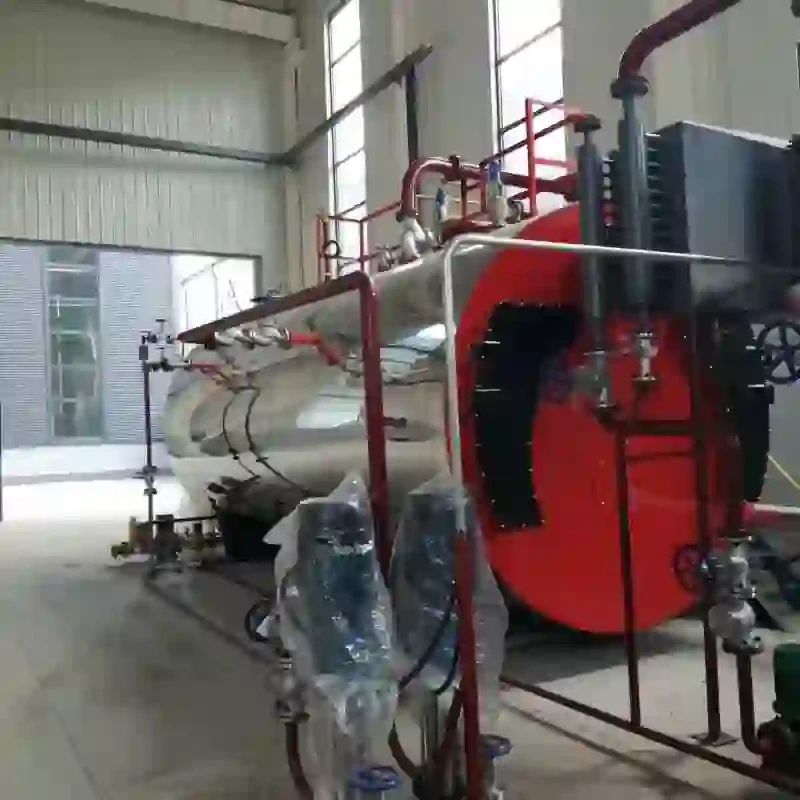
From small boilers heating a rural community’s water supply to large industrial units generating thousands of liters per hour, capacity varies widely. Systems can be tailored to specific heating needs, which makes them versatile but also requires careful planning.
3. Fuel Efficiency and Combustion Control
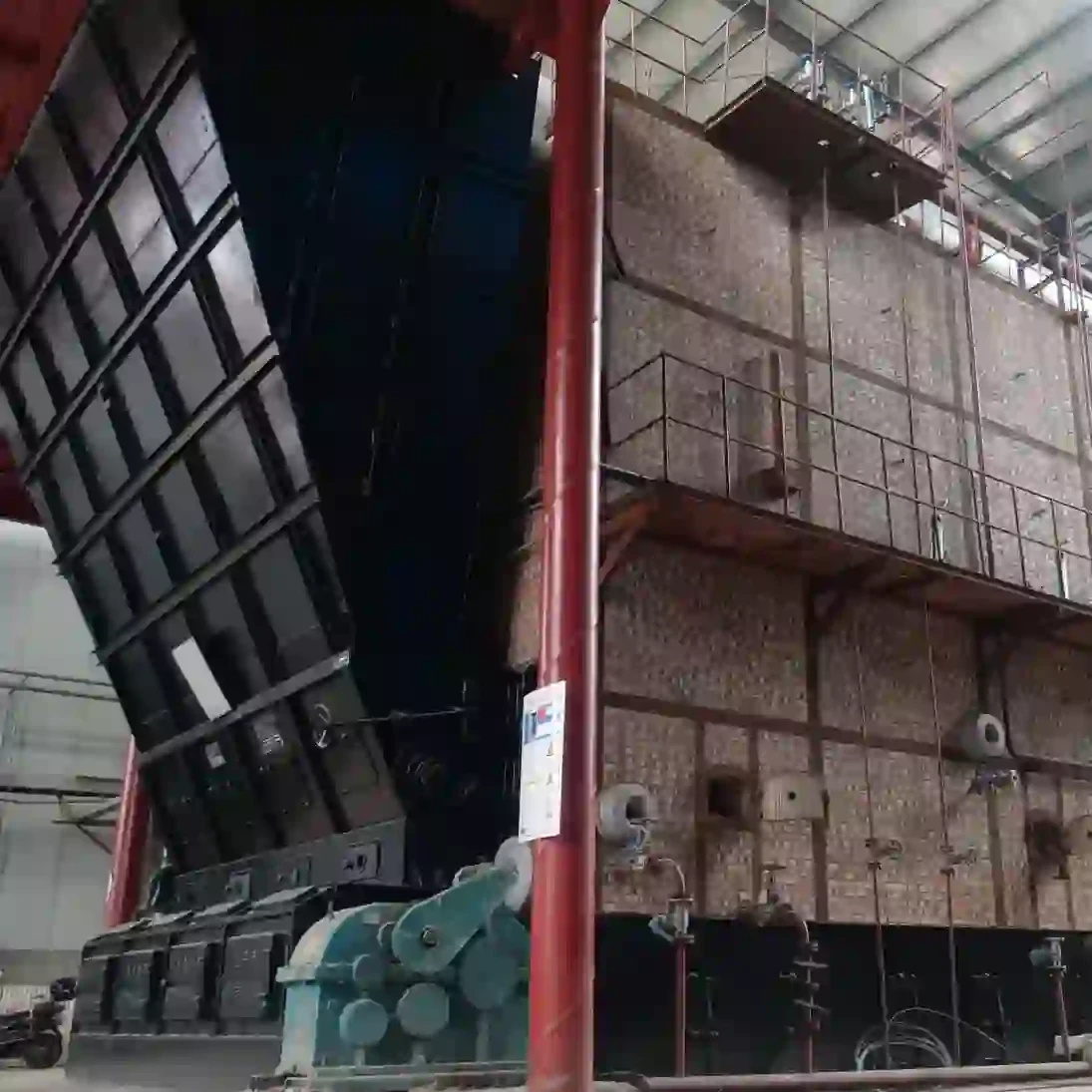
Modern coal fired hot water heaters incorporate features like adjustable air supply, automated feeding systems, and optimized combustion chambers. These improve fuel usage and reduce harmful emissions, which is critical when coal remains the core energy source.
4. Control Systems and Safety
Many units now include digital temperature controls, pressure sensors, and emergency shutdown features to protect operators and maintain consistent water output.
5. Maintenance and Operational Simplicity
Though they require regular cleaning and ash removal, most units are designed for ease of maintenance. This is crucial in places where technical expertise may be limited.
Typical Specifications of a Coal Fired Hot Water Heater
| Specification | Typical Range |
|---|---|
| Heat Output | 200 kW – 3000 kW |
| Water Capacity | 500 – 10,000 liters |
| Fuel Consumption | 100 – 1500 kg/hr (coal) |
| Operating Pressure | 0.5 – 2.5 MPa |
| Efficiency | 75% – 85% |
Global Applications and Real-World Use Cases
Industries and regions that rely on coal fired hot water heaters tend to be those where alternative fuels are either scarce or expensive. In central Asia and parts of China, for example, coal-fired hot water heaters provide reliable heat for large factories and residential districts alike, easing dependence on electric grids that might falter under harsh winters.
Post-disaster relief is another surprising arena. In places hit by earthquakes or floods, temporary hot water solutions are vital for hygiene and medical care. NGOs sometimes deploy mobile coal fired hot water heaters because they can run off local coal supplies, reducing logistical complexity compared to transporting fuel oil or gas.
Remote industrial zones, like mining camps, often have onsite coal-fired systems since they combine robustness with lower operational costs compared to diesel or LPG heaters. It feels like these heaters quietly make modern life possible in some less obvious corners of the world.
Vendor Comparison: Coal Fired Hot Water Heaters
| Feature | Vendor A | Vendor B | Vendor C |
|---|---|---|---|
| Max Output (kW) | 2500 | 3000 | 2200 |
| Efficiency (%) | 80 | 85 | 75 |
| Automated Controls | Yes | Partial | No |
| Price (USD) | $35,000 | $40,000 | $32,000 |
| After-Sales Support | Global | Regional | Local |
Advantages & Long-Term Value of Coal Fired Hot Water Heaters
The clear advantage is cost: coal is relatively cheap and widely available in many countries compared to oil or electricity. Plus, these systems have a long service life and can operate independent of grid fluctuations, which means fewer outages and disruptions in places that count on heat for comfort or industrial processes.
On the social side, coal fired hot water heaters help provide dignity and safety. Where hot water isn’t always guaranteed, access means hygiene — and in places battling cold climates, warmth can quite literally save lives.
Looking Ahead: Future Trends & Innovations
While coal-based technologies aren’t the obvious choice in today’s green push, they’re evolving. Innovations include enhanced combustion efficiency, integration with biomass cofiring to reduce emissions, and real-time digital controls to optimize fuel use and safety. Automation and cleaner emission filters promise to make them less polluting.
There’s also movement to hybridize these heaters with solar thermal systems — a kind of best-of-both-worlds approach — helping them remain relevant in a gradually transitioning energy market.
Challenges & Potential Solutions
Of course, coal fired hot water heaters aren’t flawless. Emissions of CO2 and particulates raise environmental concerns. Ash disposal and coal handling add operational complexity and sometimes health risks if not managed properly.
Experts suggest rigorous maintenance schedules, upgraded filtration systems, and cleaner coal sources as practical ways forward. Combining these with government-backed emission standards and subsidies for upgrading makes a real difference, too.
Frequently Asked Questions About Coal Fired Hot Water Heaters
- Q: How efficient are coal fired hot water heaters compared to electric models?
A: Typically, modern coal fired hot water heaters range between 75% and 85% efficiency, which is quite competitive. However, electric heaters often have less fuel loss but depend on grid reliability and electricity costs, which can be high in some regions. - Q: Can coal fired hot water heaters be used in residential buildings?
A: Mostly, these heaters suit commercial or industrial applications due to size and emissions. However, smaller-scale units can serve rural communities with proper ventilation and safety systems. - Q: What maintenance is required for these heaters?
A: Regular ash removal, inspection of combustion chambers, cleaning heat exchanger surfaces, and monitoring fuel quality are necessary to ensure efficiency and safety. - Q: Are coal fired water heaters environmentally friendly?
A: They are less environmentally friendly than renewable alternatives. Still, with advanced combustion technology and emission controls, their impact can be mitigated, especially where alternatives are limited. - Q: Where can I buy a reliable coal fired hot water heater?
A: Trusted vendors often operate regionally or globally. Identifying one depends on your capacity needs and after-sales support. Visit our website for vetted options and expert guidance.
Conclusion
Coal fired hot water heaters may seem “old school”, yet they provide indispensable heat and hot water solutions in many corners of the world. From affordability and durability to adaptability in harsh conditions, their value remains relevant — even as innovation strives to improve their efficiency and environmental footprint. If you are exploring dependable heating solutions or want to learn more about coal fired hot water heaters, don’t hesitate to visit our website and connect with experts.
It’s fascinating how something as old as coal combustion continues to sustain modern needs — a reminder that progress is often about evolution, not replacement.
References
-
Industrial Natural Gas Steam Boiler High Efficiency System Guide
NewsApr.16,2026
-
Maximize Industrial Productivity with High Efficiency Gas Steam Boiler
NewsApr.09,2026
-
Comprehensive Guide to Industrial Steam Heater Systems and Applications
NewsApr.07,2026
-
Comprehensive Guide to Low Pressure Steam Boilers and Their Applications
NewsApr.04,2026
-
Understanding High Pressure Steam Boiler Technology and Industrial Applications
NewsMar.31,2026
-
Comprehensive Guide to High Efficiency Steam Boiler Systems and Applications
NewsMar.28,2026


 English
  Arabic
  Bengali
  French
  German
  Hindi
Hindi  Indonesian
  Kazakh
  Khmer
Khmer  Korean
  Kyrgyz
  Lao
Lao  Latin
Latin  Mongolian
  Nepali
  Russian
  Turkish
  Turkmen
  Uzbek
Uzbek 


