




Feb . 27, 2026 02:05 Back to list
Comprehensive Guide to Coal Fired Model Steam Boilers for Industrial Applications
Understanding Coal Fired Model Steam Boilers
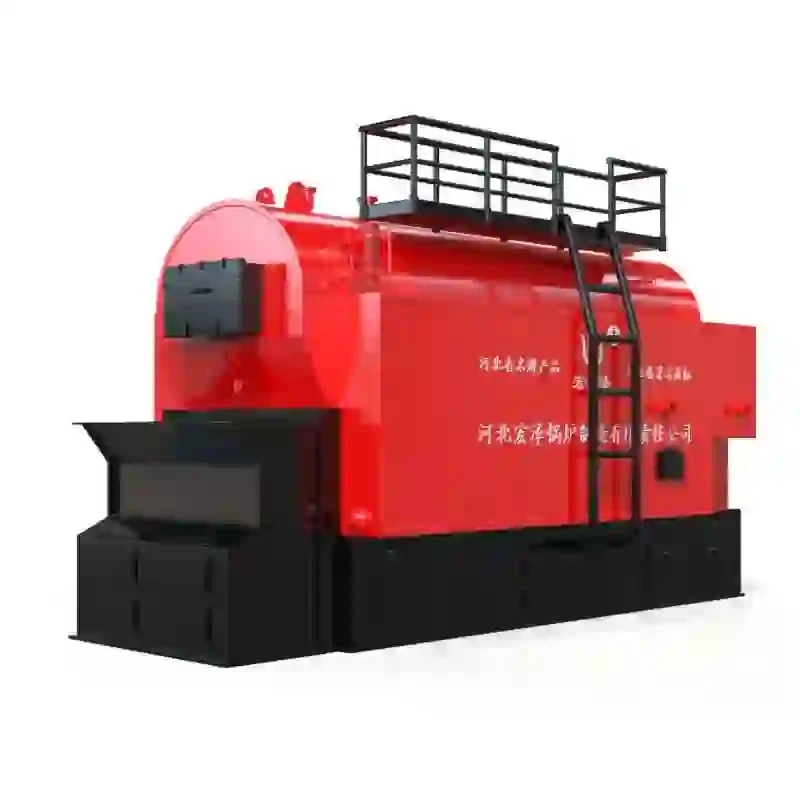
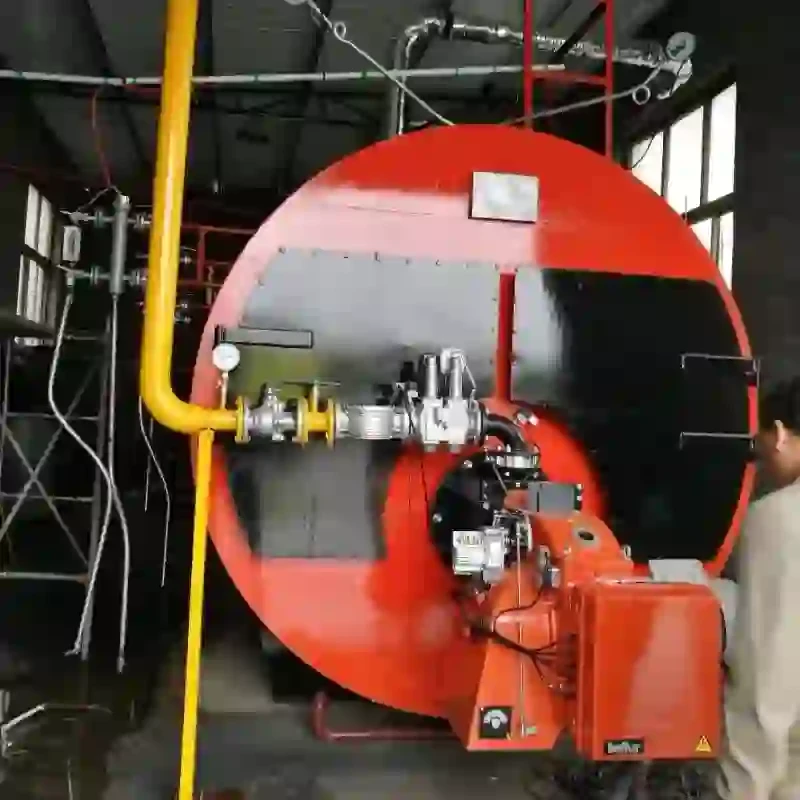
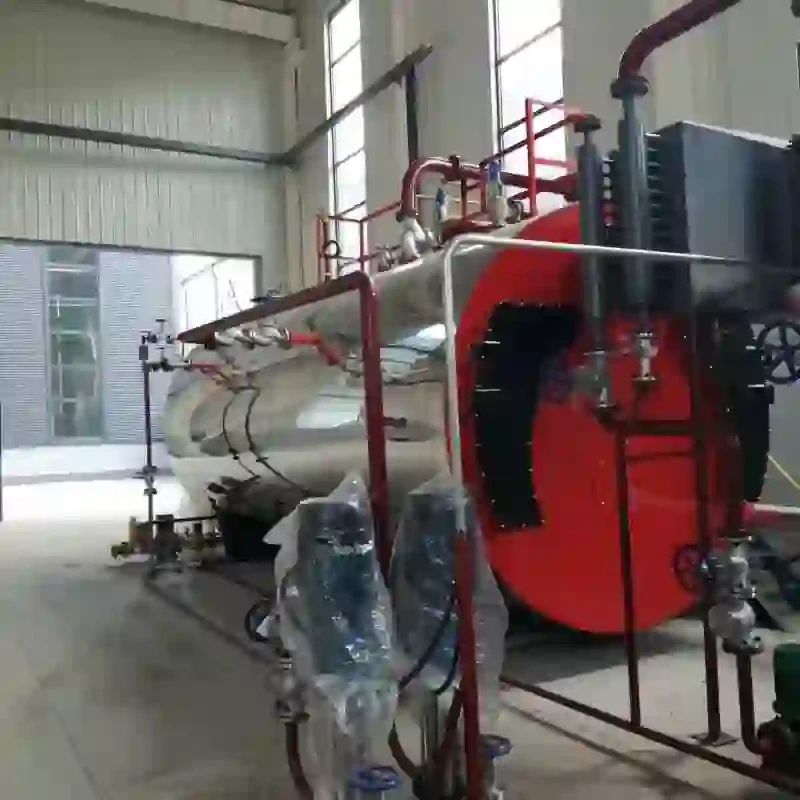
Coal fired model steam boilers represent a classic and reliable power generation solution, still widely utilized across various industries globally. These boilers convert the chemical energy stored in coal into thermal energy to produce steam, which then drives turbines for electricity generation, provides process heat, or powers mechanical equipment. This article delves into the intricacies of coal fired model steam boilers, covering their operation, types, advantages, applications, and key considerations for selection and maintenance. Ensuring optimal performance and efficiency is paramount when implementing this technology.
How Coal Fired Steam Boilers Operate
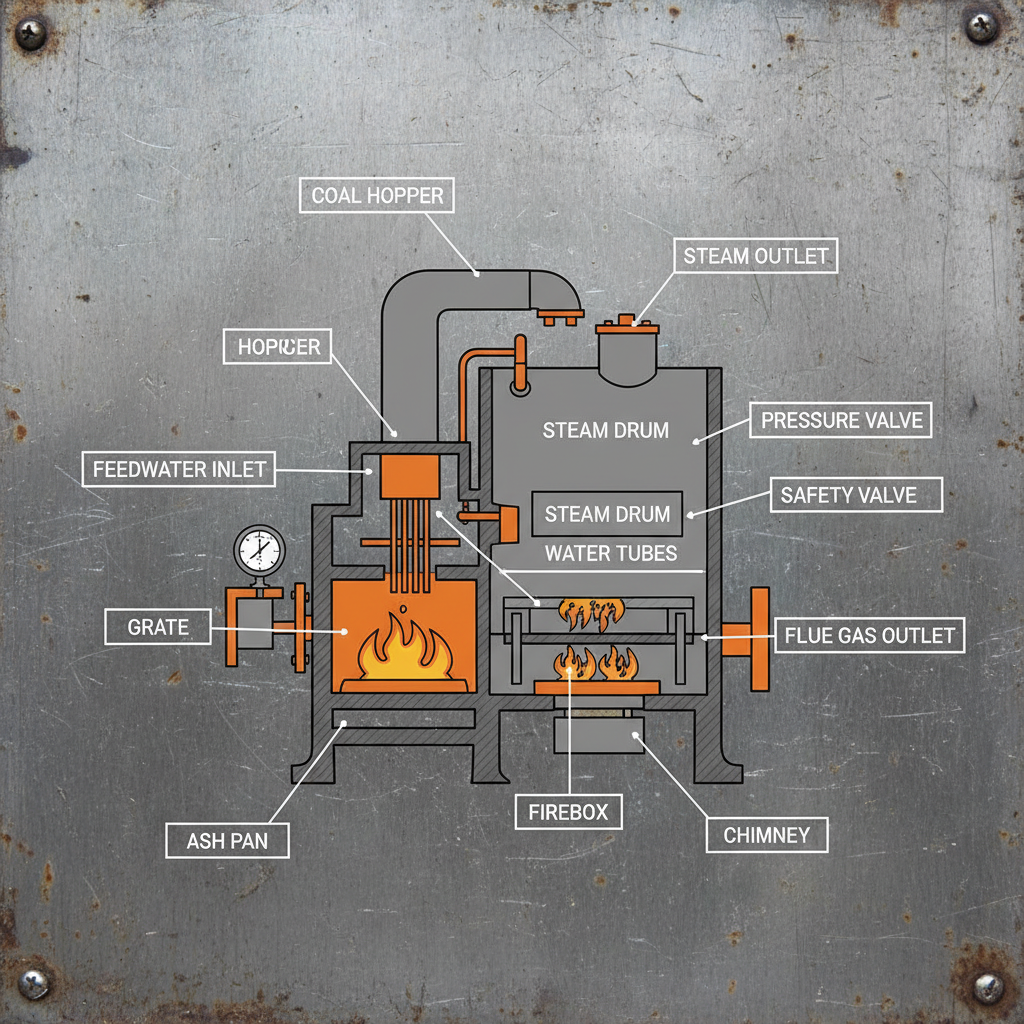
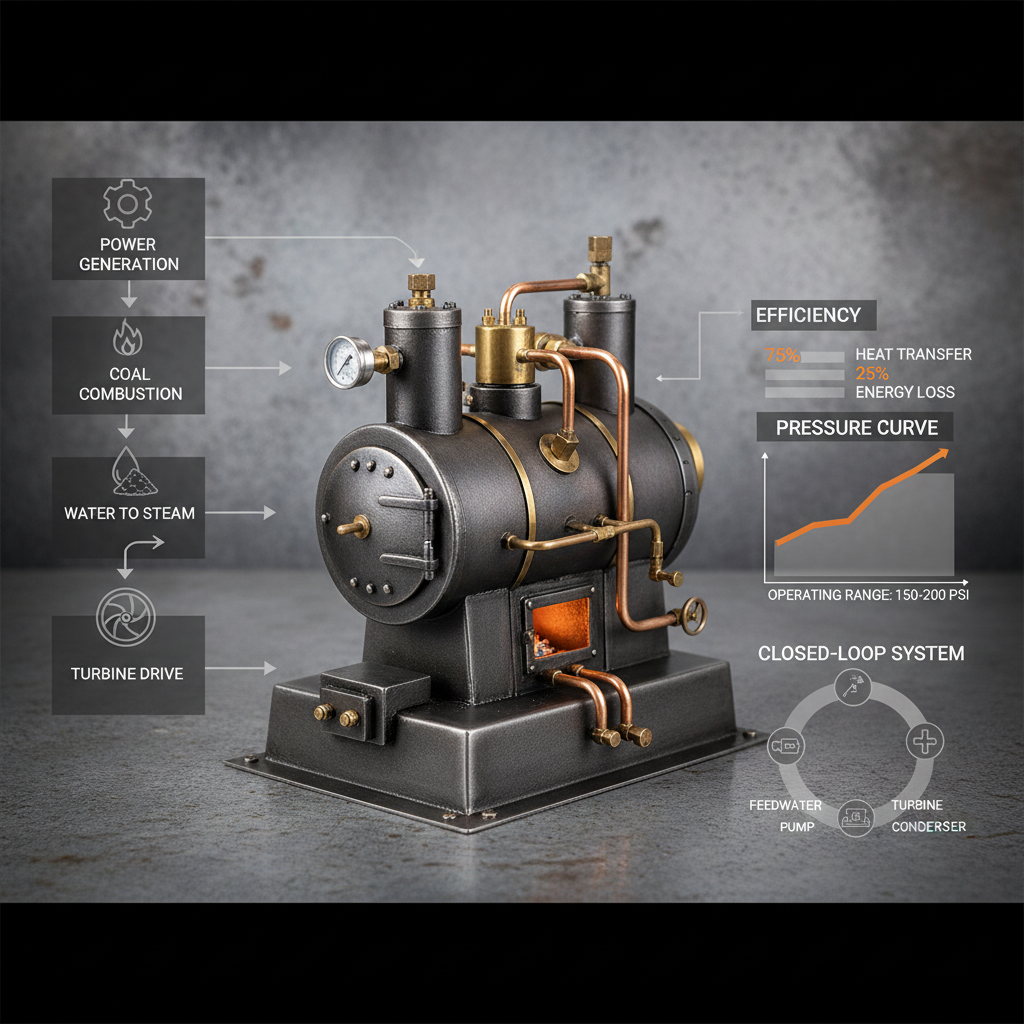
The fundamental principle behind these boilers is relatively straightforward. Coal is fed into a combustion chamber where it’s burned. This combustion generates hot gases, which are then directed over a network of tubes containing water. The heat transfer boils the water, producing high-pressure steam. This steam is then channeled to drive steam turbines for electricity production, or used directly for heating and other industrial processes. Key components include the furnace, boiler drum, water tubes, superheater, economizer, and various control systems. The efficiency of the boiler relies heavily on the complete combustion of coal and effective heat transfer to the water.
Key Principles: Efficient combustion, maximized heat transfer, robust materials for high-pressure and temperature operation, and reliable control systems are essential for optimized performance.
Types of Coal Fired Model Steam Boilers
Several types of coal fired steam boilers are available, each suited to different applications and operational needs. Common configurations include:
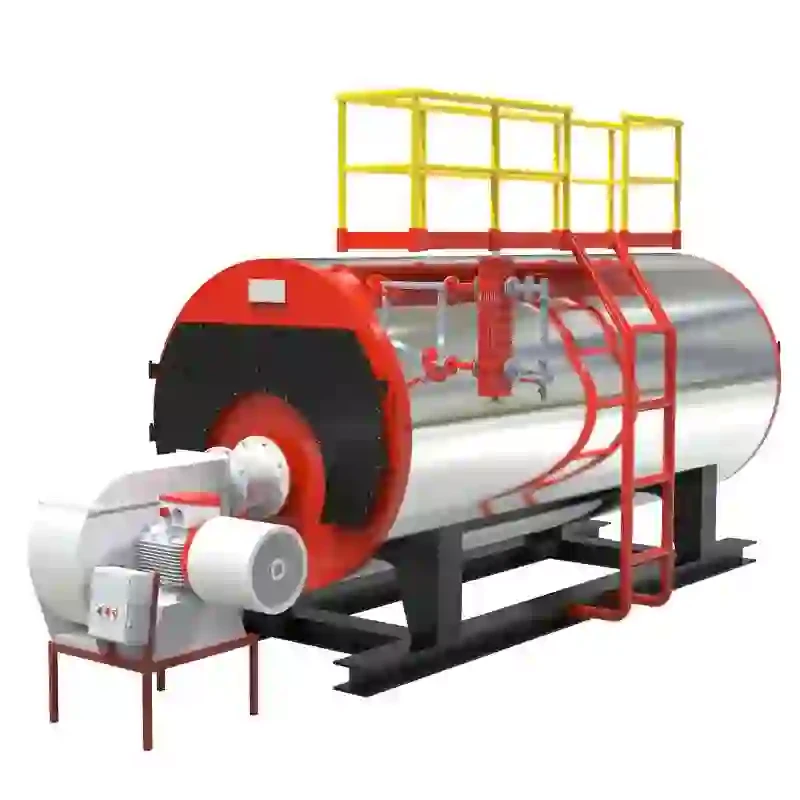
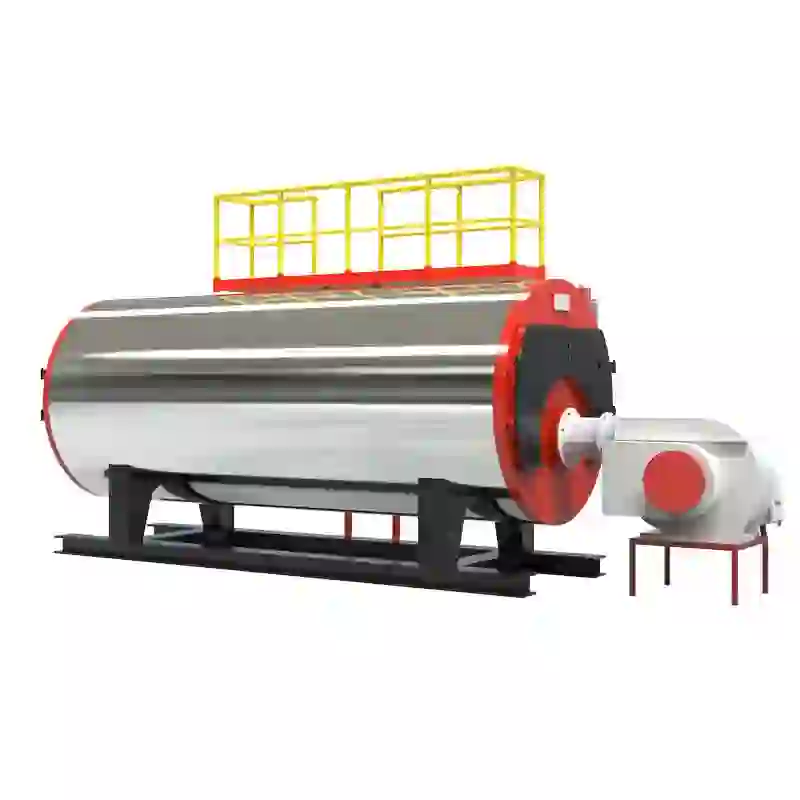
- Fire-Tube Boilers: Hot gases pass through tubes surrounded by water. Relatively simple and lower cost, suitable for lower steam demands.
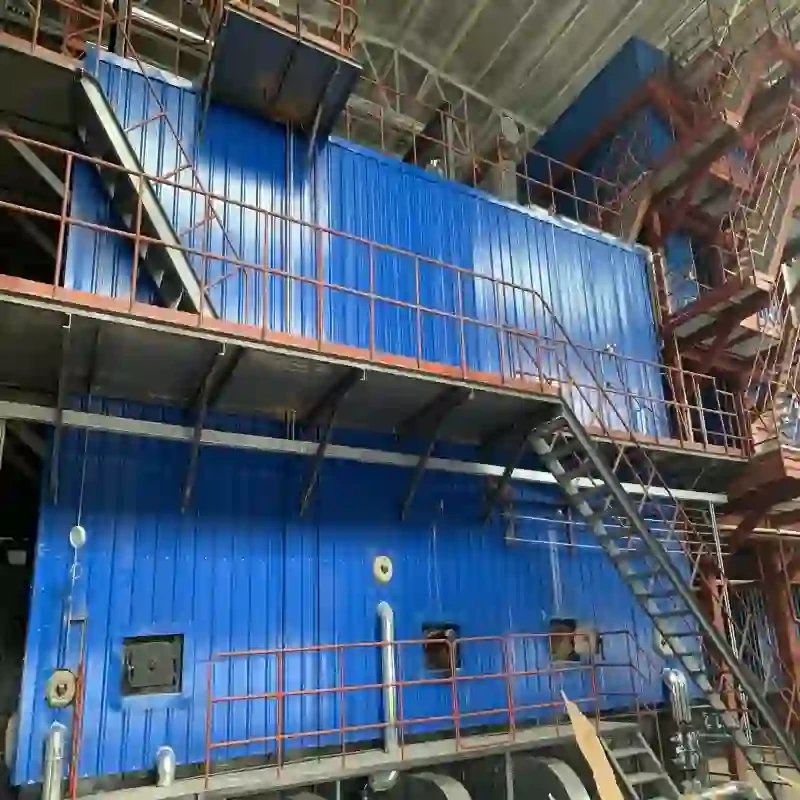
- Water-Tube Boilers: Water flows through tubes surrounded by hot gases. Higher capacity, capable of generating higher steam pressures and temperatures. More efficient and commonly used in power generation.
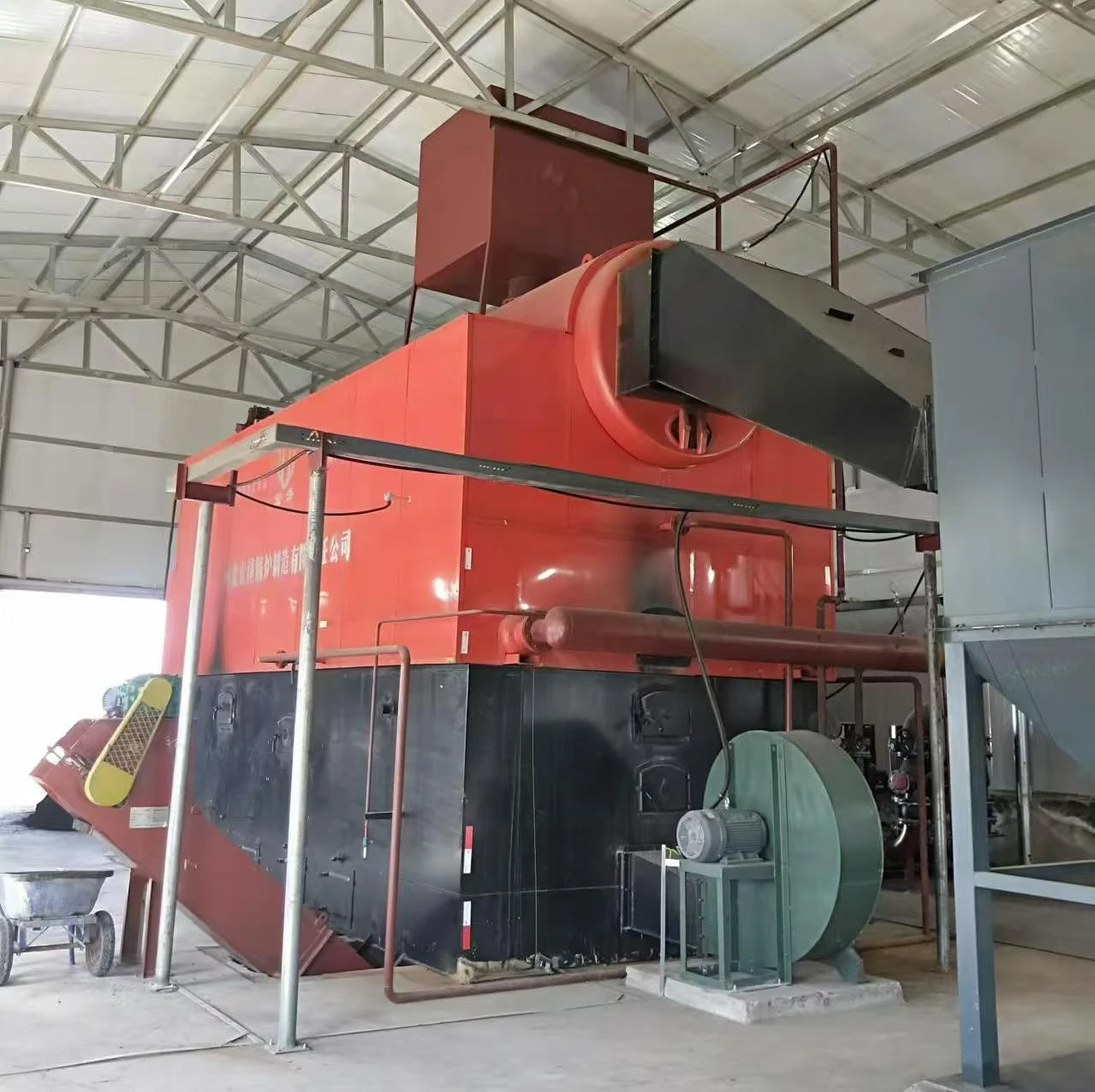
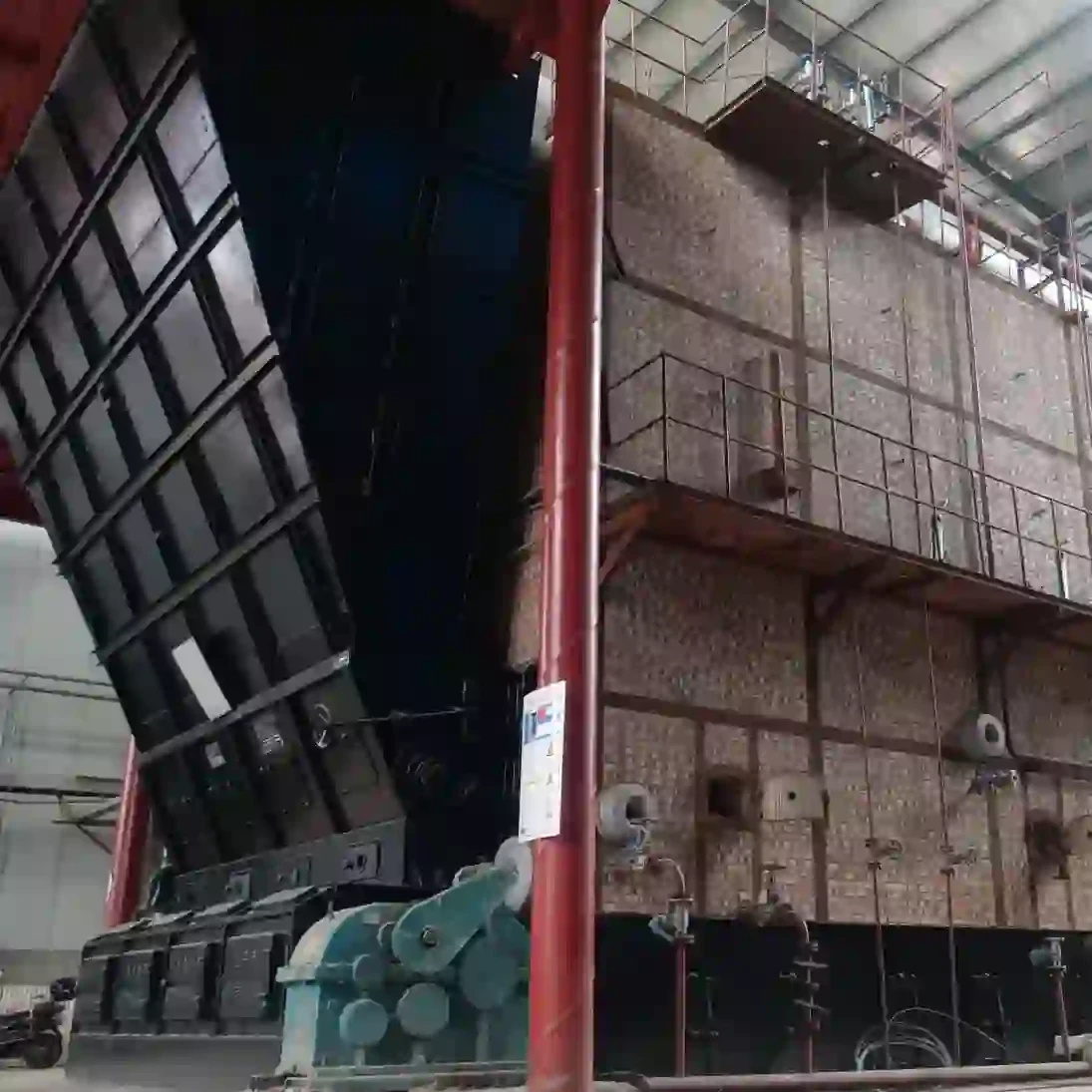
- Chain Grate Boilers: Coal is fed onto a moving grate that promotes combustion. Suitable for a wide range of coal types.
- Fluidized Bed Boilers: Coal particles are suspended in a bed of air, creating highly efficient combustion. Can handle lower-grade coals and reduce emissions.
Advantages of Utilizing Coal Fired Steam Boilers
Despite the growing interest in renewable energy sources, coal fired steam boilers offer several advantages: reliability, especially in regions with abundant coal reserves; cost-effectiveness, particularly for large-scale power generation; and established technology with a wealth of operational experience. They are also capable of providing consistent and dispatchable power, unlike intermittent renewable sources. Furthermore, modern coal fired boilers are equipped with advanced emission control technologies to mitigate environmental impacts.
Key Benefits:
• High Reliability • Cost-Effective for Large Scale Power • Dispatchable Power Source • Established Technology
Coal Fired Boiler Applications and Performance Data
These boilers are used extensively in power plants, industrial facilities, and district heating systems. Their ability to generate both electricity and process heat makes them versatile energy solutions. The following table outlines typical performance parameters for different boiler types:
Considerations for Selection and Maintenance
Selecting the right coal fired model steam boiler requires careful consideration of factors like steam demand, coal quality, environmental regulations, and budget. Regular maintenance is crucial for ensuring optimal performance, extending the boiler's lifespan, and preventing costly breakdowns. This includes routine inspections, cleaning, water treatment, and component replacements.
Conclusion
Coal fired steam boilers remain a vital part of the global energy landscape. By understanding their operation, types, and maintenance requirements, industries can maximize their efficiency and reliability, ensuring a stable and cost-effective power supply. HZ Steamboiler provides a wide range of high-quality coal fired boilers and comprehensive support services.
Frequently Asked Questions (FAQs)
What are the environmental concerns associated with coal fired boilers?
Coal combustion releases pollutants such as sulfur dioxide, nitrogen oxides, and particulate matter. Modern boilers incorporate emission control technologies like flue gas desulfurization (FGD), selective catalytic reduction (SCR), and electrostatic precipitators (ESPs) to minimize these emissions. Additionally, carbon capture and storage (CCS) technologies are being developed to reduce carbon dioxide emissions, although their implementation remains challenging.
How often should a coal fired boiler be inspected?
A thorough inspection should be conducted at least annually, and more frequently for boilers operating under heavy loads or harsh conditions. Inspections should cover all critical components, including the furnace, tubes, drums, valves, and control systems. Non-destructive testing methods like ultrasonic testing and radiographic inspection can be used to detect hidden defects. Record keeping of all inspections and maintenance activities is crucial.
What is the role of water treatment in coal fired boilers?
Proper water treatment is essential to prevent scale formation, corrosion, and fouling within the boiler system. Impurities in the water can lead to reduced heat transfer efficiency, tube failures, and ultimately, boiler downtime. Water treatment typically involves softening, demineralization, and the addition of chemicals to control pH and inhibit corrosion. Regular water analysis is critical for maintaining optimal water chemistry.
What are the typical maintenance costs associated with a coal fired boiler?
Maintenance costs vary depending on the boiler's size, age, and operating conditions. Typically, maintenance costs range from 1% to 3% of the initial boiler cost per year. Major overhauls, which involve extensive component replacements, can be significantly more expensive and are typically required every 5-10 years. Preventative maintenance programs can help minimize unplanned downtime and reduce overall maintenance costs.
-
Industrial Natural Gas Steam Boiler High Efficiency System Guide
NewsApr.16,2026
-
Maximize Industrial Productivity with High Efficiency Gas Steam Boiler
NewsApr.09,2026
-
Comprehensive Guide to Industrial Steam Heater Systems and Applications
NewsApr.07,2026
-
Comprehensive Guide to Low Pressure Steam Boilers and Their Applications
NewsApr.04,2026
-
Understanding High Pressure Steam Boiler Technology and Industrial Applications
NewsMar.31,2026
-
Comprehensive Guide to High Efficiency Steam Boiler Systems and Applications
NewsMar.28,2026


 English
  Arabic
  Bengali
  French
  German
  Hindi
Hindi  Indonesian
  Kazakh
  Khmer
Khmer  Korean
  Kyrgyz
  Lao
Lao  Latin
Latin  Mongolian
  Nepali
  Russian
  Turkish
  Turkmen
  Uzbek
Uzbek 


