




Dec . 03, 2025 14:38 Back to list
Comprehensive Guide to Gas Fired Hot Water Furnace – Efficiency, Uses & Future Trends
Understanding the Gas Fired Hot Water Furnace: A Global Perspective
In a world increasingly focused on efficient energy use and sustainable heating solutions, the gas fired hot water furnace plays a quiet but crucial role. These systems are central to heating buildings, supporting industrial processes, and providing reliable warmth where electricity or other fuel sources may be limited or costly. It's a topic that matters globally—not just from an energy standpoint but also due to its impact on environmental goals, human comfort, and operational reliability.
Frankly, understanding this technology isn't just about appliances in cold places—it’s about how society heats spaces and water cleanly and effectively, often in challenging conditions. The benefits? Reduced greenhouse emissions compared to coal or oil-fired alternatives, cost-effectiveness, and adaptability across industries.
Global Context: Why Gas Fired Hot Water Furnaces Matter
According to the International Energy Agency (IEA), natural gas accounts for nearly a quarter of global energy consumption, a share tied closely to heating applications. In residential, commercial, and industrial sectors alike, heating accounts for about 50% of global energy use.[1] The gas fired hot water furnace answers the call for efficient, responsive heating solutions worldwide, particularly in areas where electrification remains costly or unreliable.
Yet challenges arise worldwide: aging energy infrastructures, rising energy costs, and the urgent need to lower carbon footprints. Gas fired hot water furnaces address these by offering a dependable source of heat that adapts well to both large and small scale operations.
What is a Gas Fired Hot Water Furnace?
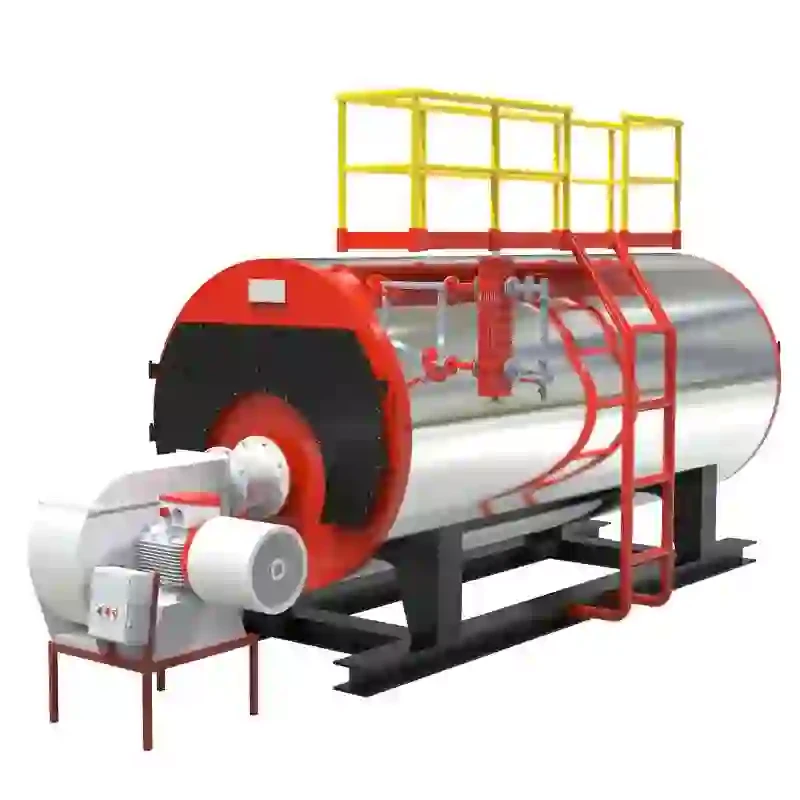
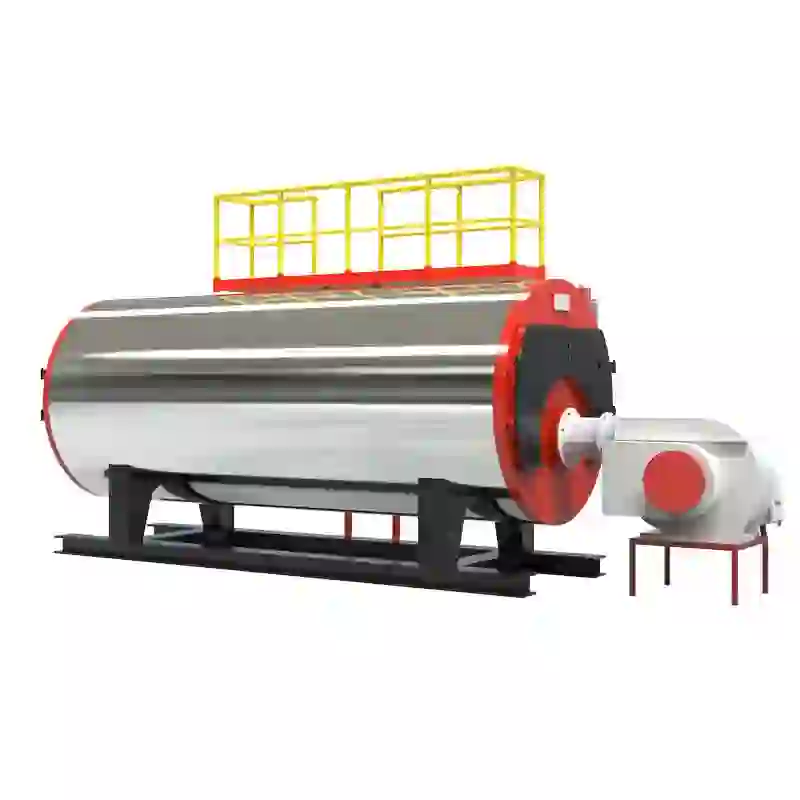
Simply put, a gas fired hot water furnace is a heating system that burns natural gas to heat water circulating through pipes, radiators, or radiant floors. Unlike steam boilers, these furnaces operate by heating water below boiling point, delivering gentle, consistent warmth to buildings or industrial processes. It’s a neat balance of simplicity and efficiency.
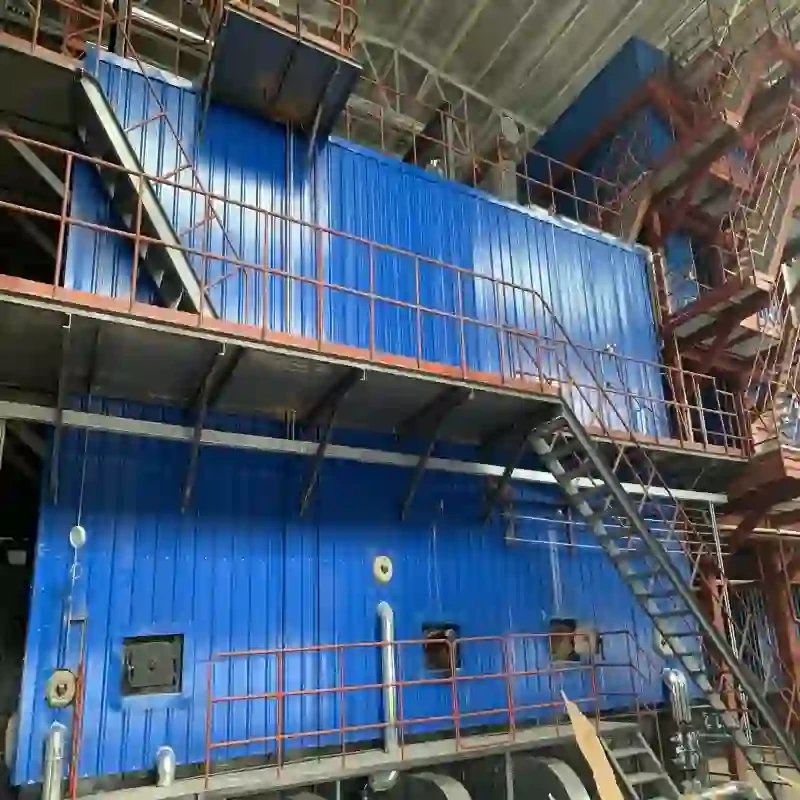
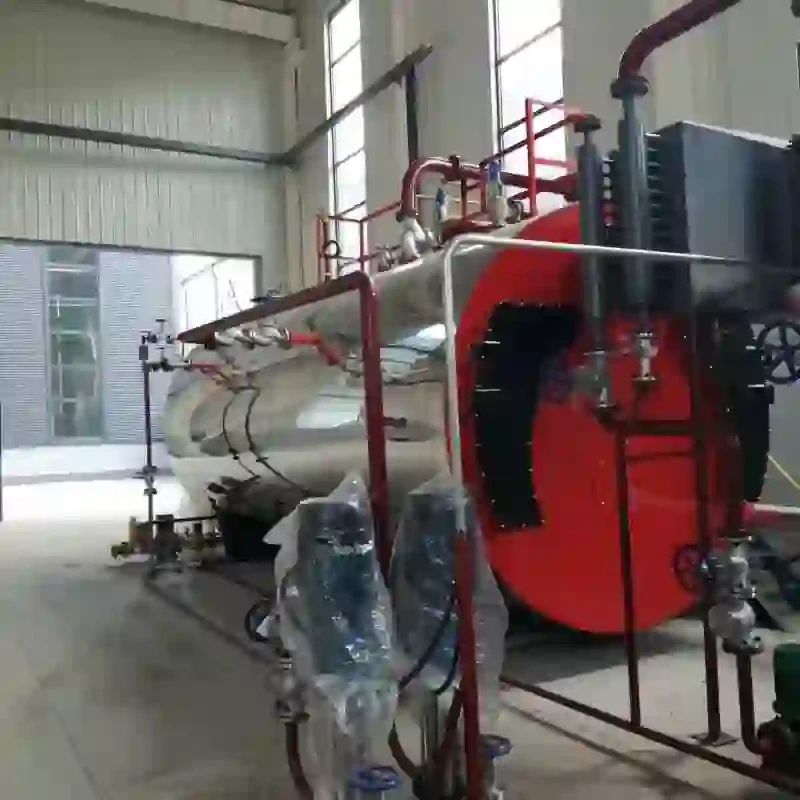
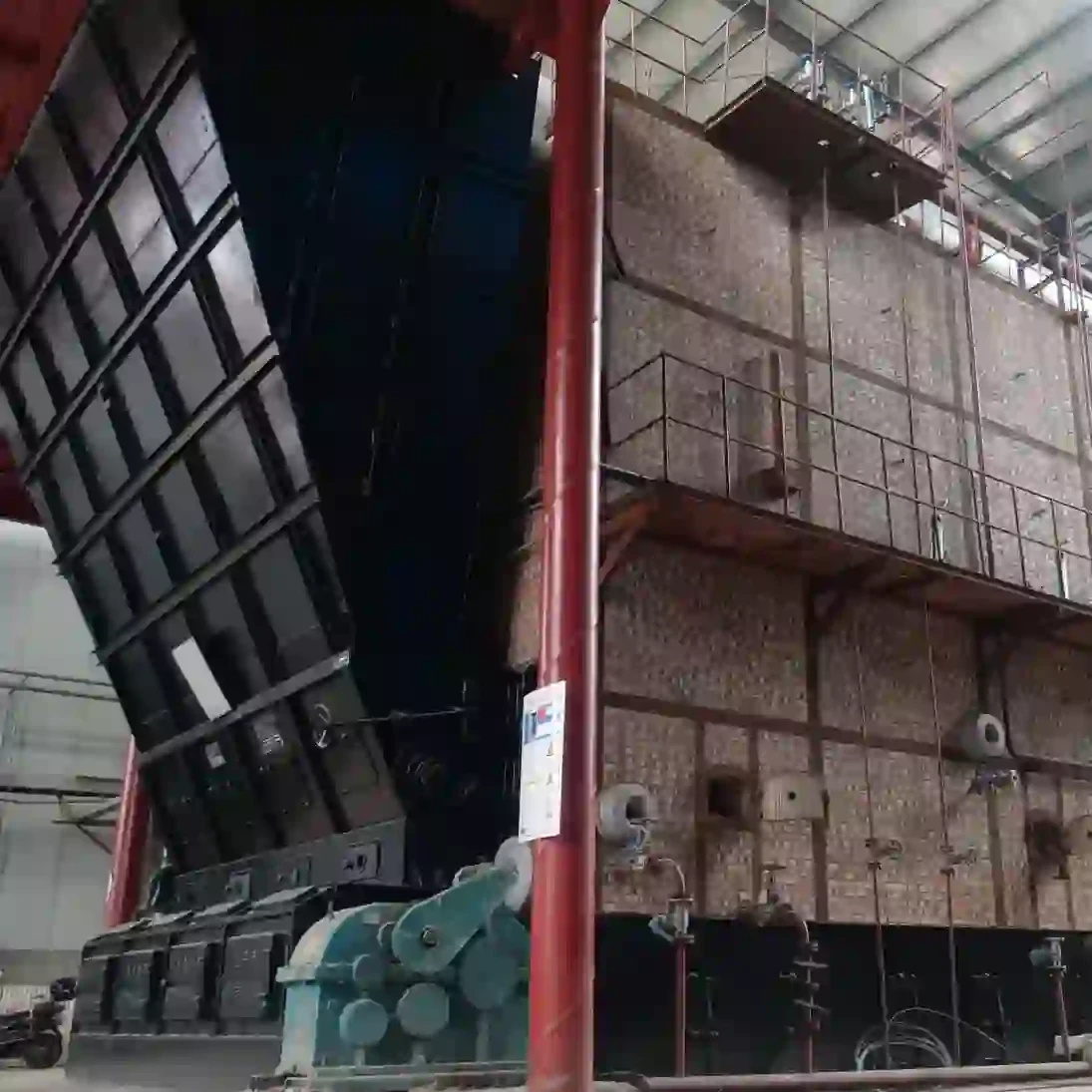
In modern industry, this system is foundational—think about hospitals, schools, and factories needing reliable hot water and heating simultaneously. From humanitarian relief camps heated by portable units to sprawling manufacturing plants with complex hydronic systems, it’s a staple.
Core Components of Gas Fired Hot Water Furnaces
1. Burner Assembly
The heart of the furnace where natural gas combusts, designed to maximize fuel efficiency and reduce emissions. A good burner ensures sustained, clean burning.
2. Heat Exchanger
Transfers heat from combustion gases to the water, typically crafted from robust metals like stainless steel or cast iron for durability and corrosion resistance.
3. Circulator Pump
Moves hot water throughout the piping system to distribute warmth evenly—a silent workhorse that enables consistent heat delivery.
4. Controls and Safety Devices
Thermostats, pressure relief valves, and flame sensors provide precise temperature regulation and protect against malfunctions, ensuring safety and comfort.
5. Exhaust Venting
Proper venting of combustion byproducts is essential to keep indoor air quality safe—modern models often include advanced flue gas treatment technologies.
Product Specifications Overview
| Feature | Description |
|---|---|
| Fuel Type | Natural Gas (Methane) |
| Water Temperature Range | 120°F to 180°F (49°C to 82°C) |
| Heating Capacity | 50,000 - 500,000 BTU/hr |
| Efficiency | Up to 90% (AFUE) |
| Materials | Stainless Steel / Cast Iron |
| Controls | Digital thermostats, safety shutoffs |
Global Applications & Use Cases
The versatility of gas fired hot water furnaces makes them invaluable across multiple sectors:
- Residential & Commercial Heating: In North America and Europe, these furnaces heat homes and office buildings efficiently during harsh winters.
- Industrial Processes: Factories in Asia use them for process heating, where consistent hot water is needed for cleaning or manufacturing.
- Humanitarian Settings: NGOs deploy portable gas hot water units to refugee camps or disaster zones to provide essential warmth and sanitation.
- Remote Facilities: Mining camps in Australia and Canada rely on these furnaces where electrical infrastructure is weak.
Oddly enough, despite all the high-tech options floating around, nothing supplants the reliable gas hot water furnace in many tough environments.
Comparing Leading Vendors
| Vendor | Efficiency (AFUE) | Warranty | Price Range | Notable Features |
|---|---|---|---|---|
| HeatMax | 89% | 10 years | $$ | Digital controls, compact design |
| EcoTherm | 90% | 12 years | $$$ | Low NOx emissions, smart diagnostics |
| FlamePro | 87% | 8 years | $ | Robust build, affordable |
Advantages & Long-Term Value
The appeal of gas fired hot water furnaces goes beyond the obvious cost savings. A few points worth highlighting:
- Cost Efficiency: Lower operational costs compared to electric heating in regions with cheap natural gas availability.
- Sustainability: When paired with modern low-NOx burners, these furnaces reduce harmful emissions and support cleaner air quality.
- Reliability: The technology’s mature engineering means fewer breakdowns, critical in harsh climates or remote areas.
- Safety & Comfort: Closed-loop systems prevent combustion gases from mixing with indoor air—important for occupant safety and peace of mind.
Ultimately, it’s about delivering warmth with dignity and trust—something that engineers and users alike value, especially in sensitive applications like healthcare or emergency shelters.
The Future of Gas Fired Hot Water Furnaces
Looking forward, developments in this technology are quite fascinating. We’re seeing:
- Integration with Smart Controls: Automated temperature settings and diagnostics help cut energy waste and simplify maintenance.
- New Materials: Advanced composites resist corrosion better, extending system lifespans significantly.
- Greener Fuels: Experimentation with hydrogen blends mixed into natural gas to reduce carbon emissions.
- Policy Support: Increased incentives worldwide for efficient heat solutions mean faster adoption.
Challenges & Practical Solutions
No tech is perfect. Current issues include:
- Infrastructure Limits: In rural or developing areas, gas supply may be inconsistent — solutions involve hybrid systems or modular setups.
- Regulatory Pressure: Stricter emissions laws require ongoing burner upgrades.
- Initial Investment: Higher upfront costs may dissuade some users, though payback periods often justify the spend.
In response, manufacturers offer flexible financing, and engineers develop easy-to-maintain designs. It’s an evolving landscape, but one full of promise.
FAQ: Frequently Asked Questions About Gas Fired Hot Water Furnace
- How energy-efficient are gas fired hot water furnaces compared to electric heaters?
- Gas fired hot water furnaces typically achieve Annual Fuel Utilization Efficiency (AFUE) ratings of around 85-90%, often making them more cost-effective than electric heaters where natural gas prices are competitive. However, electric heaters are sometimes favored in areas with clean grid electricity.
- Can gas fired hot water furnaces be used in off-grid or remote locations?
- Yes, these furnaces can be deployed in remote sites with natural gas pipelines or supplied propane tanks. Portable and modular models are specifically designed to operate where electricity may be absent or unreliable.
- What safety features do modern gas fired hot water furnaces include?
- They come equipped with flame sensors, pressure relief valves, automatic shutoff controls, and proper venting systems to prevent gas leaks or indoor air contamination, making them very safe when properly maintained.
- Are gas fired hot water furnaces environmentally friendly?
- While they emit CO₂ due to combustion, modern low-NOx burners and high-efficiency designs minimize environmental impact, especially compared to oil or coal-fired boilers. Plus, emerging alternatives like hydrogen blends aim to improve this further.
Conclusion
The gas fired hot water furnace remains a cornerstone in global heating technology, combining reliability, cost-efficiency, and adaptability. Whether for a cozy home, a bustling factory, or relief operations in remote zones, it offers warmth — literally and figuratively.
Interested in learning more or upgrading your heating system? Visit our website: gas fired hot water furnace for detailed product info and expert advice.
Quick takeaway: Gas fired hot water furnaces still rule the world of efficient heating — but with innovation heating up too.
References
-
Industrial Natural Gas Steam Boiler High Efficiency System Guide
NewsApr.16,2026
-
Maximize Industrial Productivity with High Efficiency Gas Steam Boiler
NewsApr.09,2026
-
Comprehensive Guide to Industrial Steam Heater Systems and Applications
NewsApr.07,2026
-
Comprehensive Guide to Low Pressure Steam Boilers and Their Applications
NewsApr.04,2026
-
Understanding High Pressure Steam Boiler Technology and Industrial Applications
NewsMar.31,2026
-
Comprehensive Guide to High Efficiency Steam Boiler Systems and Applications
NewsMar.28,2026


 English
  Arabic
  Bengali
  French
  German
  Hindi
Hindi  Indonesian
  Kazakh
  Khmer
Khmer  Korean
  Kyrgyz
  Lao
Lao  Latin
Latin  Mongolian
  Nepali
  Russian
  Turkish
  Turkmen
  Uzbek
Uzbek 


