




Mar . 19, 2026 02:15 Back to list
Comprehensive Guide to Gas Fired Steam Boilers for Industrial and Commercial Use
Understanding Gas Fired Steam Boilers: A Comprehensive Guide
Gas fired steam boilers are essential components in numerous industrial and commercial applications, providing a reliable and efficient source of steam for heating, power generation, and various processing needs. This article will delve into the workings of these boilers, their benefits, applications, key considerations when selecting a unit, and how HZ Steam Boiler can provide the right solution for your steam generation requirements. Choosing the correct boiler can significantly impact operational costs and efficiency.
How Do Gas Fired Steam Boilers Work?
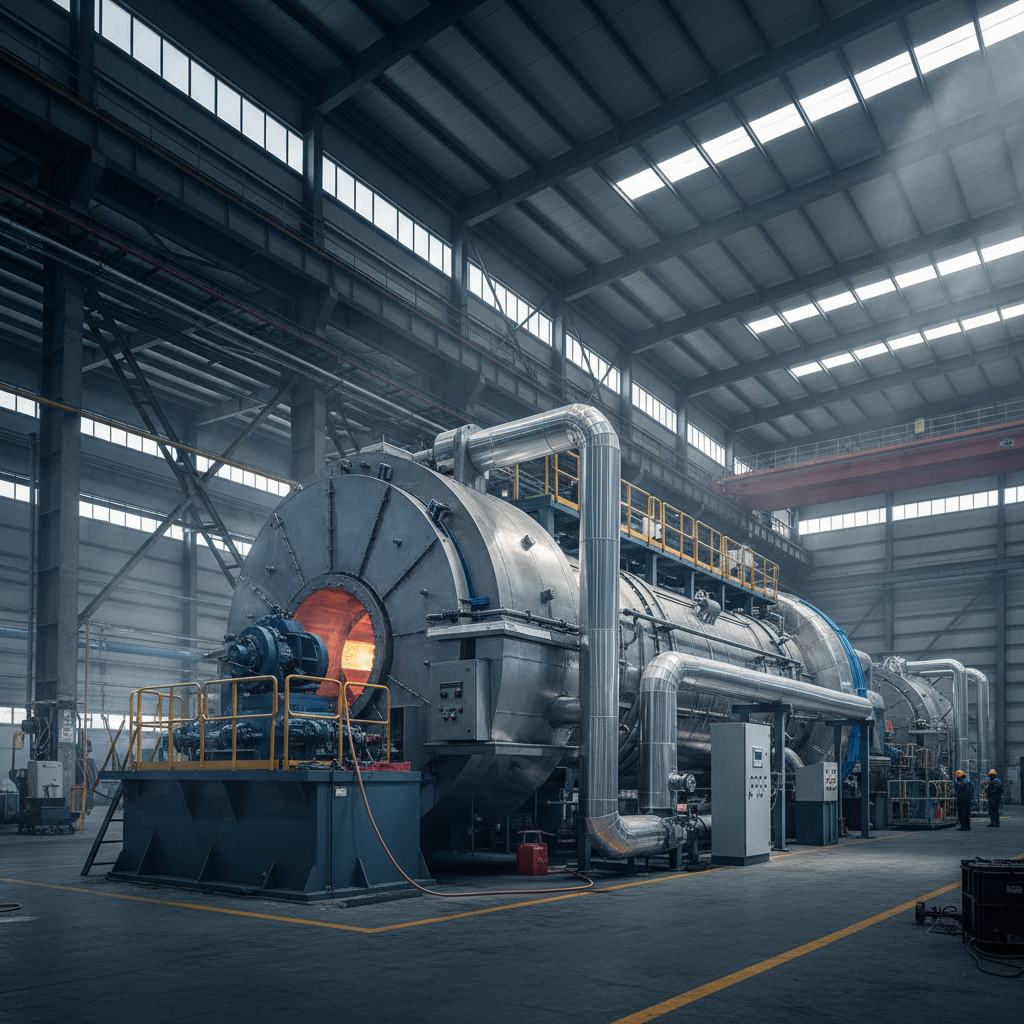
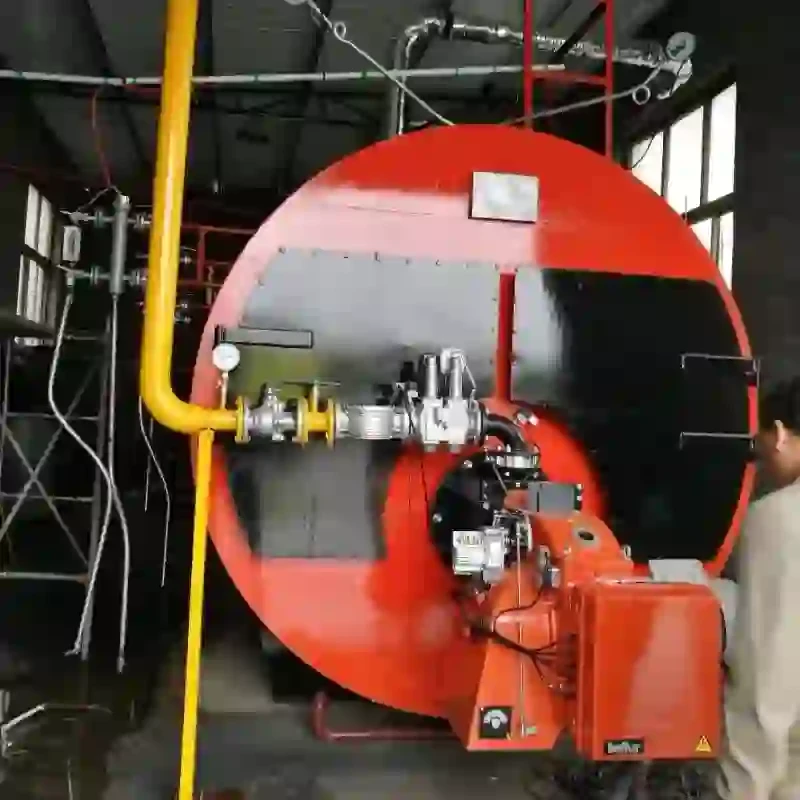
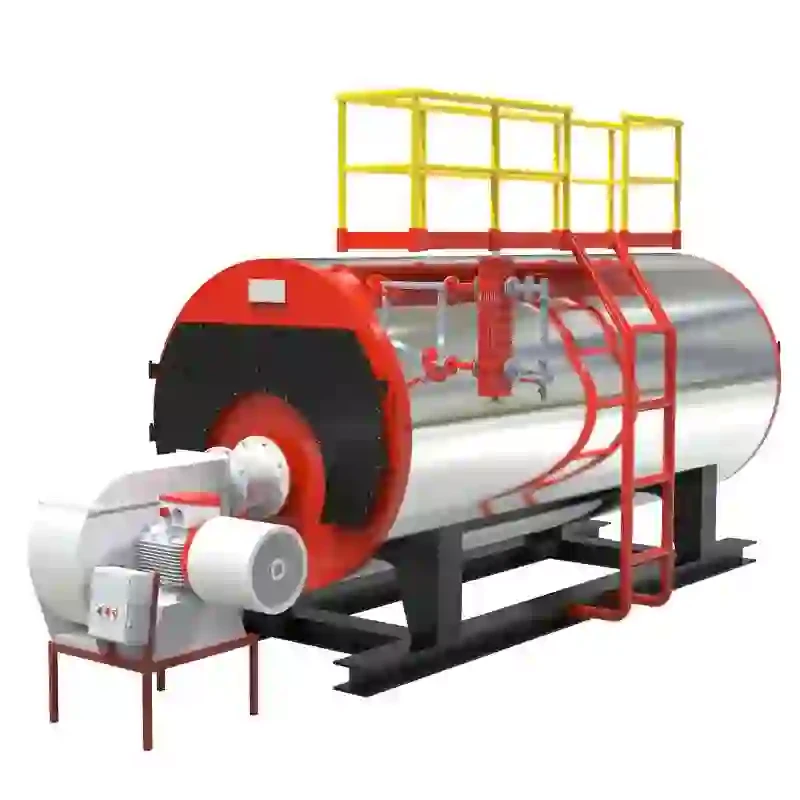
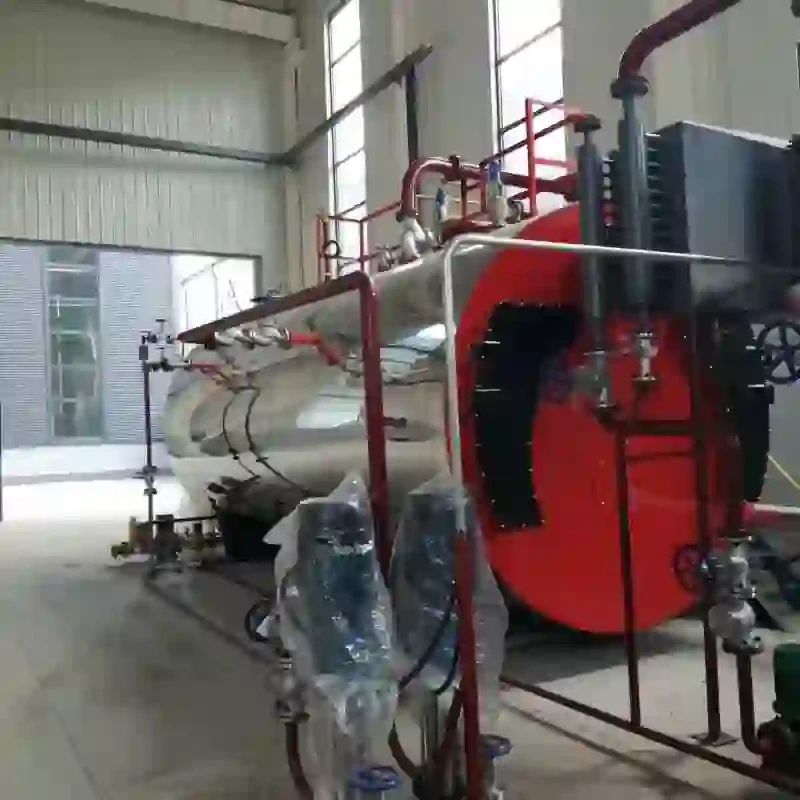
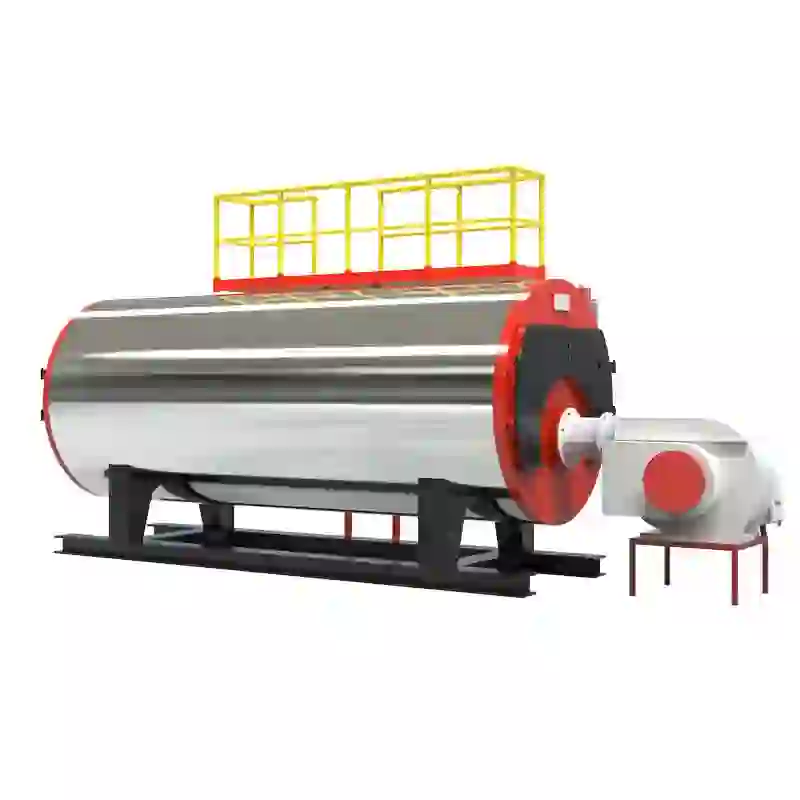
At their core, gas fired steam boilers operate on a relatively simple principle: burning natural gas or propane to heat water within a sealed vessel. This heat transforms the water into steam. The steam is then piped to various points of use throughout a facility. The key components of a gas fired steam boiler include the burner, combustion chamber, heat exchanger (tubes or a shell), and controls. Modern boilers utilize advanced control systems to optimize combustion efficiency and ensure safe operation. Efficient combustion is vital to minimizing fuel costs and emissions.
Key Takeaway: Gas fired steam boilers convert the chemical energy of gas into thermal energy (steam) for a multitude of applications, relying on a precisely controlled combustion process.
Benefits of Using a Gas Fired Steam Boiler
Gas fired steam boilers offer several advantages over other heating methods. First and foremost, they are generally more efficient than oil-fired boilers, leading to lower fuel costs. Natural gas is also typically a cleaner-burning fuel, resulting in reduced emissions. Steam boilers provide a consistent and reliable heat source, ideal for processes requiring precise temperature control. Moreover, they can be scaled to meet varying demands, from small commercial buildings to large industrial facilities. Properly maintained gas fired boilers have a long operational lifespan.
Applications of Gas Fired Steam Boilers
The versatility of gas fired steam boilers makes them suitable for a wide array of applications. Common uses include: power generation, process heating in manufacturing (e.g., food processing, chemical plants), district heating systems providing heat to multiple buildings, sterilization in hospitals and pharmaceutical facilities, laundry facilities in hotels and hospitals, and humidification systems. The applications are diverse and crucial across various sectors.
Common Applications:
• Power Generation
• Process Heating
• District Heating
• Sterilization
Gas Fired Steam Boiler Types and Specifications
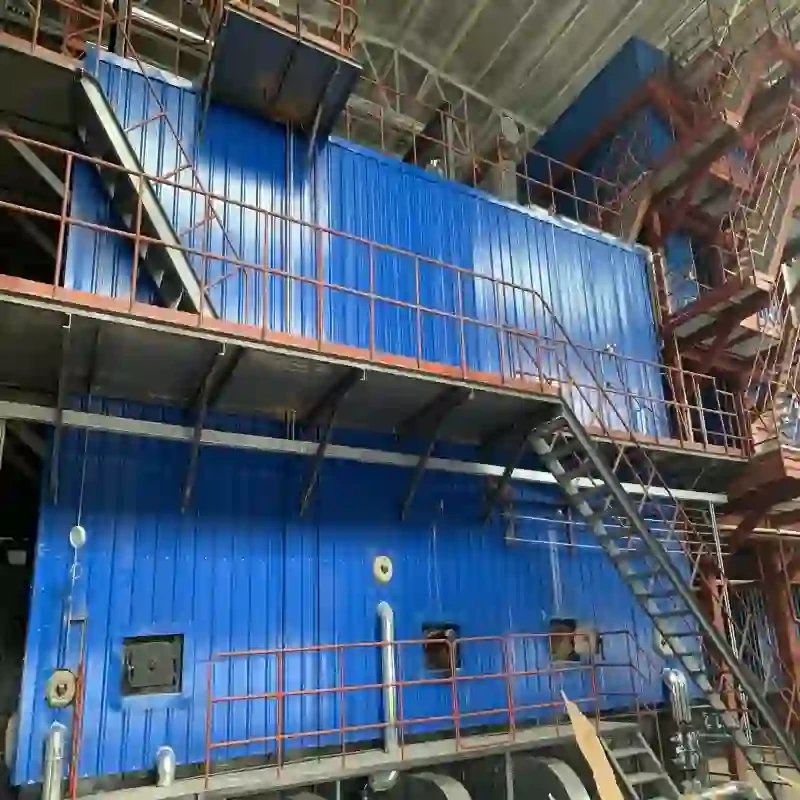
Gas fired steam boilers come in several types, each suited for different applications and operating requirements. Fire-tube boilers are simpler and more cost-effective for lower-pressure applications. Water-tube boilers are used for higher-pressure, high-capacity steam generation. Condensing boilers offer increased efficiency by recovering heat from exhaust gases. When selecting a boiler, consider factors such as steam demand (lbs/hr or kg/hr), operating pressure (psi or bar), fuel type (natural gas or propane), and efficiency ratings. Below is a sample specification table:
Choosing the Right Supplier: HZ Steam Boiler
Selecting a reputable supplier is critical when investing in a gas fired steam boiler. HZ Steam Boiler has extensive experience in designing, manufacturing, and installing high-quality steam boilers. We offer a wide range of models to suit diverse industrial and commercial needs, coupled with expert engineering support and reliable after-sales service. Our commitment to quality and customer satisfaction sets us apart.
Conclusion: Powering Your Operations with Reliable Steam
Investing in a gas fired steam boiler is a significant decision. By understanding the fundamentals of boiler operation, exploring available types, and partnering with a trusted supplier like HZ Steam Boiler, you can ensure a reliable, efficient, and cost-effective steam generation solution for your business.
Frequently Asked Questions (FAQs)
What maintenance is required for a gas fired steam boiler?
Regular maintenance is crucial for ensuring the safe and efficient operation of a gas fired steam boiler. This includes annual inspections by a qualified technician, cleaning of the heat transfer surfaces, checking the burner for proper combustion, inspecting the safety valves, and testing the water treatment system. Proper water treatment is essential to prevent scale buildup and corrosion. Routine maintenance extends the boiler’s lifespan and minimizes the risk of costly breakdowns. Ignoring maintenance can lead to reduced efficiency, increased fuel consumption, and potentially hazardous conditions.
What safety features are standard on gas fired steam boilers?
Gas fired steam boilers are equipped with numerous safety features to prevent accidents and ensure safe operation. These include low water cut-off switches, which automatically shut down the burner if the water level drops too low; safety relief valves, which release excess pressure; flame scanners, which detect flame failure and shut off the gas supply; and combustion safeguards, which monitor combustion efficiency and safety. Modern boilers also incorporate advanced control systems with alarms and diagnostics to alert operators to potential problems. Regular testing of these safety features is essential.
What is the typical lifespan of a gas fired steam boiler?
With proper maintenance and operation, a gas fired steam boiler can typically last for 20 to 30 years. However, the actual lifespan depends on several factors, including the quality of the boiler, the operating conditions, the frequency of maintenance, and the water treatment program. Regular inspections and timely repairs can significantly extend the boiler’s life. Signs that a boiler may need to be replaced include frequent breakdowns, reduced efficiency, and excessive corrosion.
How can I improve the efficiency of my gas fired steam boiler?
Several steps can be taken to improve the efficiency of a gas fired steam boiler. These include implementing a proper water treatment program to prevent scale buildup, insulating steam pipes to reduce heat loss, optimizing the combustion air supply, regularly cleaning the heat transfer surfaces, and upgrading to a more efficient boiler model. Installing a condensing boiler can also significantly improve efficiency by recovering heat from exhaust gases. Regular energy audits can identify areas for improvement.
-
Industrial Natural Gas Steam Boiler High Efficiency System Guide
NewsApr.16,2026
-
Maximize Industrial Productivity with High Efficiency Gas Steam Boiler
NewsApr.09,2026
-
Comprehensive Guide to Industrial Steam Heater Systems and Applications
NewsApr.07,2026
-
Comprehensive Guide to Low Pressure Steam Boilers and Their Applications
NewsApr.04,2026
-
Understanding High Pressure Steam Boiler Technology and Industrial Applications
NewsMar.31,2026
-
Comprehensive Guide to High Efficiency Steam Boiler Systems and Applications
NewsMar.28,2026


 English
  Arabic
  Bengali
  French
  German
  Hindi
Hindi  Indonesian
  Kazakh
  Khmer
Khmer  Korean
  Kyrgyz
  Lao
Lao  Latin
Latin  Mongolian
  Nepali
  Russian
  Turkish
  Turkmen
  Uzbek
Uzbek 


