




Dec . 13, 2025 22:55 Back to list
Comprehensive Guide to Steam Boiler System Design | Efficiency, Safety & Innovation
Understanding Steam Boiler System Design: Why It Really Matters
If you think steam boilers are relics of the industrial revolution, think again. Steam boiler system design is a critical engineering discipline that powers industries spanning from food production to pharmaceuticals and energy generation. Globally, the demand for efficient and reliable steam systems is rising sharply—driven not only by industrial growth but also by urgent needs for sustainability and energy efficiency.
Having a solid grasp of steam boiler system design means knowing how to build systems that are safe, cost-effective, and adaptable to diverse applications. This understanding ultimately fuels innovation and sustainability, shaping how industries meet both economic and environmental goals.
The Global Context of Steam Boiler System Design
Globally, boilers account for a significant chunk of industrial energy use. According to the International Energy Agency, steam systems consume up to 30% of energy in manufacturing sectors worldwide. That’s a lot of heat and pressure—and a huge opportunity to reduce carbon footprints through improved boiler designs. The UN Sustainable Development Goals highlight energy efficiency and climate action as top priorities, which eggs on advances in steam boiler system design too.
Yet challenges persist. Many older installations are inefficient, and new construction focuses on ever-increasing demands for safety while squeezing fuel consumption and emissions. It’s an engineering puzzle wrapped in complex regulation and shifting energy markets—a puzzle that good design helps solve. Here’s a useful place if you want to dive deeper into those design principles.
Mini takeaway: Steam boiler system design isn’t just about boiling water — it’s a global lever for industrial efficiency, environmental responsibility, and safety.
What Exactly Is Steam Boiler System Design?
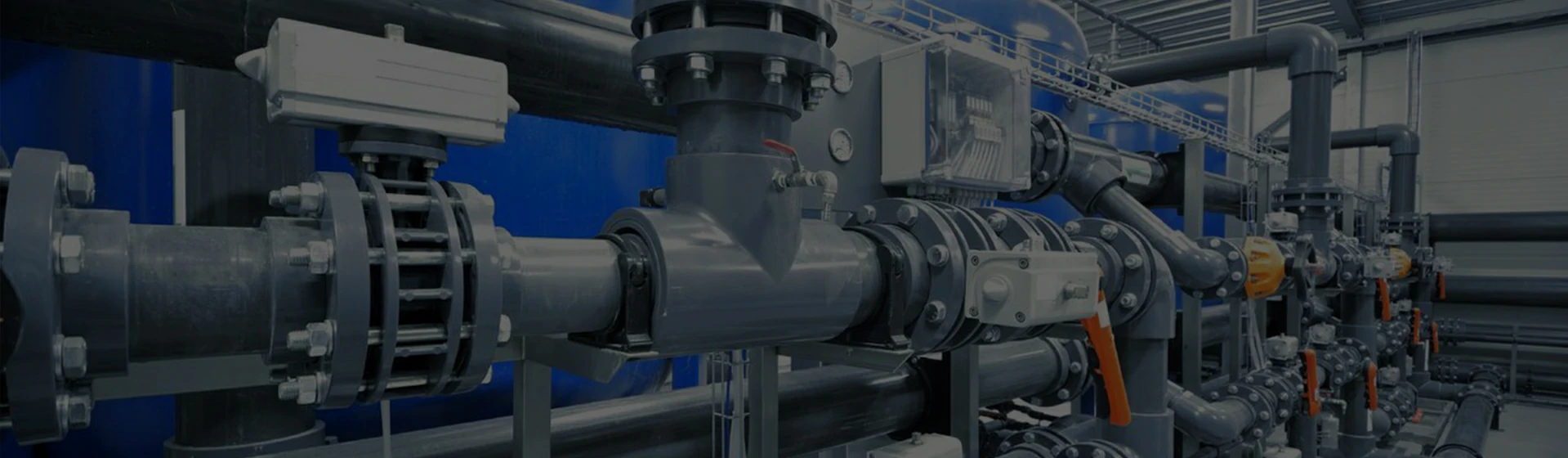
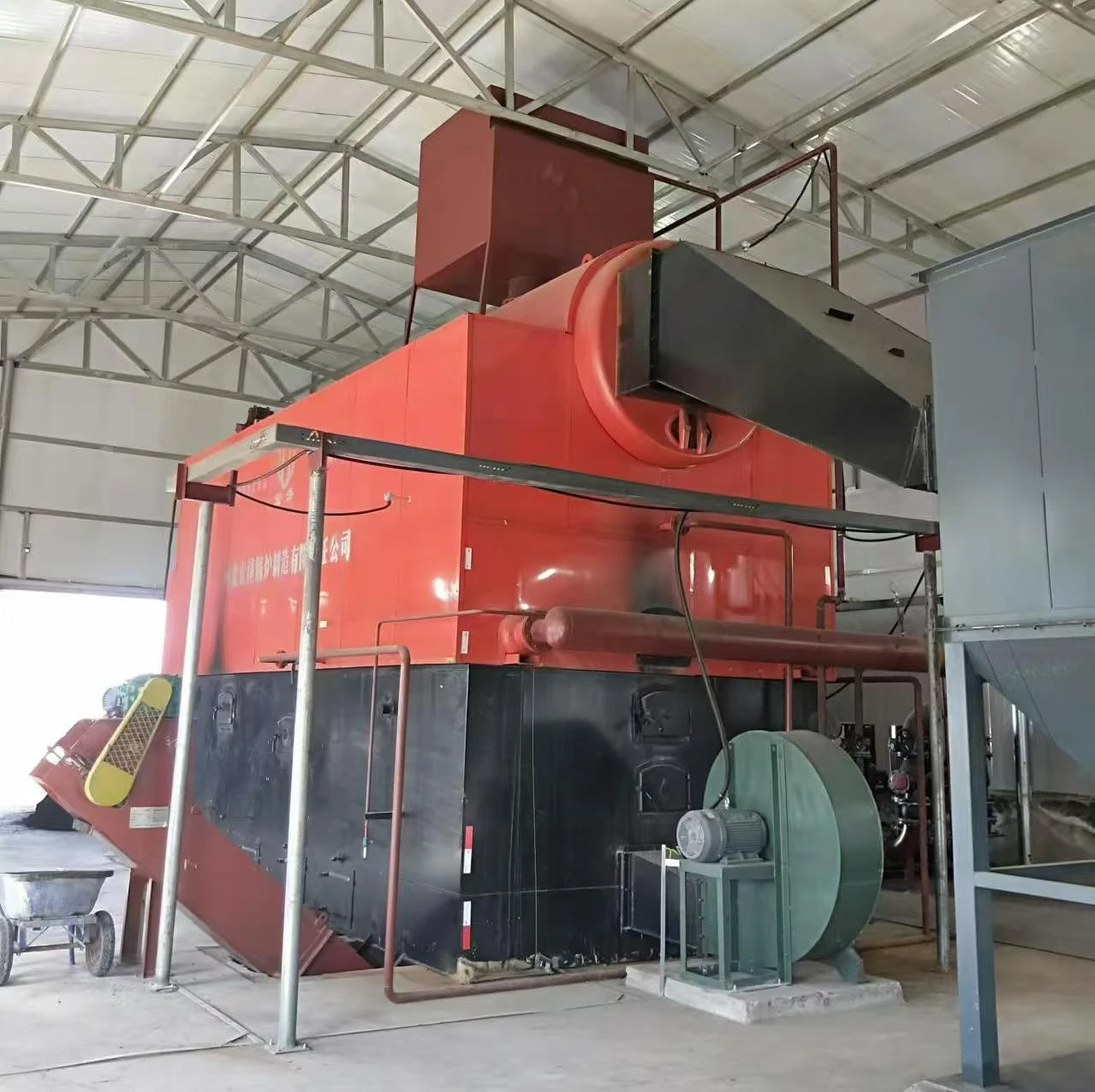
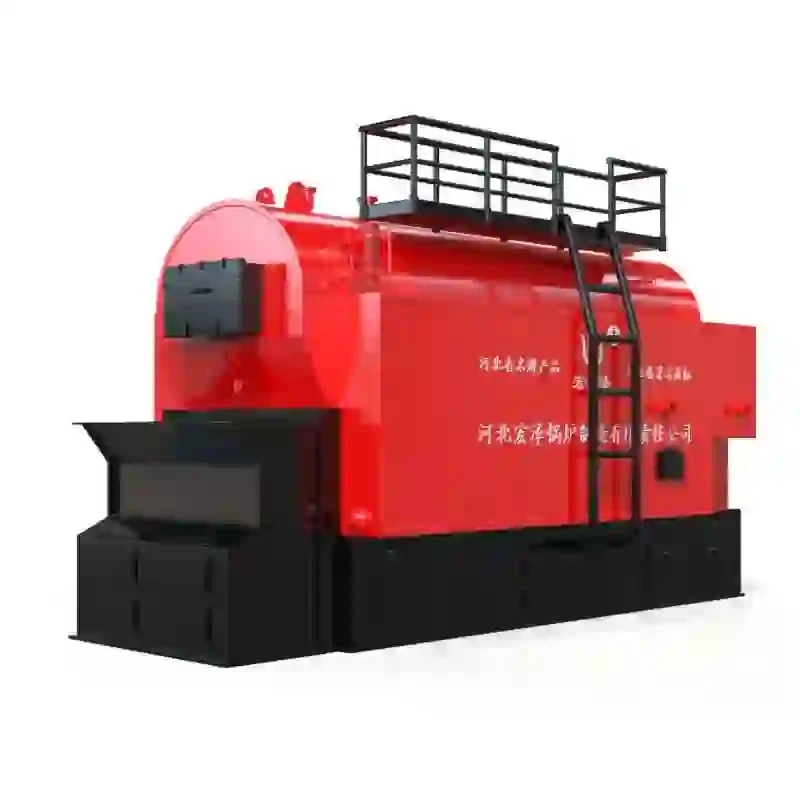
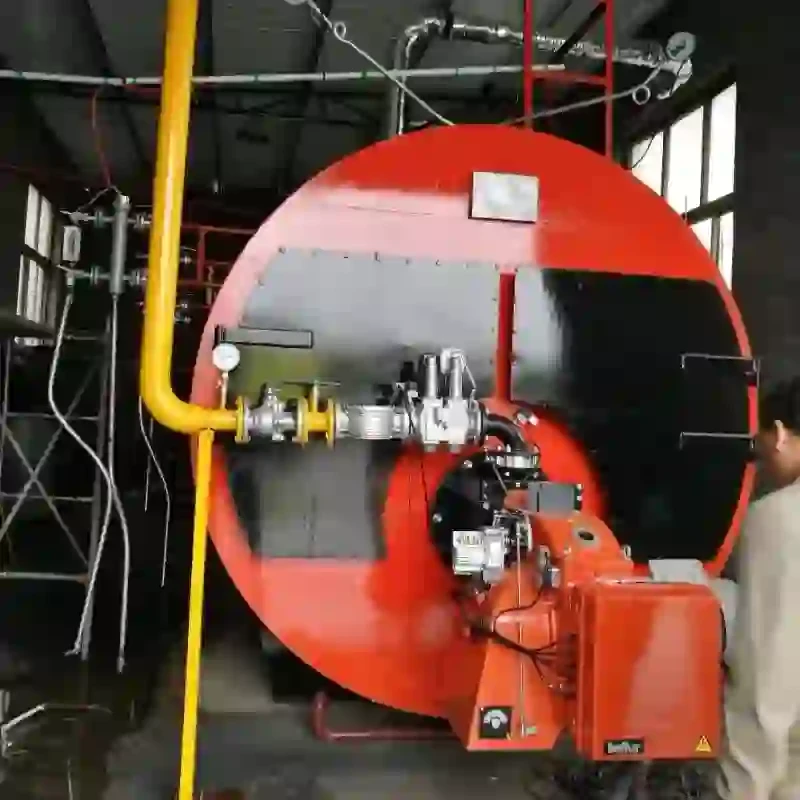
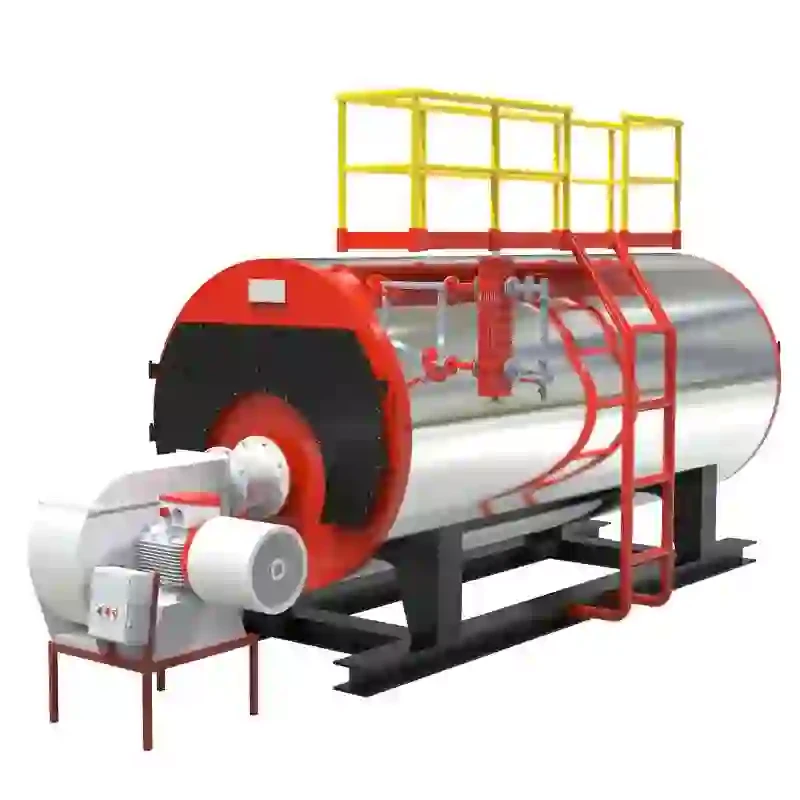
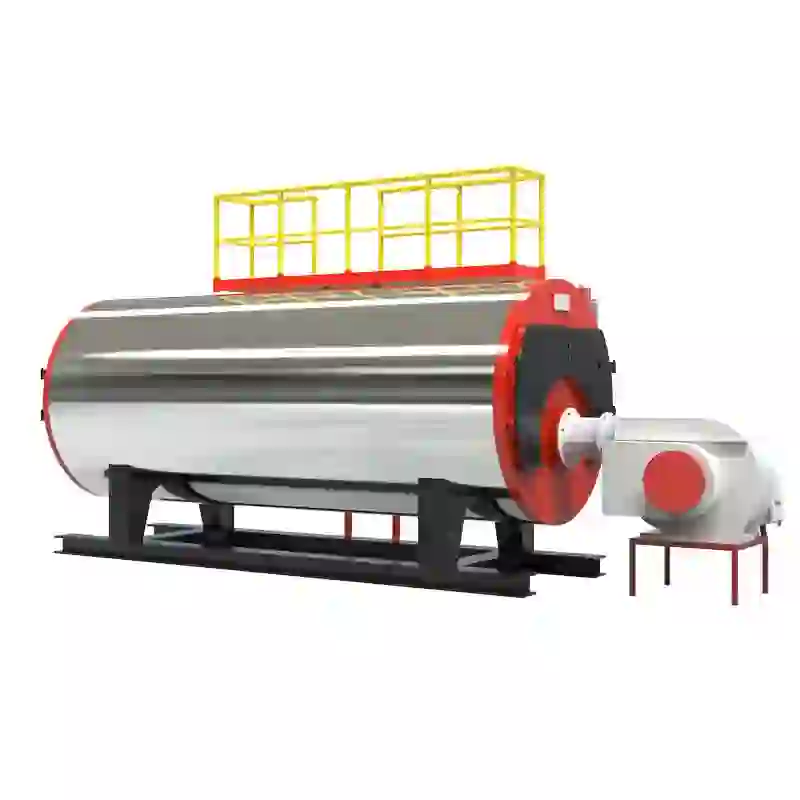
At its core, steam boiler system design refers to the planning and engineering of all components involved in generating, distributing, and controlling steam within an industrial or commercial setting. It involves everything from the boiler vessel itself, fuel sources, pumps, and pipework, to instrumentation and safety controls.
Think about it like designing a complex circulatory system for heat and pressure. Steam boilers deliver the energy that powers turbines, heats buildings, sterilizes equipment, or drives chemical reactions. Without careful design, you risk inefficiency, dangerous failures, or excessive emissions.
In modern industry, it’s also about balancing traditional robustness with new materials, digital optimization, and sustainability goals, tightening the link between technology and humanitarian or environmental needs.
Key Factors in Designing Effective Steam Boiler Systems
1. Durability and Material Selection
Boilers face intense thermal stress and corrosive conditions. Choosing the right steel alloys or composites extends lifespan and cuts maintenance downtime—a top priority when every minute of downtime costs money.
2. Scalability and Capacity Planning
Some industries need huge steam capacities; others want modular, easily expandable systems. Designing for scale ensures your boiler grows with demand without overspending initially.
3. Cost Efficiency and Fuel Flexibility
Fuel choice—whether natural gas, biomass, or electricity—shapes operational costs. A design that handles multiple fuels or optimizes combustion saves big bucks and often lowers emissions.
4. Safety and Regulatory Compliance
Pressure vessels are serious business. Designs must meet ISO standards and local laws, incorporating fail-safes, alarms, and emergency shutoffs to prevent disaster.
5. Automation and Control Systems
Modern boiler designs integrate sensors and control algorithms for efficient operation, self-diagnostics, and predictive maintenance—ultimately reducing human error.
6. Environmental Impact
Designs increasingly focus on reducing emissions (like NOx and CO2), waste heat recovery, and integrating renewable energy inputs.
Mini takeaway: The anatomy of a steam boiler system is complex but mastering these design pillars builds systems that work smart, safe, and sustainable.
Global Applications and Real-World Examples
Steam boilers aren’t just in factories. You find them in hospitals sterilizing surgical tools, in food plants pasteurizing milk, and in remote mining operations powering everything when the grid is absent.
- Post-disaster Relief: Mobile boiler systems can provide heat and sterilized water in emergency camps.
- Emerging Industrial Regions: India and parts of Africa are rapidly adopting flexible steam generator systems as they industrialize.
- High-Tech Manufacturing: Semiconductor fabs rely on ultra-clean steam, prompting innovation in ultra-precise boiler designs.
Even in developed economies, new environmental regulations mean aging boiler systems get retrofitted or replaced, keeping demand brisk.
Advantages & Long-Term Value of Thoughtful Boiler Design
Well-designed steam boilers translate easily into cost savings—fuel efficiency, less repair, and longer service life. But the story goes beyond dollars.
- Sustainability: Cleaner combustion and waste heat recovery reduce industry’s carbon footprint.
- Safety and Trust: Knowing your boiler complies with global standards brings peace of mind to operators and insurers.
- Innovation & Reputation: Cutting-edge design signals quality to customers and partners.
- Social Impact: Reliable steam systems support healthcare, housing, and food security worldwide.
It’s a rare industrial component with such a tight nexus between engineering, economics, and ethics.
Emerging Trends Shaping Steam Boiler Systems
We’re seeing a rapid pace of change here:
- Green Energy Integration: Boilers running on biofuels or hybrid electric-thermal setups are gaining traction.
- Smart Automation: AI and IoT-enabled monitoring providing predictive maintenance and fault detection.
- Advanced Materials: New alloys resilient to corrosion & high-temp creep improve lifetime.
- Circular Economy: Design for reuse and easier recycling is becoming a norm.
Frankly, it’s an exciting era where old-school steam meets 21st-century tech.
Common Challenges and How Experts Tackle Them
Oddly enough, even as technology improves, problems like scaling (mineral buildup inside boilers), fluctuating fuel quality, and rapid load changes still plague engineers. Dealing with them requires:
- Improved water treatment systems to minimize deposits.
- Flexible combustion controls to adapt to variable fuels.
- Modular designs that can be tweaked or expanded without full shutdowns.
Collaboration between operators, designers, and suppliers, along with ongoing training and research, keeps these issues manageable.
Frequently Asked Questions About Steam Boiler System Design
- What is the most important factor in designing a steam boiler system?
- While all factors are crucial, safety and regulatory compliance stand out because boilers operate under high pressure and temperature. Without sound safety measures, efficiency and durability become moot points.
- How can steam boilers be more energy-efficient?
- Energy efficiency improves through better insulation, optimized combustion, waste heat recovery, and integrating automation for real-time monitoring and adjustment.
- Are newer steam boiler designs compatible with renewable fuels?
- Yes, many modern boilers are designed to be fuel-flexible, accommodating biofuels, biomass, and even hydrogen blends, making sustainability an achievable goal.
- How often should steam boiler systems be maintained?
- Routine maintenance schedules vary but generally include daily checks, monthly inspections, and annual overhauls, depending on system size and usage.
- Can I retrofit an existing steam boiler for better performance?
- Absolutely. Retrofitting with updated burners, controls, and insulation can significantly boost efficiency and extend lifespan without full replacement.
Product Specification Table: Typical Industrial Steam Boiler
| Specification | Typical Values |
|---|---|
| Boiler Type | Fire-tube / Water-tube |
| Steam Capacity | 1,000 – 25,000 kg/hr |
| Operating Pressure | 7 – 40 bar |
| Fuel Type | Natural gas, Diesel, Biomass |
| Efficiency | 85% - 92% |
| Control System | PLC with automated monitoring |
Vendor Comparison: Leading Steam Boiler System Providers
| Provider | Design Customization | Fuel Options | Automation Level | Sustainability Focus |
|---|---|---|---|---|
| HZ SteamTech | High | Gas, Biomass, Hybrid | Advanced AI-Enabled | Strong |
| Global Steam Co. | Medium | Gas, Oil | Basic Automation | Medium |
| Green Heat Systems | Low | Biomass Only | Limited | Very Strong |
Wrapping Up: Why Steam Boiler System Design Will Keep Steaming Ahead
At the heart of many industries, steam boiler system design blends engineering rigor with a good dose of practical creativity. It’s not just about steam — it’s about energy resilience, environmental stewardship, and safety. As technology advances, those designs will become smarter, greener, and more adaptive, meeting our global challenges head-on.
For engineers, operators, or anyone interested in the field, diving deep into steam boiler system design is an investment in the future’s industrial backbone. Curious to explore detailed solutions and cutting-edge designs? Visit us anytime at https://www.hzsteamboiler.com.
Mini takeaway: Steam won’t go out of style anytime soon—neither will thoughtful system design.
References
-
Industrial Natural Gas Steam Boiler High Efficiency System Guide
NewsApr.16,2026
-
Maximize Industrial Productivity with High Efficiency Gas Steam Boiler
NewsApr.09,2026
-
Comprehensive Guide to Industrial Steam Heater Systems and Applications
NewsApr.07,2026
-
Comprehensive Guide to Low Pressure Steam Boilers and Their Applications
NewsApr.04,2026
-
Understanding High Pressure Steam Boiler Technology and Industrial Applications
NewsMar.31,2026
-
Comprehensive Guide to High Efficiency Steam Boiler Systems and Applications
NewsMar.28,2026


 English
  Arabic
  Bengali
  French
  German
  Hindi
Hindi  Indonesian
  Kazakh
  Khmer
Khmer  Korean
  Kyrgyz
  Lao
Lao  Latin
Latin  Mongolian
  Nepali
  Russian
  Turkish
  Turkmen
  Uzbek
Uzbek 


