




Dec . 13, 2025 20:30 Back to list
Comprehensive Guide to the Steam Boiler Process: Efficiency, Applications & Innovations
The Steam Boiler Process: Powering Industry and Beyond
If you’ve ever wondered just how the hum of industry, the warmth of a building, or the drive of a massive turbine all start, the steam boiler process is often at the heart of it. Oddly enough, though it’s been around for centuries, understanding the steam boiler process remains crucial—not just for engineers, but for anyone curious about how energy, manufacturing, or even humanitarian relief works in a practical sense. Globally, boilers help generate about 70% of the world’s electricity, according to some estimates, and they’re surprisingly central to sustainable energy transitions. Grasping how these systems work and evolve is key to unlocking efficiency, safety, and innovation.
Introduction: How the Steam Boiler Process Fits Into Our Global Landscape
On a large scale, the steam boiler process is intertwined with modern energy and industrial systems. Globally, the International Energy Agency (IEA) reports that over 45% of industrial energy consumption comes from steam generation. Several nations rely heavily on boiler systems for everything from electricity to district heating. Yet a challenge persists: outdated systems cause energy losses, emissions, and safety risks. Nearly 10% of global CO2 emissions arise from power plants that use traditional steam boilers. This points towards a critical need to optimize and innovate the steam boiler process—whether through better materials, system controls, or integration with green energy sources.
steam boiler process technologies are not only about beefy machinery; they represent giant leaps in industrial design, safety protocols, and environmental stewardship.
What Exactly Is the Steam Boiler Process?
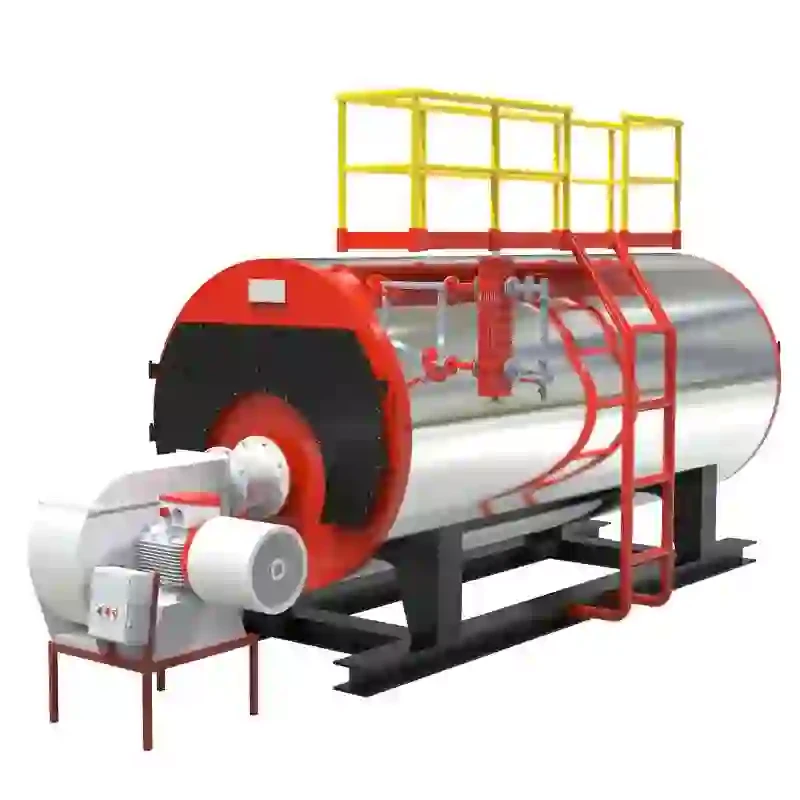
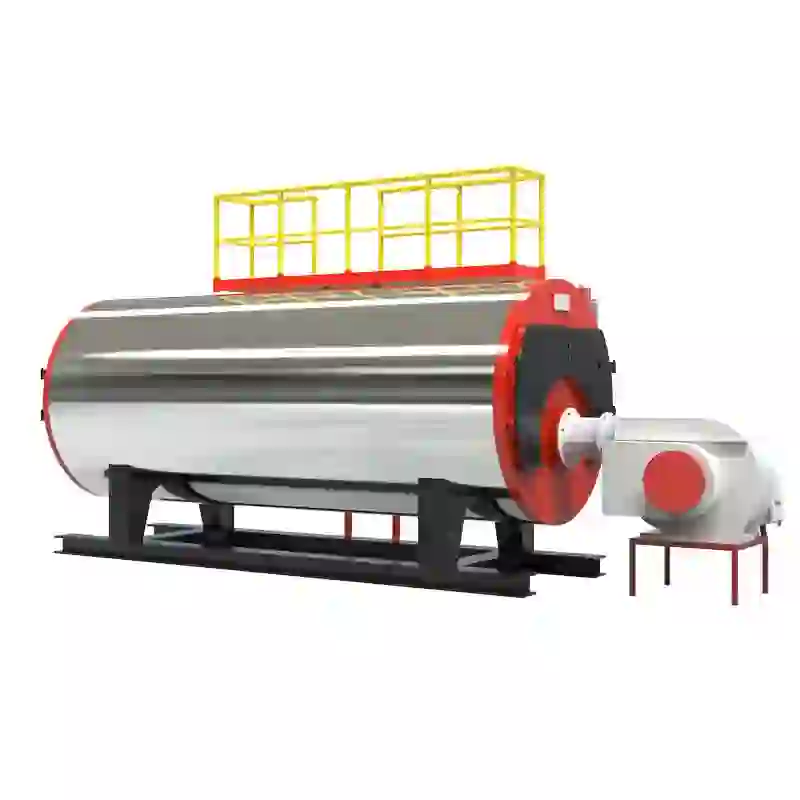
Put simply: the steam boiler process involves heating water inside a sealed container to produce steam, which then drives turbines, heats buildings, or powers various machinery. It’s a thermal energy conversion technique, turning fuel — whether coal, gas, biomass, or even waste heat — into usable steam. At its core, the steam boiler is where chemical or electrical energy morphs into mechanical or thermal energy with remarkable efficiency. Industries rely on this because steam packs a powerful punch: it’s easy to move, stores huge amounts of energy, and can be finely controlled.
In humanitarian contexts or remote industrial sites, steam boilers provide reliable hot water and power—even where grid infrastructure can’t reach, meaning it’s arguably a lifeline technology.
Core Components That Drive Success
1. Durability and Material Science
The boiler shell, tubes, and fittings face extreme conditions—high pressure and temperature. Quality steel and alloy materials have to meet ISO 16528 standards for durability and fatigue resistance. It’s weirdly absorbing to learn how slight tweaks in metallurgy extend boiler life by years, even decades. For instance, stainless steel boilers resist corrosion better than older cast-iron models.
2. Efficiency and Fuel Flexibility
Fuel type influences cost and emissions. Modern steam boiler processes integrate flexible fuel inputs—from natural gas to biofuels—allowing plants to switch easily based on cost or availability. Efficiency enhancements like economizers reclaim residual heat, pushing systems above 90% thermal efficiency.
3. Control Systems and Automation
Many systems now employ sophisticated digital controls, offering real-time monitoring, predictive maintenance, and automated safety shutoffs. It’s like giving your boiler a brain that anticipates faults before they happen—not only safer but slashing downtime significantly.
4. Scalability and Customization
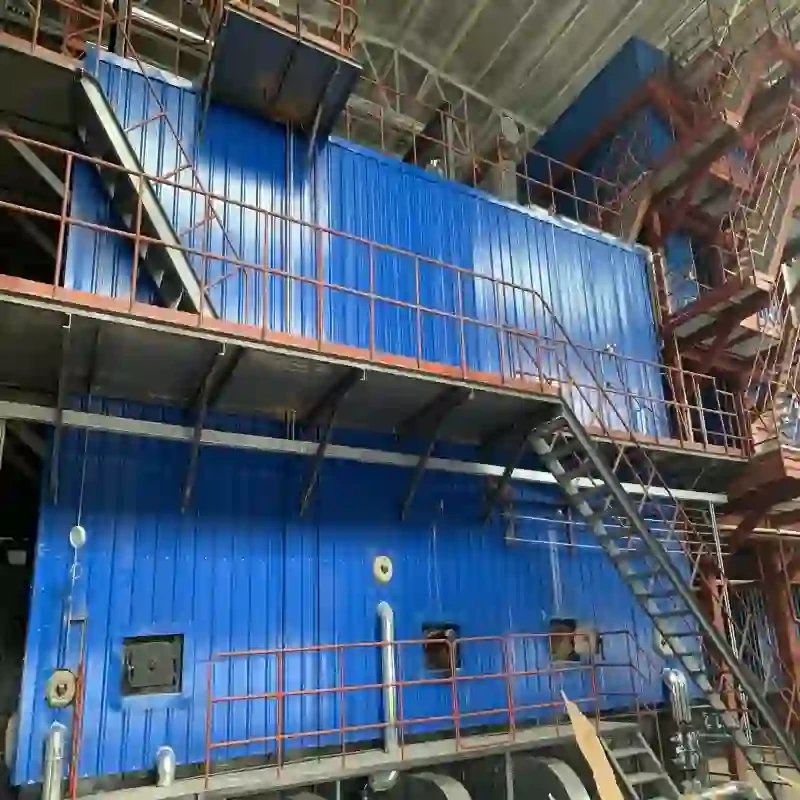
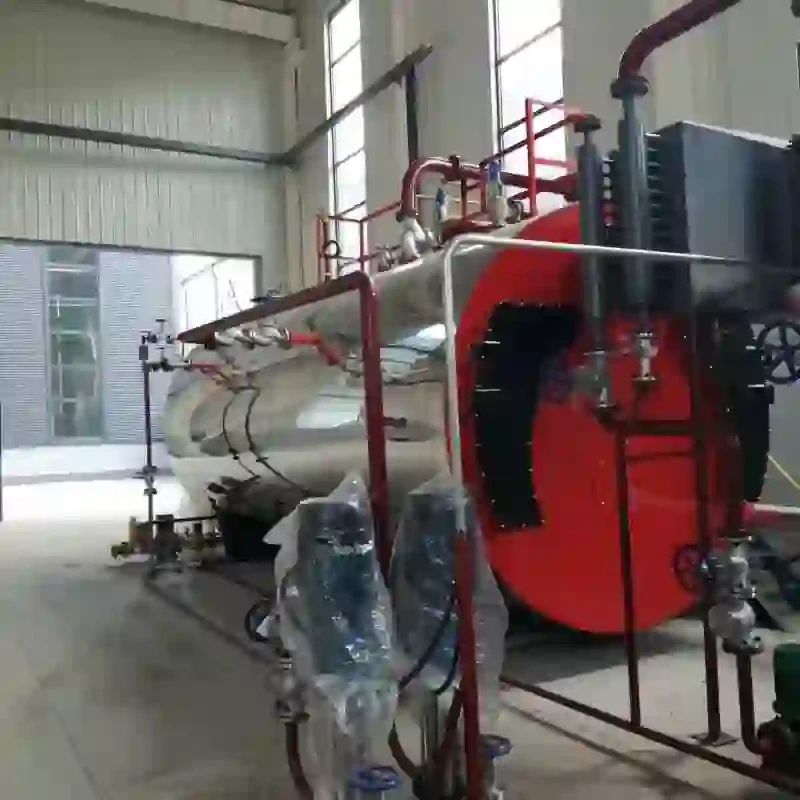
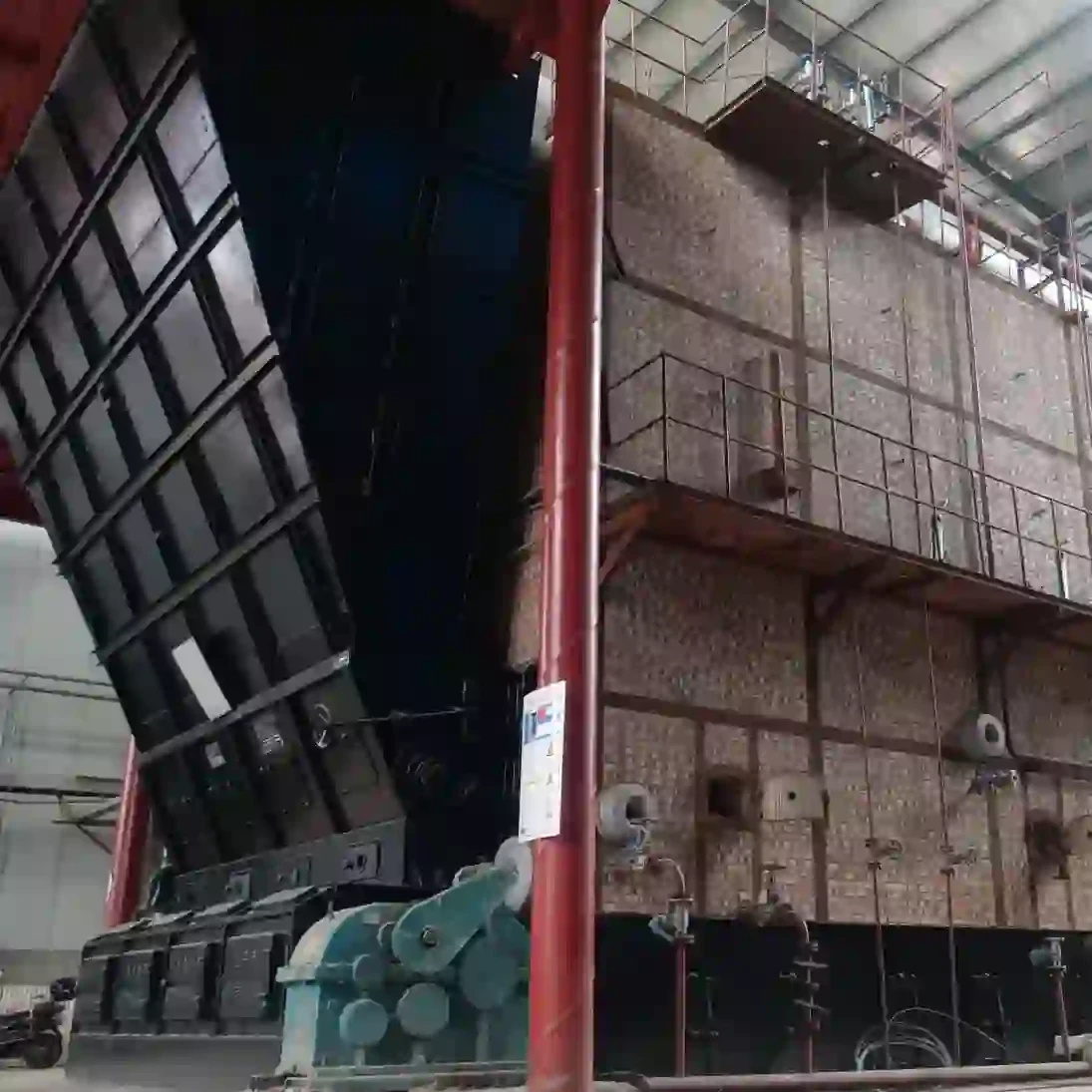
Boiler footprints vary enormously from tiny industrial units inside factories to massive power plant setups. Manufacturers often customize designs to suit client needs: pressure ratings, steam output, fuel specifications, and more. You could say that flexibility is baked into the entire steam boiler process.
Mini Takeaway:
Understanding these elements—materials, efficiency, control, and scalability—is key to appreciating why steam boilers are still indispensable, yet continually evolving.
Real-World Applications: Where the Steam Boiler Process Makes a Difference
The process powers a brilliant variety of industries. In steel mills across Asia, steam boilers generate the heat necessary to profile metals and crank out parts. European district heating networks steam warm neighborhoods, reducing carbon footprints in winter. In post-disaster relief, mobile steam boilers create hot water and electricity when infrastructure falters—a critical application NGOs often overlook.
In North America, pulp and paper mills rely on steam generation to drive drying and chemical recovery. Meanwhile, petrochemical plants in the Middle East depend heavily on steam for cracking and refining operations. steam boiler process versatility is particularly evident here—handling diverse fuel sources and operating conditions across demanding environments.
Advantages and Long-Term Value of Optimized Steam Boiler Processes
- Cost-efficiency: Modern boilers reduce fuel use and maintenance, cutting operating costs dramatically.
- Environmental sustainability: Cleaner fuels, better combustion, and heat recovery reduce emissions and waste.
- Reliability and safety: Enhanced monitoring and materials minimize downtime and workplace hazards.
- Social impact: Especially in developing regions, reliable steam heat boosts quality of life and enables industrial growth.
For operators, there’s a certain peace of mind knowing advanced boilers won’t suddenly fail, especially in safety-critical operations—and that trust matters.
Product Specification Table
| Specification | Typical Range | Notes |
|---|---|---|
| Operating Pressure | 10 - 180 bar | Higher pressure = higher efficiency but requires better materials |
| Steam Output | 0.5 - 200 tons/hr | Varies by plant size and application |
| Fuel Type | Coal, Gas, Biomass, Oil, Waste Heat | Flexibility important for operational cost control |
| Thermal Efficiency | 75% – 92% | Advanced tech pushes toward upper range |
| Control System | Analog to Digital/Smart | Digital systems offer remote monitoring and predictive alerts |
Vendor Comparison Snapshot
| Vendor | Standard Boiler Types | Fuel Flexibility | Control Technology | Typical Lead Time |
|---|---|---|---|---|
| Alpha Boilers | Fire-tube, Water-tube | High – Coal/Gas/Biomass | Digital PLC Controls | 8-12 weeks |
| Beta Steam Co. | Water-tube, Supercritical | Medium – Gas/Oil | Hybrid Analog/Digital | 10-14 weeks |
| Gamma Boilers Ltd. | Fire-tube | Low – Gas Only | Basic Analog | 6-8 weeks |
What’s Next? Emerging Trends and Innovations in the Steam Boiler Process
Looking ahead, the steam boiler process is anything but stuck in the past. There’s a big push toward “green boilers” that use hydrogen or biomass, slashing carbon footprints. Digital twins—virtual replicas of boilers—are also gaining ground, enabling precise optimization and faster troubleshooting. Automation is becoming more sophisticated, with AI systems now able to predict exactly when maintenance is due, reducing unplanned outages.
One of the strangest, yet coolest developments is integrating heat recovery directly into larger industrial cycles, turning old waste steam back into usable power in a continuous loop. And international standards like ISO 50001 promote energy management, pushing plants worldwide toward systematic efficiency improvements.
Challenges and Practical Solutions
Despite progress, steam boiler processes face hurdles: corrosion, scaling, and operational safety remain top concerns. Sometimes operators skimp on maintenance or rely on outdated controls, risking costly failures. The solution tends to be a combination of smart materials (like corrosion-resistant alloys), adoption of real-time sensor technologies, and ongoing workforce training. Many engineers argue that preventive maintenance driven by sensor data trumps any traditional schedule—kind of like the difference between waiting for your car to break down versus regular checkups.
Frequently Asked Questions about the Steam Boiler Process
- How can the steam boiler process be made more energy-efficient?
- Energy efficiency improves by integrating economizers, using cleaner fuels, and upgrading insulation. Digital controls also help monitor real-time performance to reduce waste.
- What fuel sources are most compatible with modern steam boilers?
- Modern boilers can handle a range including natural gas, coal, oil, biomass, and even waste heat—giving flexibility based on availability and cost.
- How does digital automation improve steam boiler safety?
- Automation provides continuous monitoring, alerts for abnormal conditions, and can trigger automatic shutdowns to prevent accidents, making boiler operation safer.
- Are steam boilers suitable for small-scale industries or only large plants?
- Steam boilers come in many sizes and can be tailored to small factories, hospitals, or large power plants, making them versatile across applications.
- What environmental regulations affect steam boiler operation globally?
- Standards like the EU Industrial Emissions Directive and EPA rules in the U.S. require emissions control and efficiency measures to reduce pollution from boilers.
Wrapping Up: Why Staying Ahead on the Steam Boiler Process Matters
The steam boiler process is neither a relic nor a mere industrial footnote—it is a critical backbone for global energy, manufacturing, and sustainable development. Optimizing this process saves money, reduces environmental impact, and improves safety, making investments here feel both smart and necessary. If you want to dive deeper or explore solutions tailored to your needs, I highly recommend visiting their website for cutting-edge insights: https://www.hzsteamboiler.com.
In the end, it’s about more than just steam—it’s about evolving an old process to meet tomorrow’s challenges with grace and grit.
References
-
Industrial Natural Gas Steam Boiler High Efficiency System Guide
NewsApr.16,2026
-
Maximize Industrial Productivity with High Efficiency Gas Steam Boiler
NewsApr.09,2026
-
Comprehensive Guide to Industrial Steam Heater Systems and Applications
NewsApr.07,2026
-
Comprehensive Guide to Low Pressure Steam Boilers and Their Applications
NewsApr.04,2026
-
Understanding High Pressure Steam Boiler Technology and Industrial Applications
NewsMar.31,2026
-
Comprehensive Guide to High Efficiency Steam Boiler Systems and Applications
NewsMar.28,2026


 English
  Arabic
  Bengali
  French
  German
  Hindi
Hindi  Indonesian
  Kazakh
  Khmer
Khmer  Korean
  Kyrgyz
  Lao
Lao  Latin
Latin  Mongolian
  Nepali
  Russian
  Turkish
  Turkmen
  Uzbek
Uzbek 


