




Dec . 04, 2025 10:40 Back to list
Efficient Oil Fired Boiler with Domestic Hot Water: Benefits, Use Cases & Innovations
Understanding the Oil Fired Boiler with Domestic Hot Water: Efficiency Meets Comfort
In today's energy-conscious world, the oil fired boiler with domestic hot water functionality stands as a versatile solution that balances heating needs with comfort. Globally, whether it’s chilly winters in northern climates or rapid urbanization demanding efficient heating systems, this technology matters. Why? Because it’s often a reliable lifeline where gas infrastructure isn’t feasible, offering both space heating and hot water supply in a single system. Understanding it not only helps industries and homeowners optimize their heating solutions but also informs sustainable energy choices.
Introduction: Why Oil Fired Boilers with Domestic Hot Water Still Matter Globally
Despite a surge in renewable energy technologies, oil fired boilers remain critical across many regions. According to the International Energy Agency, millions still rely on oil or mixed fuel systems, especially in rural parts of Eastern Europe, parts of the US, and isolated industrial zones. These boilers offer dependable heating and hot water production when extending natural gas lines or renewable grids isn’t practical—or too expensive.
Yet, there’s a challenge: conventional systems can contribute significantly to carbon emissions and operational costs if not chosen or maintained properly. That’s why integrating oil fired boilers that also provide domestic hot water efficiently is key—it condenses two utilities into one system, enhancing energy use and convenience.
Defining the Oil Fired Boiler with Domestic Hot Water
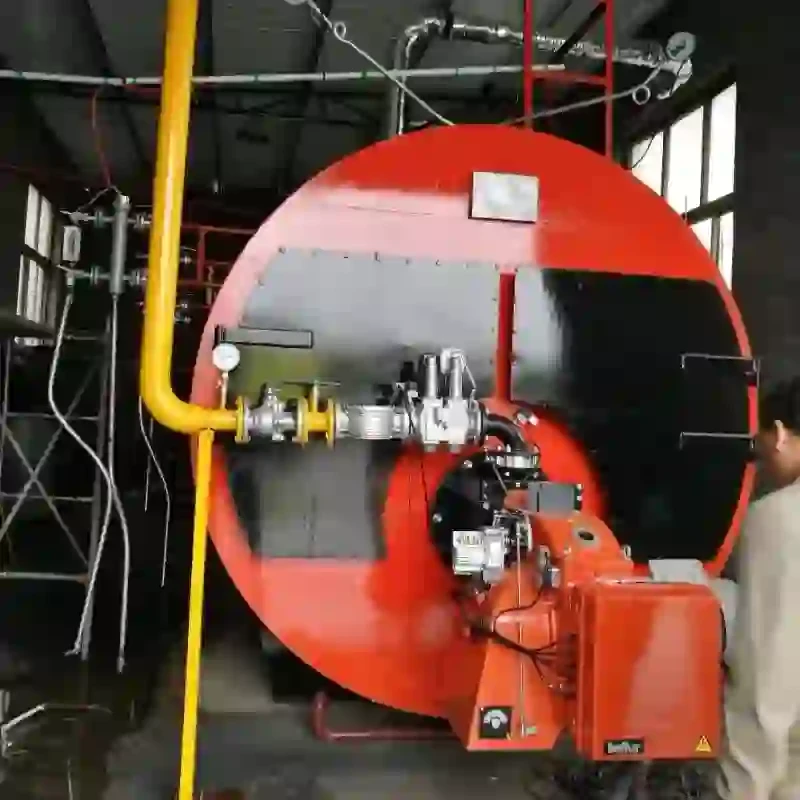
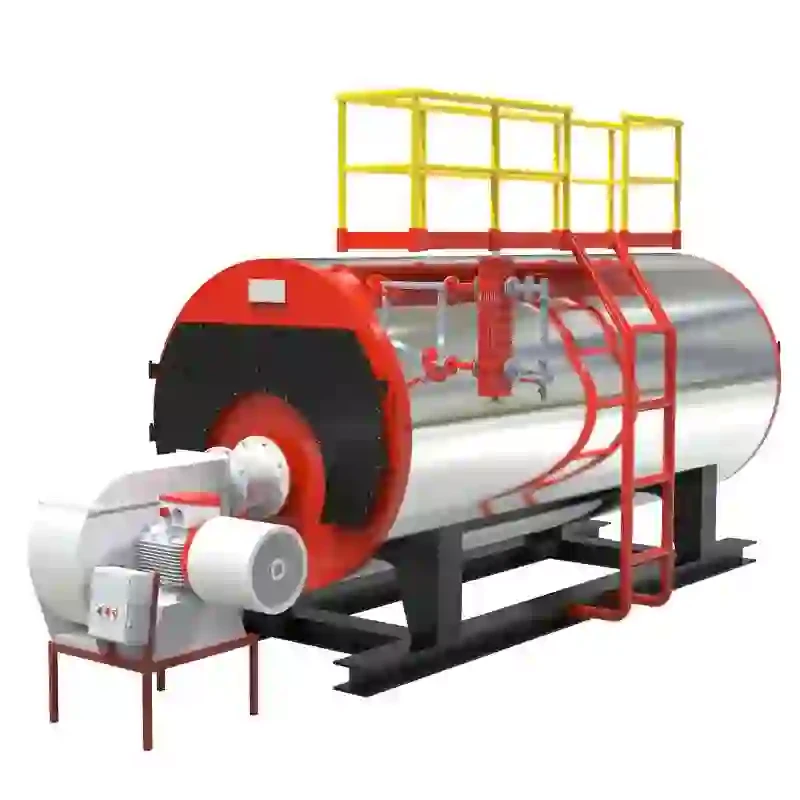
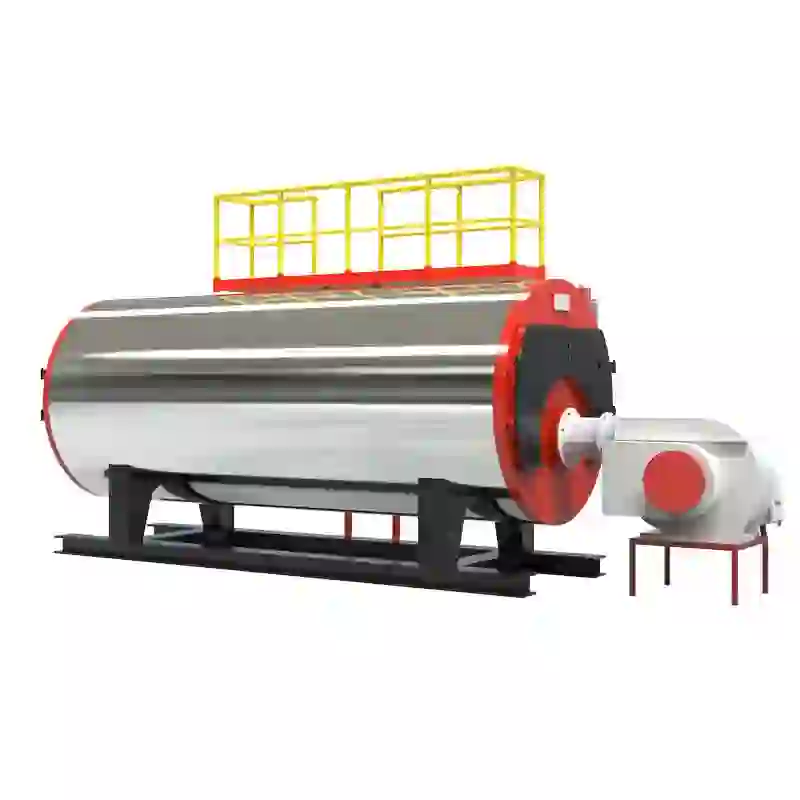
Simply put, an oil fired boiler with domestic hot water is a heating system burning oil fuel to generate heat that serves two primary functions:
- Space heating through radiators or underfloor systems
- Heating water for everyday domestic use — think showers, taps, and kitchens
This compact combination is especially valuable in places where energy infrastructure must be versatile. These boilers use an oil burner to heat water in a tank or directly in a heat exchanger, supplying warm water reliably without needing multiple devices.
Key Components and Factors in Oil Fired Boilers with Domestic Hot Water
1. Durability and Build Quality
Oil fired boilers built with corrosion-resistant steel and high-quality insulation can last 15-20 years with proper maintenance — longevity many appreciate given the capital expense.
2. Efficiency and Fuel Consumption
Modern models often achieve efficiency rates around 85-90%, sometimes higher with condensing technology. This means less fuel burned for the same heat output, cutting costs.
3. Scalability
These boilers vary from small residential units to large-scale commercial sizes, making them suitable for anything from a rural home to a factory needing substantial hot water and heat.
4. Integration with Existing Systems
They can be tightly integrated with central heating networks, solar thermal panels, or thermostatic controls, enhancing convenience and energy management.
5. Environmental Impact Controls
Newer boilers come equipped with emission control tech to cut soot and NOx levels, aligning with regulations like those from ISO or local environmental agencies.
Global Applications & Use Cases
Oil fired boilers with domestic hot water find homes in diverse situations:
- Remote Industrial Zones: Where grid access is limited, such boilers provide dependable heat and hot water to support operations and staff welfare.
- Post-Disaster Relief: Temporary setups often use oil boilers to quickly supply warm water and heat after infrastructure damage.
- Cold-Climate Rural Homes: Houses off the natural gas grid in Scandinavia or the US Northeast rely on these systems for sustained comfort.
Advantages & Long-Term Value
At first glance, oil fired boilers might seem outdated in today’s renewable rush. But their benefits are solid:
- Cost Efficiency: Fuel oil is often more affordable or more accessible for certain communities.
- Reliability: Oil stores well and is less vulnerable to power outages, reassuring users when conditions turn harsh.
- Single System Convenience: One boiler serves multiple needs, reducing complexity and installation costs.
- Emotional Comfort: Imagine coming home in freezing weather and having instant hot water—an everyday dignity not to underestimate.
Product Specification Table
| Specification | Typical Values |
|---|---|
| Fuel Type | #2 Fuel Oil / Diesel |
| Output Capacity | 20,000 – 150,000 BTU/hr |
| Efficiency | 85 – 92% |
| Hot Water Storage | Integrated Tank or Tankless Options |
| Control System | Digital Thermostats, Programmable Timers |
Comparing Leading Manufacturers
| Vendor | Efficiency | Warranty | Price Range |
|---|---|---|---|
| Brand A | 90% | 7 years limited | $$$ |
| Brand B | 85% | 5 years | $$ |
| Brand C | 88% | 10 years (heat exchanger) | $$$$ |
Future Trends and Innovations
Looking forward, oil fired boilers are quietly evolving. Integration with smart home systems means better temperature and fuel management—saving money and emissions. Also, blending these systems with bio-oils or synthetic fuels is gaining traction, offering greener footprints without compromising power.
Technological pushes, including improved condensers and catalysts, aim to push burning efficiency above 95%. Even regulatory frameworks encourage manufacturers to innovate cleaner burner designs and hybrid solutions, pairing oil boilers with solar or heat pumps.
Challenges and Expert Solutions
No solution is without hurdles. Oil prices fluctuate, impacting running costs; environmental regulations can tighten unexpectedly; maintenance demands remain higher than, say, electric boilers. However — many engineers now recommend routine servicing combined with using quality fuel additives to prolong component life and reduce emissions.
And for places worried about emissions, newer models featuring ultra-low NOx burners and electronic combustion controls are helping significantly.
FAQ: Practical Questions on Oil Fired Boilers with Domestic Hot Water
- Q1: How often should an oil fired boiler with domestic hot water be serviced?
- Annual servicing is strongly recommended to maintain efficiency and safety. It includes cleaning, checking for leaks, and verifying emissions levels.
- Q2: Can I retrofit an oil fired boiler with a domestic hot water system in an existing building?
- Yes, many units are designed for ease of retrofit, but compatibility depends on plumbing layout and chimney suitability. Consult a qualified technician to assess your setup.
- Q3: Are oil fired boilers with domestic hot water systems environmentally friendly?
- While they emit CO₂ and pollutants, modern boilers with emission controls and efficient combustion reduce environmental impact substantially compared to older models.
- Q4: What’s the typical lifespan of these boilers?
- With proper care, they last between 15 and 20 years. Components like the heat exchanger or burner may need replacement sooner.
Conclusion: Why an Oil Fired Boiler with Domestic Hot Water Could Make Sense for You
In real terms, the oil fired boiler with domestic hot water remains a practical, flexible option for many regions and industries worldwide. Its robustness, combined heating and hot water functionality, and continuous improvements keep it relevant amid evolving energy landscapes.
Thinking about upgrading or installing? Do check out more insights and product options at our website. Making the right choice now can save costs and boost comfort for years to come.
Oddly enough, choosing the right boiler sometimes feels like balancing tradition with innovation — but understanding the basics and current advances always helps.
Quick Takeaways:
- Oil fired boilers with domestic hot water combine heating and water needs efficiently.
- They excel in areas without easy gas access and remain cost-effective over time.
- Modern models are increasingly efficient and environmentally conscious.
References
-
Industrial Natural Gas Steam Boiler High Efficiency System Guide
NewsApr.16,2026
-
Maximize Industrial Productivity with High Efficiency Gas Steam Boiler
NewsApr.09,2026
-
Comprehensive Guide to Industrial Steam Heater Systems and Applications
NewsApr.07,2026
-
Comprehensive Guide to Low Pressure Steam Boilers and Their Applications
NewsApr.04,2026
-
Understanding High Pressure Steam Boiler Technology and Industrial Applications
NewsMar.31,2026
-
Comprehensive Guide to High Efficiency Steam Boiler Systems and Applications
NewsMar.28,2026


 English
  Arabic
  Bengali
  French
  German
  Hindi
Hindi  Indonesian
  Kazakh
  Khmer
Khmer  Korean
  Kyrgyz
  Lao
Lao  Latin
Latin  Mongolian
  Nepali
  Russian
  Turkish
  Turkmen
  Uzbek
Uzbek 


