




Dec . 13, 2025 18:20 Back to list
Modern Steam Boiler Design – Efficiency, Safety, and Global Applications
Steam Boiler Design: Why It Matters Worldwide
Steam boilers have quietly powered the backbone of industry and infrastructure for centuries. But understanding steam boiler design isn’t just about appreciating the power of steam engines in olden days. Today, smart boiler design addresses global energy efficiency, safety, and sustainability challenges. From industrial manufacturing plants in Asia to remote hospitals in Africa, optimized boiler systems provide reliable heat and power — often under demanding conditions. With rising energy costs and increasing environmental regulations, the benefits of mastering steam boiler design ripple outwards like steam itself: lowered emissions, enhanced safety, and better resource utilization.
Mini takeaway: The allure and importance of steam boiler design lie in its blend of tradition and modern necessity — a tech that still matters in the 21st century, helping address energy, safety, and global development goals.
Steam Boiler Design in the Global Industry Landscape
According to the United Nations Industrial Development Organization (UNIDO), industrial energy use accounts for approximately 54% of the world’s total final energy consumption. Steam boilers are at the heart of this — generating high-pressure steam that drives turbines, heats chemicals, or sterilizes medical equipment. In regions like South-East Asia and parts of Eastern Europe where industrial growth is booming, efficient steam boiler design is crucial in reducing carbon footprints and operational costs.
But there’s a real challenge here. Many industries struggle with older, inefficient boilers that waste fuel and risk safety lapses. Conversion to modern designs not only improves reliability but also process quality, which is key to sustaining economic progress. For example, ISO standards like ISO 9001 and ISO 50001 provide frameworks to improve the design and operation of these systems, showing their global reach.
Mini takeaway: Steam boiler design is more than engineering—it’s a strategic lever for economic development, environmental stewardship, and industrial safety worldwide.
What Exactly Is Steam Boiler Design?
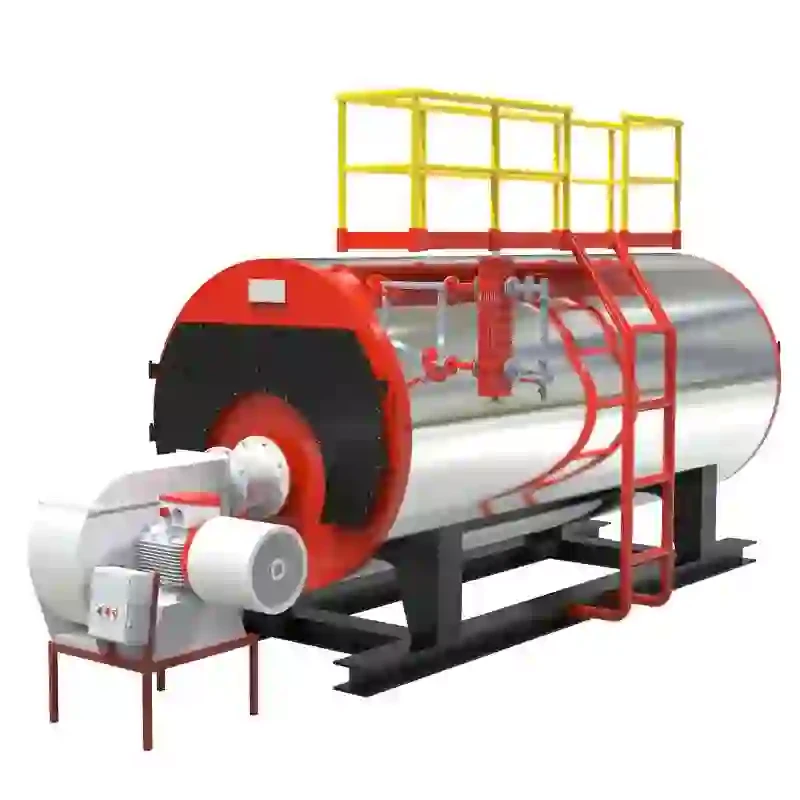
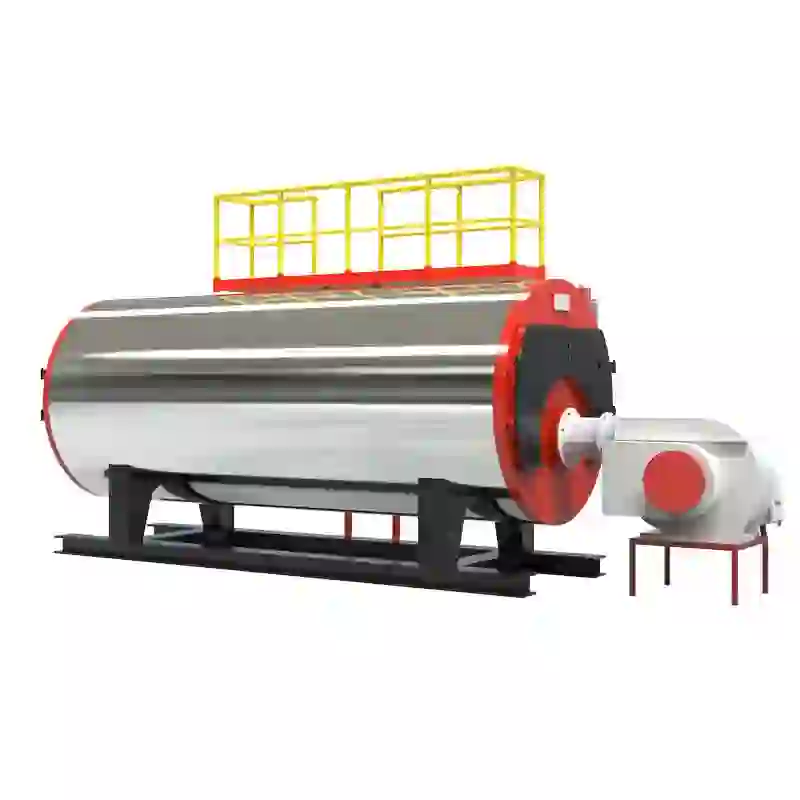
In simplest terms, steam boiler design involves creating safe, efficient vessels and systems that convert water into steam by heating. It’s where principles of thermodynamics meet material science, plus a hefty dose of practical logistics. Modern designs must balance thermal efficiency, pressure containment, cost-effectiveness, and compliance with strict regulations.
Beyond pure mechanics, steam boilers are often lifelines for health clinics, food processing plants, and clean water treatment. Their role is critical — certainly for humanitarian operations where access to steady steam or heat can mean the difference between success and failure.
Mini takeaway: Steam boiler design fuses physics and practicality, underpinning many vital systems, both industrial and humanitarian.
Key Factors in Effective Steam Boiler Design
1. Durability and Safety
Durability is non-negotiable. Boilers operate under high pressures and temperatures, and a failure can be catastrophic. Materials like alloy steels or composites, coupled with safety valves and rigorous testing, ensure longevity while meeting stringent codes.
2. Scalability and Capacity
Whether powering a small hospital or a vast paper mill, boilers must be sized and configured for demand. Modularity can allow systems to expand as operations grow, preventing costly overhauls later.
3. Efficiency and Fuel Flexibility
Modern designs emphasize fuel adaptability—coal, natural gas, biomass, or even waste heat recovery. High-efficiency burners and proper insulation reduce fuel usage and emissions.
4. Automation and Digital Integration
Smart controls enable real-time monitoring of pressure, temperature, and flow. This digital transformation helps preempt faults, optimize fuel use, and comply with environmental standards.
5. Cost Efficiency
All these innovations need to align with budgets — because even the best design means little if it’s unaffordable. Life-cycle costing that includes maintenance and downtime is increasingly favored over simple upfront expenses.
Mini takeaway:
The ideal steam boiler design blends durability with flexibility, efficiency with cost-consciousness, and old-school robustness with new-school intelligence.
Global Applications & Real-World Use Cases
Steam boilers show up across continents and industries. In South America, sugar mills lean on high-capacity steam boilers to power extraction and refining. In Northern Europe, district heating networks utilize sophisticated steam systems to provide eco-friendly warmth to entire neighborhoods.
During post-disaster recovery — such as after earthquakes or hurricanes — mobile steam boilers provide sterilization and power. These compact, fast-deploy units can operate on multiple fuel sources, making them ideal for challenging logistics.
Remote mining sites in Africa and Australia rely on well-designed boilers to generate steam for mineral processing despite harsh environments. Case in point: a West African gold mine recently upgraded to an advanced modular boiler system and saw fuel consumption drop by nearly 20% within six months.
Product Specification Table
| Specification | Standard Model | High-Capacity Model |
|---|---|---|
| Steam Output | 5 tons/hour | 20 tons/hour |
| Operating Pressure | 10 bar | 25 bar |
| Fuel Type | Natural gas / biomass | Coal / natural gas |
| Efficiency | 85% | 90% |
| Automation Level | Basic control panel | Full digital monitoring & alerts |
Comparing Leading Steam Boiler Vendors
| Vendor | Fuel Options | Customization | Warranty | Global Reach |
|---|---|---|---|---|
| AquaSteam Co. | Gas, biomass | High | 5 years | Asia, Europe |
| ThermoWorks Ltd. | Coal, gas | Medium | 3 years | Americas, Africa |
| EcoSteam Solutions | Natural gas, waste heat | Very High | 7 years | Global |
Advantages and Long-Term Value of Thoughtful Boiler Design
Well-designed steam boilers don’t just burn fuel — they save money and sometimes lives. Reduced fuel consumption means operating costs go down, while stricter emissions controls help companies avoid hefty fines and contribute to climate goals. The reassurance of safety protocols and high-quality materials also fosters trust among employees and the public. For companies, investing in reliable boiler design can offer a competitive edge and peace of mind.
On the social front, steam boilers enable vital services like hospital sterilization or clean water generation in underserved regions. In those contexts, it’s not just efficiency — it’s dignity and survival. Oddly enough, something as industrial as a boiler can have this profoundly human impact.
Mini takeaway: Investment in smart boiler design offers dividends in money saved, reputations built, and lives improved.
Emerging Trends and Innovations in Steam Boiler Design
The future looks pretty exciting. Integration of IoT sensors for predictive maintenance reduces downtime, while new materials like ceramics and advanced alloys promise better heat resistance and longer service life. Green energy policies push designers to explore biomass and waste heat recovery more aggressively, sometimes hybridizing boilers with solar thermal systems.
Automation is another huge trend — from AI-driven fuel management to remote monitoring dashboards accessible anywhere in the world. Steam boiler design is becoming part of the smart factory movement, where digital twins simulate and optimize operations before physical deployment.
Challenges and Forward-Looking Solutions
Current obstacles include: upfront costs, fuel supply volatility, and expertise shortages in some regions. Yet, many companies bridge these by adopting modular designs that are easier and cheaper to install and upgrade. Training programs supported by vendors help shore up human capital.
Environmental regulations push for emissions reduction, which can be tough for older plants. Retrofitting with better burners or scrubbers, combined with energy management software, offers a realistic path forward without total replacement.
Frequently Asked Questions About Steam Boiler Design
- What factors should I consider when choosing steam boiler fuel types?
- Fuel choice depends on availability, cost, environmental impact, and boiler design compatibility. Natural gas is often cleaner but sometimes pricier; biomass can be sustainable but requires proper handling. Assess local resources carefully before deciding.
- How does automation improve steam boiler operation?
- Automation enables real-time monitoring and control, optimizing combustion efficiency and safety. Predictive maintenance minimizes unexpected breakdowns, which reduces downtime and repair costs.
- Are modular boilers a good option for expanding industries?
- Yes, modular boilers offer flexibility to scale up capacity gradually. This approach saves upfront capital and avoids overbuilding system capabilities unneeded at early stages.
- What safety standards apply to modern steam boiler design?
- International standards such as ASME Boiler and Pressure Vessel Code, ISO 9001 for quality, and local regulations govern design and operation, emphasizing durability, testing, and safety devices.
Conclusion
Understanding and investing in thoughtful steam boiler design is not just a technical feat — it’s a long-term strategy that benefits businesses, communities, and the environment. Improved safety, enhanced efficiency, and adaptive capacity make these systems indispensable worldwide. If you want to explore practical, cost-effective boiler solutions for your operations or projects, I recommend visiting https://www.hzsteamboiler.com where you’ll find detailed resources and expert support.
Mini takeaway: Steam boiler design remains central to industrial innovation and sustainable progress—so it pays off in many ways to stay well-informed and proactive.
References
-
Industrial Natural Gas Steam Boiler High Efficiency System Guide
NewsApr.16,2026
-
Maximize Industrial Productivity with High Efficiency Gas Steam Boiler
NewsApr.09,2026
-
Comprehensive Guide to Industrial Steam Heater Systems and Applications
NewsApr.07,2026
-
Comprehensive Guide to Low Pressure Steam Boilers and Their Applications
NewsApr.04,2026
-
Understanding High Pressure Steam Boiler Technology and Industrial Applications
NewsMar.31,2026
-
Comprehensive Guide to High Efficiency Steam Boiler Systems and Applications
NewsMar.28,2026


 English
  Arabic
  Bengali
  French
  German
  Hindi
Hindi  Indonesian
  Kazakh
  Khmer
Khmer  Korean
  Kyrgyz
  Lao
Lao  Latin
Latin  Mongolian
  Nepali
  Russian
  Turkish
  Turkmen
  Uzbek
Uzbek 


