




Dec . 11, 2025 06:45 Back to list
Steam Boiler Types Explained: Fire-Tube vs. Water-Tube Boilers
Understanding Steam Boiler Types: Insights from Industry Experience
Having spent a good deal of my career surrounded by steam boilers and all things industrial, I’ve come to appreciate the many shapes and forms these machines take. Steam boilers, frankly, aren’t a one-size-fits-all deal. Depending on your application, space, and budget, the type of steam boiler you choose can make all the difference — and I can tell you, many engineers and plant managers have their favorite picks for good reason.
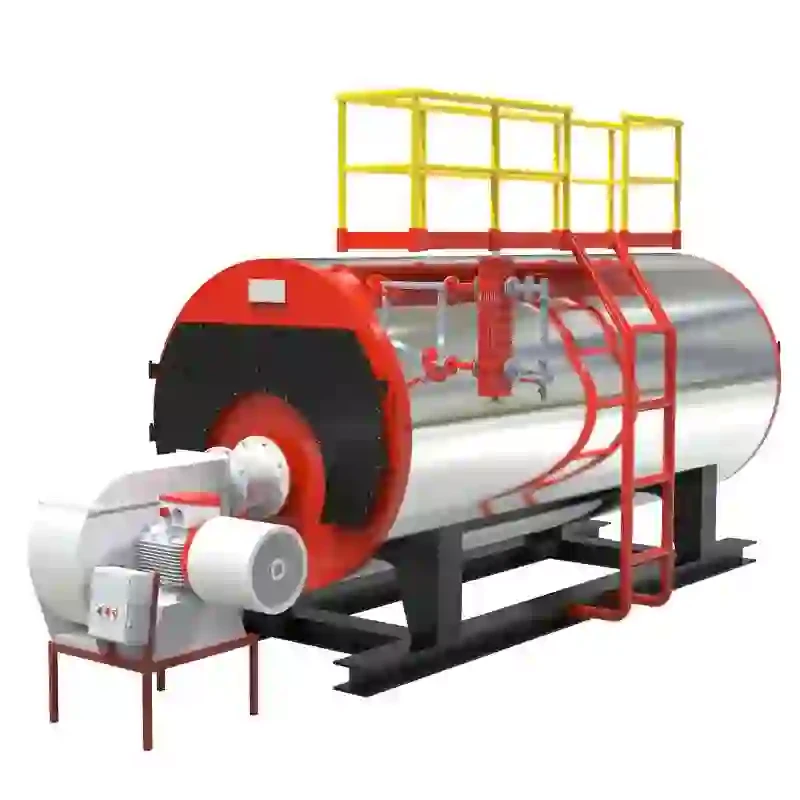
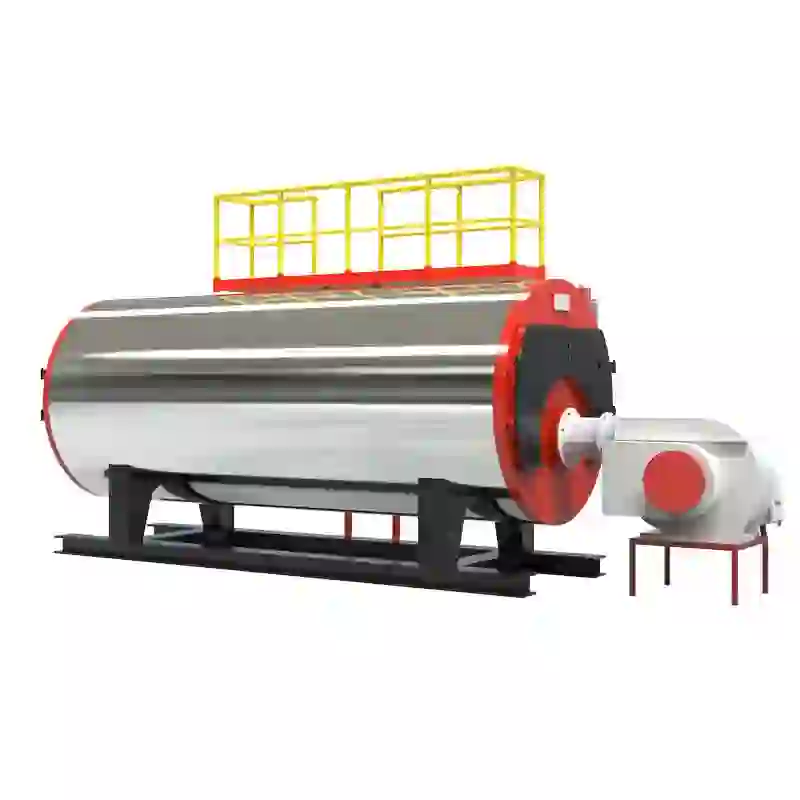
So, what’s out there? At the core, you usually encounter two primary boiler types: fire-tube boilers and water-tube boilers. Oddly enough, these terms boil down to where the water and fire meet — in fire-tube boilers, hot gases flow through tubes surrounded by water, while in water-tube boilers, water flows through tubes heated externally by hot gases.
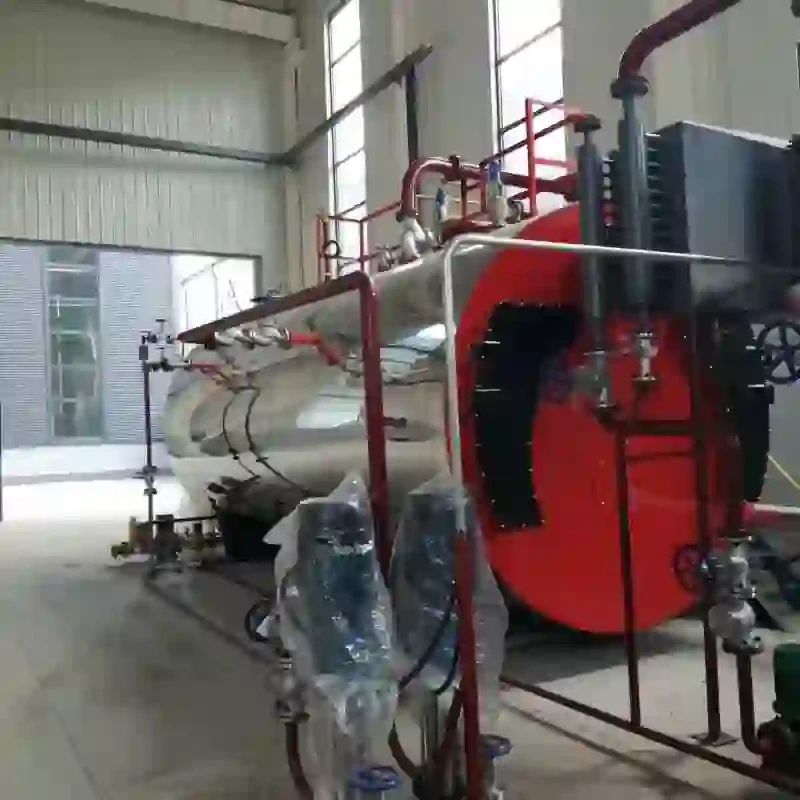
Fire-tube boilers are kind of like traditional workhorses — easier to install, maintain, and they tend to be less expensive upfront. For smaller operations or those requiring lower pressure steam (think heating systems or small manufacturing plants), they often do the trick. Personally, I’ve seen them running efficiently in textile mills where the process steam demand doesn’t spike wildly.
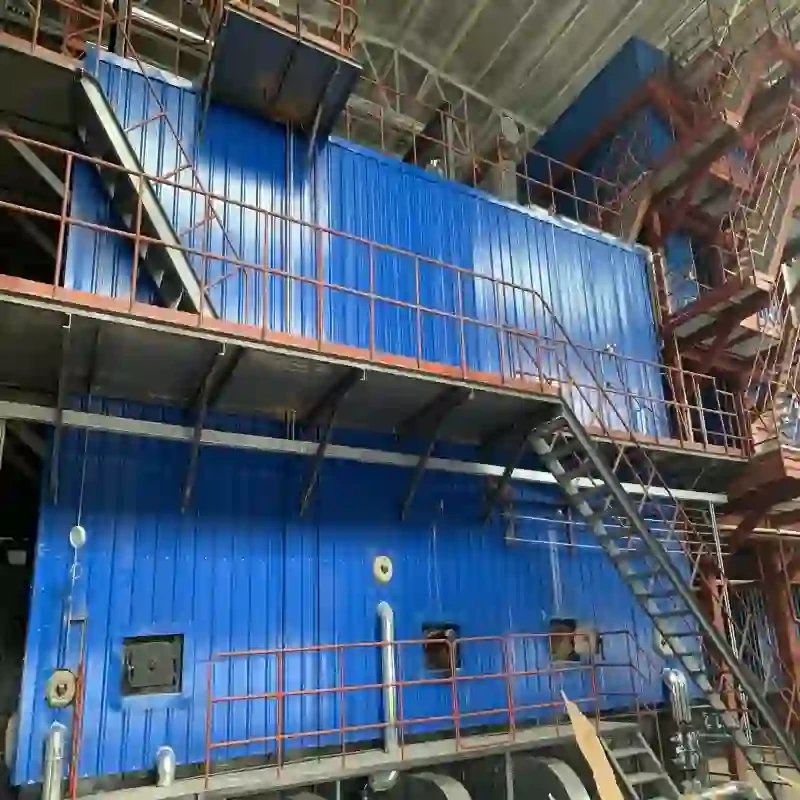
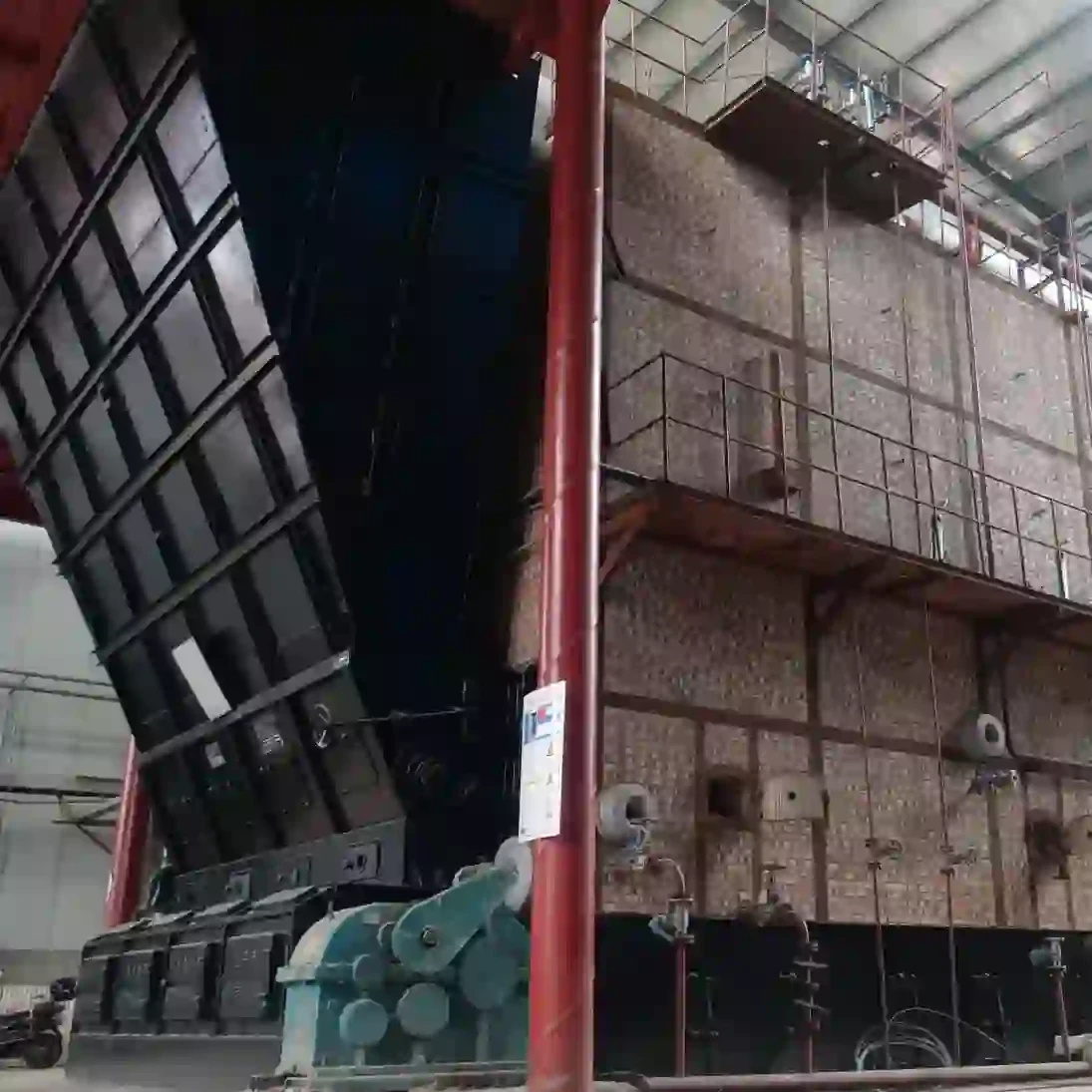
Water-tube boilers, meanwhile, are favored in more demanding industrial scenarios where high pressure and capacity are non-negotiable. They’re faster at raising steam and generally considered safer under high-pressure conditions. A power plant I visited once ran a massive water-tube setup humming 24/7 — it felt like the heart of the operation. You get a lot of customization opportunity here, too, with materials ranging from carbon steel to alloyed steels to withstand extreme conditions.
Testing and quality assurance is critical for any boiler type, but particularly so with water-tube models where slight flaws can turn serious given the pressure involved. For both types, ASTM standards guide much of the design and testing process, ensuring durability and safety.
| Specification | Fire-tube Boiler | Water-tube Boiler |
|---|---|---|
| Operating Pressure | Up to 300 psi | Can exceed 3,000 psi |
| Steam Capacity | Moderate (up to ~30,000 lbs/hr) | High (over 100,000 lbs/hr) |
| Space Requirements | Larger footprint | Compact design |
| Maintenance Complexity | Simpler, easier access | More complex, requires skilled techs |
| Typical Applications | Heating, low-pressure steam | Power generation, high-pressure industrial |
Choosing a vendor and the right boiler model is a big decision, too. From my experience, the market offers some clear leaders, but it pays to evaluate on more than just price or specs alone. I remember a client who initially picked a cheaper option just on sticker price and ended up with costly downtime due to lackluster service support.
| Vendor | Product Range | After-Sales Support | Customization Options | Typical Clients |
|---|---|---|---|---|
| HZ Steam Boiler | Fire-tube & water-tube, various capacities | Strong, with on-site technical support | High; tailored solutions available | Manufacturing, food processing |
| BoilerCorp | Mostly fire-tube, limited water-tube | Moderate, phone/email support | Medium, standard options | Small to mid-sized plants |
| PowerSystems Inc. | Focus on large water-tube boilers | Excellent, with field engineers worldwide | Very high; custom heavy-duty systems | Power generation, heavy industry |
In real terms, your best pick depends on your operational goals. For instance, a bakery I worked with chose a fire-tube boiler because it was just right for their modest steam needs and tighter budget – no fuss, consistent results. That’s the beauty of having options.
One last thought: boilers are not just about heating water. They’re central to process control, energy efficiency, and safety. As regulations and materials technology evolve, so does boiler design. Investing in a reputable vendor with good workmanship and support makes all the difference.
If you want to dive deeper into boiler types, specs, and what’s suitable for your plant, there’s no substitute for a real conversation with experts who know the gear inside out. And if I may suggest, checking out trusted suppliers like this one can be a solid first step.
At the end of the day, steam boilers are kind of like the unsung heroes of industry — quiet, reliable, and always working behind the scenes. They’re worth your attention, no question.
References:
- "Industrial Steam Boilers & Their Applications," Journal of Thermal Engineering, 2021.
- "Selecting the Right Boiler for Your Facility," American Society of Mechanical Engineers (ASME) Guide, 2022.
- Personal experience working with diverse steam boiler installations since 2007.
-
Industrial Natural Gas Steam Boiler High Efficiency System Guide
NewsApr.16,2026
-
Maximize Industrial Productivity with High Efficiency Gas Steam Boiler
NewsApr.09,2026
-
Comprehensive Guide to Industrial Steam Heater Systems and Applications
NewsApr.07,2026
-
Comprehensive Guide to Low Pressure Steam Boilers and Their Applications
NewsApr.04,2026
-
Understanding High Pressure Steam Boiler Technology and Industrial Applications
NewsMar.31,2026
-
Comprehensive Guide to High Efficiency Steam Boiler Systems and Applications
NewsMar.28,2026


 English
  Arabic
  Bengali
  French
  German
  Hindi
Hindi  Indonesian
  Kazakh
  Khmer
Khmer  Korean
  Kyrgyz
  Lao
Lao  Latin
Latin  Mongolian
  Nepali
  Russian
  Turkish
  Turkmen
  Uzbek
Uzbek 


